

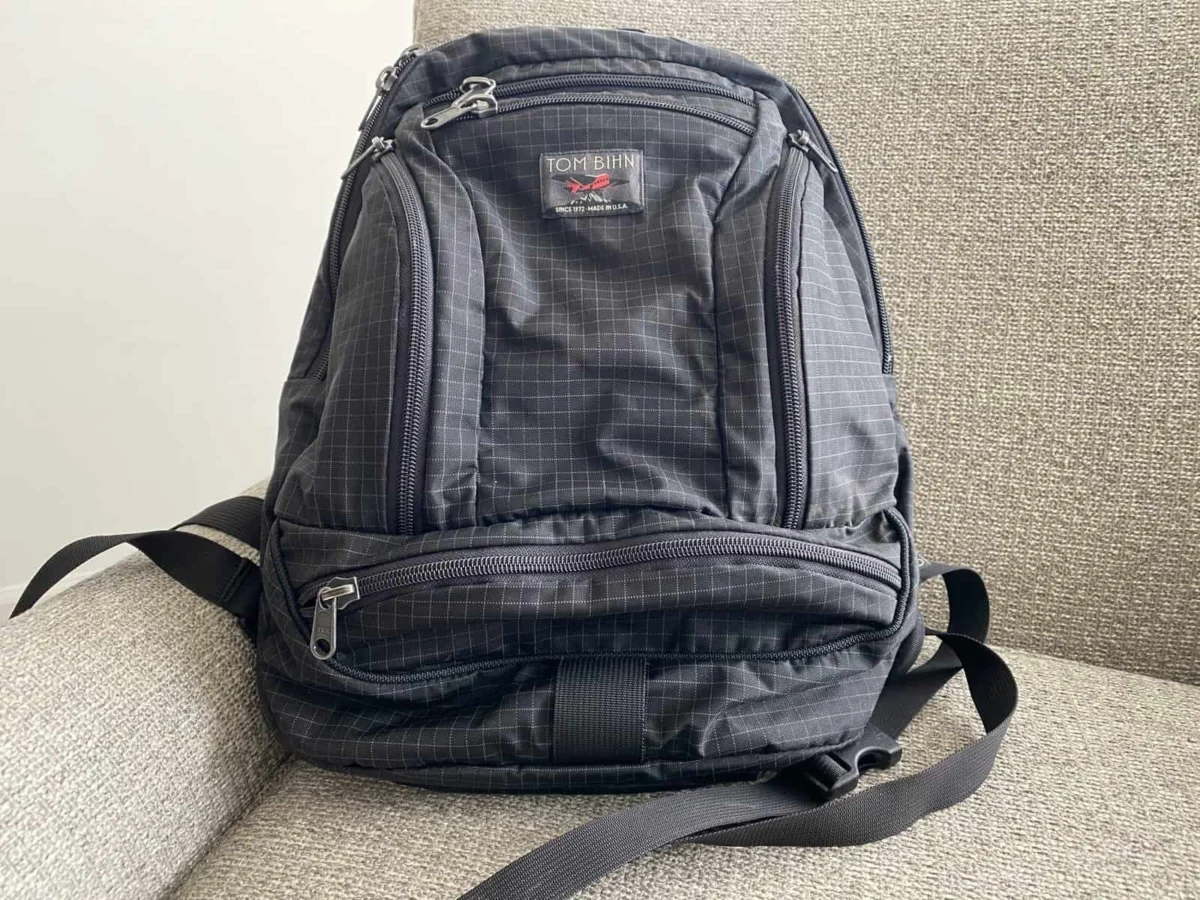
A residential burglary case in the Park Slope neighborhood of Brooklyn has reached an unexpected conclusion more than three years after the initial incident. In a rare instance of property recovery, a backpack containing personal identification and medical necessities was returned to its rightful owner, travel writer and former attorney Jodi Ettenberg, after being discovered by a maintenance worker on a rooftop. The recovery highlights the complexities of urban crime, the enduring nature of high-quality consumer goods, and the role of social media in facilitating the return of lost property.
The 2017 Burglary and Concurrent Medical Crisis
The origins of this case date back to August 2017, a period during which Ettenberg was navigating a significant medical crisis. While she was undergoing a lumbar puncture (spinal tap) at a New York City hospital—a procedure that would ultimately result in a debilitating cerebrospinal fluid (CSF) leak—the apartment she was occupying in Park Slope was breached by an intruder.
According to surveillance footage from the residence, the burglary occurred almost exactly at the same time the medical procedure commenced. The perpetrator entered the premises and utilized Ettenberg’s Tom Bihn Synapse daybag to consolidate stolen items. While the thief took a laptop, jewelry, and cash belonging to the apartment’s permanent residents, certain items were discarded at the scene, including Ettenberg’s Canadian passport and a small amount of currency. However, the backpack itself, along with several of its internal contents, remained missing for years.
The timing of the theft added a layer of psychological distress to an already severe medical situation. For Ettenberg, the loss of the bag was secondary to the physical toll of the spinal tap, which left her with chronic health challenges. Nevertheless, the backpack represented a "liminal" object—a remnant of her highly mobile life as a travel blogger before the onset of her disability.
Chronology of Discovery and Recovery
The timeline of the backpack’s journey from the crime scene to its eventual return involves a series of chance encounters and administrative delays within digital communication platforms.
- August 2017: The burglary occurs in Park Slope, Brooklyn. The suspect flees with the backpack and several high-value electronics.
- 2017–2020: The backpack remains exposed to the elements on a rooftop a few doors down from the site of the original burglary.
- December 2020: A homeowner in Park Slope hires a professional chimney sweep to perform maintenance on her residence. During the cleaning process, the technician discovers a weathered backpack tucked into the side of a chimney vent on the roof.
- December 2020: The homeowner examines the contents, finds expired credit cards and business cards, and attempts to contact the owner via Facebook.
- January 2021: Ettenberg discovers the message in her "Message Requests" folder, a secondary inbox on Facebook often used for communications from non-contacts.
- February 2021: A legal colleague and close friend of Ettenberg, identified as Cheryl, retrieves the bag from the Park Slope resident.
- April 2021: Following a thorough cleaning and restoration process, the bag is returned to Ettenberg.
Physical Condition and Inventory of Recovered Property
The recovery of the backpack provided a unique opportunity to observe the effects of long-term environmental exposure on synthetic materials and personal items. The bag, a Tom Bihn Synapse model manufactured from high-tenacity ballistic nylon, survived over 40 months on a Brooklyn rooftop. New York City experiences significant temperature fluctuations, ranging from below freezing in the winter to over 90 degrees Fahrenheit in the summer, along with substantial rainfall and snow.

Upon inspection, the following items were found within the bag:
- Prescription Eyewear: Two pairs of glasses were recovered. While the frames had become warped due to years of thermal expansion and contraction, the lenses remained intact.
- Financial Instruments: Several credit cards were found; however, all had surpassed their expiration dates during the three-year interval.
- Personal Effects: A container of hand lotion, a bottle of Tylenol, and business cards from travel industry events.
- Extraneous Items: A blue die was found in the bag, which did not belong to the original owner, suggesting the thief may have used the bag to hold other stolen trinkets before discarding it.
Items such as the laptop and jewelry were notably absent, supporting the theory that the thief utilized the roof as a "dumping ground" to sort through stolen goods, retaining high-value items and discarding the bag and less liquid assets in a location unlikely to be searched by police.
Statistical Context: Property Crime and Recovery Rates in New York City
The recovery of Ettenberg’s bag is statistically improbable. According to data from the New York Police Department (NYPD) for the 78th Precinct, which covers Park Slope, property crimes such as burglary and grand larceny are among the most frequently reported offenses, yet the recovery rate for personal property remains low.
In urban environments, stolen bags are typically emptied of cash and electronics within blocks of the crime scene and discarded in trash receptacles or alleyways where they are quickly collected by municipal sanitation services. The placement of the bag on a rooftop near a chimney vent effectively removed it from the standard cycle of urban waste management, preserving it in a state of "suspended animation" until maintenance requirements necessitated a roof inspection.
Furthermore, the role of social media in this recovery underscores a shift in how lost property is handled. Before the ubiquity of social networking, a found bag with expired cards would likely have been turned over to a local precinct or destroyed. The ability for a private citizen to search for a name on a business card and send an instant message has created a decentralized lost-and-found network that occasionally bypasses official law enforcement channels.
Psychological Impact and Professional Analysis
The return of the backpack served as a significant emotional catalyst for Ettenberg. In victimology, the return of stolen items can often trigger "re-victimization" or "flashback" phenomena, where the victim is forced to relive the trauma associated with the initial crime. For Ettenberg, the bag was inextricably linked to the night her health permanently changed.
"To have an unexpected reminder felt like kicking up a lot of sediment from the bottom of a lake that appeared to be clear," Ettenberg noted regarding the experience. This sentiment aligns with psychological theories regarding "material memory," where objects serve as powerful anchors to specific periods of life.

The professional response to the recovery was characterized by community support. Cheryl, a former law firm colleague, took it upon herself to sanitize the bag and fill it with "llama-themed" gifts—a gesture intended to replace the negative associations of the burglary with positive, supportive memories. This process of "transmuting" an object from a symbol of theft to a symbol of friendship is a recognized coping mechanism in trauma recovery.
Broader Implications for Property Owners and Manufacturers
The Park Slope incident offers several takeaways for both the public and the manufacturing industry:
1. The Durability of High-End Gear
The survival of the Tom Bihn backpack after three years of exposure to New York’s harsh climate is a testament to the materials used in high-end outdoor and travel gear. Ballistic nylon and YKK zippers, standard in professional-grade bags, demonstrated a resilience that typical consumer-grade plastics or fabrics might not have maintained. This has implications for "sustainability through durability," suggesting that higher initial investments in quality goods can lead to longer lifespans, even under extreme conditions.
2. The Digital "Purgatory" of Social Media
The one-month delay between the homeowner’s message and Ettenberg’s discovery highlights a flaw in modern digital communication. Platforms like Facebook prioritize messages from known contacts, often hiding legitimate and important communications from strangers in "Request" folders. This case serves as a reminder for users to periodically check secondary inboxes, particularly if they have a history of lost property or are part of public-facing industries.
3. Community Vigilance in Urban Neighborhoods
The actions of the Park Slope resident and the chimney sweep reflect the importance of community vigilance. Rather than discarding the bag as trash, the resident took the initiative to investigate the owner’s identity. This "good samaritan" behavior is essential in high-density urban areas where the anonymity of the crowd often leads to the loss of personal items.
Conclusion
The case of the Park Slope backpack concludes with a final act of transition. Ettenberg, recognizing that the bag held too much personal "weight" from her previous life, elected to donate the restored item to a friend. This decision represents a symbolic closing of a chapter that began in a hospital room in 2017.
While the perpetrator of the burglary was never apprehended, and the high-value electronics remain lost, the return of the "miracle bag" provides a rare data point in the study of urban property recovery. It serves as a reminder that even in a city of millions, the combination of high-quality manufacturing, persistent community members, and digital connectivity can occasionally reverse the effects of a crime years after the fact.
