

The 2022 publishing year was defined by a significant shift in reader interest toward works that examine the intersections of historical trauma, scientific discovery, and the preservation of global culinary traditions. As the global community moved further into a post-pandemic reality, the literary market saw a marked increase in demand for narrative non-fiction and memoirs that address both physical and psychological resilience. This report provides an analytical overview of the most influential titles of the year, categorized by their contribution to contemporary discourse on food, science, social identity, and the human condition.
The Globalization of Culinary Literature and Heritage Preservation
The culinary book market in 2022 moved beyond simple recipe collections, pivoting toward deep ethnographic studies of food as a vehicle for cultural survival. According to industry data from NPD BookScan, while overall print sales saw a slight stabilization following the 2020-2021 surge, "international" and "specialty diet" cookbooks maintained a strong growth trajectory.
Naomi Duguid’s The Miracle of Salt: Recipes and Techniques to Preserve, Ferment, and Transform Your Food emerged as a seminal text in this category. Duguid explores the technical and historical necessity of salt, framing it not merely as a seasoning but as a fundamental tool for civilization. This work aligns with a broader 2022 trend of "back-to-basics" food preservation, a movement driven by both interest in gut health and concerns regarding food supply chain stability.

In terms of regional representation, the 2022 literary cycle provided a platform for cuisines often overshadowed by larger neighboring traditions. Cynthia Shanmugalingam’s Rambutan: Recipes from Sri Lanka and Romy Gill’s On the Himalayan Trail: Recipes and Stories from Kashmir to Ladakh are primary examples. These works serve a dual purpose: they provide culinary instruction while documenting the socio-political realities of their respective regions. Gill’s work, in particular, highlights the urgency of cultural preservation in conflict-prone areas like Kashmir, where traditional recipes face the risk of being lost to political instability and displacement.
Narrative Non-Fiction and the Reconstruction of Historical Truths
The non-fiction sector in 2022 was dominated by a "reconstructive" approach to history and science, where authors sought to fill gaps left by traditional Western-centric narratives. Candice Millard’s River of the Gods: Genius, Courage, and Betrayal in the Search for the Source of the Nile serves as a focal point for this trend. Millard utilizes primary source documents, including diaries and letters, to challenge the established history of Victorian exploration. By elevating the role of Sidi Mubarak Bombay, an enslaved East African man whose contributions were essential to the success of British explorers Richard Burton and John Hanning Speke, Millard contributes to a wider academic and literary movement aimed at decolonizing the history of global discovery.
Similarly, Louisa Lim’s Indelible City: Dispossession and Defiance in Hong Kong provides a critical examination of urban identity under shifting political regimes. Lim’s reporting offers a synthesis of memoir and investigative journalism, documenting the transition of Hong Kong from British colonial rule to its current status under the Chinese government. The book’s release coincided with a period of heightened international scrutiny regarding the erosion of civil liberties in the region, providing necessary context for global policymakers and human rights observers.
Scientific Advancements and the Exploration of Sensory Reality
In the realm of science communication, 2022 was a landmark year for works that translate complex biological and psychological data into accessible narratives. Ed Yong, a Pulitzer Prize-winning journalist, released An Immense World: How Animal Senses Reveal the Hidden Realms Around Us. Yong’s work utilizes the concept of the "Umwelt"—the unique sensory world experienced by different organisms—to challenge human-centric perceptions of reality. This publication follows a period of intense public engagement with science writing during the COVID-19 pandemic, reflecting a sustained appetite for high-level scientific literacy.

The psychological impact of sound and belief was also a major theme. Adriana Barton’s Wired for Music examines the neurological benefits of auditory stimuli on recovery and mental health, while David McRaney’s How Minds Change: The Surprising Science of Belief, Opinion, and Persuasion addresses the growing social crisis of polarization. McRaney’s analysis, rooted in cognitive science, suggests that persuasion is not a matter of logic alone but of empathy and rapport. This research is particularly relevant in a global climate characterized by the rapid spread of misinformation and the hardening of ideological divides.
The Evolution of the "Trauma-Informed" Memoir and Self-Help
The most significant shift in the 2022 literary market occurred in the "Self-Help" and "Memoir" categories, which moved toward a "trauma-informed" perspective. This shift is exemplified by Gabor Maté’s The Myth of Normal: Trauma, Illness, and Healing in a Toxic Culture. Maté, a physician and Holocaust survivor, argues that modern chronic illness is frequently an epigenetic response to environmental and psychological trauma. His work suggests that the "normality" of modern Western society is fundamentally pathological, a thesis that resonated deeply with a public grappling with the long-term effects of a global health crisis.
This theme was further explored through the lens of chronic and "invisible" illnesses. Meghan O’Rourke’s The Invisible Kingdom: Reimagining Chronic Illness provided a timely investigation into the limitations of Western medicine in treating autoimmune and post-viral conditions. O’Rourke’s work, which was a finalist for the National Book Award, gained additional significance due to the rise of "Long COVID," a condition that has forced the medical establishment to reconsider its approach to subjective patient experiences and systemic inflammation.
Other notable works in this category include:

- Susan Cain’s Bittersweet: A follow-up to her bestseller Quiet, examining the evolutionary and social value of sorrow and longing.
- Alice Wong’s Year of the Tiger: A memoir by a disability rights activist that utilizes a non-traditional format to demand systemic changes in accessibility and healthcare.
- Yung Pueblo’s Lighter: A work focused on emotional maturity and the role of meditation in personal evolution.
Analysis of Broader Impact and Industry Implications
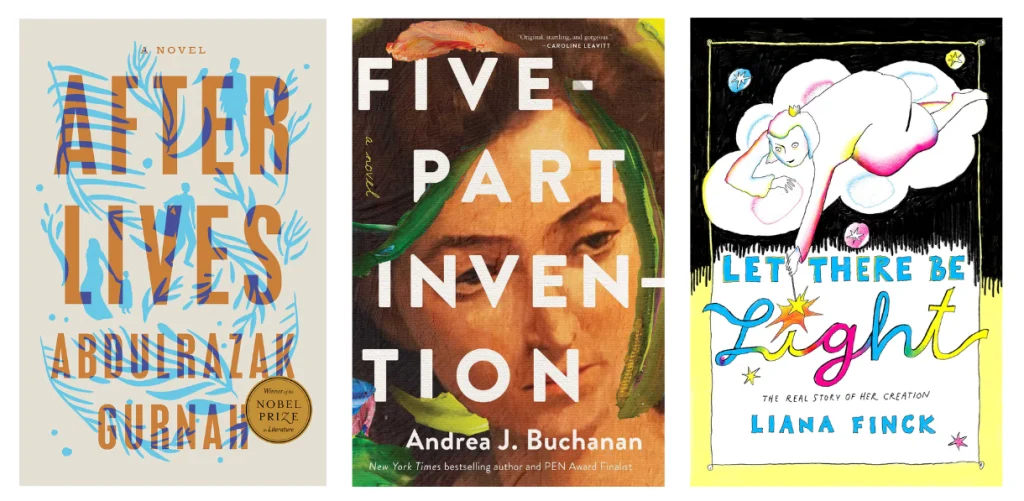
The literary selections of 2022 indicate a maturing reader base that is increasingly interested in the intersectionality of health, history, and social justice. The success of authors like Abdulrazak Gurnah, whose novel Afterlives received a North American paperback release in 2022 following his 2021 Nobel Prize in Literature, underscores a growing interest in post-colonial perspectives and the long-term effects of European imperialism on East African societies.
Furthermore, the integration of "critical thinking" into parenting and education emerged as a niche but influential sub-genre. Julie Bogart’s Raising Critical Thinkers addressed the challenges of raising children in a digital age characterized by algorithmic echo chambers. This reflects a broader societal concern regarding the long-term impact of social media on the cognitive development of younger generations.
From an industry perspective, the 2022 book list highlights the enduring power of the "expert-curator." As the volume of published content continues to grow—facilitated by both traditional houses and independent platforms—the role of curated recommendations from trusted literary figures and specialized journalists remains essential for navigating the market.
Chronology of Major 2022 Literary Milestones
- January – March: Early year releases focused on mental health and internal reflection, coinciding with seasonal trends in "wellness" publishing.
- April – June: The release of major narrative non-fiction titles, including River of the Gods and Indelible City, set the stage for summer reading lists focused on history and global politics.
- July – September: A surge in science-based titles, headlined by Ed Yong’s An Immense World, dominated the discourse on environmental and biological science.
- October – December: The holiday season saw the release of high-value gift sets, such as The Explorer’s Library by Atlas Obscura, and heavily marketed memoirs like The Myth of Normal, targeting the year-end "reflection" market.
In conclusion, the 2022 literary year served as a mirror to a society in transition. The prominence of books dealing with trauma, cultural identity, and the scientific nuances of the natural world suggests a collective effort to find meaning and structure in an increasingly complex global environment. As the publishing industry moves into the next cycle, the themes of resilience, historical reclamation, and sensory exploration are expected to remain central to the cultural zeitgeist.
