

The convergence of chronic medical trauma and a decade-long digital mystery has culminated in a significant recovery of personal history for Jodi Ettenberg, a former attorney turned travel writer and advocate. After fifteen years of mourning the loss of her early career archives due to a 2010 burglary in Brooklyn, New York, Ettenberg was recently contacted by a filmmaker who had preserved her data after discovering her stolen hard drives at a flea market. This restoration of her "digital identity" arrives as Ettenberg continues to navigate the complexities of a life-altering spinal cerebrospinal fluid (CSF) leak, a condition that has rendered her largely bedbound since 2017. Her journey serves as a profound case study in "living grief," the psychological phenomenon of mourning a version of oneself that is still physically present but functionally absent.
The Path to Disability: A Chronology of Trauma
Ettenberg’s medical history is a complex tapestry of early physical trauma and genetic predisposition. In the 1980s, a fall from a playground structure resulted in a fractured rib and long-term spinal sensitivity. While she spent her early adulthood as a high-functioning corporate lawyer and later a global traveler, this early injury likely laid the groundwork for future complications.
In 2008, Ettenberg transitioned from the legal profession to found "Legal Nomads," a platform dedicated to food and travel. Her career was marked by physical endurance, including mountain climbs in Indonesia, Oregon, and Newfoundland. However, her health took a catastrophic turn in August 2017. Following a lumbar puncture—a routine medical procedure—Ettenberg sustained a spinal CSF leak. This condition occurs when a hole or tear in the dura mater, the outermost layer of the meninges, allows the fluid that cushions the brain and spinal cord to escape.
The resulting intracranial hypotension causes debilitating "orthostatic headaches," which improve only when lying flat. For Ettenberg, this meant a sudden transition from global exploration to permanent disability. Despite a brief period of improvement following a blood patch procedure in 2018, the leak remained unfixable, leading to a long-term state of restricted mobility.
Understanding the Medical Context: Spinal CSF Leaks and Genetic Factors
Spinal CSF leaks are often underdiagnosed and can be profoundly disabling. According to the Spinal CSF Leak Foundation, the condition affects approximately 5 in 100,000 people annually. Patients often present with a "brain sag" effect, where the lack of fluid pressure causes the brain to sit lower in the skull, leading to neurological symptoms, cognitive "fog," and intense pain.
In Ettenberg’s case, the severity of her condition is compounded by underlying genetic issues, including Ehlers-Danlos Syndrome (EDS), a group of hereditary connective tissue disorders. EDS is characterized by joint hypermobility, skin hyperextensibility, and tissue fragility. In patients with EDS, the dura mater is often thinner and more prone to tearing, making them more susceptible to spontaneous leaks or complications from medical procedures like lumbar punctures. This intersection of genetic fragility and procedural trauma has created a medical stalemate, where standard interventions have failed to provide a permanent seal.

The Concept of Living Grief and Ambiguous Loss
A central theme in Ettenberg’s recent reflections is the distinction between bereavement—the grief associated with death—and "living grief." While society has established rituals for mourning the deceased, there are few social frameworks for mourning the loss of function or the "death" of a former identity due to chronic illness.
This experience aligns with the psychological theory of "Ambiguous Loss," a term coined by Dr. Pauline Boss in 1999. Ambiguous loss refers to situations where a person is physically present but psychologically or functionally absent (such as in dementia) or physically absent but psychologically present (such as a missing person). For the chronically ill, ambiguous loss manifests as grieving the parts of the self that are "gone" while the body remains.
Clinical analysis suggests that living grief is often more exhausting than bereavement because it lacks finality. The patient is constantly reminded of their limitations through daily tasks, medical appointments, and the "othering" that occurs in an able-bodied society. Ettenberg notes that while anger is accepted as a stage of bereavement, it is often viewed as "unresolved" or "inappropriate" in the chronically ill, who are frequently pressured to "stay positive" or "fight harder" despite physiological impossibilities.

The 2010 Burglary and the Flea Market Miracle
The recent recovery of Ettenberg’s memories traces back to a 2010 incident in Brooklyn, where a thief stole her laptop and all backup hard drives containing her law school graduation photos and the first two years of her world travels. At the time, cloud storage was not yet the industry standard, and the loss was considered total.
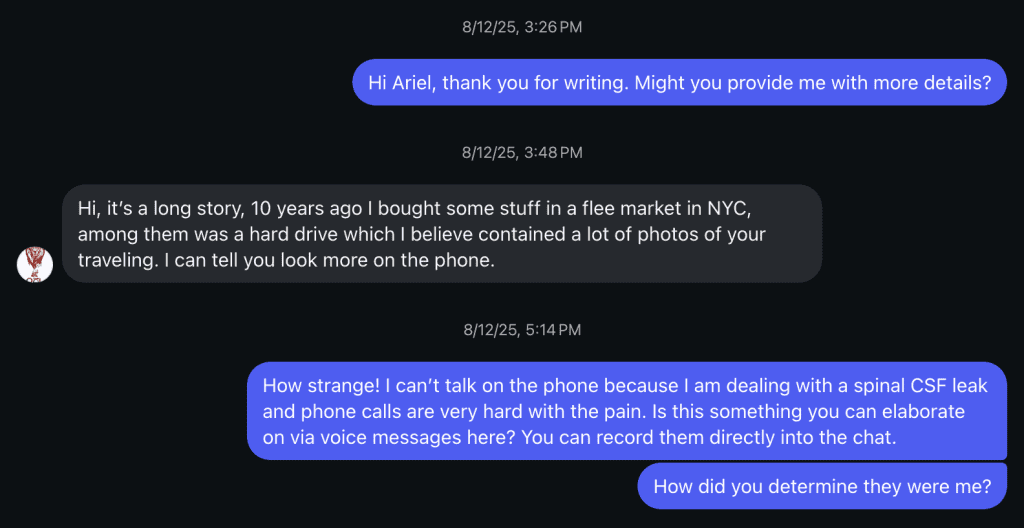
The recovery of this data began in late 2023 when a New York-based filmmaker, identified only as Ariel, contacted Ettenberg via social media. Ariel’s account reveals a rare instance of digital altruism:

- The Purchase: Over a decade ago, Ariel purchased several used external hard drives at a Brooklyn flea market.
- The Discovery: Upon attempting to reformat the drives, he discovered folders of personal photographs. Recognizing that the images did not belong to the seller, he chose to back them up to his own storage rather than deleting them.
- The Hiatus: Due to personal family losses and a busy career, Ariel stored the data for years, intending to eventually find the owner.
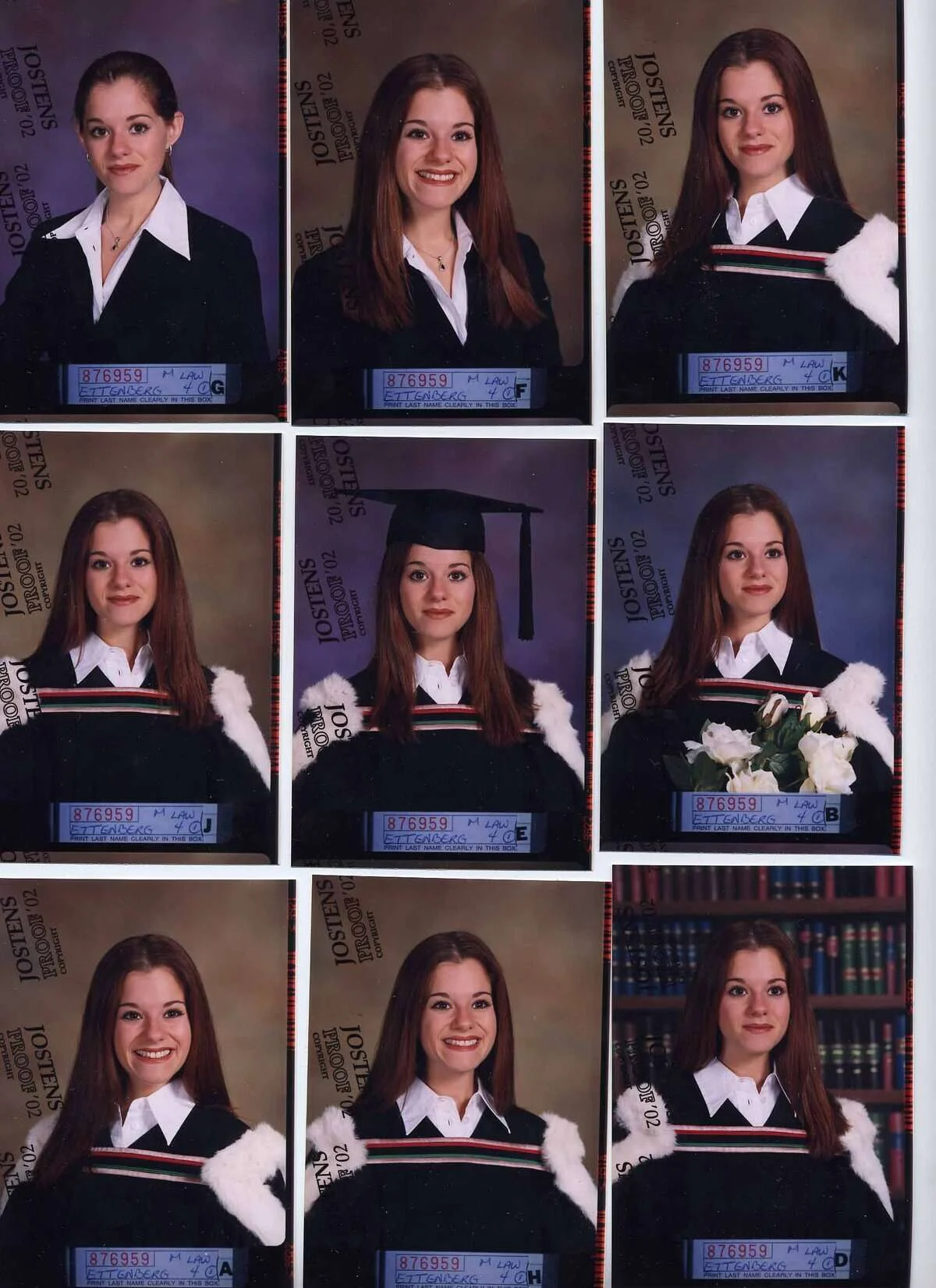
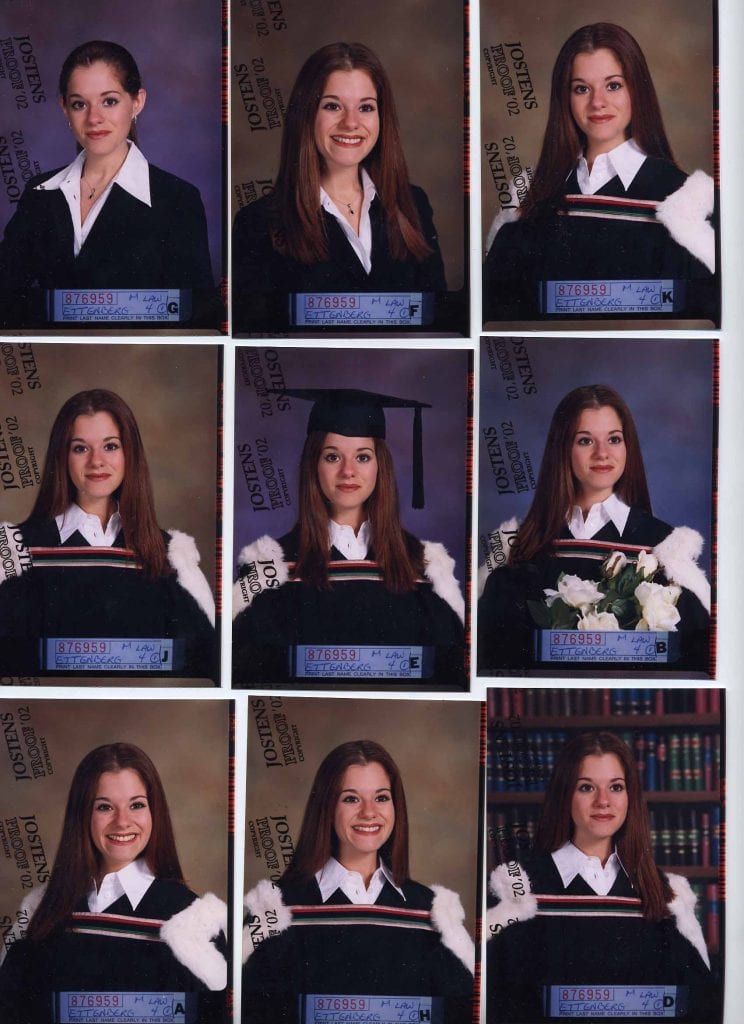
- The Reunion: In August 2023, Ariel revisited the files. Using law school graduation proofs that included Ettenberg’s surname, he performed a digital search and located her via her public profile.
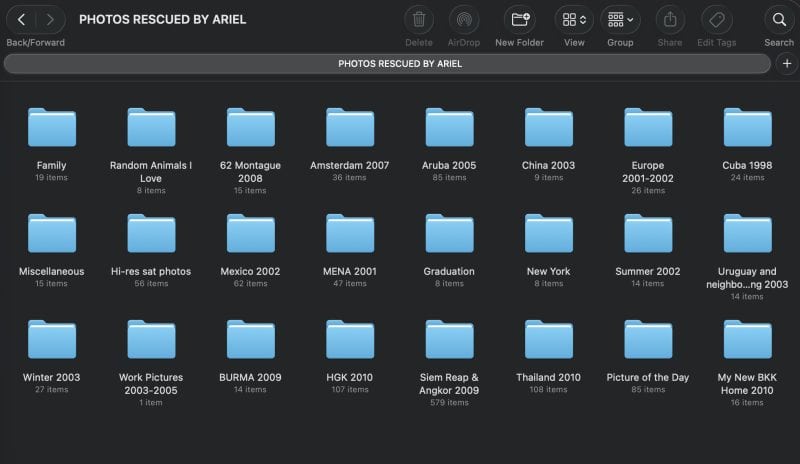
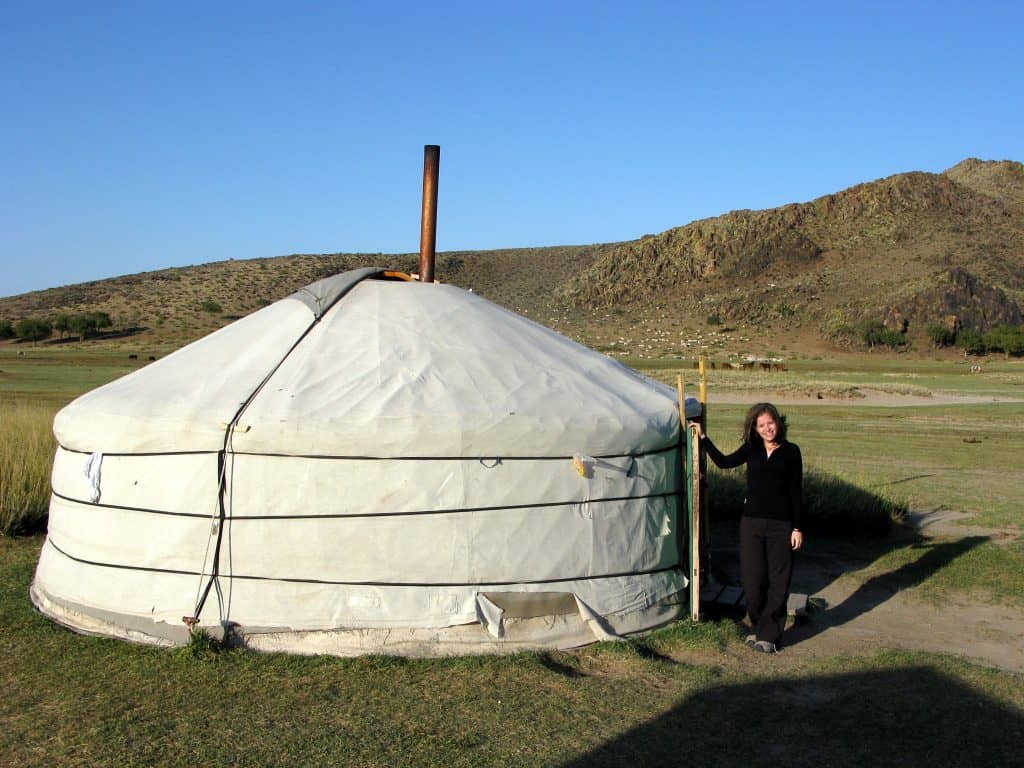
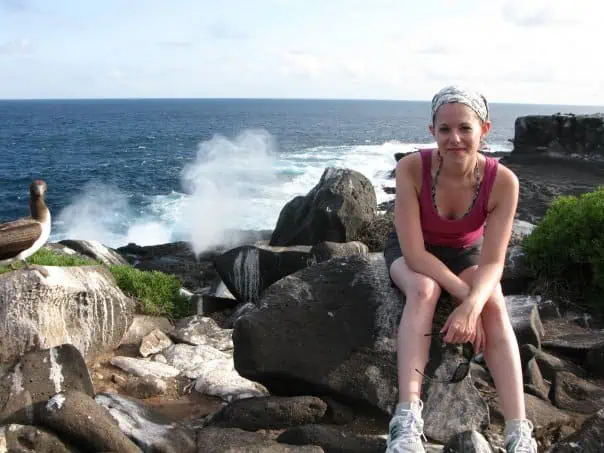
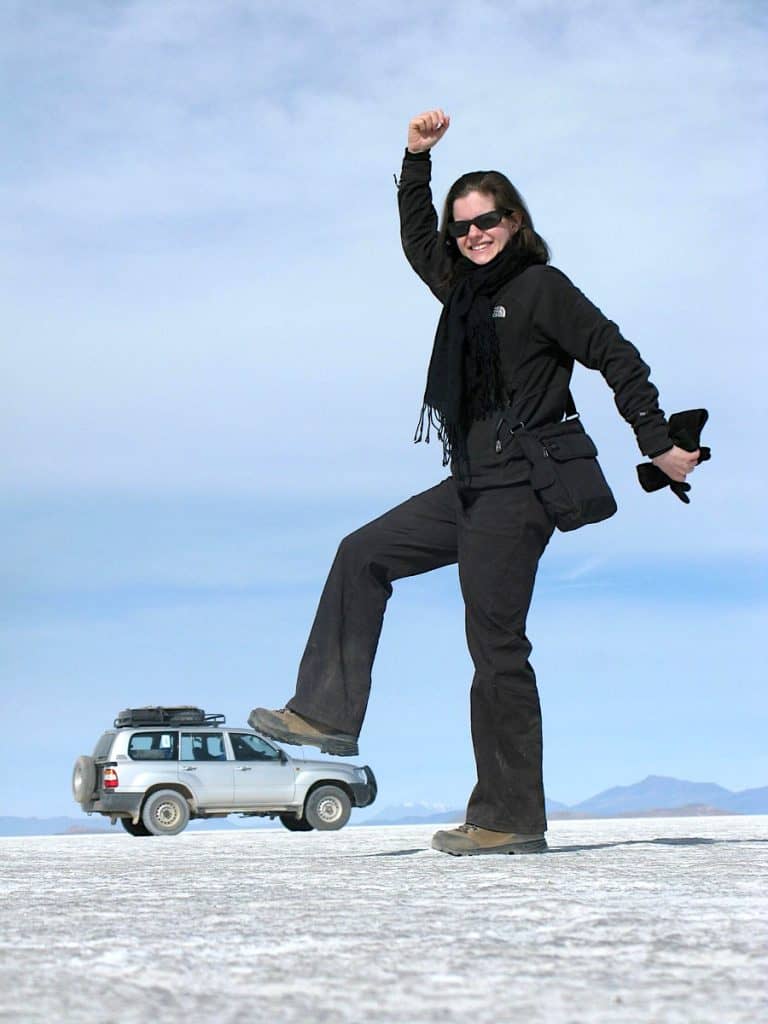
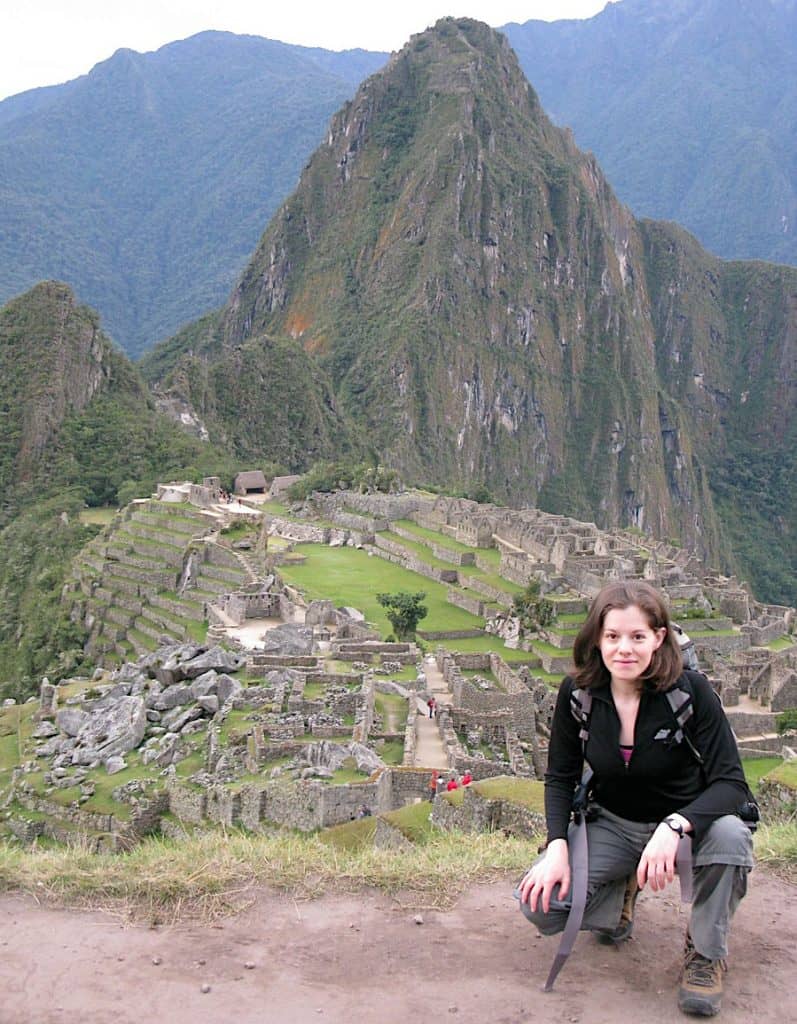
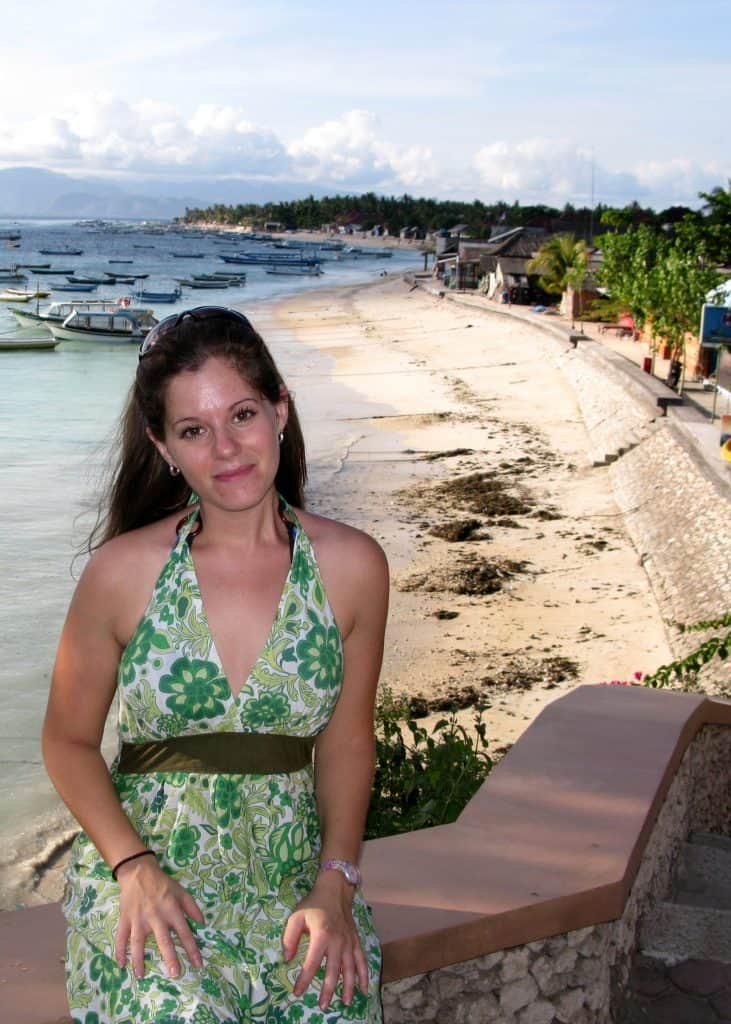
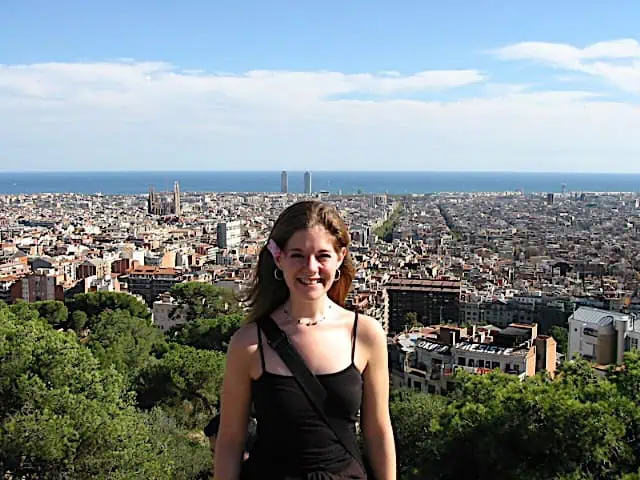
On Ettenberg’s birthday, she received a link to download the recovered files. The archives included thousands of photos from her 2008-2010 travels in Mongolia, the Galapagos, Ecuador, Bolivia, Peru, and Southeast Asia, as well as irreplaceable family photos of her stepmother, who had passed away earlier that year.
Societal Responses and the "Resilience Narrative"
The reaction to Ettenberg’s story highlights a disconnect in how the public perceives chronic disability. While the recovery of her photos was met with widespread celebration, it also brought renewed attention to the "resilience narrative" often forced upon patients.
In the journalistic and medical communities, there is a growing critique of the expectation that disabled individuals must "perform" recovery or maintain a trajectory of constant improvement. Ettenberg’s experience suggests that the most difficult aspect of long-term illness is the societal pressure to "will" oneself back to health. This discourse often veers into "patient blaming," where a lack of medical progress is attributed to a lack of effort rather than biological reality.
For Ettenberg, the recovery of her photos served as a bridge between her past life of extreme mobility and her current life of extreme restriction. It allowed for a rare moment where the "two birds" of her life—joy and grief—could be held simultaneously.

Broader Impact and Implications for the Disabled Community
The story of Jodi Ettenberg has broader implications for how the digital and medical worlds intersect with human identity.

- Digital Preservation: Her experience serves as a cautionary tale for the importance of redundant, off-site data storage. The transition from physical hardware to cloud-based systems has mitigated the risk of total data loss due to theft, a lesson Ettenberg implemented after 2010, which protected her later work.
- Medical Advocacy: By documenting her journey, Ettenberg has become a prominent voice for CSF leak awareness and the complexities of connective tissue disorders. Her work has contributed to a better understanding of the risks associated with spinal procedures in hypermobile patients.
- Social Reform: The narrative challenges the "ableist" structure of modern society, which measures human value through productivity. Ettenberg’s shift from travel blogging to disability advocacy illustrates that "living" continues even when "doing" is limited.
As she enters her 47th year, Ettenberg remains focused on advocacy and finding joy in "micro-moments," such as a walk on a good day or the company of family. The return of her 2010 archives does not fix her spinal leak, but it restores a piece of the identity that the leak attempted to erase. In a world that often demands quantifiable progress, her story stands as a testament to the value of persistence, the necessity of acknowledging grief, and the occasional, unexplainable magic of human kindness.
