

The Finnish "Long Drink," known domestically as Lonkero, has transitioned from a temporary logistical solution for the 1952 Summer Olympics into a permanent fixture of Finnish culture and a growing contender in the international spirits market. Characterized by a refreshing blend of gin and grapefruit soda, the beverage has become so ubiquitous in its home country that it is frequently found on draft in establishments ranging from high-end restaurants to traditional public saunas. As the global demand for ready-to-drink (RTD) cocktails continues to surge, the historical and commercial trajectory of the Long Drink provides a unique case study in how a regional specialty can cultivate a dedicated international following through a combination of nostalgic appeal and a distinct flavor profile.
The Historical Origins: The 1952 Helsinki Summer Olympics
The genesis of the Finnish Long Drink is inextricably linked to the 1952 Summer Olympics held in Helsinki. At the time, Finland was still navigating the post-war era and faced significant logistical challenges in hosting a major international event. The Finnish state alcohol monopoly, Alko, recognized that the influx of foreign tourists would overwhelm the capacity of local bartenders to serve individual cocktails. To mitigate this, Alko commissioned the beverage company Hartwall to produce a pre-mixed, bottled drink that could be served quickly and efficiently.
The 1952 Games are also noted in historical records for a significant shift in Olympic tradition. It was the first Summer Olympics since 1912 where medals were not awarded for art competitions. This change ended a period where artists, such as the Finnish poet Aale Tynni—who won gold in literature in 1948 for her work Laurel of Hellas—could compete for Olympic honors. While the art competitions vanished, the Hartwall Long Drink remained, surviving far beyond the closing ceremonies of the Games. Originally intended as a temporary product, the drink’s popularity among both locals and visitors ensured its continued production.
Chronology and Market Resurgence
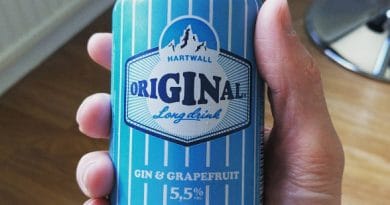
Following its debut in 1952, the Long Drink enjoyed decades of success before facing a brief period of discontinuation in the 1970s. However, consumer demand, fueled by a sense of national nostalgia and the unique taste of the gin-grapefruit combination, prompted Hartwall to reintroduce the original recipe. The return of the "Original Long Drink" solidified its status as a staple of the Finnish beverage industry.
A significant turning point for the category occurred in 1995 when Finland joined the European Union. This political shift led to the liberalization of the alcohol market, ending the strict monopoly on production and allowing other breweries to develop their own versions of Lonkero. This era saw the introduction of fermented versions of the drink, which utilize a malt or wine base rather than distilled gin to comply with different tax and distribution laws. Despite these variations, the gin-based "Original" remains the benchmark for the category.
Technical Composition and Sensory Profile
The traditional Finnish Long Drink typically maintains an alcohol by volume (ABV) of between 5% and 8%. The flavor profile is defined by a balance of tartness, carbonation, and the botanical notes of gin. Unlike many modern RTD cocktails that rely heavily on sugar, the authentic Finnish preparation emphasizes the acidic and slightly bitter qualities of white grapefruit.
Industry evaluations of the leading brands highlight the nuances between different production methods:
- Hartwall Original Long Drink: This version is noted for a prominent nose of white grapefruit flesh. On the palate, it is less sweet than many international competitors, featuring acidic grapefruit notes that transition into a mid-palate dominated by juniper and citrus depth. The finish is described as crisp and gently dry, mimicking the refreshment of a traditional Gin and Tonic without the characteristic bitterness of quinine.
- Laitilan Gini Long Drink: A prominent competitor in the Finnish market, Laitilan’s version offers a different sensory experience. It features notes of ruby red grapefruit and a scent profile often compared to American grapefruit sodas like Squirt. While it maintains a strong fruit presence, critics have noted that the juniper notes of the gin are often less pronounced than in the Hartwall original, resulting in a fruit-forward beverage where the spirit serves as a subtle background.
International Expansion and Global Distribution
For much of the late 20th century, Lonkero remained a "scrapbook memory" for visitors to Finland, largely unavailable outside of the Nordic region. However, the last decade has seen an aggressive push toward internationalization. In 2015, Hartwall initiated a strategic expansion into Western Europe, signing distribution agreements to place the product on shelves in the Netherlands, Sweden, and Belgium.
The expansion continued in 2016 as the brand targeted Asian markets, specifically Japan, where the preference for highball-style drinks and citrus flavors aligned with the Long Drink’s profile. In the United Kingdom, the beverage has developed a "cult" status, often cited as a unique selling point for boutique bars. In Brighton, for instance, the presence of Finnish Long Drink on a menu is frequently highlighted by patrons as a mark of a "quirky" and authentic establishment.
As of 2024, the North American market represents the next major frontier for the category. While several "Finnish-style" long drinks have been launched by American entrepreneurs, the arrival of the original Finnish brands remains a point of high anticipation for enthusiasts of the category.
The DIY Culture: Replicating the Lonkero Experience
In regions where the authentic bottled product remains unavailable, a burgeoning "Do-It-Yourself" (DIY) culture has emerged among mixologists and fans of Finnish culture. Replicating the specific flavor of the Finnish Long Drink at home is a complex task, as it relies on a specific type of grapefruit carbonation that is rare in many markets.
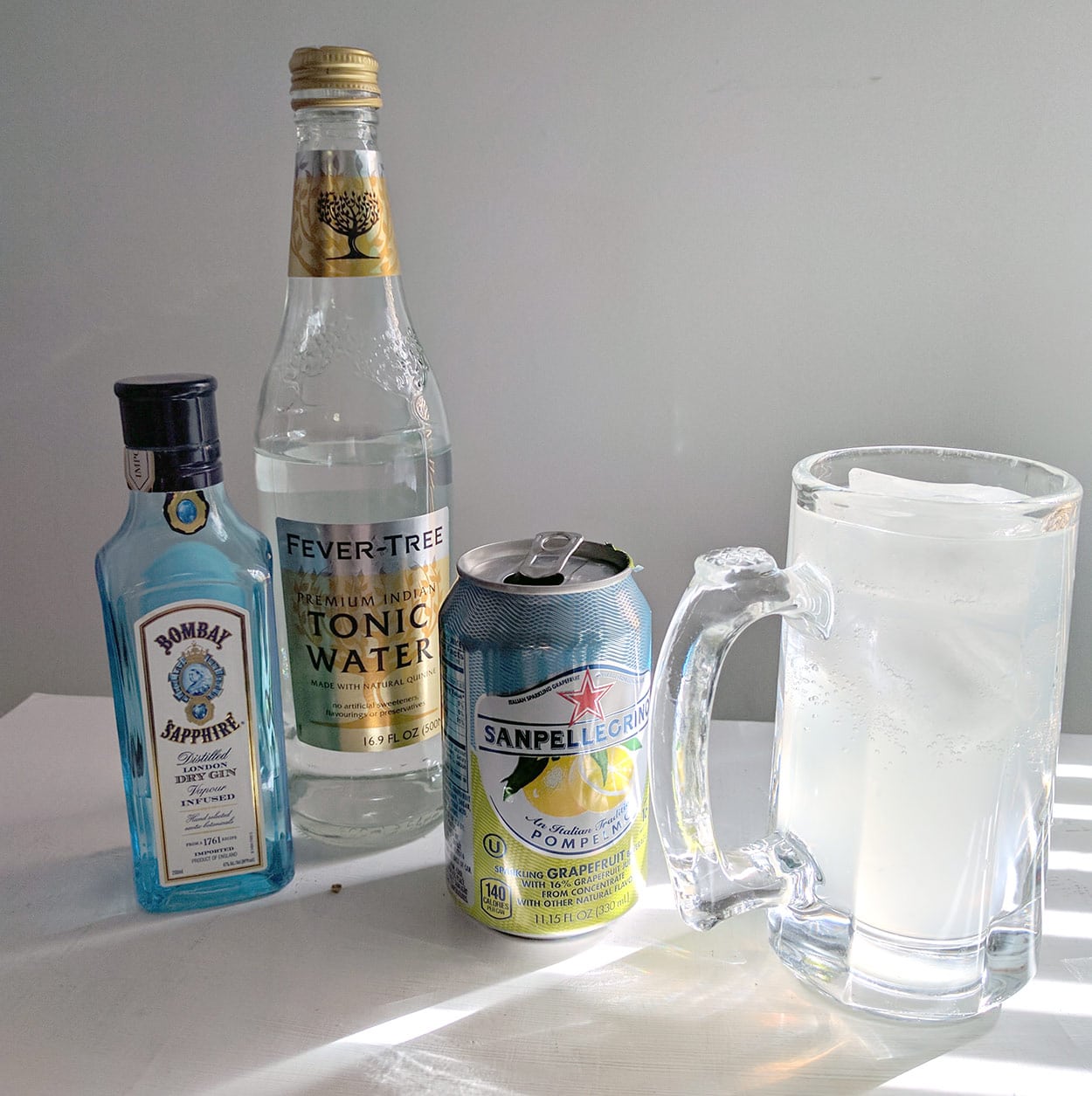
Experimental data from home-blending trials suggests several approaches to mimicking the Hartwall profile:
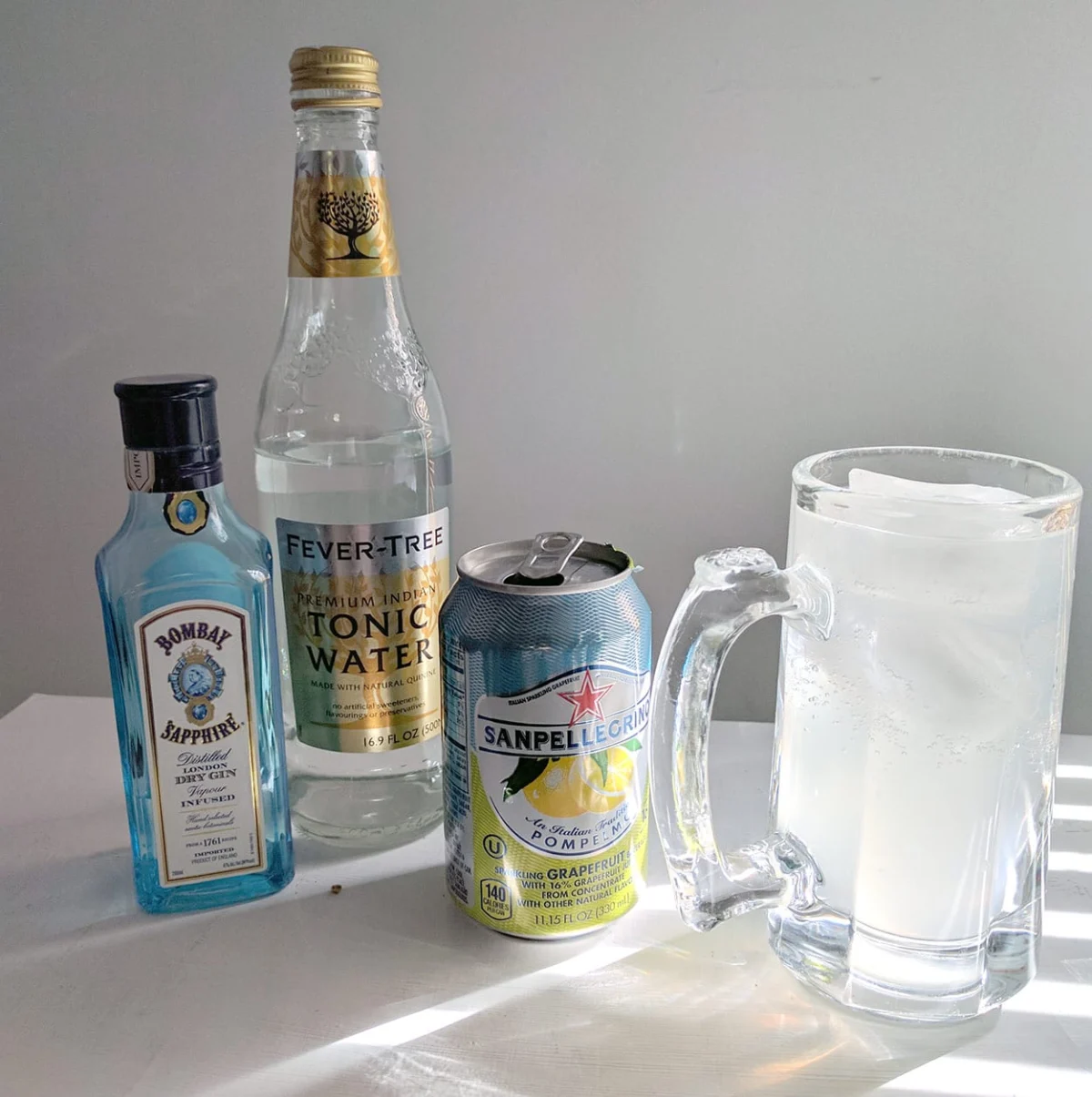
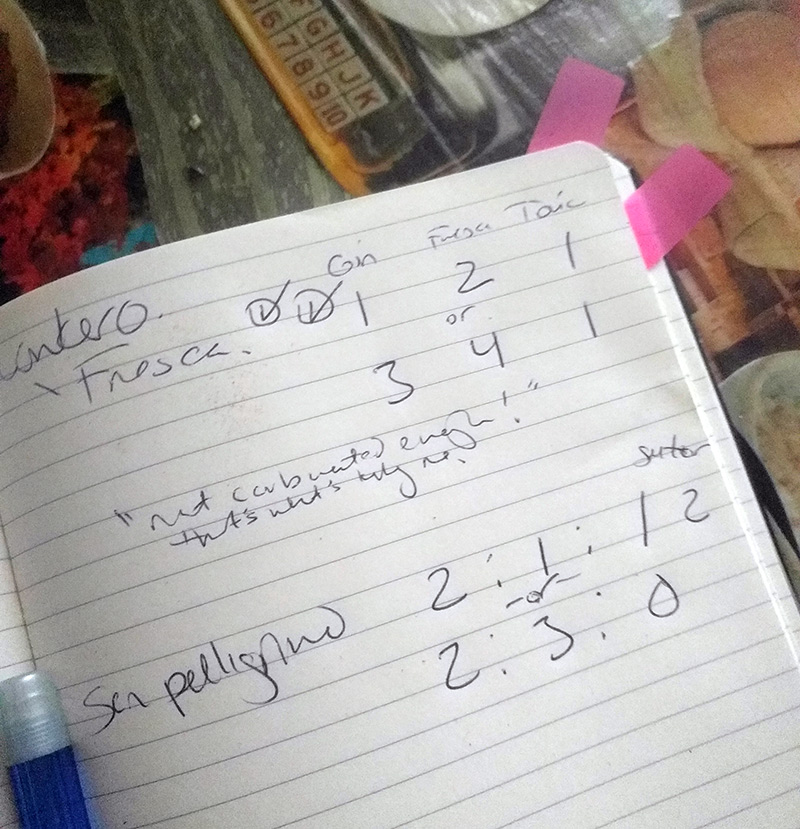
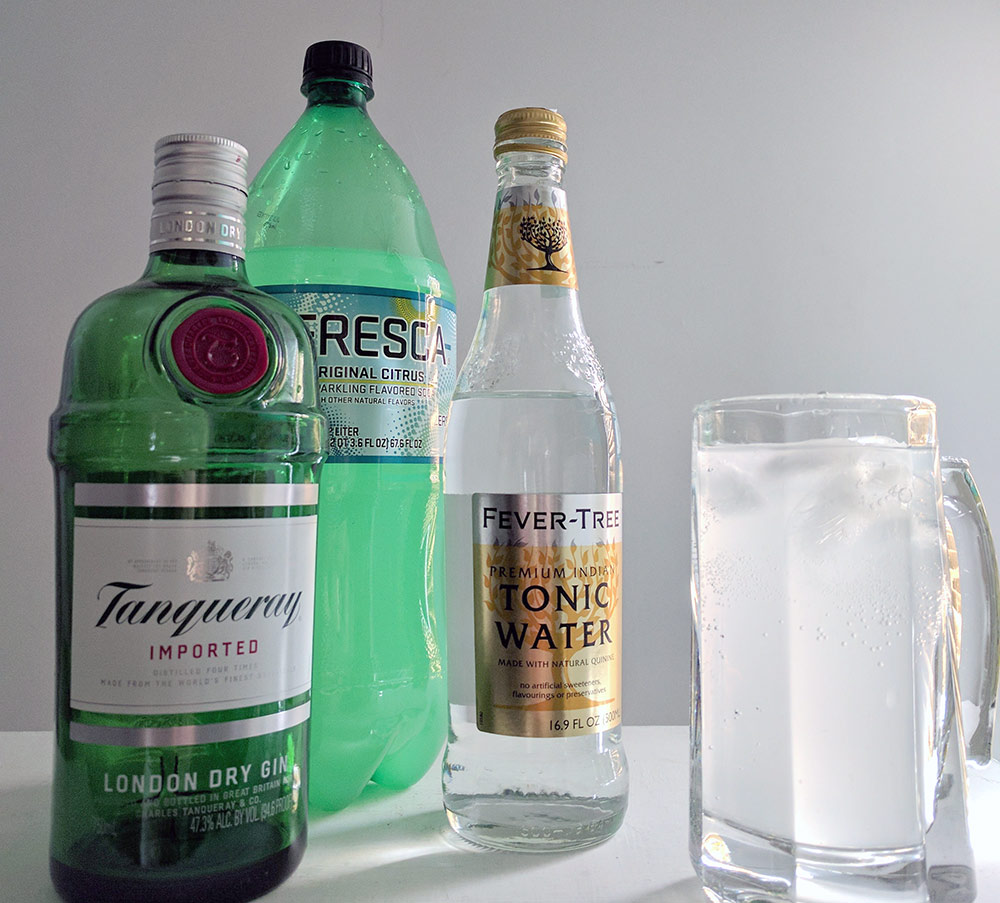
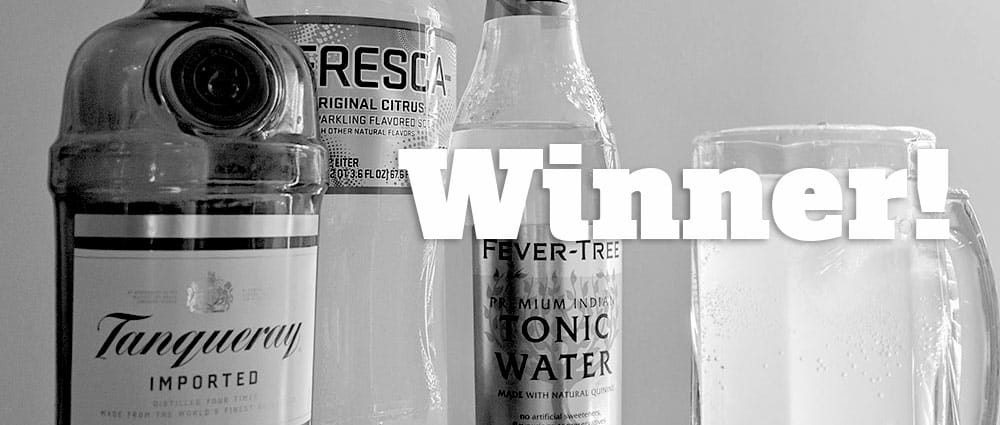
- The Fresca Method: Market observers have found that Coca-Cola’s Fresca, a citrus-flavored soda, provides the closest approximation to the canned Finnish product. When combined with a London Dry gin (such as Tanqueray) and a splash of tonic water to add dryness, the result is a beverage that closely mirrors the acidity and mouthfeel of the original Lonkero.
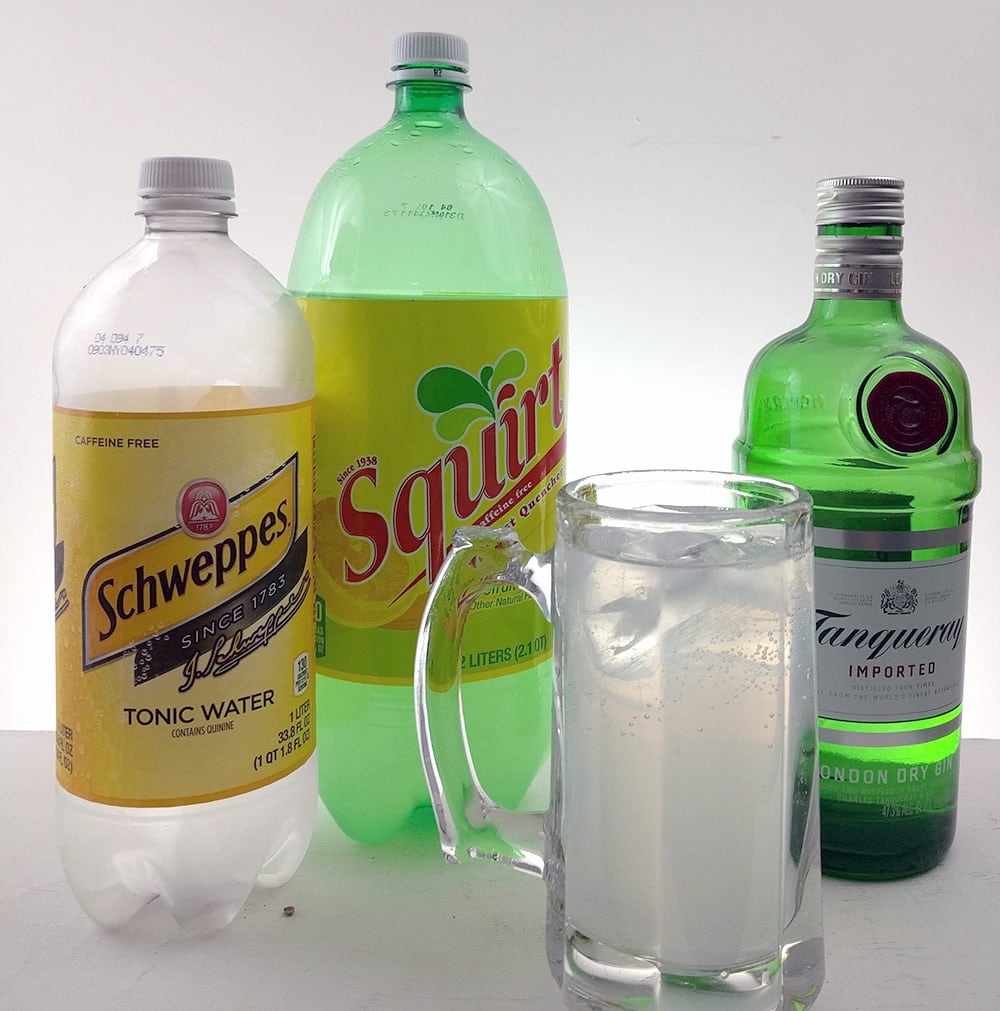
- The Squirt Variation: Utilizing Squirt (a PepsiCo product) results in a significantly sweeter beverage. While popular among those who prefer a dessert-like cocktail, it lacks the crisp, dry finish that defines the Finnish tradition.
- Fresh Ingredient Limitations: Surprisingly, trials using fresh-squeezed white grapefruit juice often fail to replicate the "Long Drink" experience. The processed, carbonated grapefruit soda used in commercial Lonkero possesses a specific chemical and textural profile that fresh juice cannot easily replace. A dash of lemon juice and simple syrup can bring fresh grapefruit closer to the target, but it often lacks the specific "odd, nearly unreplicable note" of the Finnish soda base.
Broader Industry Implications and Future Outlook
The rise of the Finnish Long Drink coincides with a massive shift in the global alcohol industry toward the Ready-to-Drink (RTD) sector. According to market research, the RTD category has seen double-digit growth globally as consumers seek convenience without sacrificing quality. Lonkero is uniquely positioned within this trend because it possesses a genuine historical pedigree, distinguishing it from "malternatives" and more recent seltzer-based products.
Furthermore, the Long Drink serves as a significant export for Finnish soft power. Much like Tequila is synonymous with Mexico or Champagne with France, Lonkero is becoming a liquid ambassador for Finnish design and efficiency. The "Blue and White" branding of the Hartwall cans is an iconic piece of Finnish industrial design, reflecting the colors of the national flag.
As the beverage continues to move into new territories, the industry faces the challenge of protecting the "Long Drink" name. In Finland, the term refers specifically to the gin-and-grapefruit combination, but as international brands adopt the name for various canned cocktails, there is potential for brand dilution. Nevertheless, the momentum of the Finnish Long Drink suggests that the "spirit of 1952" will continue to influence global drinking habits for the foreseeable future. For now, whether through official imports or creative home recipes involving grapefruit soda and gin, the legacy of the Helsinki Olympics lives on in a glass.
