

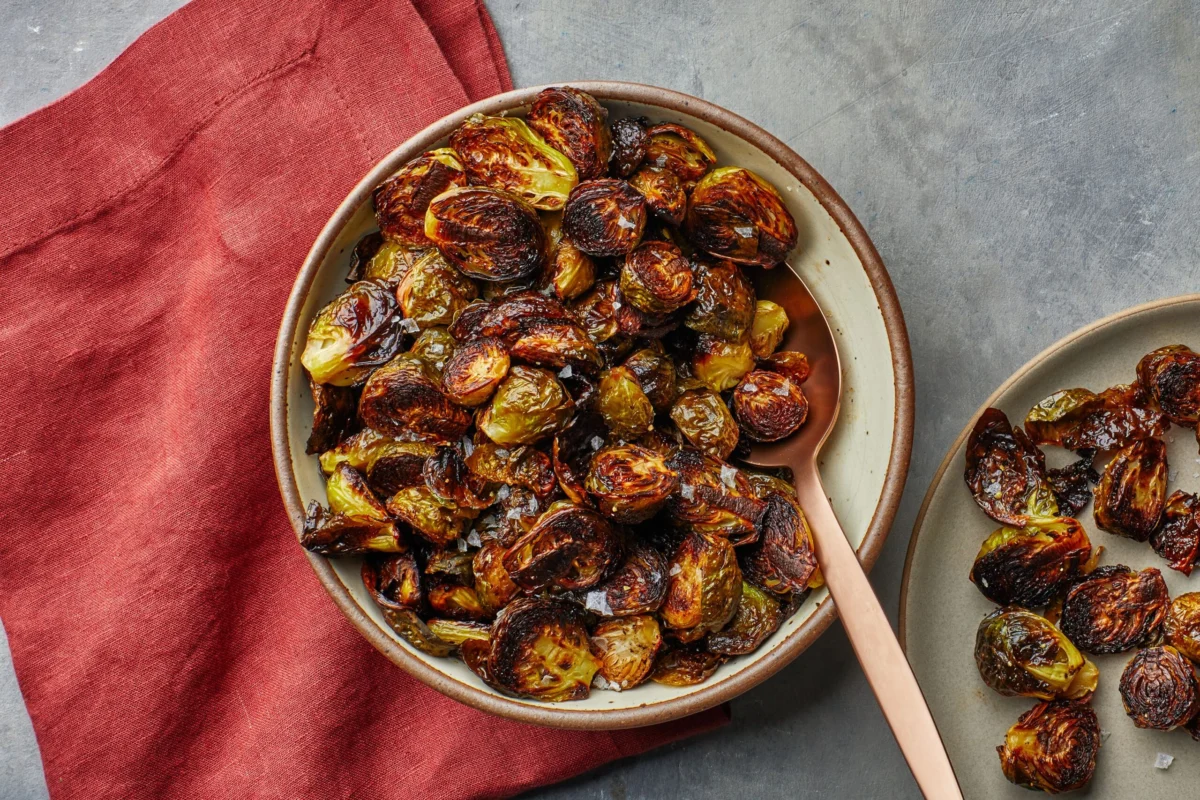
Crispy, caramelized edges and tender centers are the hallmarks of perfectly roasted Brussels sprouts—a culinary achievement that transforms this often-misunderstood vegetable into a highly sought-after dish. This simple yet profound technique, relying primarily on a hot oven, olive oil, salt, and pepper, elevates the humble Brussels sprout from a side dish often dreaded to one eagerly anticipated, suitable for both everyday weeknight dinners and grand festive occasions like the Thanksgiving table. The scientific principles behind this transformation, coupled with centuries of cultivation and recent culinary innovation, underscore its appeal.
The Science of Sizzle: Achieving Optimal Crispness and Flavor
The fundamental secret to exceptional roasted Brussels sprouts lies in understanding and harnessing the Maillard reaction. This complex chemical process, named after French chemist Louis-Camille Maillard, occurs when amino acids and reducing sugars in food react under high heat, typically above 300°F (150°C). It is responsible for the browning, crisping, and development of hundreds of new flavor compounds that define the savory depth and appealing aroma of roasted foods.
For Brussels sprouts, a high oven temperature of 450°F (232°C) is critical. This intense heat rapidly evaporates surface moisture from the sprouts, allowing the Maillard reaction to commence efficiently. Spreading the sprouts in a single layer on a rimmed baking sheet is equally vital. Overcrowding inhibits air circulation, trapping moisture and causing the sprouts to steam rather than roast. When sprouts steam, they become soft and waterlogged, failing to develop the desired crisp texture and complex caramelized flavors. Culinary experts often recommend using two baking sheets if necessary to ensure ample space for each sprout to brown independently. The use of a rimmed baking sheet also helps contain the sprouts and the olive oil, which acts as a heat conductor and flavor enhancer.
Preparation and Execution: A Step-by-Step Culinary Guide
The journey to perfectly roasted Brussels sprouts begins with proper preparation. First, the sprouts should be trimmed, removing any discolored outer leaves and slicing a small portion off the stem end. The key next step is halving each sprout. For particularly large specimens, quartering them ensures more uniform cooking and maximizes the surface area exposed to the hot pan and oven air, thus promoting greater browning and crispness. This increased surface area is paramount for the Maillard reaction to occur across more of the vegetable.
Once prepped, the sprouts are tossed with a generous amount of olive oil, which not only facilitates heat transfer but also adds a fruity, peppery note. High-quality extra virgin olive oil is often preferred for its flavor profile. Salt and freshly ground black pepper are the foundational seasonings, enhancing the sprouts’ natural taste. Some chefs also advocate for a sprinkle of garlic powder or onion powder at this stage to build a deeper savory base.
The seasoned sprouts are then spread in that crucial single layer on a baking sheet. As they cook, occasional tossing—typically halfway through the cooking process—is recommended. This ensures even exposure to the oven’s heat, allowing all sides to develop that coveted deep golden-brown color and crisp texture. The outer leaves, in particular, will become wonderfully delicate and brittle.
Timing and Doneness: A Fine Balance
At 450°F (232°C), Brussels sprouts typically require 15 to 25 minutes to roast, though this can vary based on the size of the sprouts and the specific calibration of the oven. Convection ovens, which circulate hot air, may cook them more quickly. It is advisable to begin checking for doneness around the 15-minute mark. The visual cues are key: the sprouts should exhibit deeply browned, crispy edges and a rich, golden hue on their cut sides. A fork inserted into the center should meet little resistance, indicating a tender, yielding interior that contrasts beautifully with the crisp exterior. Removing them from the oven promptly once these criteria are met prevents them from becoming overly soft or burnt.
Historical Context and Nutritional Powerhouse
The Brussels sprout (Brassica oleracea var. gemmifera) boasts a rich history, believed to have originated in Brussels, Belgium, as early as the 13th century, hence its distinctive name. Its cultivation became widespread in the southern Netherlands by the 16th century and slowly spread across Europe. For centuries, Brussels sprouts often suffered from a poor culinary reputation, largely due to improper cooking methods. Traditionally, they were frequently boiled or steamed excessively, resulting in a mushy texture and an intensified bitter flavor—a characteristic stemming from glucosinolates, sulfur-containing compounds naturally present in cruciferous vegetables.
However, modern culinary techniques, particularly high-heat roasting, have revolutionized their standing. The Maillard reaction and caramelization process mitigate the bitterness, transforming it into a more palatable, earthy sweetness. This rehabilitation has coincided with a broader societal shift towards appreciating nutrient-dense vegetables.
From a nutritional standpoint, Brussels sprouts are a powerhouse. They are an excellent source of Vitamin C, a crucial antioxidant for immune function and skin health, and Vitamin K, essential for blood clotting and bone health. They also provide significant amounts of dietary fiber, promoting digestive health and satiety. Furthermore, Brussels sprouts are rich in various antioxidants and the aforementioned glucosinolates, which have been extensively studied for their potential anti-cancer properties. They are low in calories yet packed with essential vitamins and minerals, making them an ideal component of a healthy diet. This nutritional profile has contributed significantly to their resurgence in popularity among health-conscious consumers and culinary professionals alike.
Culinary Versatility: Beyond the Basic
While a simple preparation of olive oil, salt, and pepper yields superb results, roasted Brussels sprouts are remarkably versatile, lending themselves to a wide array of flavor enhancements. Serving them straight from the oven is always ideal for maximum crispness, but a few simple additions can elevate the dish further:
- Acidity: A squeeze of fresh lemon juice or a drizzle of balsamic vinegar (or a balsamic glaze) brightens the flavors, cutting through the richness and adding a tangy counterpoint to the sprouts’ earthy sweetness.
- Umami and Savory Notes: A shower of grated Parmesan cheese immediately after roasting adds a salty, nutty, umami depth. Nutritional yeast can offer a similar savory profile for dairy-free diets.
- Sweetness: A light drizzle of maple syrup or honey during the last few minutes of roasting, or even after, can enhance the natural sweetness developed through caramelization. Pairing them with diced apples or dried cranberries also introduces a pleasant sweetness and textural contrast.
- Spices and Herbs: Beyond salt and pepper, consider additions like smoked paprika for a smoky depth, chili flakes for a gentle heat, or fresh herbs like thyme or rosemary tossed in during the last phase of cooking.
- Richness: For an indulgent twist, roasting the sprouts with bacon fat or a knob of butter can impart a rich, savory flavor. Crispy bacon bits or pancetta are also popular additions, cooked separately and tossed with the sprouts post-roasting.
This extensive versatility allows chefs and home cooks to integrate roasted Brussels sprouts into diverse culinary traditions and meal plans, solidifying their status as a modern culinary darling.
Agricultural and Economic Implications
The increased demand for Brussels sprouts has had a tangible impact on agricultural practices and market trends. Major growing regions, such as California in the United States and parts of Europe, have seen consistent production to meet consumer interest. Brussels sprouts are typically a cool-weather crop, with peak season often extending from late summer through winter, making them a staple for autumn and holiday menus. This seasonality aligns perfectly with their traditional presence on Thanksgiving and Christmas tables. The market has responded with a greater variety of fresh, pre-cut, and even frozen Brussels sprout products, reflecting their elevated status.
Preparing Ahead and Reheating Considerations
While roasted Brussels sprouts are undeniably at their peak when served hot and fresh from the oven, with their edges crispiest, some preparation can be done in advance. To get a head start, trimming and halving the sprouts can be completed up to a day ahead of time. The prepped sprouts should be stored in an airtight container in the refrigerator. This minimizes last-minute effort, making the actual roasting process quicker and more convenient.
Reheating leftovers, however, requires careful management of expectations. The crispness of the edges, a hallmark of their fresh appeal, diminishes as the sprouts cool and moisture redistributes within the vegetable. While they can still be enjoyed, they won’t replicate the initial texture. The best method for reheating is in a 350°F (175°C) oven until warmed through, often taking about 10-15 minutes. Microwaving is generally discouraged as it tends to further soften the sprouts and can lead to an undesirable texture.
In conclusion, the journey of the Brussels sprout from a frequently reviled vegetable to a celebrated culinary staple is a testament to the power of proper cooking techniques and a deeper understanding of food science. By embracing high-heat roasting and ensuring adequate space for the Maillard reaction to flourish, anyone can transform this nutrient-rich, versatile vegetable into a dish worthy of any table, confirming its place as a contemporary culinary icon.
