

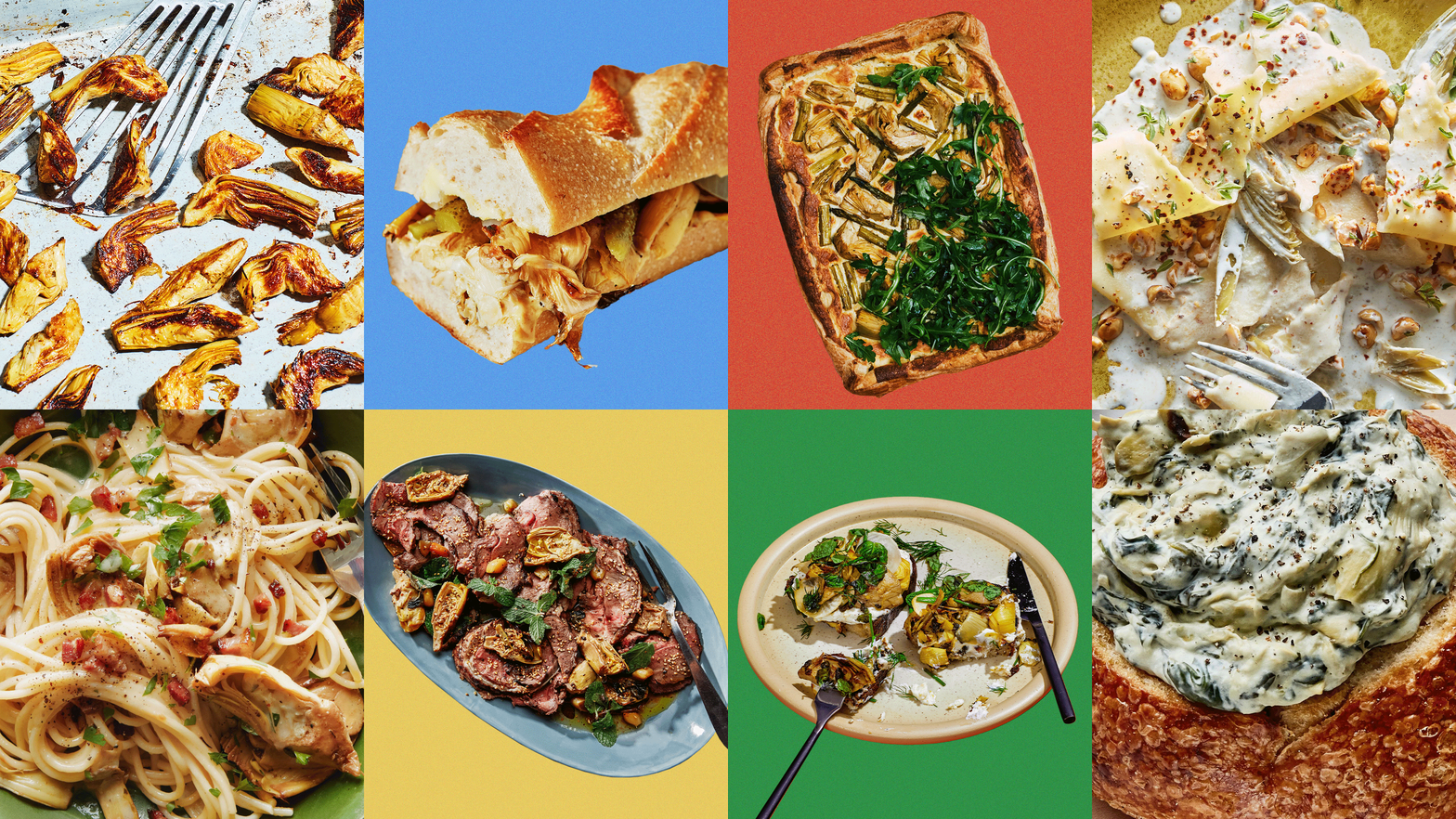
The esteemed culinary publication Bon Appétit has once again turned the spotlight on a seemingly humble pantry staple, the marinated artichoke, as a cornerstone ingredient for quick, flavorful, and versatile meals. Featured in their popular "Well Stocked" series, which aims to provide accessible recipe ideas for busy individuals, the marinated artichoke is presented not merely as an ingredient but as a strategic culinary shortcut that aligns with contemporary demands for efficiency without compromising taste or nutritional value. This focus underscores a broader trend in the food industry: the increasing reliance on high-quality preserved ingredients to facilitate gourmet-level cooking within the constraints of modern lifestyles.
The Artichoke: A Culinary Enigma Transformed
The artichoke (Cynara cardunculus var. scolymus), a member of the thistle family, has a rich history spanning millennia, with its origins tracing back to the Mediterranean region. Valued by ancient Romans and Greeks for its culinary and medicinal properties, the fresh artichoke has always been regarded as a delicacy, celebrated for its unique, subtly sweet, and nutty flavor profile. However, its preparation in its raw form is famously laborious. A fresh artichoke, with its formidable, scale-like leaves and a fibrous, spiky "choke" at its heart, demands significant trimming, paring, and cooking before it yields its tender, edible core. This intensive preparation often deters home cooks, making it a less frequent visitor to everyday kitchens despite its appealing taste.
It is precisely this barrier to entry that elevates the status of the marinated artichoke heart. Available in jars or cans, these pre-cooked, trimmed, and preserved artichoke hearts offer all the desirable flavor and texture without the associated effort. Typically packed in oil, vinegar, and a blend of herbs and spices, marinated artichokes boast a tangy acidity and a satisfyingly meaty consistency that makes them genuinely ready-to-eat and incredibly adaptable. This convenience factor is a critical driver in their growing popularity, transforming a challenging raw vegetable into an instant culinary asset.
Addressing the Modern Culinary Landscape: The "Well Stocked" Initiative

Bon Appétit‘s "Well Stocked" series directly responds to a significant shift in consumer behavior. With increasingly demanding schedules, individuals often seek meal solutions that are both time-efficient and satisfying. The series aims to bridge the gap between aspirational cooking and the practical realities of daily life by championing pantry and refrigerator staples that can be quickly transformed into delicious dishes. The current spotlight on marinated artichokes exemplifies this philosophy, offering a clear pathway for home cooks to inject gourmet flavors into their meals with minimal fuss.
Food industry analysts confirm this trend. Data from market research firms indicate a steady increase in the consumption of convenience foods, including high-quality preserved vegetables. A 2023 report by a leading food market analysis group revealed that the global market for canned and jarred vegetables is projected to grow by approximately 4-5% annually over the next five years, driven by factors such as urbanization, busier lifestyles, and a greater emphasis on reducing food waste. Marinated artichokes, with their extended shelf life and instant usability, fit perfectly within this growth trajectory.
Expert Endorsements: Five Versatile Applications
The Bon Appétit editorial team, comprising seasoned culinary professionals, provides compelling examples of how marinated artichokes can be effortlessly integrated into diverse meal preparations. These applications demonstrate the ingredient’s versatility, ranging from quick weeknight dinners to elegant appetizers, each requiring minimal preparation time.
-
The Halfway-Homemade Galette: Rebecca Firkser, a Test Kitchen editor, champions the galette as a personal specialty, noting that marinated artichokes are an ideal addition. While a full recipe might involve a cream cheese filling, asparagus, and an arugula topping, Firkser emphasizes a more adaptable approach. By combining marinated artichokes with any available vegetables, a few spoonfuls of their marinade, and perhaps some grated Parmesan, all nestled within a store-bought puff pastry crust, a sophisticated yet simple dish emerges. This method highlights the ingredient’s ability to elevate a semi-homemade creation, transforming basic components into a visually appealing and flavorful meal or appetizer with minimal effort, typically under 30 minutes of active preparation. This approach resonates with consumers seeking "hacks" to create impressive dishes without extensive culinary skills or time.
-
Briny Potato Salad: Deputy Food Editor Hana Asbrink advocates for the inclusion of marinated artichokes in potato salad, particularly those with a vinaigrette-heavy French or German style. Her key insight lies in adding chopped marinated artichokes and their brine to just-cooked, still-warm potatoes. The warm potatoes eagerly absorb the tangy, savory liquid, infusing the entire salad with a complex flavor profile. Asbrink further suggests that grilled marinated artichokes, like those readily available from specialty retailers, can add an extra layer of smoky depth. This application demonstrates the ingredient’s capacity to contribute both texture and a potent flavor enhancer, leveraging the marinade itself as a dressing component, thereby reducing the need for additional ingredients and preparation steps.

-
Easy-Does-It Pantry Pasta: Emma Laperruque, the Cooking Director, shares her go-to "antipasto pantry pasta" as a reliable solution for urgent meal needs. This dish involves raiding the cupboard for an assortment of salty, savory, and oily staples: olives, capers, roasted peppers, sun-dried tomatoes, chickpeas, and, crucially, marinated artichokes. These ingredients are simply mixed in a bowl while the pasta boils, with optional fresh mozzarella for added richness. The entire process takes approximately 15 minutes, yielding a hearty and satisfying meal. This strategy underscores the economic benefits of keeping a well-stocked pantry, as it enables rapid meal assembly, reduces impulsive takeout orders, and minimizes food waste by utilizing readily available items.
-
Sheet-Pan Salmon: Joe Sevier, Senior Editor for SEO & Cooking, presents a "fanciest 20-minute dinner" featuring sheet-pan fish fillets alongside "burnished artichoke hearts." His method involves brushing fish (such as salmon or a flaky white fish) with some of the artichoke marinade before baking. The drained artichokes are placed directly on the same sheet pan, roasting alongside the fish for approximately 15 minutes. The remaining marinade is reserved for a finishing drizzle. This technique not only streamlines cooking by using a single pan but also infuses the fish with the artichoke’s bright, herbaceous flavors. Sevier also notes the versatility of these crispy, roasted artichokes, suggesting their use in vegetarian Italian-style deli sandwiches, highlighting their appeal beyond the initial dish. This method speaks to the growing popularity of sheet-pan meals, celebrated for their minimal cleanup and efficient cooking.
-
Ricotta Toast: Associate Editor Nina Moskowitz draws on her bakery background to advocate for ricotta toast, enhanced with sizzled artichokes and capers. Her approach involves whipping ricotta until smooth, then piling it onto pan-fried toast. The artichokes and capers are briefly sizzled, intensifying their flavors before being added as a topping. Crucially, Moskowitz emphasizes a "no drop go to waste" philosophy by dressing an accompanying herb salad (typically basil and dill) with the brine from the artichoke jar. This creative application showcases the marinated artichoke’s role in sophisticated appetizers or light meals, demonstrating how even the preserving liquid can be repurposed to add depth and tang, aligning with sustainable cooking practices and a desire to maximize flavor from every component.
Nutritional Profile and Health Implications
Beyond their culinary convenience, artichokes offer significant nutritional benefits. They are an excellent source of dietary fiber, which is crucial for digestive health, satiety, and blood sugar regulation. Artichokes also provide a rich array of vitamins and minerals, including Vitamin C, Vitamin K, folate, magnesium, and potassium. Furthermore, they are renowned for their antioxidant properties, containing compounds like cynarin and silymarin, which have been studied for their potential liver-protective and cholesterol-lowering effects. While the marinating process might add some oil and sodium, the inherent health benefits of the artichoke remain largely intact, making them a healthier convenience food choice compared to many highly processed alternatives. Nutritionists frequently advocate for the inclusion of fiber-rich vegetables like artichokes in daily diets, and their preserved form makes this more attainable for many.
The Broader Impact: Sustainability and Consumer Empowerment

The increasing integration of ingredients like marinated artichokes into mainstream cooking guidance, as championed by publications like Bon Appétit, has several broader implications.
Firstly, it promotes sustainable eating practices. By encouraging the use of shelf-stable ingredients, consumers can reduce food waste, as jarred products have a longer shelf life than fresh produce, minimizing spoilage. The emphasis on utilizing the marinade brine also aligns with a zero-waste cooking philosophy.
Secondly, it empowers home cooks. By offering accessible yet elevated recipe ideas, food media can demystify complex culinary techniques and build confidence in the kitchen. This is particularly important for younger generations and individuals with limited cooking experience who may feel intimidated by traditional recipes.
Thirdly, it reflects the evolving relationship between consumers and food. There is a growing appreciation for both authenticity and convenience. Marinated artichokes offer a bridge between these two desires, providing authentic flavors and textures in a format that fits modern lifestyles. This shift is also observed in the increasing demand for "clean label" preserved foods, where consumers seek transparent ingredient lists and minimal artificial additives.
Conclusion: A Staple for the Savvy Cook
The focus on marinated artichokes in Bon Appétit‘s "Well Stocked" series is more than just a recipe feature; it is a commentary on contemporary food culture. It highlights how smart ingredient choices, particularly high-quality preserved items, can unlock a world of culinary possibilities for home cooks navigating busy lives. From impromptu galettes to speedy sheet-pan dinners and creative toasts, the marinated artichoke stands out as a testament to the power of convenience food when thoughtfully applied. As consumers continue to prioritize both efficiency and quality in their kitchens, the humble jar of marinated artichokes is poised to remain a valued and versatile staple, proving that delicious, well-rounded meals are indeed achievable, even "12 minutes ago." This trend is likely to continue, with food media playing a pivotal role in educating and inspiring consumers to explore the full potential of their pantries.
