

DoorDash is strategically repositioning itself beyond a mere delivery platform, launching DashOS, a comprehensive operating system designed to consolidate a restaurant’s digital and physical touchpoints into a single, unified management system. This ambitious move, revealed at the company’s annual Dash Forward event, signals DoorDash’s intent to empower restaurants with deeper customer insights and enhanced engagement tools, moving beyond the transactional nature of individual orders. The system aims to bridge the persistent gap between customers acquired through third-party marketplaces and those who engage directly with a restaurant via its own website, reservation system, or in-person visits.
The Vision Behind DashOS: A Unified Customer View
The core innovation of DashOS lies in its ability to create a holistic customer profile, irrespective of how a patron initially interacts with a restaurant. Historically, restaurants have often viewed customers arriving through delivery apps as distinct from their "first-party" customers – those who book a table online, order directly from the restaurant’s website, or dine in. This segmentation has limited a restaurant’s ability to build lasting relationships and personalize experiences.
Parisa Sadrzadeh, DoorDash’s VP of Strategy and Operations, articulated this vision during an interview, emphasizing that "the goal with DashOS is to start to have restaurants be able to have a very unified view of the guest." This unified perspective is crucial for fostering customer loyalty and driving repeat business. By integrating various DoorDash functionalities – including delivery, online ordering, reservation management, and loyalty programs – into a singular backend, DashOS provides operators with a consolidated dashboard. This allows them to track customer interactions across all channels, analyze purchasing habits, and implement targeted marketing strategies.
Bridging the Third-Party and First-Party Divide
A key challenge in the digital restaurant landscape has been the disconnect between marketplace orders and direct customer engagement. Customers ordering through platforms like DoorDash often do so anonymously, making it difficult for restaurants to identify and nurture them as repeat customers. DashOS directly addresses this by enabling customers who order through the DoorDash app to enroll in a restaurant’s loyalty program. This enrollment creates a persistent customer profile that extends across all of DoorDash’s service offerings.
The implications of this are significant. A restaurant can leverage DashOS to identify a customer who previously ordered via delivery and then proactively invite them to dine in, perhaps with a special offer or a personalized recommendation. This transforms a potentially anonymous transaction into an opportunity to build a direct relationship. As Sadrzadeh explained, "Historically, the restaurant might have seen you as a different customer every single time, and that’s what DashOS changes. Every interaction is an opportunity for that restaurant to bring you back." This shift from a transactional to a relational approach is a cornerstone of modern customer engagement strategies.
Tangible Results and Growth Metrics
DoorDash has already begun to see promising results from its integrated system, citing a notable 15% increase in reservations and improvements in customer frequency and spending. For restaurants that have implemented the omnichannel loyalty program powered by DashOS, the impact is even more pronounced. Customers enrolled in these programs order 1.8 times more frequently and spend approximately 1.75 times as much on average compared to those who are not enrolled. These figures underscore the financial benefits of a unified customer view and a robust loyalty program.
The success of DashOS is intrinsically linked to customer adoption of loyalty programs. DoorDash reports that over one in five customers are signing up for these programs, a number that is reportedly growing weekly. This positive uptake suggests that consumers are receptive to personalized offers and rewards when presented through a convenient and integrated platform. The ability for customers to enroll through the DoorDash app and other touchpoints further facilitates this growth.
Pricing and Integration: A Flexible Approach
Understanding that restaurants operate with varying budgets and technological infrastructures, DoorDash has adopted a flexible pricing model for DashOS. The cost will be tailored to each restaurant, based on the specific features and modules of the system they choose to utilize. Crucially, DoorDash has emphasized that the introduction of DashOS will not alter the third-party delivery pricing that restaurants are accustomed to. "The marketplace is still the marketplace, and then you can add on whatever additional features of the OS you want to leverage," Sadrzadeh stated, reinforcing the idea that DashOS is an enhancement rather than a replacement for existing marketplace services.
Further expanding the reach and utility of DashOS, DoorDash is actively pursuing integrations with other restaurant technology systems. Through its Preferred Integrations Program, the company aims to ensure that DashOS features can be extended to restaurants already utilizing other leading technology solutions. These integrated functionalities are slated to become available starting next year, promising a more seamless technological ecosystem for a wider range of restaurant operators.
Context of the Dash Forward Event
The unveiling of DashOS was a central highlight of DoorDash’s annual Dash Forward event. This marquee event serves as the company’s platform to showcase its latest innovations and strategic direction to partners, investors, and the media. Held this year with a focus on the future of food delivery and restaurant technology, Dash Forward has historically been the venue for significant product announcements, signaling DoorDash’s evolving ambitions. The event typically features keynote speeches from company leadership, product demonstrations, and discussions on industry trends, offering a comprehensive look at the company’s roadmap. Previous Dash Forward events have seen the introduction of new delivery methods, advertising tools, and expanded restaurant support services. The 2023 iteration, where DashOS was a star, positioned DoorDash as a holistic technology provider for the restaurant industry.
Broader Implications for the Restaurant Industry
The introduction of DashOS represents a significant development in the ongoing evolution of restaurant technology. By offering a unified operating system, DoorDash is not only aiming to deepen its relationship with its restaurant partners but also to redefine the competitive landscape. The company is moving beyond simply facilitating transactions to becoming an integral part of a restaurant’s operational and customer relationship management strategy.
This move could have several implications:
- Increased Customer Loyalty: Restaurants that effectively utilize DashOS may see a significant boost in customer retention and repeat business, as they gain the tools to build stronger, more personalized relationships.
- Data-Driven Decision-Making: The comprehensive data insights provided by DashOS can empower restaurants to make more informed decisions regarding menu offerings, promotions, staffing, and overall business strategy.
- Competitive Pressure: Other delivery platforms and restaurant technology providers will likely feel pressure to innovate and offer similar integrated solutions to remain competitive. This could lead to a broader adoption of unified systems across the industry.
- Shift in Restaurant-Tech Partnerships: Restaurants may increasingly look for technology partners that can offer end-to-end solutions, rather than relying on a patchwork of disparate systems.
- Potential for Increased Revenue Streams: For DoorDash, DashOS represents a move towards higher-value, subscription-based revenue streams beyond commission on deliveries, strengthening its long-term business model.
Other Innovations from Dash Forward
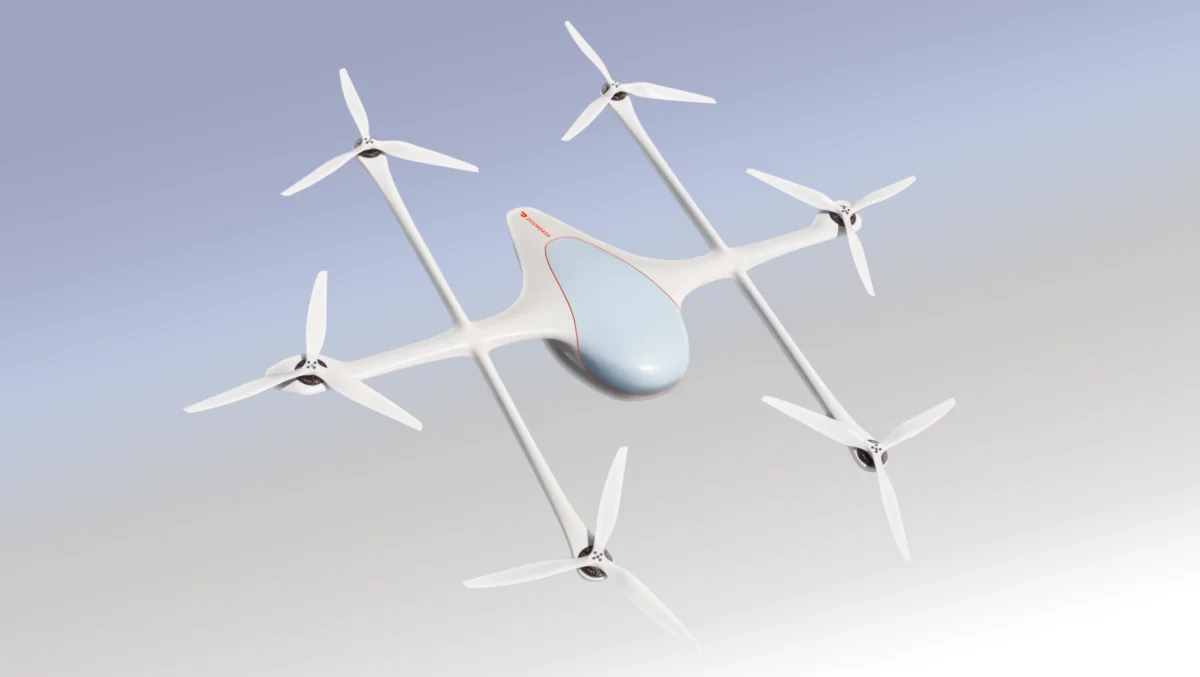
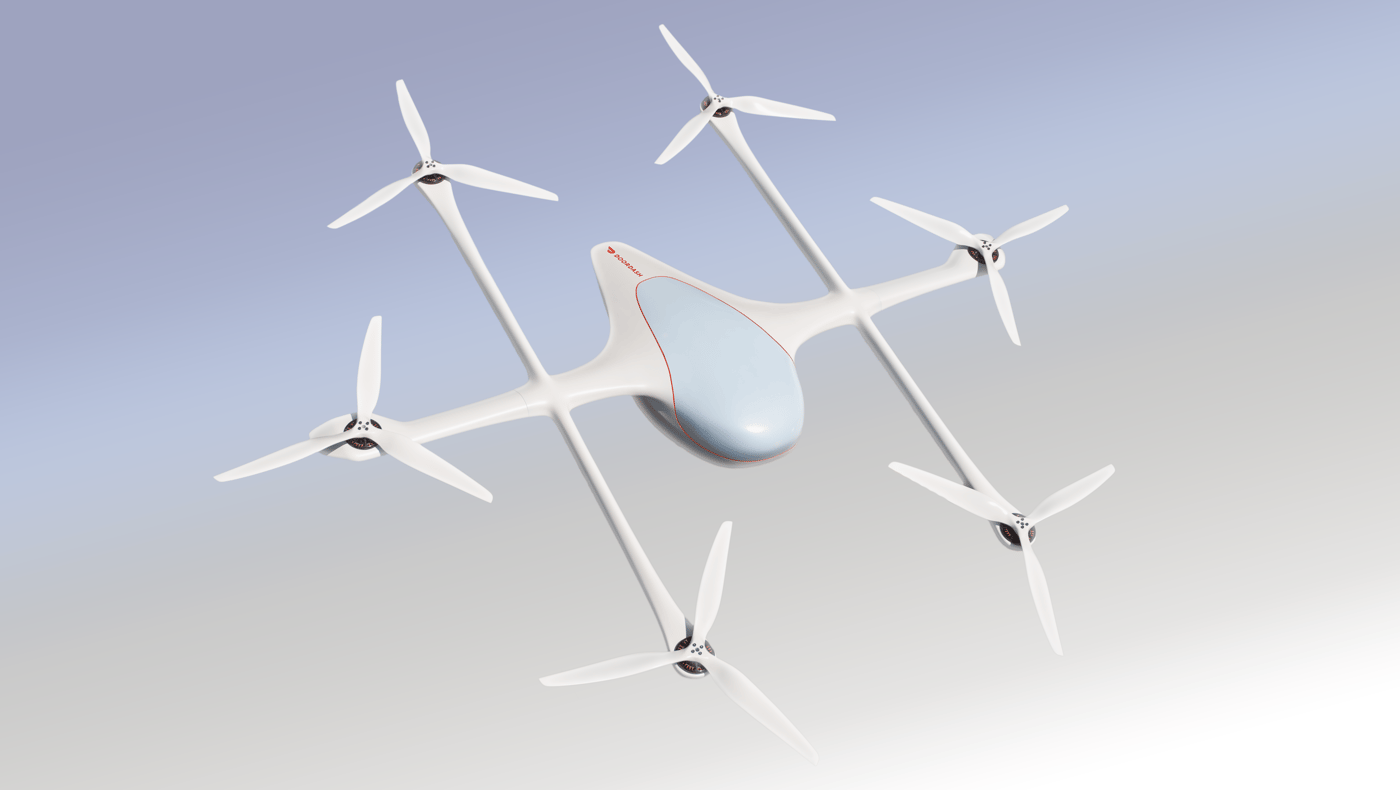
DashOS was not the sole announcement emanating from the Dash Forward event. The company also provided glimpses into other forward-looking initiatives, signaling a broad commitment to innovation across its service ecosystem. While details on these other announcements were not fully elaborated in the provided content, the presence of an image depicting a delivery drone suggests that advancements in autonomous delivery and logistics continue to be a focus area for DoorDash. This aligns with broader industry trends towards exploring more efficient and potentially cost-effective delivery methods. The inclusion of related articles mentioning Grubhub’s dine-in rewards program and discussions on next-gen restaurant technology further contextualize DoorDash’s strategic moves within a dynamic and competitive market. These adjacent innovations highlight a shared industry objective: to enhance the customer experience and operational efficiency for restaurants in an increasingly digital world.
The long-term impact of DashOS will depend on its continued development, adoption rates among restaurants, and the ongoing ability of DoorDash to demonstrate tangible ROI for its partners. However, the strategic intent is clear: DoorDash is aiming to become an indispensable partner for restaurants, providing them with the technology and insights needed to thrive in the modern culinary landscape.
