

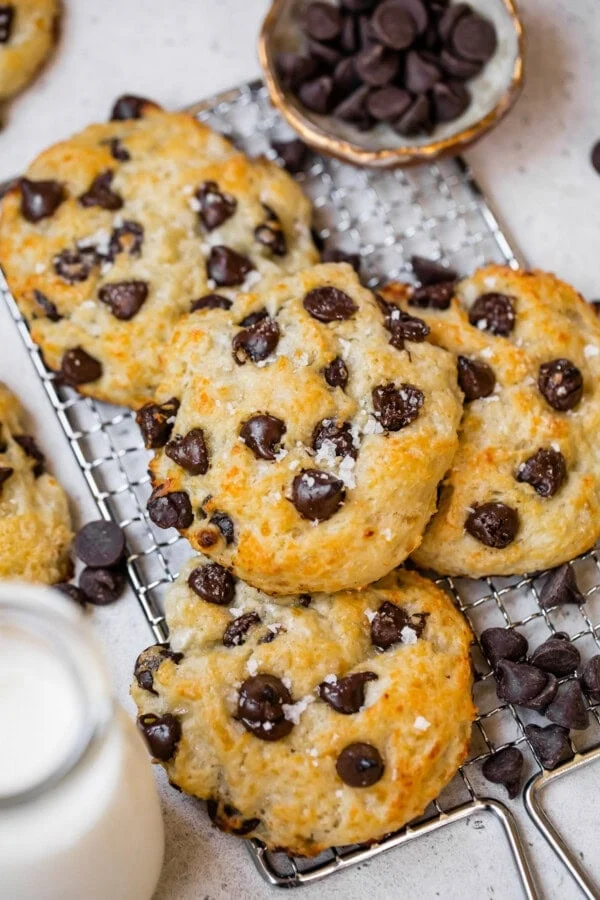
In an innovative culinary development that promises to redefine a classic American dessert, a new chocolate chip cookie recipe has emerged, utilizing cottage cheese as a primary ingredient to achieve unparalleled moisture and chewiness while significantly reducing the need for traditional butter. This unconventional approach, pioneered by Gina Homolka of Skinnytaste, leverages the unique properties of blended cottage cheese to create a healthier yet equally indulgent treat, challenging conventional baking wisdom and offering a fresh perspective on ingredient substitution in popular recipes. The resulting cookies are noted for their soft texture and rich flavor, with the cottage cheese itself becoming completely imperceptible once incorporated into the dough, making it an ingenious hidden component for bakers seeking both taste and nutritional benefits.
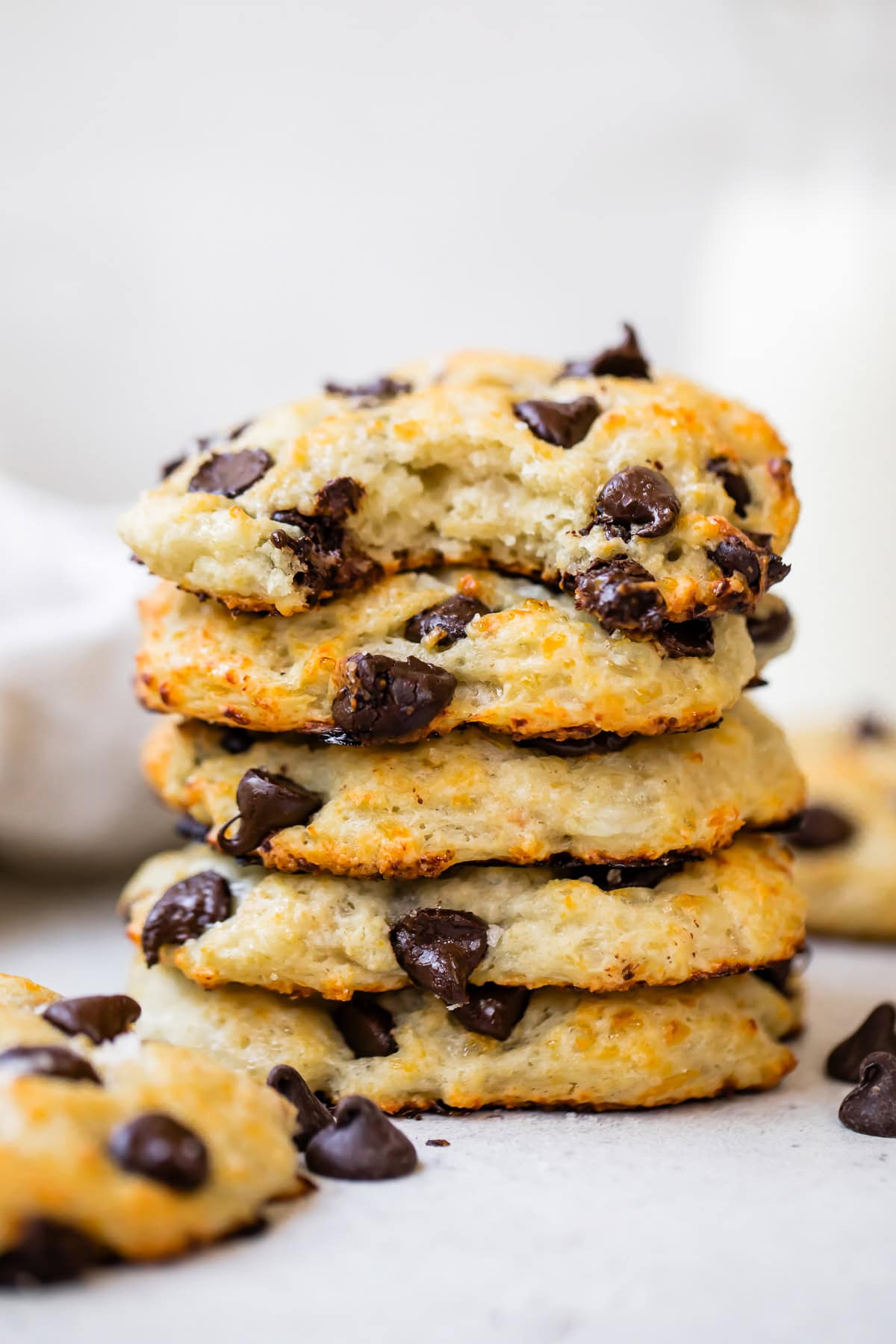
The genesis of this culinary innovation reportedly stemmed from a serendipitous kitchen mishap. Gina Homolka, a renowned figure in the healthy eating and recipe development sphere, was initially attempting to formulate a recipe for cottage cheese scones. During the baking process, a crucial observation was made: her son, Tommy, tasted one of the scone prototypes and remarked on its striking resemblance to a chocolate chip cookie. This unexpected feedback served as a pivotal moment, diverting the original scone project towards an entirely new creation. Homolka recognized the potential in this accidental discovery, noting that the texture achieved was remarkably soft and chewy, qualities highly prized in chocolate chip cookies. This "happy accident" prompted a deliberate pivot in her recipe development, leading to the refinement of what is now celebrated as the cottage cheese chocolate chip cookie. The initial success with the scone-like texture suggested that cottage cheese could effectively mimic the moistening and binding properties of fat, paving the way for a lighter rendition of the beloved cookie without compromising on the desired sensory experience.

At the heart of this groundbreaking recipe lies the transformative role of cottage cheese. Scientifically, cottage cheese is a fresh cheese curd product with a mild flavor, rich in protein, and notably high in moisture content, typically ranging from 75% to 80%. When blended, its characteristic curds dissipate, yielding a smooth, creamy consistency that seamlessly integrates into dough mixtures. In the context of these cookies, this high moisture content is critical, as it allows for a substantial reduction in the amount of butter traditionally required. Butter, while essential for flavor and texture in many cookie recipes, is also a significant source of saturated fat and calories. By substituting a portion of the butter with blended cottage cheese, bakers can achieve a remarkably moist crumb without the associated caloric density. Furthermore, the protein in cottage cheese contributes to the structural integrity of the cookie, potentially enhancing its chewiness. The absence of a discernible cottage cheese taste in the final product is attributed to its mild flavor profile being effectively masked by the other robust ingredients, such as chocolate, vanilla, and sugars, ensuring that the primary flavor experience remains that of a classic chocolate chip cookie. This clever substitution exemplifies a growing trend in modern baking to find functional ingredients that improve nutritional profiles without sacrificing sensory appeal.

From a nutritional standpoint, the incorporation of cottage cheese offers several advantages over conventional cookie recipes. Traditional chocolate chip cookies can be calorie-dense, primarily due to their high sugar and fat content. By reducing butter, the cottage cheese variant inherently lowers the saturated fat and overall caloric count per serving. Cottage cheese is also a good source of calcium and provides a significant protein boost, which is generally not a prominent feature in typical dessert items. For instance, a single serving of this cottage cheese chocolate chip cookie is reported to contain approximately 138 kcal, 6.5g of fat (with 4g saturated fat), and 5g of protein, alongside 21.5g of carbohydrates and 4.5g of fiber. While direct comparative data to a "standard" chocolate chip cookie recipe is not provided, it is widely understood that traditional recipes often feature higher fat and calorie counts. This makes the cottage cheese version an attractive option for individuals monitoring their fat intake, seeking higher protein snacks, or simply looking for a slightly "lighter" indulgence without resorting to artificial sweeteners or highly processed substitutes. The inclusion of dietary fiber, potentially from ingredients like whole wheat flour or oats if used in the full recipe, further enhances its nutritional profile.
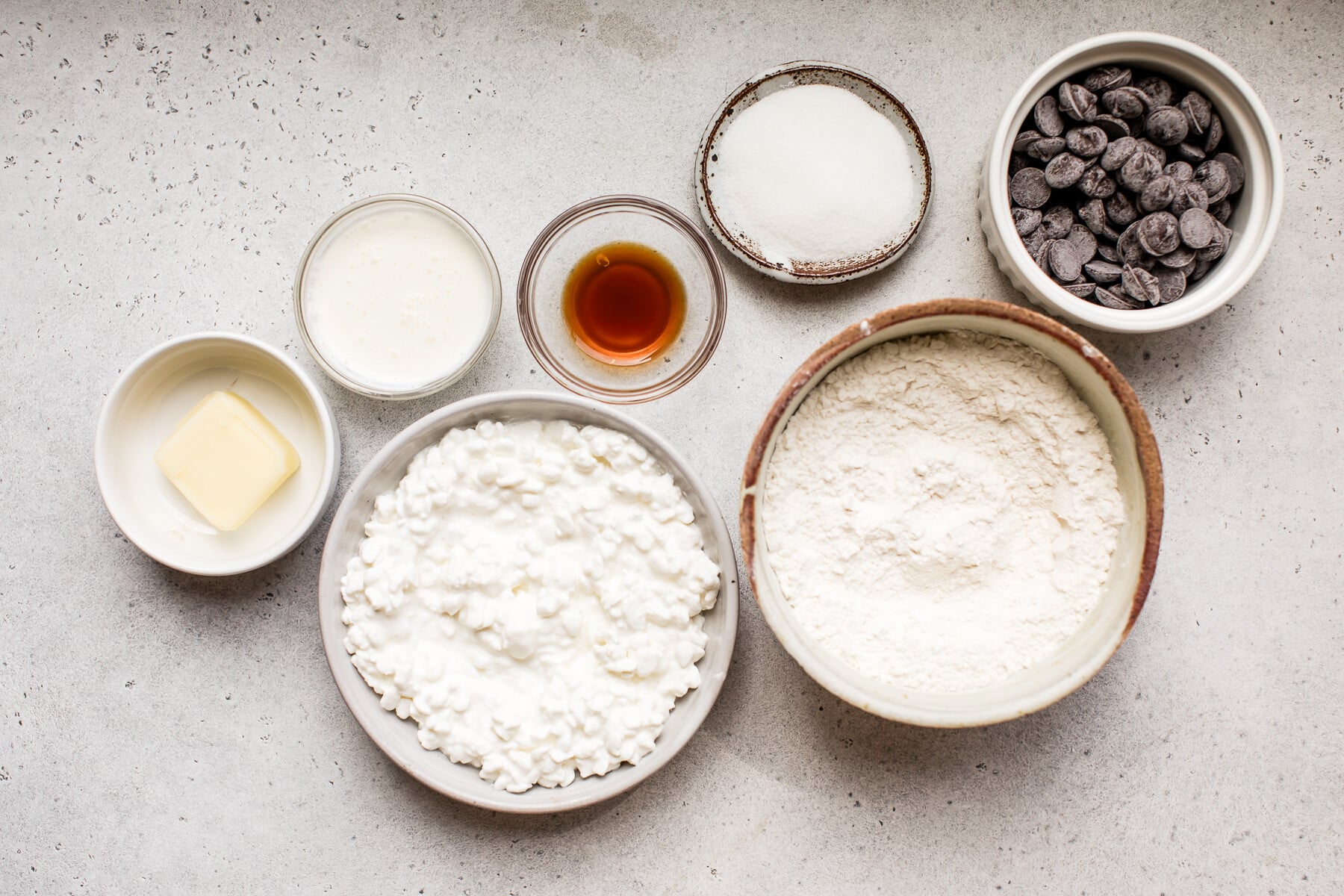
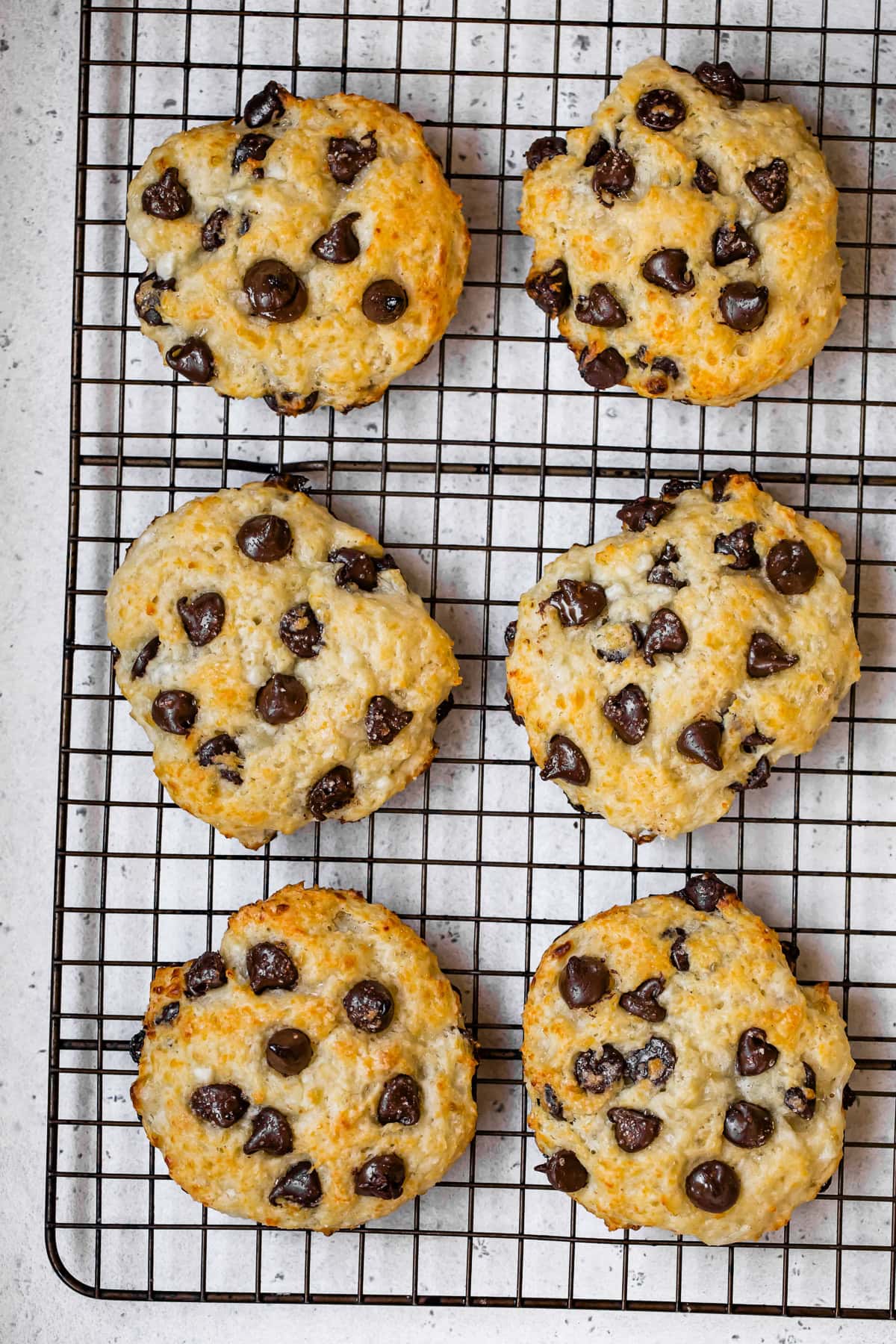
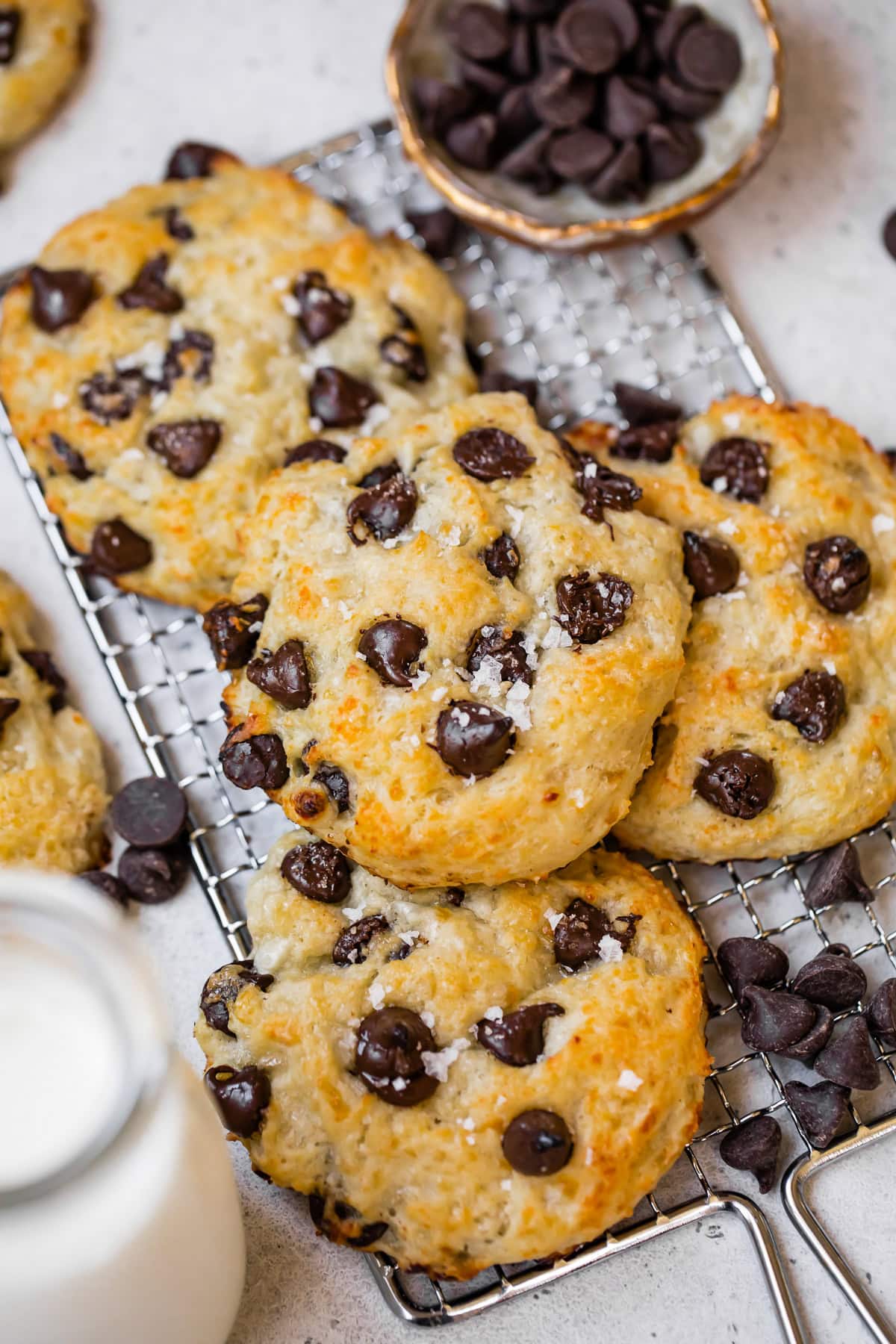
A distinctive characteristic of these cottage cheese chocolate chip cookies is their optimal consumption temperature. Unlike many cookies that maintain their appeal whether warm or cold, these particular cookies are emphatically recommended to be eaten warm, ideally straight from the oven. Homolka notes that their texture is best when the centers are soft and chewy and the chocolate chips are still lusciously melty. Upon cooling, the texture reportedly undergoes a noticeable change, becoming less desirable, and attempts to reheat them do not fully restore the initial soft-chewy quality. This specific consumption recommendation necessitates a strategic approach to baking and storage, especially for individuals or smaller households. To address this, the recipe ingeniously incorporates a freezing strategy for the unbaked dough. By portioning the dough into individual cookies and freezing them, consumers can bake only the desired quantity at a time, ensuring a fresh, warm batch whenever a craving arises. This method not only minimizes waste but also allows for spontaneous enjoyment, transforming the act of baking into a quick, on-demand luxury rather than a large-batch commitment. The ability to bake directly from frozen dough, with only a slight increase in baking time, further enhances the convenience and practicality of this innovative recipe.

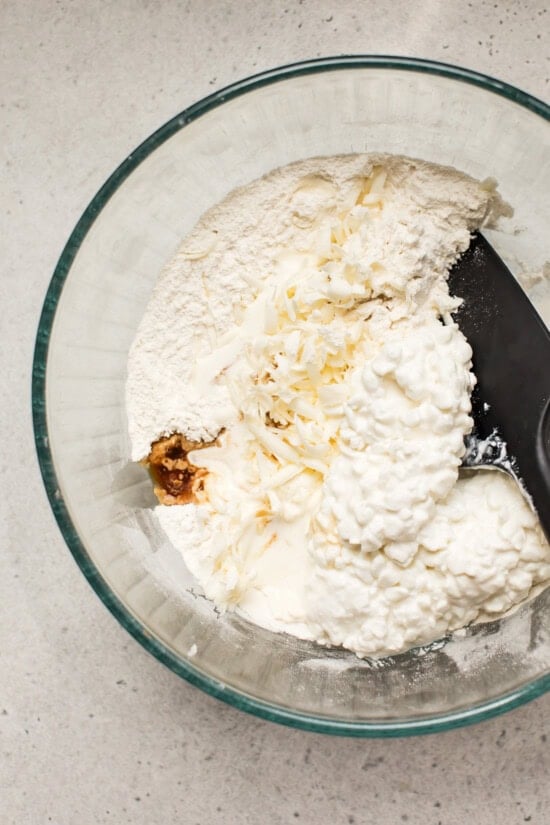
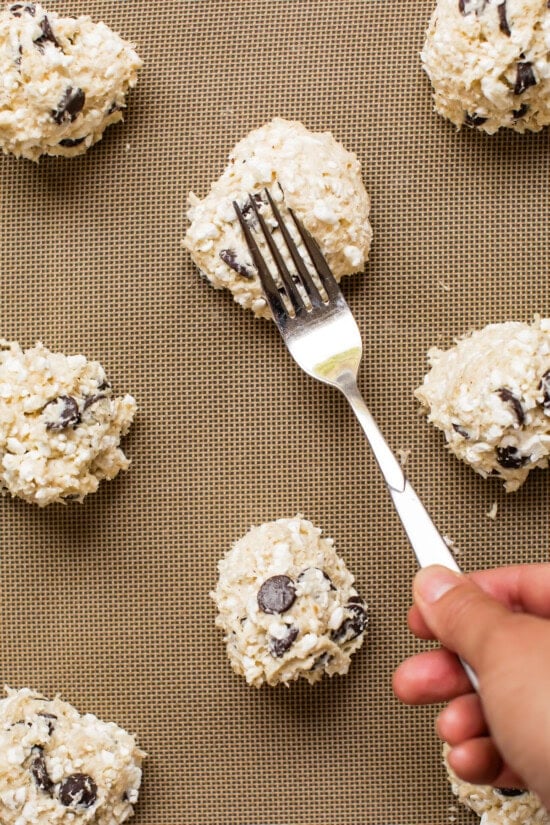
The preparation process for these cottage cheese cookies is notably straightforward, emphasizing accessibility for home bakers of all skill levels. The general methodology involves combining wet and dry ingredients, with the notable instruction that the cottage cheese does not require pre-blending. This simplifies the process further, as the curds naturally integrate and disappear during the mixing with other ingredients. The recipe card, typically accompanying such culinary guides, would detail precise measurements and steps, but the overarching principle is one of minimal fuss and maximum flavor. This ease of preparation, coupled with the intriguing ingredient substitution, makes the recipe particularly appealing to those looking to experiment in the kitchen without complex techniques. The visual instructions, often depicted in a step-by-step format, would likely illustrate the folding of cold butter into dry ingredients, followed by the addition of cottage cheese and vanilla, and finally, shaping the dough before baking.
Beyond the standard chocolate chip format, the versatility of this cottage cheese base lends itself to various modifications and enhancements. Bakers could experiment with different types of chocolate, such as dark chocolate, white chocolate, or even a mix of milk and semi-sweet. The inclusion of chopped nuts, dried fruits like cranberries or cherries, or a sprinkle of sea salt could introduce additional layers of flavor and texture. Spices such as cinnamon, nutmeg, or a hint of cardamom could also elevate the profile of these cookies, making them adaptable to different palates and seasonal themes. The successful integration of cottage cheese in a dessert context also opens doors for its application in other baked goods, such as muffins, quick breads, or even cakes, where moisture retention and a lighter fat profile are desired. This innovative use positions cottage cheese not merely as a breakfast item or savory ingredient but as a powerful, functional component in the sweet baking repertoire.
This recipe for cottage cheese chocolate chip cookies also fits squarely within a broader, burgeoning trend in the culinary world: health-conscious baking and innovative ingredient swaps. As consumer awareness around nutrition grows, there is an increasing demand for recipes that offer healthier alternatives without sacrificing taste or texture. Chefs and home bakers are constantly experimenting with ingredients like Greek yogurt, avocado, beans, and alternative flours (such as almond or oat flour) to reduce sugar, fat, or gluten, or to boost protein and fiber content. Cottage cheese, with its high protein and moisture, low fat, and neutral flavor when blended, is a natural fit for this trend. Its adoption in a classic like the chocolate chip cookie signals a maturing of this movement, where once-unconventional substitutions are becoming mainstream. This reflects a shift away from restrictive diets towards a more holistic approach to eating, where favorite foods can be enjoyed with thoughtful modifications. The embrace of such "lighter" or "healthier" versions of comfort foods indicates a sustained consumer interest in finding balance and enjoyment in their daily diets.
The positive reception of this recipe, as evidenced by initial tasters’ reactions and its publication on a prominent healthy eating platform, underscores the ongoing quest for innovative solutions in the kitchen. While direct statements from culinary critics or nutritionists on this specific recipe are not widely available, the underlying principles align with expert recommendations for reducing saturated fat and increasing protein in diets. The success of such a recipe implies a strong positive reaction from the health-conscious baking community, eager for methods to enjoy classic treats with improved nutritional profiles. Gina Homolka’s track record as a trusted source for "skinny" versions of popular dishes lends credibility to this new creation, positioning it as a well-researched and palate-approved innovation. This development serves as a compelling example of how creativity and a willingness to experiment can lead to delightful and nutritionally beneficial outcomes, pushing the boundaries of traditional baking.
In conclusion, the advent of the cottage cheese chocolate chip cookie marks a significant, albeit accidental, advancement in the realm of healthy baking. By ingeniously leveraging the moisture and protein content of blended cottage cheese, this recipe offers a delicious, soft, and chewy cookie with a notably reduced butter requirement, thus presenting a lighter alternative to the traditional indulgence. The recommendation for warm consumption and the practical solution of freezing individual dough portions further enhance its appeal and usability for modern lifestyles. This innovation not only expands the versatile applications of cottage cheese but also reflects a broader culinary trend towards mindful ingredient substitutions, proving that beloved classics can be re-imagined to meet contemporary dietary preferences without compromising on the joy of a freshly baked cookie.
