

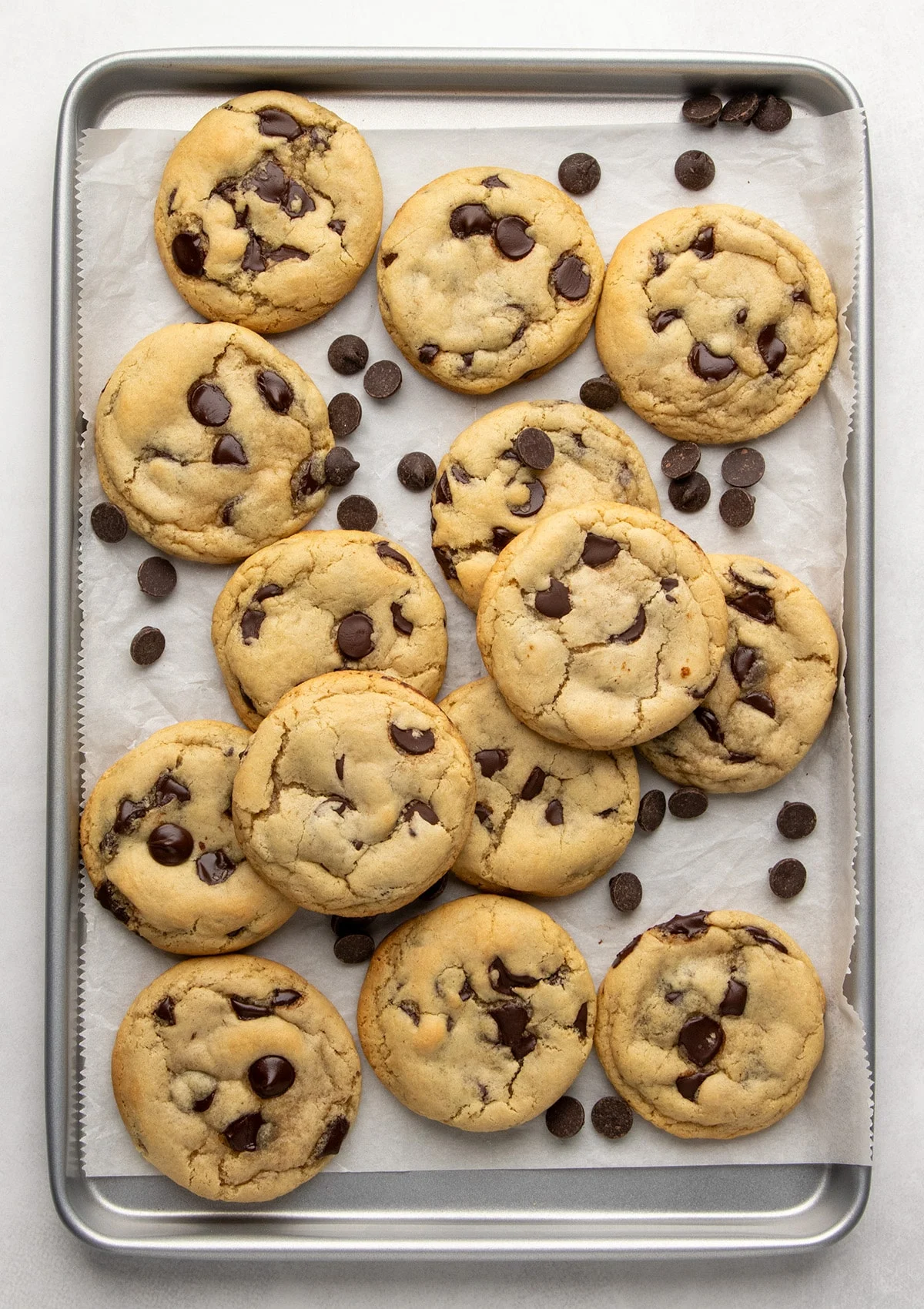
In the ever-evolving landscape of dietary needs and culinary innovation, achieving the perfect balance of texture, flavor, and adherence to specific restrictions can often feel like a quest for the Holy Grail. For individuals navigating the complexities of gluten and dairy intolerances, the humble chocolate chip cookie has frequently presented a significant challenge. Traditional recipes, relying heavily on wheat flour and butter, often fall short when adapted for alternative ingredients, resulting in cookies that are either too thin, too greasy, or lacking that quintessential chewy-crisp balance. However, a recent breakthrough in recipe development promises to redefine what is possible in allergy-friendly baking, delivering a gluten-free and dairy-free chocolate chip cookie that stands shoulder-to-shoulder with its conventional counterparts.
This groundbreaking recipe, meticulously crafted to eliminate both gluten and dairy, achieves remarkable results through a thoughtful combination of ingredients and techniques. Unlike recipes that merely offer a "dairy-free option" with minimal adjustments, this approach is designed from the ground up to work harmoniously without traditional dairy components. The result is a cookie that bakes up thick, boasts delightful crisp edges, and maintains a wonderfully soft center, all while avoiding the common pitfalls of spreading too thinly or becoming greasy—issues often associated with dairy-free baking.
The Science Behind the Success: A Deep Dive into Ingredient Synergy

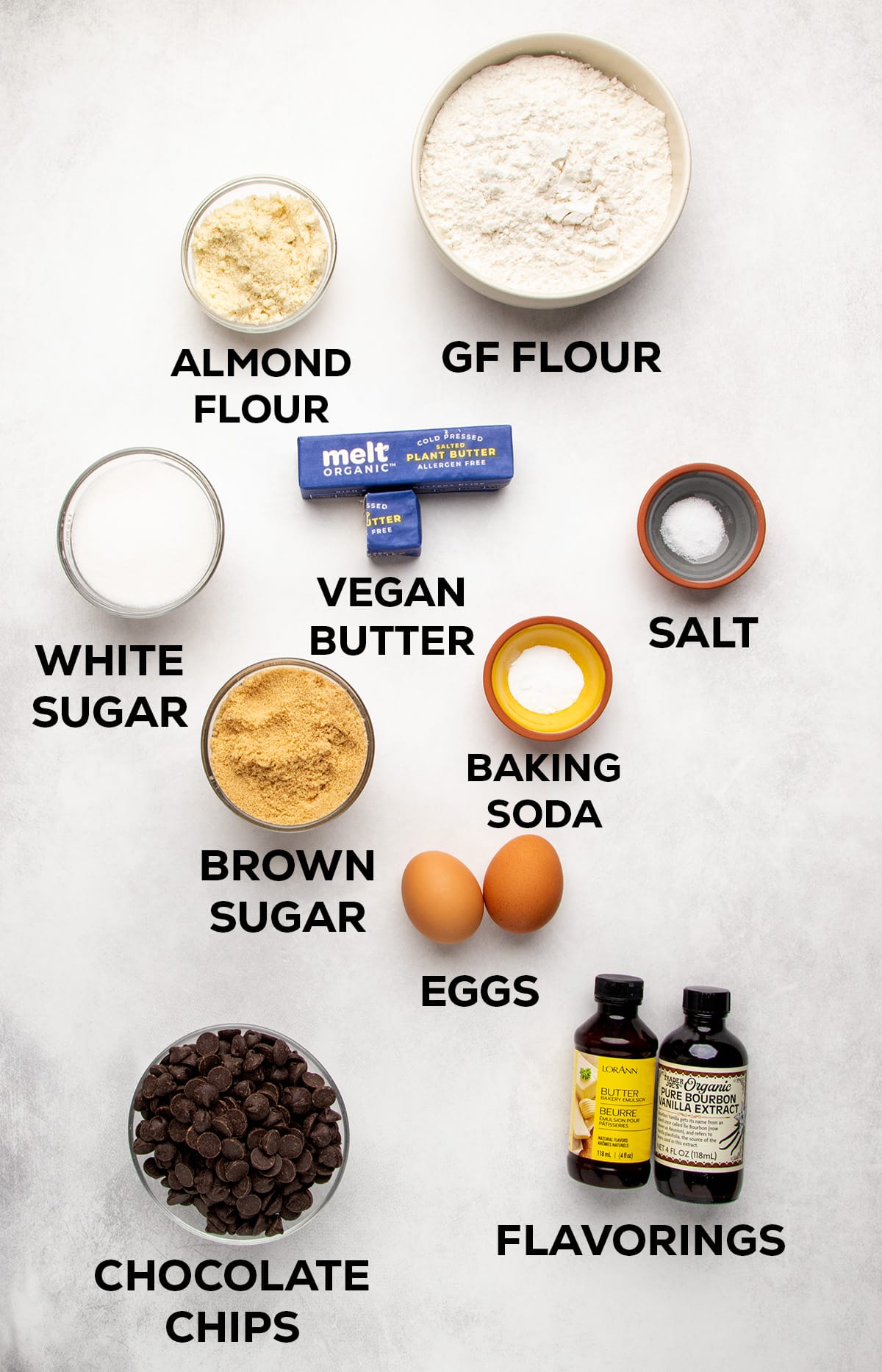
At the heart of this recipe’s success lies a strategic selection of key ingredients, each playing a crucial role in replicating the beloved characteristics of a classic chocolate chip cookie. The primary driver of its superior texture and flavor is the use of cold, block-style vegan butter. Unlike butter in tubs, which often contains more water and less fat, block-style vegan butter offers a firmer consistency and a higher fat content, mirroring the properties of dairy butter more closely. Crucially, by keeping this butter intensely cold and cutting it into the dry ingredients, the recipe effectively disperses fat throughout the dough without allowing it to melt prematurely. This method prevents the dough from becoming greasy and ensures a more controlled spread during baking, leading to those coveted thick cookies.
Complementing the vegan butter is almond flour. This finely ground nut flour contributes significantly to the cookie’s moisture, tender crumb, and desirable golden-brown hue during baking. Almond flour’s natural oils also impart a subtle richness and a hint of nutty flavor that enhances the overall taste profile. For an even more pronounced buttery essence, the recipe incorporates a touch of butter bakery emulsion. While optional, this concentrated flavoring agent can elevate the cookies to an extraordinary level of deliciousness, imbuing them with a depth of flavor that is often missing in dairy-free baked goods.
The formulation also addresses the typical challenges of gluten-free baking by utilizing a well-balanced gluten-free flour blend. The inclusion of xanthan gum, a common binder in gluten-free recipes, helps to provide structure and elasticity that would otherwise be absent without gluten. This careful combination ensures that the cookies don’t crumble apart and maintain a satisfying chew.
A Strategic Approach to Dough Preparation and Baking
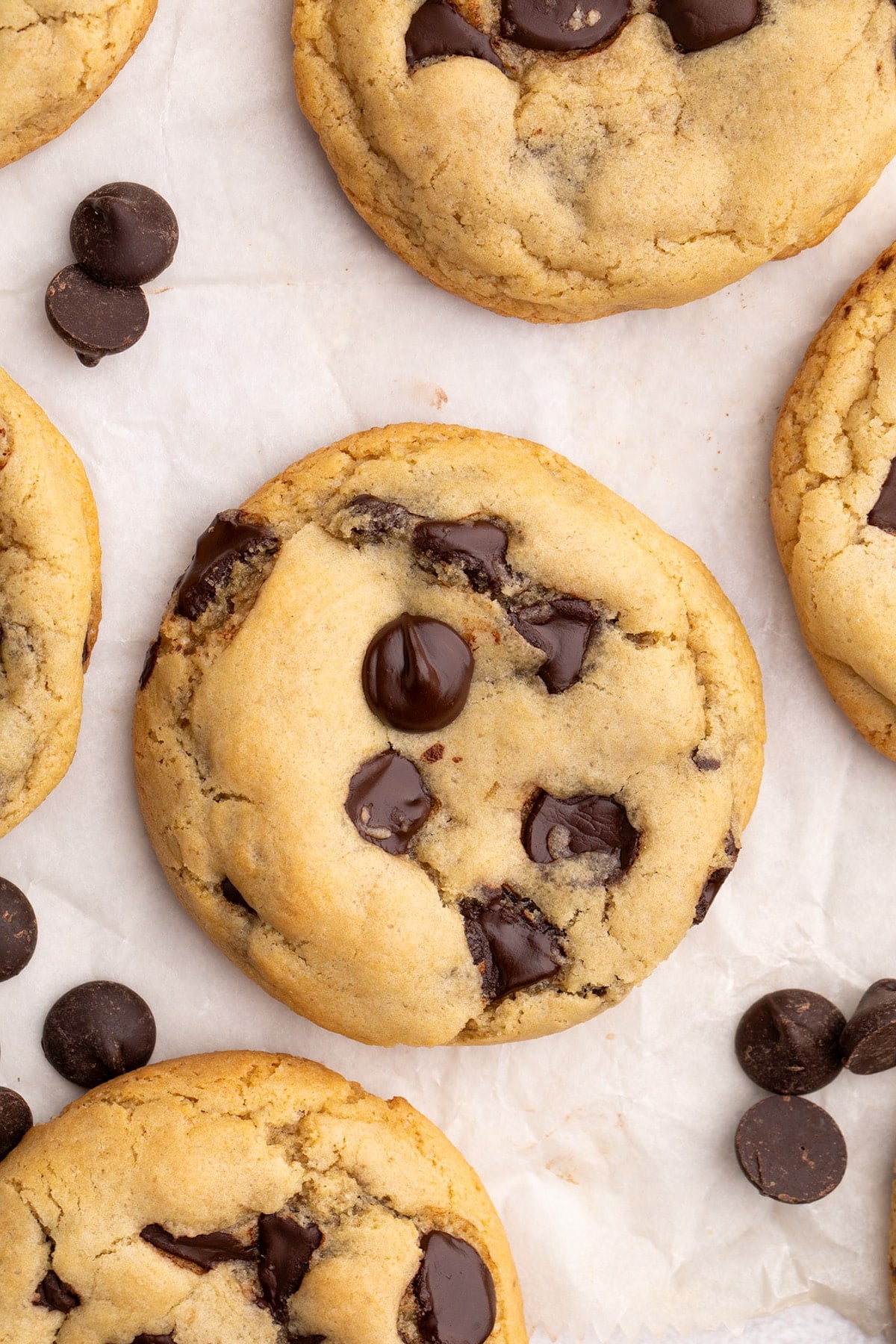
Beyond ingredient selection, the methodology employed in preparing and baking these cookies is equally vital. The recipe emphasizes a "cut in" method for the vegan butter, rather than creaming it with sugar. This technique is paramount for dairy-free baking, as it preserves the delicate emulsion of the vegan butter, preventing it from breaking down and leading to a greasy outcome. By incorporating cold butter chunks directly into the dry ingredients, the fat remains solid until it begins to melt in the oven, contributing to the cookie’s structure and preventing excessive spreading.
A brief chilling period for the cookie dough is another critical step. While the dough can theoretically be baked immediately, a short chill—even just 10 minutes—allows the ingredients to hydrate and the fats to firm up further. This not only makes the dough easier to handle and shape into uniform balls but also significantly contributes to the cookies baking up thicker. This step is a testament to the understanding that even minor temperature adjustments can have a profound impact on the final texture of gluten-free and dairy-free baked goods.
The baking process itself is carefully timed to ensure optimal results. The cookies are baked at 350°F (175°C) until the edges are golden brown and the centers still appear slightly soft. This technique leverages carryover baking, allowing the residual heat to finish cooking the interior of the cookie as it cools, thereby preserving its soft, chewy texture for days. Overbaking is a common pitfall, especially in gluten-free baking, and this recipe actively guides bakers to avoid it.
Addressing Common Dietary Concerns and Offering Substitutions
Recognizing the diverse needs within the gluten-free and dairy-free community, the recipe thoughtfully provides guidance on ingredient substitutions. For those seeking an egg-free option, suggestions include using chia eggs (a mixture of ground chia seeds and water that gels), commercially available egg replacers like Bob’s Red Mill, or liquid egg substitutes such as JustEggs. These alternatives aim to replicate the binding and leavening properties of eggs in the cookie dough.
For individuals with almond sensitivities, the recipe offers viable alternatives. Finely ground and sifted hazelnut flour can be used as a direct substitute, offering a similar texture and a complementary nutty flavor. Alternatively, finely ground and sifted oat flour can yield very similar results, though the cookies might exhibit less browning and a slightly less tender crumb. It is also important to note that some vegan butters, like Miyoko’s, are made with cashew milk, so caution is advised for those with tree nut allergies.
The butter bakery emulsion, while enhancing flavor, is not essential for the recipe’s success. Those who prefer not to use it or cannot find it can substitute it with an additional teaspoon of pure vanilla extract, half a teaspoon of almond extract, or simply omit it altogether.
Storage and Longevity: Preserving the Freshness
The practicality of this recipe extends to its storage instructions. Portions of the chilled, unbaked cookie dough can be wrapped tightly in plastic wrap and refrigerated for up to a week. This allows for convenient baking of fresh cookies on demand. If the dough balls lose their shape during refrigeration, they can be quickly re-rolled before baking. The baked and cooled cookies can be stored in an airtight glass container at room temperature for up to five days, maintaining their desirable texture. For longer storage, they can be frozen for up to three months in a freezer-safe container, thawing at room temperature to enjoy again.
Context and Broader Implications
The development of such a meticulously crafted gluten-free, dairy-free chocolate chip cookie recipe represents a significant advancement in inclusive baking. Historically, individuals with dietary restrictions have often faced limited options, leading to a perception that certain beloved treats are simply unattainable. Recipes that attempt to adapt traditional formulas frequently result in compromises in taste and texture. This new approach, however, demonstrates that with a deep understanding of ingredient science and baking techniques, it is possible to create allergy-friendly versions that not only meet but often exceed expectations.
This recipe’s success can be seen as a testament to the growing sophistication of the free-from food market and the increasing demand for high-quality alternatives. As more consumers seek to accommodate dietary needs without sacrificing enjoyment, the innovation seen in recipes like this becomes crucial. It empowers individuals to recreate nostalgic favorites, celebrate special occasions with confidence, and simply enjoy the simple pleasure of a perfectly baked cookie, regardless of their dietary restrictions. The implications extend beyond the home kitchen, potentially influencing commercial baking and the development of wider-available allergy-friendly products. The ability to achieve such a desirable outcome with readily available ingredients also suggests a move towards greater accessibility and affordability in specialized baking.
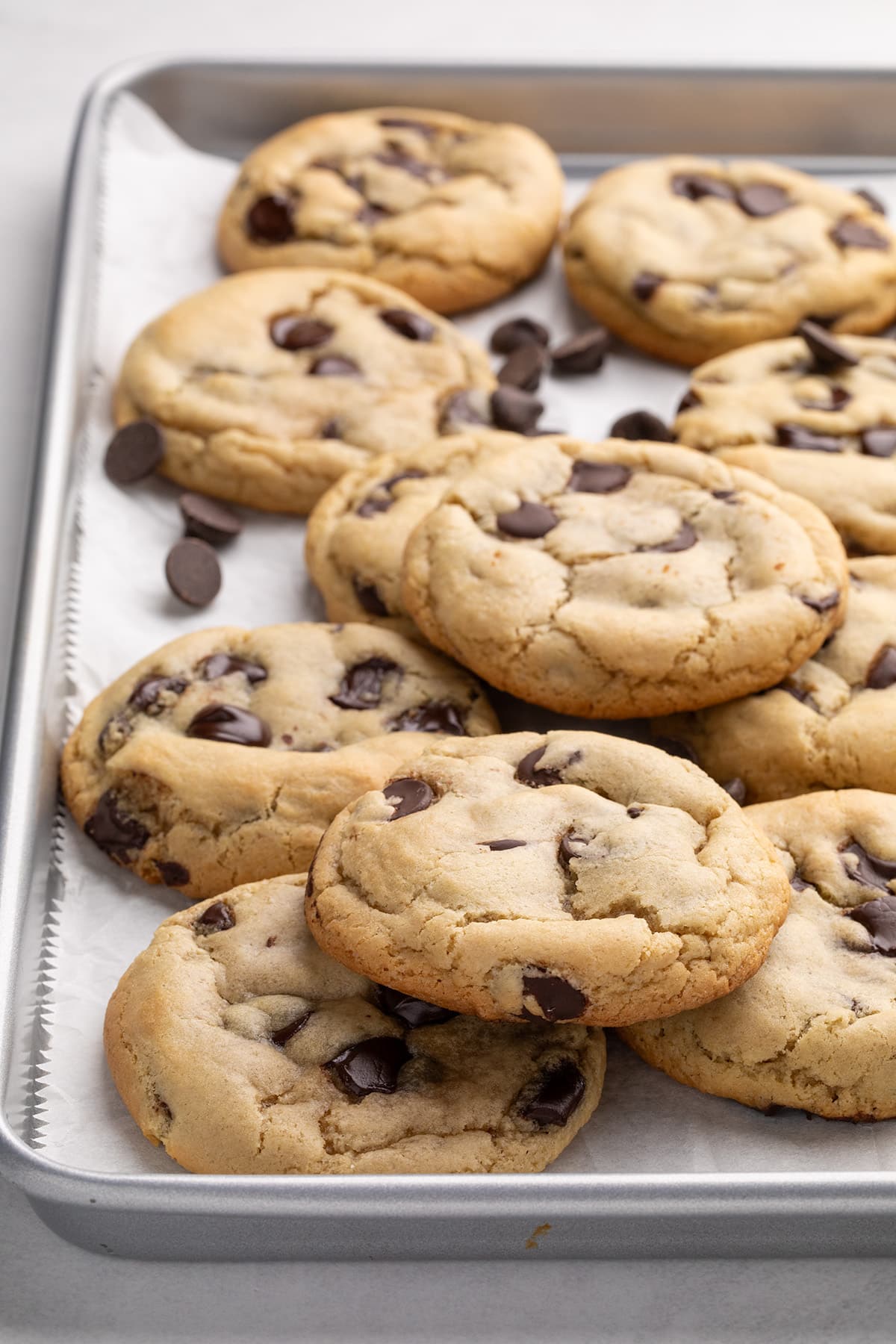
This recipe stands as a beacon of culinary innovation, proving that delicious, satisfying gluten-free and dairy-free treats are not just possible, but achievable with the right knowledge and approach. It offers a sweet solution for many, promising a future where dietary restrictions no longer mean missing out on life’s simple pleasures.
