

The summer season, typically associated with leisure and culinary exploration, has brought into sharp focus a complex interplay of economic pressures, public health challenges, and evolving consumer habits within the food industry. From persistent grocery price inflation impacting household budgets to concerning outbreaks of foodborne illnesses, and the pervasive rise of a new snack culture, the landscape of how Americans eat is undergoing significant transformations. Simultaneously, the industry witnesses innovative approaches to worker benefits and the curious resurgence of niche food trends.
Persistent Grocery Price Inflation Strains Household Budgets
Consumers across the United States are grappling with a sustained and significant surge in grocery prices, representing the most substantial increase in half a century. According to data released by the Bureau of Labor Statistics (BLS), overall grocery prices in the U.S. have escalated by an alarming 33% since the beginning of 2019. This upward trajectory is not projected to abate soon, with the U.S. Department of Agriculture’s (USDA) Economic Research Service forecasting an additional 2.9% rise in food-at-home prices by 2027.
This inflationary trend is multifaceted, driven by a confluence of global and domestic factors. The initial shocks of the COVID-19 pandemic severely disrupted global supply chains, leading to increased costs for transportation, processing, and packaging. Geopolitical events, such as conflicts in key agricultural regions, have further exacerbated commodity price volatility. Domestically, rising labor costs across the food production and retail sectors, coupled with extreme weather events impacting crop yields due to climate change, contribute to higher input costs for producers and, consequently, higher prices for consumers. Specific categories, such as meat, poultry, fish, and eggs, have seen some of the steepest increases, followed by cereals and bakery products, and fresh produce.
The implications of this sustained inflation are profound, particularly for low-income households, where a larger proportion of income is allocated to food. Families are increasingly adjusting their purchasing habits, opting for generic brands, reducing discretionary food purchases, or seeking out discount retailers. Food insecurity, a persistent challenge, is likely to be exacerbated by these rising costs. In response to these pressures, culinary publications are increasingly offering practical advice on maximizing affordable pantry staples. For instance, resourceful food editors are developing monthly columns dedicated to creative and cost-effective meals, such as protein-powered dishes utilizing ingredients like cottage cheese, to help consumers navigate budget constraints without sacrificing nutritional value or flavor. The long-term economic analysis suggests that while some supply chain issues may stabilize, the structural shifts in labor costs and climate impacts could embed higher food prices into the consumer landscape for the foreseeable future.
Escalating Food Safety Concerns Mark "Hot Bacteria Summer"
The summer months have regrettably earned the moniker "Hot Bacteria Summer," characterized by a series of concerning foodborne illness outbreaks across the nation. These incidents underscore persistent vulnerabilities within the food supply chain and the critical importance of stringent safety protocols.
The Cyclosporiasis Outbreak: A Spreading Parasitic Threat
A significant public health concern has been the widespread outbreak of cyclosporiasis, an intestinal illness caused by the microscopic parasite Cyclospora cayetanensis. This parasite is typically spread through contaminated food or water, often linked to fresh produce. The Centers for Disease Control and Prevention (CDC) has confirmed the outbreak’s expansion, with an anonymous source indicating that the CDC has linked it to at least six additional states—Arkansas, Iowa, Missouri, Nebraska, New Hampshire, and North Carolina—bringing the total affected states to 15. The investigation into the specific source of contamination remains ongoing, a common challenge with produce-related outbreaks where the origin can be difficult to pinpoint across complex distribution networks. Tragically, two individuals in Michigan have died after contracting the parasitic infection. While Michigan’s Department of Health and Human Services noted in a statement that both individuals had "significant underlying health conditions," their deaths highlight the potential severity of cyclosporiasis, particularly for vulnerable populations. Public health officials have issued advisories urging consumers to thoroughly wash all produce and practice diligent food hygiene to mitigate risk. The CDC continues to monitor cases and collaborate with state health departments to identify and contain the outbreak.
Chipotle’s Salmonella Contamination: A Recurring Challenge
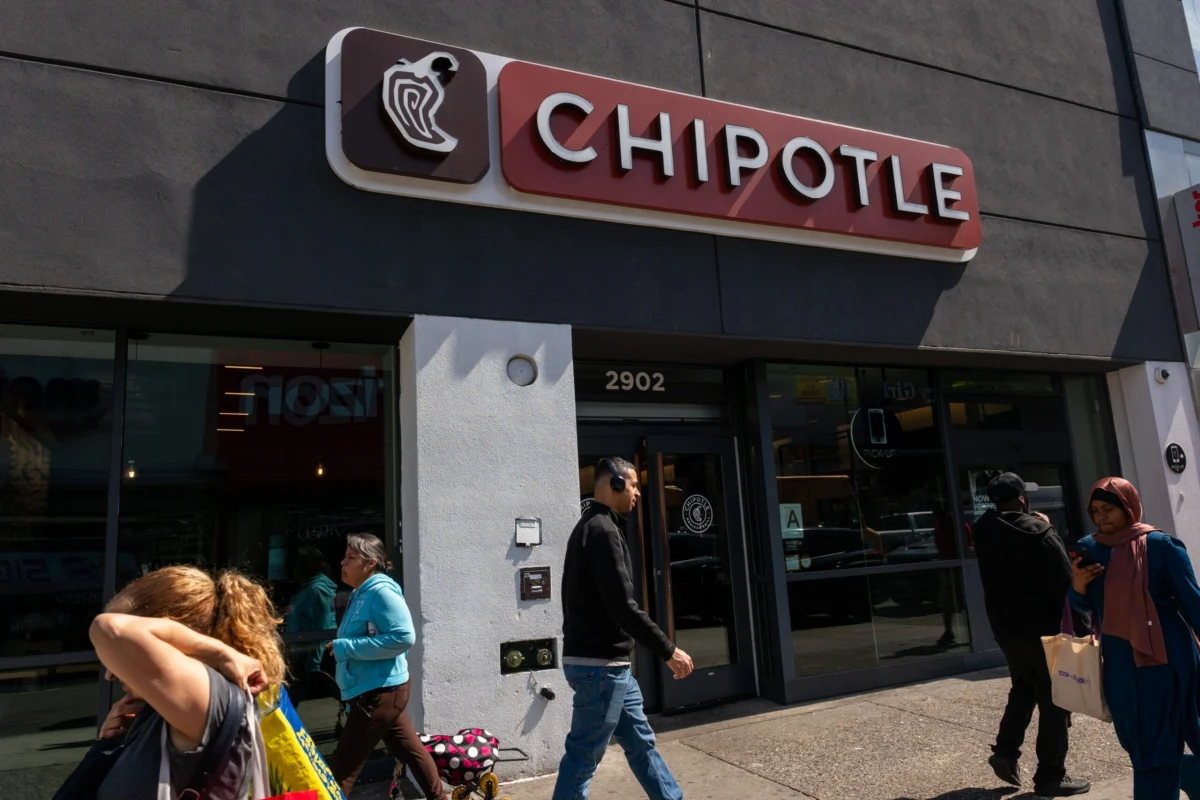
Fast-casual giant Chipotle Mexican Grill once again faced a food safety crisis when at least 110 people in Minnesota fell ill due to Salmonella contamination. Following investigations by local health authorities, Chipotle proactively removed jalapeños from its restaurants in the affected region, indicating the ingredient as a potential source. This incident represents another setback for Chipotle, which has a documented history of high-profile food safety breaches, including E. coli and norovirus outbreaks, that significantly impacted its brand reputation and financial performance in previous years. The company swiftly issued a statement reiterating its commitment to food safety and outlining enhanced protocols, but the recurrence of such incidents raises questions about the efficacy of its long-term preventative measures. The immediate aftermath saw a notable dip in Chipotle’s stock prices, reflecting investor concern over potential operational disruptions and consumer trust erosion.
Taco Bell’s Delayed Warning: Ethical and Public Trust Implications
Further compounding the food safety narrative, investigative reporting by the Los Angeles Times revealed a troubling delay in public notification regarding a cyclospora outbreak linked to Taco Bell. The report indicated that Taco Bell’s parent company, Yum! Brands, was made aware of the risk of cyclospora contamination in its lettuce weeks before alerting the public. This delay is particularly concerning as it potentially exposed more consumers to the parasite, hindering timely preventative action. The chronology of events suggests a gap between internal knowledge and public disclosure, which has severe ethical and public trust implications. While specific statements from Yum! Brands or Taco Bell regarding the delay have been limited, the revelation sparked public outcry and raised questions about corporate responsibility in public health crises. Regulatory bodies, including the Food and Drug Administration (FDA), are likely to scrutinize such delays, potentially leading to fines or revised compliance requirements. The incident, much like Chipotle’s, contributed to a significant dip in Taco Bell’s stock performance, underscoring the financial repercussions of perceived negligence in food safety. These collective food safety failures highlight systemic challenges within the large-scale food service industry, from complex supply chains to the imperative of rapid and transparent public communication during outbreaks.
The Pervasive Rise of Snack Culture and Functional Foods
Beyond the immediate concerns of cost and safety, the broader landscape of American eating habits is being reshaped by the undeniable proliferation of snacks. This phenomenon, dubbed "Snack World," reflects a profound acceleration in both the availability and consumption of portable, convenient comestibles. Evidence of this trend is ubiquitous, from overflowing shelves in convenience stores and grocery aisles to the constant influx of PR pitches touting the "hottest new snack" in industry inboxes. Data supports this observation: a recent report from marketing firm Circana found that a remarkable 55% of U.S. adults consume at least three snacks per day, solidifying snacking as an essential component of many consumers’ daily routines.
A key driver of this snack renaissance is the redefinition of snacking through "functional nutrition." Modern snacks are increasingly fortified with specific health-benefiting ingredients, moving beyond simple indulgence. Consumers are actively seeking out products "juiced up" with protein for satiety and muscle support, or fiber for digestive health. This trend extends to more specialized offerings, such as creatine gummies aimed at enhancing performance and recovery, and "better-for-you" candies that promise reduced sugar or added nutritional benefits. The market for these innovative products is booming, exemplified by the rapid valuation of companies like Grüns, which produces superfood greens gummies. Following its acquisition in April, Grüns was valued at an astonishing $1.2 billion, signaling significant investor confidence in the functional snack segment.
The roots of this pervasive snack culture can be traced, somewhat controversially, to strategic moves reminiscent of the tobacco industry, according to a joint study by researchers from the University of Michigan, Sanford School of Public Policy at Duke University, Harvard Medical School, and Harvard University. The study suggests that major snack companies adopted tactics focused on creating long-lasting, ultra-portable products designed for ubiquitous availability. Beyond mere convenience, there is even evidence to suggest that snack makers have meticulously engineered sensory experiences, such as manipulating the "crinkle" sound of a bag, to create a Pavlovian association between the sound and the reward of consumption. This strategic approach effectively conditions consumers, making snacking a deeply ingrained habit triggered by environmental cues. The broader implication is a shift away from traditional meal structures towards a more fragmented, "grazing" pattern of eating, raising ongoing discussions about its long-term effects on public health and dietary patterns.
The Unstoppable Ascent of the Pickle: A Culinary Golden Age
Amidst the broader shifts in snack culture, one flavor has unequivocally claimed its place in the spotlight: the pickle. We are currently experiencing what can only be described as a "golden age of pickles," where the tangy, briny flavor has permeated an astonishing array of products, extending far beyond the traditional cucumber spear. Culinary writer Elliott Harrell, in her extensive exploration of this phenomenon, uncovered an eclectic range of pickle-flavored items, from mainstream pickle chips and unexpected pickle marshmallows to the truly inexplicable pickle lube.
This pickle paradise is a testament to evolving consumer palates that increasingly favor bold, complex, and often nostalgic flavors. The resurgence of fermentation trends, driven by an interest in gut health and artisanal food production, has also played a significant role in elevating the humble pickle. Brands are capitalizing on this enthusiasm by integrating pickle flavor profiles into innovative and sometimes unconventional product lines, leveraging its versatility and broad appeal. From a cultural perspective, the pickle has transitioned from a simple condiment or side dish to a standalone flavor sensation, sparking viral trends and capturing consumer imagination. This embrace of unique and sometimes polarizing tastes underscores a dynamic period in food innovation, where culinary boundaries are constantly being pushed and redefined.
Evolving Industry Practices and Emerging Culinary Narratives
Beyond these dominant themes, the food industry continues to evolve in other critical areas. Positive shifts are emerging in the treatment of restaurant workers, with a growing number of establishments offering nontraditional benefits aimed at improving job satisfaction and retention in a competitive labor market. These innovative perks include cocktail recipe royalties for mixologists, educational exchange programs for culinary staff, and, increasingly, comprehensive healthcare packages. This represents a significant departure from historical industry norms, reflecting a greater recognition of the value and professionalism of hospitality workers.
Concurrently, the fascination with dietary trends remains strong. Recent media attention has been drawn to Times Magazine writer Willy Staley’s exploration of the "steak and sauerkraut diet," a regimen that has reportedly gained traction in Washington D.C. This diet, characterized by its restrictive focus on meat and fermented cabbage, evokes comparisons to the "carnivore diet" that gained popularity years ago. While proponents often cite anecdotal benefits, medical professionals quoted in Staley’s piece often display an earnestness that echoes the fervor of previous fad diet advocates. It is crucial to note that such restrictive diets often lack broad scientific consensus and can raise concerns among mainstream nutritionists regarding nutrient deficiencies and long-term health impacts.
Finally, the cultural impact of culinary figures continues to resonate. A compelling new biopic about the late Anthony Bourdain has captivated audiences, offering a poignant reflection on his life and legacy. Written by his longtime assistant and co-author, Laurie Woolever, the piece features insights from Bourdain’s friends and family, providing an intimate perspective on their feelings about the film and its portrayal of a culinary icon who profoundly influenced how we think about food, travel, and storytelling.
In conclusion, the current food landscape is a complex tapestry woven with threads of economic challenge, public health vigilance, rapid innovation in consumer products, and evolving industry standards. Navigating these dynamics requires a nuanced understanding from both industry stakeholders and informed consumers as they collectively shape the future of food.
