

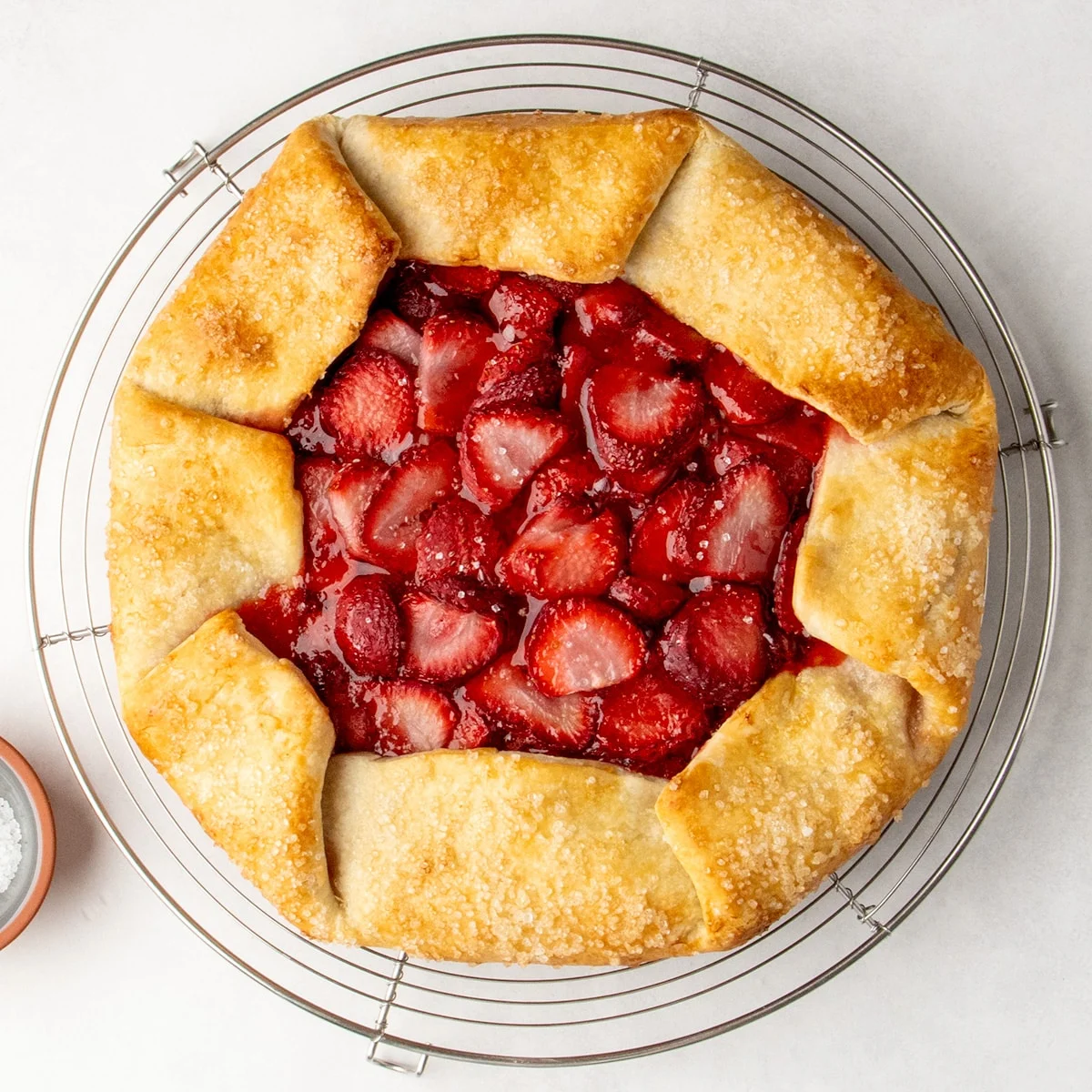
This rustic, simple gluten-free galette offers a delightful alternative to traditional pies, boasting a flaky, golden crust encasing a vibrant strawberry filling. The light sweetness of the filling allows the natural flavor of fresh berries to shine, making it an ideal dessert for any occasion, particularly when strawberries are in season. Its ease of preparation and elegant presentation make it a standout choice for home bakers seeking impressive yet accessible gluten-free options.
The Appeal of the Galette: Simplicity Meets Sophistication
The galette, by its very nature, offers a less intimidating approach to fruit tarts compared to the meticulous crimping and shaping required for a standard pie. This rustic French dessert involves simply folding the edges of a dough over a fruit filling, creating a charming, free-form tart. This method not only simplifies the baking process but also highlights the natural beauty of the ingredients. The gluten-free adaptation of this classic dessert ensures that individuals with gluten sensitivities can also partake in this delightful culinary experience.
The recipe emphasizes a "lightly sweet" strawberry filling, a deliberate choice to allow the inherent tang and sweetness of the berries to be the star. This approach aligns with a growing trend in modern desserts to reduce overt sweetness and instead focus on showcasing the nuanced flavors of fresh produce.
A Recipe Engineered for Success: Combating the Soggy Bottom
One of the primary challenges in gluten-free baking, especially with fruit-based desserts, is the potential for a soggy crust. This recipe proactively addresses this concern through several strategic elements. The gluten-free dough is intentionally rolled slightly thicker than its gluten-containing counterpart, providing an essential structural integrity that can withstand the moisture from the fruit without becoming compromised.
Furthermore, a light brush of honey is applied to the base of the crust before the filling is added. This acts as a natural barrier, helping to seal the pastry and prevent direct contact with the berry juices during baking. This technique, combined with the thickening properties of the tapioca starch in the filling, ensures that the crust maintains its desirable crispness and flakiness throughout the baking process.
Key Ingredients for a Flavorful Galette
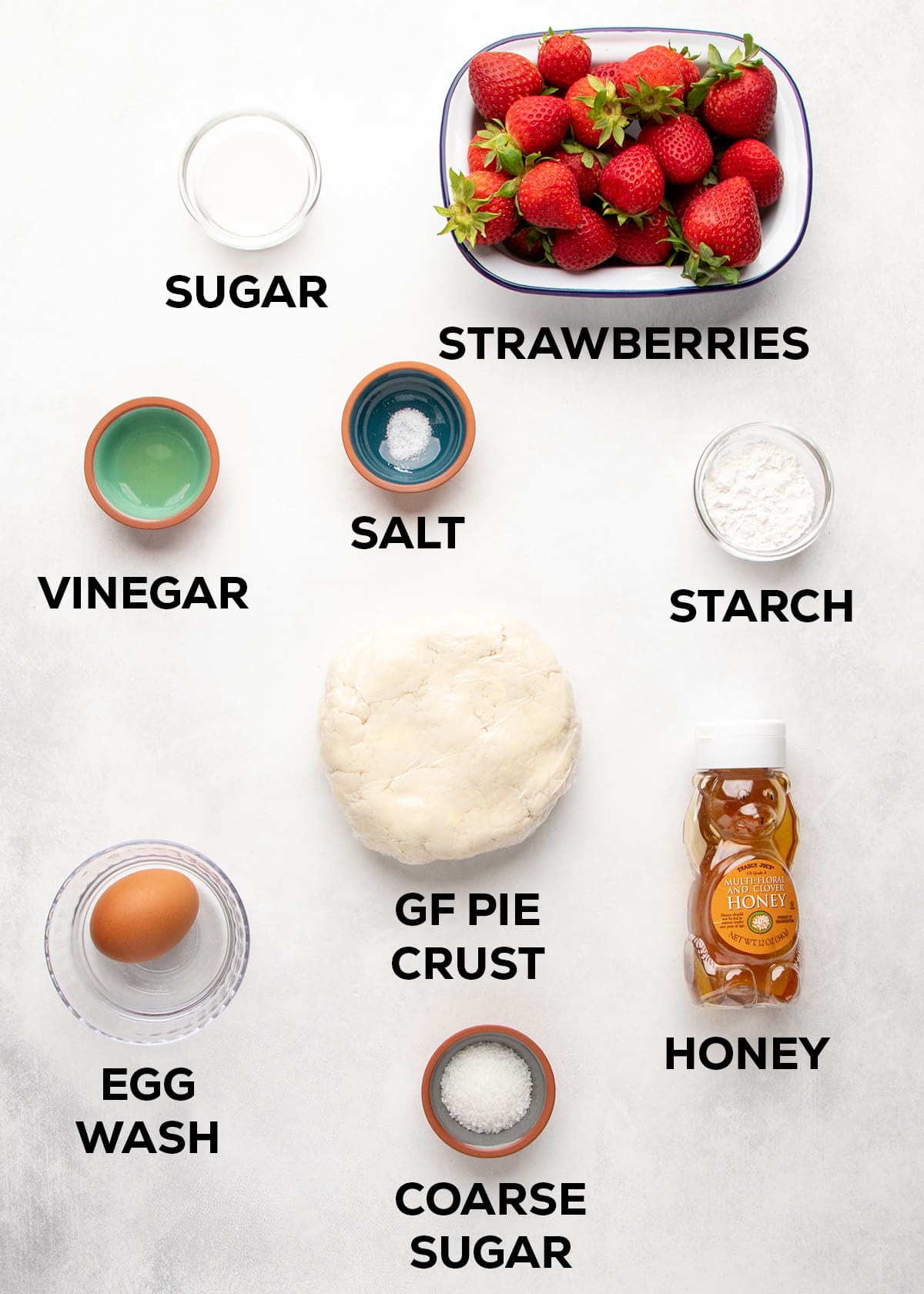
The success of this gluten-free strawberry galette hinges on a careful selection of high-quality ingredients. For the crust, a reliable gluten-free flour blend, typically containing xanthan gum for binding, is essential. Cold, unsalted butter is crucial for achieving the flaky layers characteristic of a perfect pastry. Ice-cold water is used to bind the dough, ensuring the butter remains solid until it hits the oven, where it melts and creates steam, leading to flakiness.

The star of the filling, of course, is fresh strawberries. Their inherent sweetness and slight tartness form the foundation of the dessert. Granulated sugar is used sparingly to enhance the natural berry flavor without overpowering it. A touch of vinegar, often apple cider vinegar, is added to the strawberries. This may seem counterintuitive, but the acidity brightens the berry flavor and helps to balance the sweetness, much like a squeeze of lemon in other desserts.
To achieve the desired glossy texture and to prevent the filling from becoming too watery, tapioca starch is employed as a thickener. Its neutral flavor and clear gel formation make it an excellent choice for fruit fillings. A pinch of salt is also incorporated into both the crust and the filling to enhance the overall flavor profile and balance the sweetness. For an extra touch of sweetness and textural contrast on the crust, coarse-grained sugar is sprinkled over the folded edges. An egg wash, made from a beaten egg, is brushed over the crust to promote a beautiful golden-brown color and a slightly shiny finish.
The Culinary Chronology: Crafting the Gluten-Free Galette
The process of creating this gluten-free strawberry galette can be broken down into distinct stages, each contributing to the final delectable outcome.
Preparing the Gluten-Free Crust
The foundation of any great galette is its crust. The recipe begins by combining the dry ingredients for the crust – the gluten-free flour blend, baking powder (for a touch of lift), salt, and optionally, a small amount of sugar. These are whisked together thoroughly to ensure an even distribution of ingredients, a critical step in gluten-free baking where the absence of gluten can make achieving consistent texture more challenging.
Next, cold, cubed butter is introduced. The butter is cut into the dry ingredients using a pastry blender or by rubbing it in with fingertips until the mixture resembles coarse crumbs with some pea-sized pieces of butter remaining. These larger pieces are vital for creating flaky layers, as they melt during baking, releasing steam that lifts the dough.
Ice-cold water is then gradually added to the flour and butter mixture, just enough to bring the dough together. Overworking the dough at this stage can lead to a tough crust, so it’s important to mix until the dough just holds its shape when pressed. The formed dough is then flattened into a disk, wrapped tightly in plastic wrap, and chilled in the refrigerator for at least 30 minutes. This chilling period allows the gluten-free flours to hydrate fully and the butter to firm up, both essential for a workable and flaky crust.
Crafting the Luscious Strawberry Filling
While the crust dough chills, the strawberry filling is prepared. Fresh strawberries are washed, hulled, and sliced thickly. Thick slices help them maintain their shape during baking, preventing them from turning into a complete mush. The sliced strawberries are then tossed with sugar, a pinch of salt, and a dash of vinegar. This mixture is allowed to rest for about 10-15 minutes. During this resting period, the salt and sugar draw out moisture from the strawberries, creating a natural syrupy base.
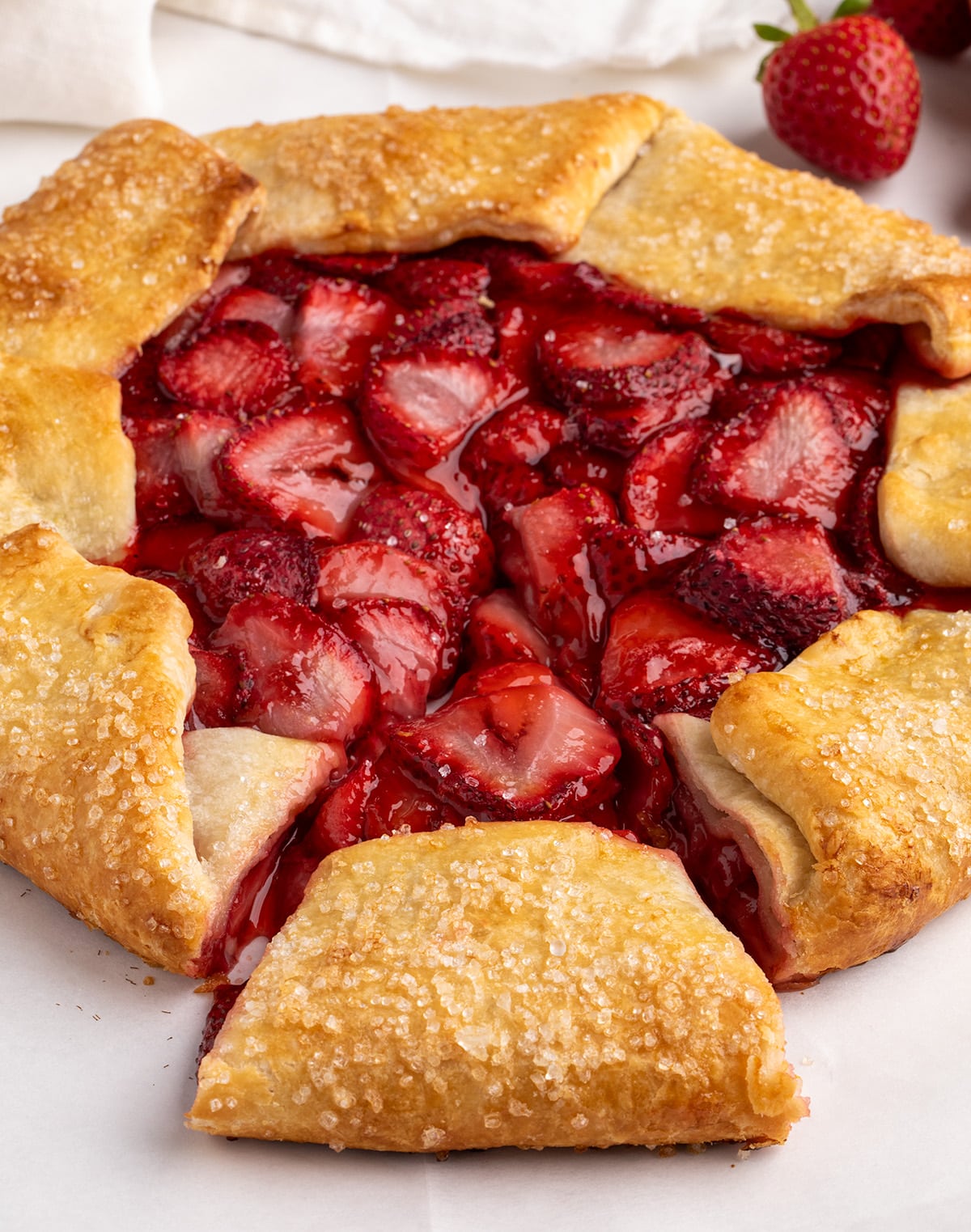
Following the initial maceration, tapioca starch is stirred into the strawberry mixture. This starch will absorb the released juices and, when heated, will form a clear, glossy gel, thickening the filling into a delightful sauce that clings to the berries. Allowing the mixture to sit for a further short period allows the tapioca starch to begin softening and absorbing the juices.
Assembling and Baking the Galette
Once the crust dough has chilled and is firm, it’s time for assembly. The dough is rolled out on a lightly floured surface into a roughly 13- to 14-inch circle, about ¼-inch thick. As mentioned, a slightly thicker crust provides necessary support. The rolled-out dough is carefully transferred to a piece of parchment paper on a baking sheet.
A thin layer of honey is brushed over the central portion of the dough, leaving a 2-inch border. This honey layer acts as a moisture barrier and aids in browning. The prepared strawberry filling is then piled into the center of the dough, atop the honey layer. The excess dough border is then folded up and over the edges of the filling, creating pleats as you go, until the entire galette is formed. The folded edges are gently pressed to help them adhere.
To enhance the visual appeal and texture, the exposed crust is brushed with an egg wash and then sprinkled generously with coarse-grained sugar. The assembled, uncooked galette is then placed back in the refrigerator for another chilling period while the oven preheats to 375°F (190°C). This final chill is crucial for ensuring the butter in the crust is as cold as possible before baking, maximizing flakiness.
The galette, still on its parchment paper, is placed on a rimmed baking sheet and baked for approximately 35 minutes, or until the crust is a deep golden brown and the strawberry filling is visibly bubbling.
Cooling and Serving for Optimal Enjoyment
After baking, the galette is allowed to cool on the baking sheet for about 20 minutes. This allows the filling to set properly. It is then transferred to a wire rack to cool further. Serving the galette warm, but not hot, allows the flavors to meld beautifully and the texture to be at its best.
Expert Insights and Adaptations
The versatility of this gluten-free strawberry galette is one of its key strengths, allowing for numerous adjustments and variations.
Adjusting Sweetness to Taste
The recipe provides a guideline for sugar content, but the optimal sweetness can vary depending on the natural sweetness of the strawberries. Tasting the berries before adding sugar is recommended. If they are particularly sweet, the lower end of the sugar range may suffice. Conversely, if the berries are tart, an additional ¼ cup of sugar can be added to achieve the desired sweetness level.
Proactive Measures Against a Soggy Crust
For those using particularly juicy or overripe strawberries, or even frozen strawberries that have been thawed, additional steps can be taken to prevent a soggy bottom. Draining excess liquid from the berries before filling the galette is a practical solution. Alternatively, increasing the tapioca starch by up to a tablespoon can provide extra thickening power to absorb any surplus moisture.
Exploring Seasonal Fruit Variations
The beauty of the galette format lies in its adaptability to various fruits. While strawberries are highlighted here, the recipe serves as an excellent base for other seasonal produce. Raspberries, blueberries, or a combination of berries can be used interchangeably. Ripe stone fruits like peaches, nectarines, and plums also lend themselves well to this preparation, provided their flesh is soft enough to cook through in the same timeframe as the crust.
For firmer fruits such as apples, it is advisable to slice them thinly after peeling and coring. This ensures they become tender by the time the crust is perfectly baked. It’s also worth noting that apples contain more pectin than berries or stone fruits, so the amount of starch required might be less.
Dairy-Free and Starch Substitutions
For individuals seeking a dairy-free option, the gluten-free pie crust can be adapted. Replacing dairy butter with a combination of vegan block-style butter and a complementary shortening, such as butter-flavored Crisco or Spectrum, can help mimic the moisture and texture of dairy butter.
While tapioca starch is the preferred thickener for its clarity and texture, other starches can be used as substitutes. Cornstarch, arrowroot starch, or potato starch are viable alternatives, though they may result in slightly different textures or opacities in the filling.
Honey Alternatives and Simple Syrup
In cases where honey is not preferred or available, other liquid sweeteners can be used. Lyle’s Golden Syrup is a good alternative for brushing the crust. For those who wish to avoid honey altogether, a homemade simple syrup can be prepared by dissolving equal parts granulated sugar and water over heat. This syrup can be stored for up to two weeks in the refrigerator.
Storage and Preparation Ahead of Time
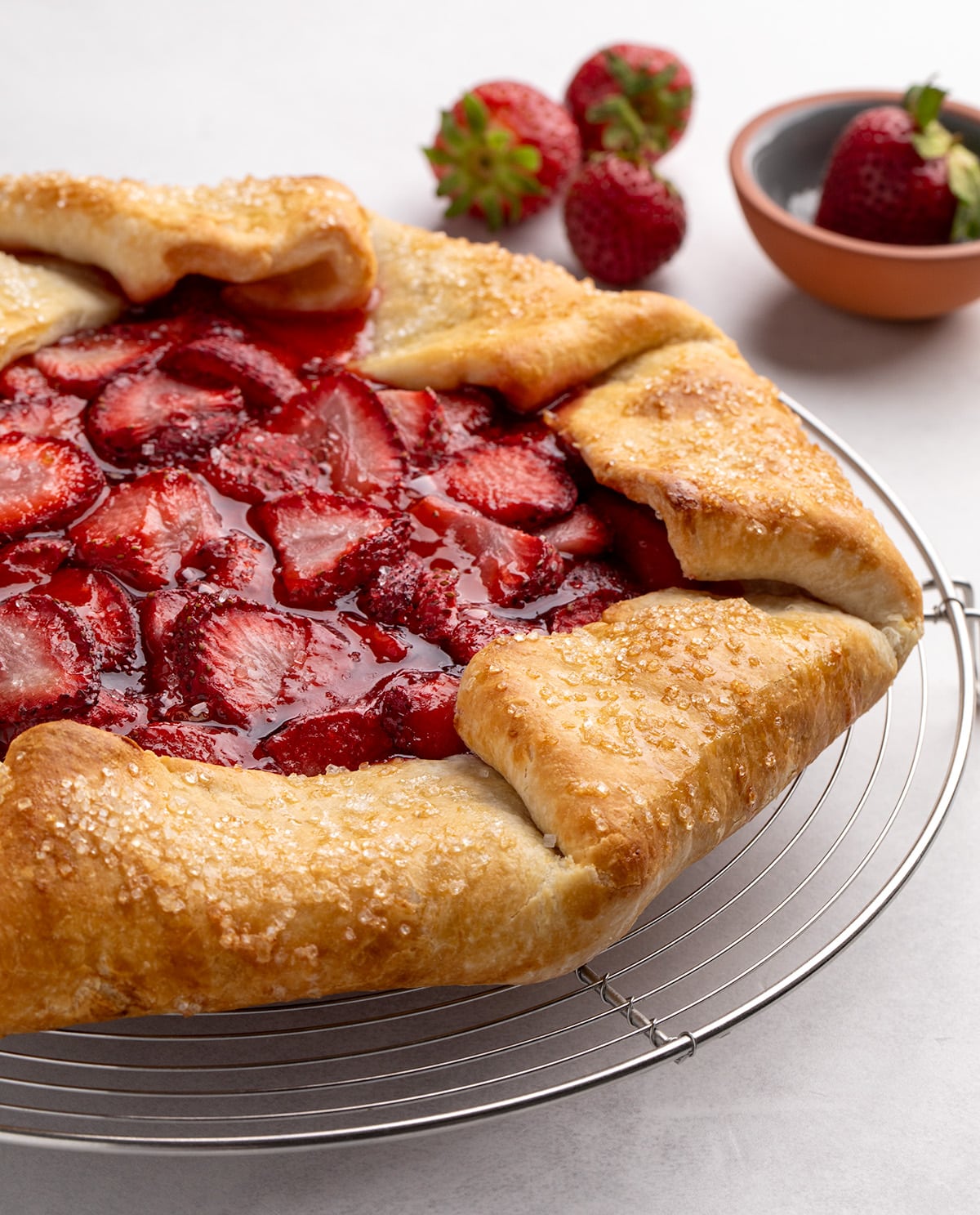
The convenience of this gluten-free galette extends to its storage and make-ahead potential. The entire uncooked galette can be assembled and then frozen on a baking sheet until firm. Once solid, it can be tightly wrapped in freezer-safe material and stored for future enjoyment. Baking directly from frozen is recommended, with a potential slight increase in baking time.
Leftover slices can be stored in an airtight container in the refrigerator for up to five days. For longer storage, up to three months, the galette can be frozen. To revive any lost crispness in reheated slices, a 300°F toaster oven is recommended.
The development of this gluten-free strawberry galette represents a thoughtful approach to accessible and delicious baking. By addressing common challenges in gluten-free pastry and celebrating the inherent qualities of fresh fruit, this recipe offers a truly satisfying dessert experience for all.
