

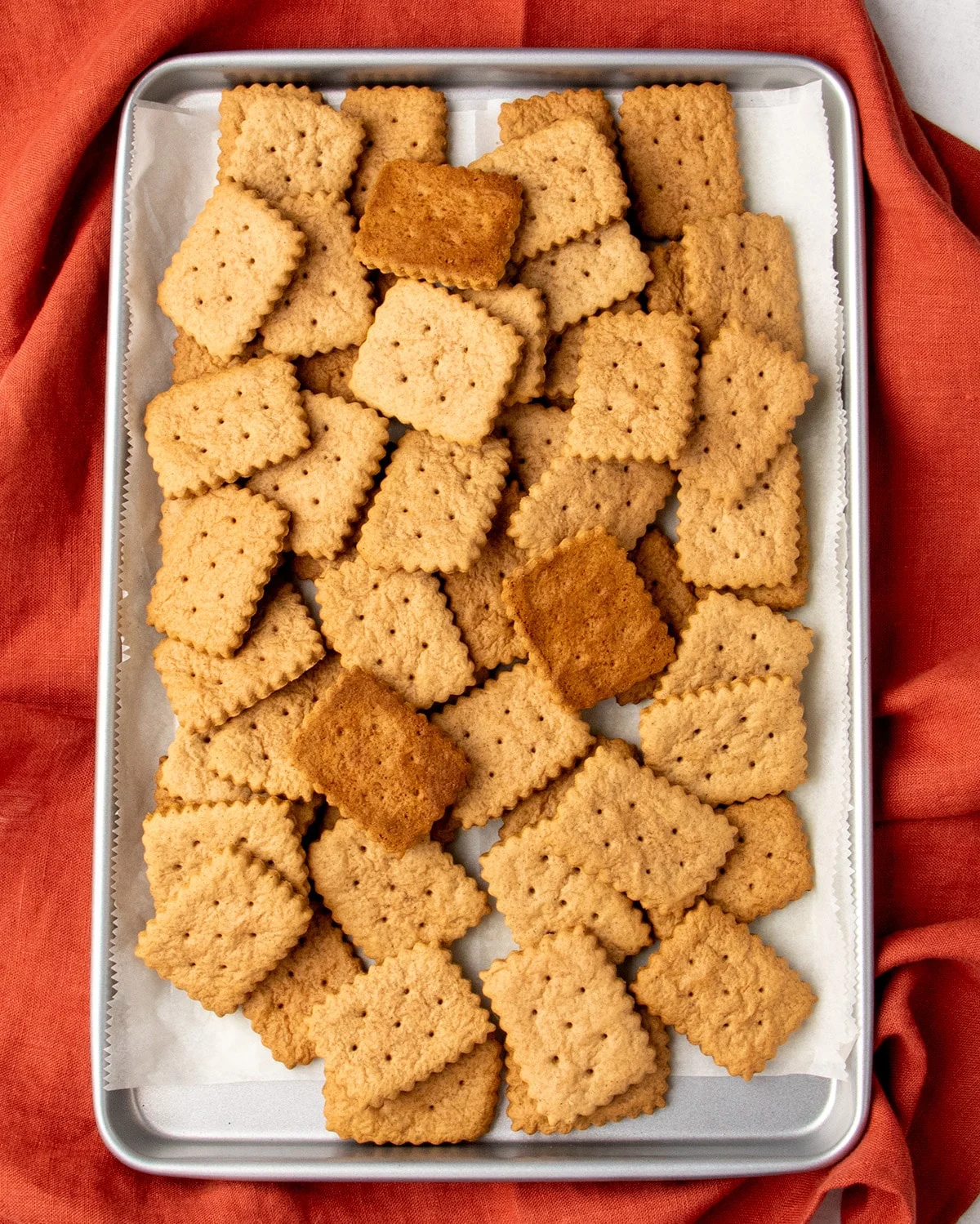
The quest for authentic flavor and satisfying texture in gluten-free baking has led many enthusiasts to recreate beloved classics. Among these efforts, a new recipe for gluten-free Biscoff cookies has emerged, promising the deeply spiced, caramelized essence of the original while adhering to strict dietary requirements. This development is particularly noteworthy as major food manufacturers, while increasingly offering gluten-free alternatives, have yet to officially release a gluten-free version of the popular Biscoff cookie from Lotus Bakeries. This innovation fills a significant gap for consumers seeking to enjoy this iconic treat without gluten.
The development of this recipe addresses a common challenge in gluten-free baking: achieving the characteristic crispness and complex flavor profile of traditional cookies. The recipe highlights a careful balance of ingredients, including brown and white sugars, honey, and a precise blend of warm spices such as cinnamon, nutmeg, allspice, cardamom, and cloves. This combination is designed to replicate the signature caramelized notes of Biscoff cookies without an overpowering sweetness.
The Science Behind the Sweetness: Recipe Mechanics
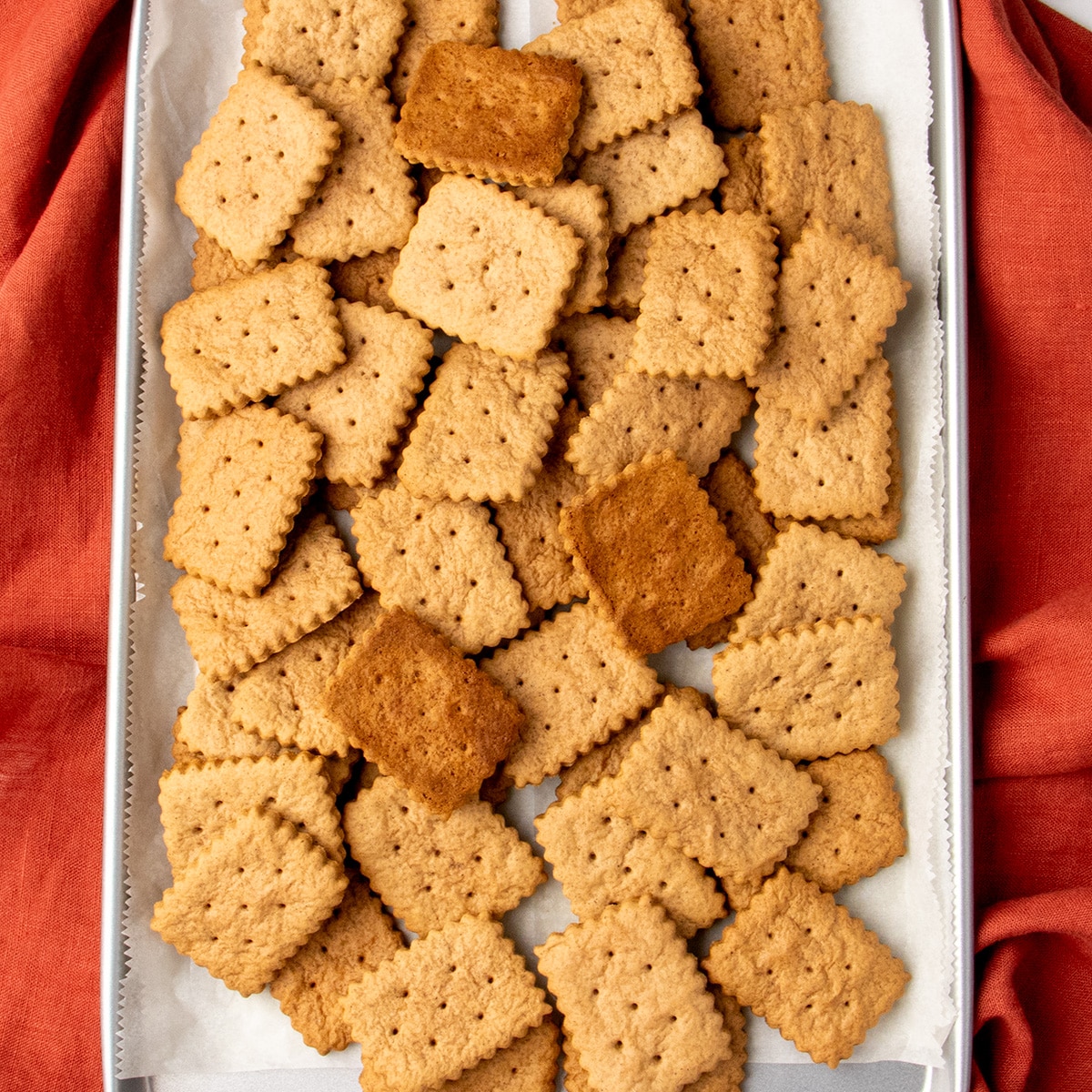
A key aspect of this gluten-free Biscoff cookie recipe lies in its user-friendly approach to dough preparation. The recipe boasts a one-bowl method, eliminating the need for mixers or food processors, making it accessible even for novice bakers. This approach is attributed to the dough’s inherent workability. Unlike many gluten-free doughs that require chilling to manage their texture, this formulation remains smooth and pliable, allowing for easy rolling and precise cutting of shapes without tearing or sticking.
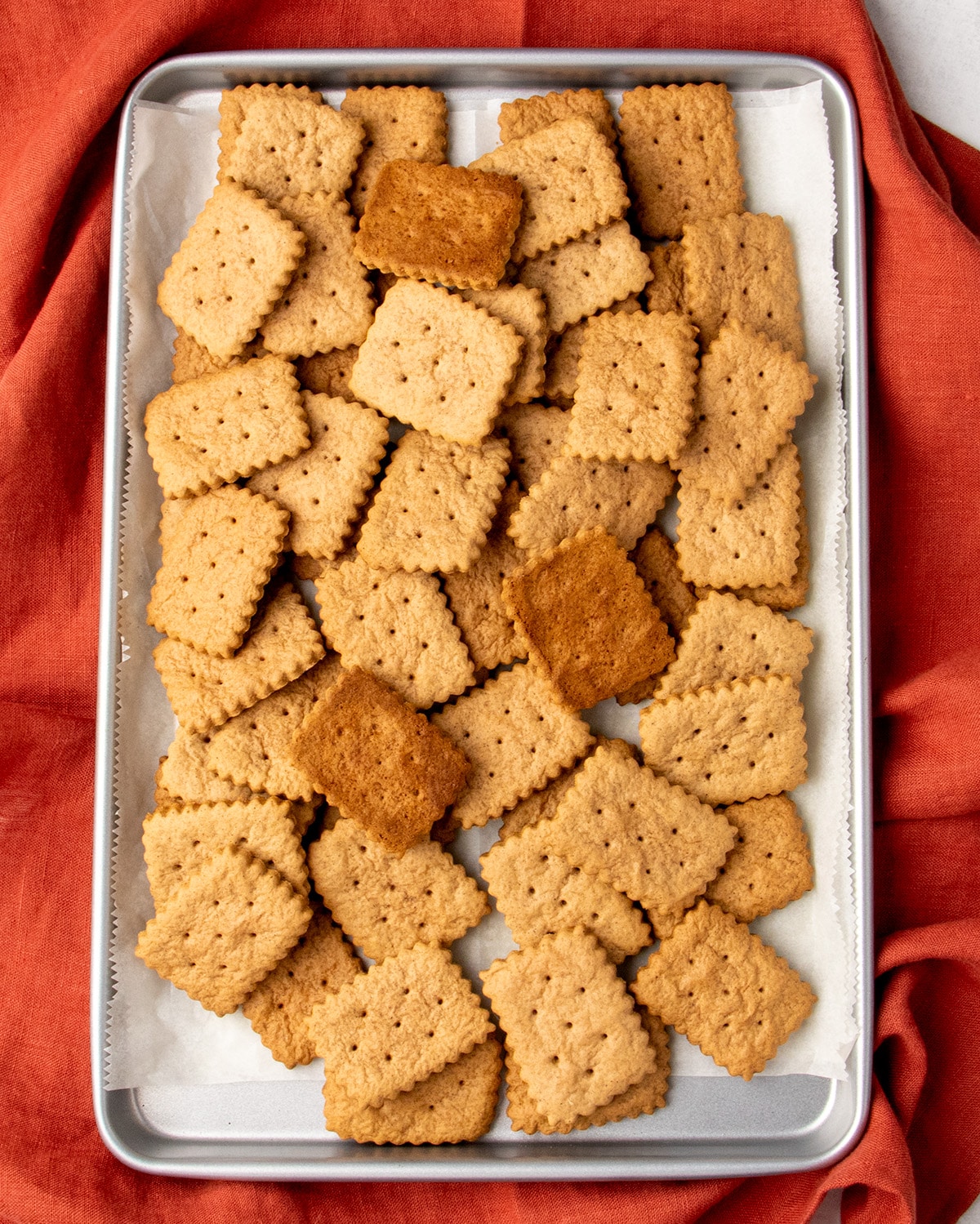
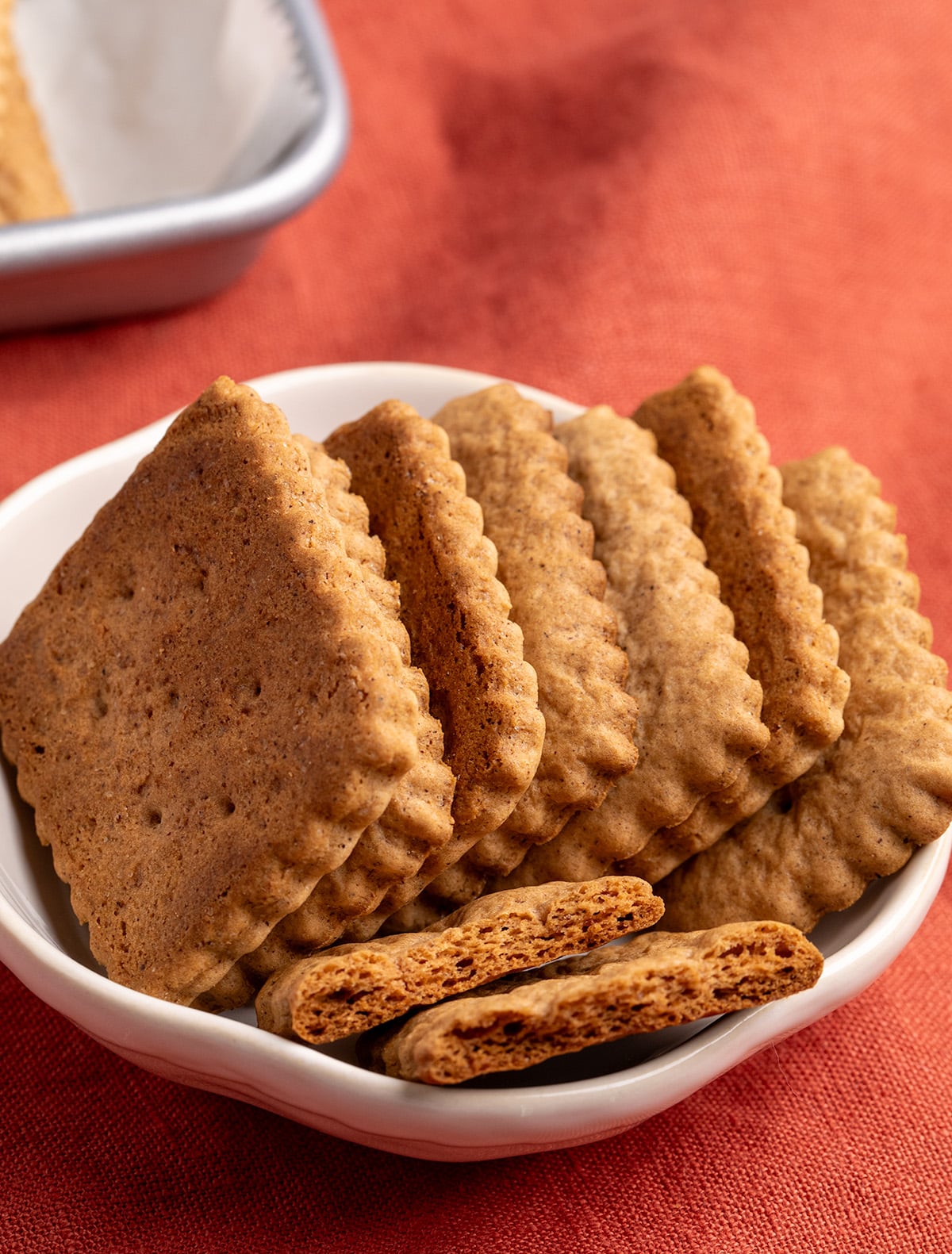
The texture of the final cookie is achieved through a combination of dough thickness and strategic perforation. Rolling the dough to a thin, uniform 1/8-inch ensures even baking. The inclusion of small holes, either pre-formed by a cookie cutter or poked with a toothpick, facilitates steam release during baking, further promoting consistent browning and preventing the dreaded undercooked center or burnt edges. This meticulous attention to detail in the baking process is crucial for achieving the desired crisp texture that fully develops as the cookies cool.
Ingredient Breakdown: The Foundation of Flavor
The foundation of these gluten-free Biscoff cookies is built upon a thoughtfully selected array of ingredients, each playing a vital role in replicating the authentic taste and texture.
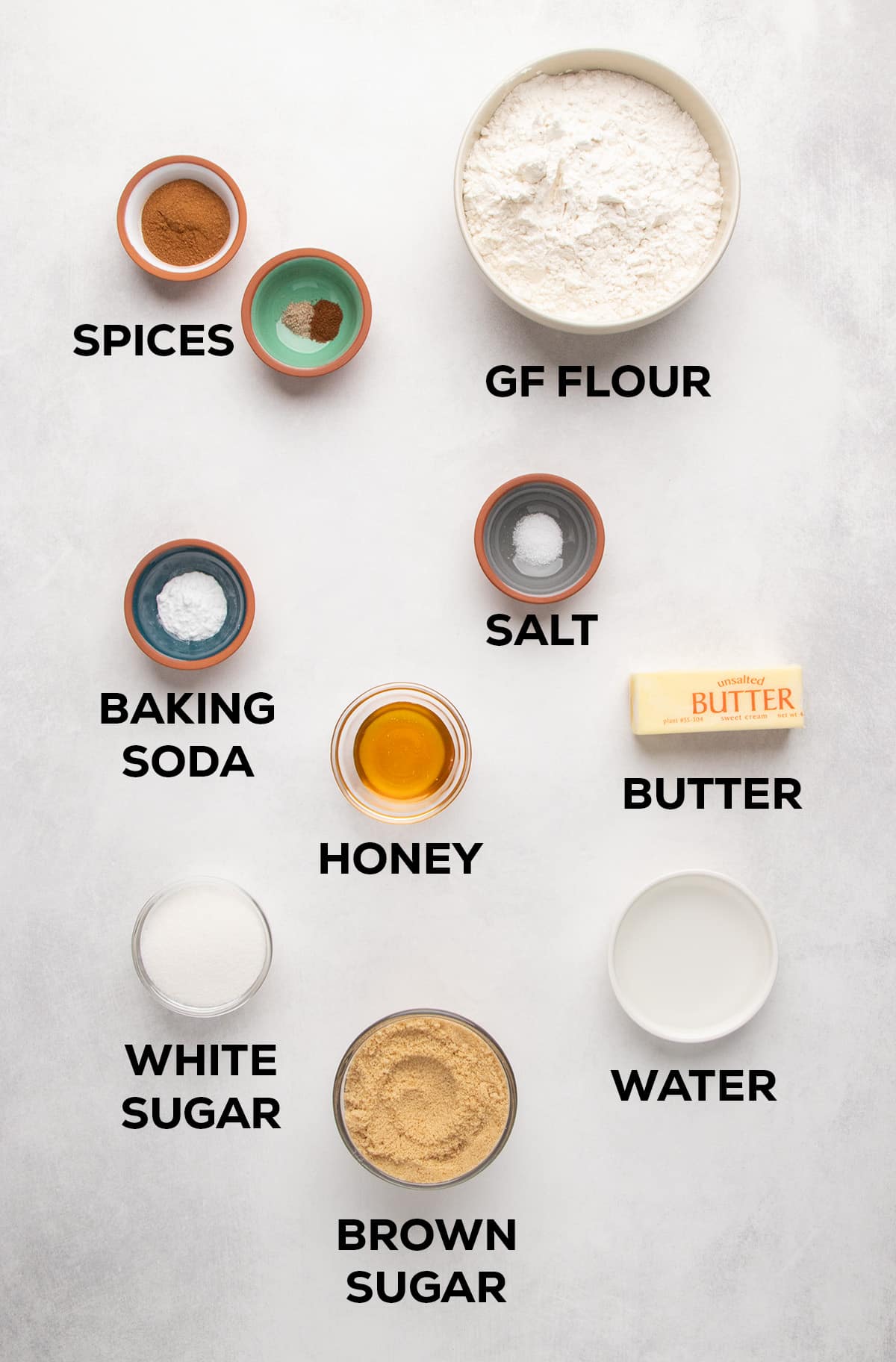
- Gluten-Free Flour Blend: The choice of a high-quality gluten-free all-purpose flour blend is paramount. The recipe specifically recommends blends such as Better Batter’s original all-purpose or Nicole’s Best multipurpose, with the addition of xanthan gum. For those using Bob’s Red Mill 1-to-1 gluten-free baking flour, an extra 1/4 teaspoon of xanthan gum is advised to compensate for its binder content. The inclusion of xanthan gum is critical in gluten-free baking as it mimics the elastic properties of gluten, providing structure and preventing crumbling.
- Sugars: A combination of granulated white sugar and light brown sugar is employed. The white sugar contributes to crispness, while the brown sugar, with its molasses content, imparts moisture and the characteristic deep, caramelized flavor.
- Honey: Honey serves as a natural sweetener and contributes to the cookie’s distinctive flavor profile and texture. Its liquid form also aids in binding the ingredients.
- Spices: The hallmark of Biscoff cookies lies in their warm spice blend. The recipe calls for a precise combination of cinnamon, nutmeg, allspice, cardamom, and cloves. This complex mix creates the unique aromatic and flavorful experience.
- Butter: Unsalted butter is used to provide richness and contribute to the cookie’s tender crumb and crisp edges.
- Baking Soda: As a leavening agent, baking soda reacts with acidic ingredients to produce carbon dioxide, causing the cookies to spread and achieve a lighter texture.
- Salt: Salt enhances the overall flavor profile, balancing the sweetness and bringing out the nuances of the spices.
- Water: Water is used to bring the dough together, ensuring it achieves the correct consistency for rolling and shaping.
A Step-by-Step Journey to Gluten-Free Perfection
The creation of these gluten-free Biscoff cookies is presented as a straightforward process, detailed with accompanying photographic guides to ensure clarity for home bakers.
- Dry Ingredient Integration: The process begins by thoroughly whisking together the gluten-free flour blend, spices, salt, baking soda, granulated sugar, and brown sugar. This ensures an even distribution of all dry components, preventing pockets of concentrated leavening agents or spices that could result in an uneven taste or texture.
- Incorporating the Fat: Cubed butter is then added to the dry ingredients. The butter is gently worked into the mixture using the tines of a fork or the back of a spoon until the mixture resembles coarse, sandy crumbs. This step is crucial for coating the flour particles with fat, which contributes to the cookie’s tender texture and prevents the butter from clumping.
- Moisture Infusion: Water and honey are added to bind the dry ingredients. The dough should form a cohesive, light brown mass that is firm enough to hold its shape when squeezed. The recipe advises adding water incrementally to achieve the desired consistency, similar to techniques used in preparing gluten-free pie crusts.
- Dough Handling and Rolling: The dough is divided in half for easier manipulation. Working on a lightly floured surface, each portion is rolled out to a uniform thickness of approximately 1/8 inch. The recipe emphasizes the importance of maintaining a pliable dough; if it feels too fragile, a touch more flour can be incorporated.
- Shaping the Cookies: Rectangular shapes are cut using a cookie cutter approximately 2.5 inches by 1.5 inches, or by employing a pastry wheel or pizza cutter. The dough scraps are gathered and re-rolled to maximize yield.
- Placement and Perforation: The cutouts are placed on parchment-lined baking sheets, spaced about half an inch apart, as they exhibit minimal spread during baking. A toothpick is then used to create several small holes in the top of each cookie, a technique designed to promote even rising and baking.
- Baking to Golden Perfection: The cookies are baked at 350°F (175°C) for approximately 15 minutes, or until they appear firm to the touch and are golden brown. It is noted that the cookies may lighten in color as they bake and will crisp up significantly upon cooling.
Adaptability and Allergen Considerations
The recipe is designed to be inherently gluten-free and egg-free, catering to common dietary restrictions. Furthermore, it offers guidance on adapting for other allergens:
- Dairy-Free Options: For a dairy-free version, the recipe suggests using block-style vegan butter alternatives such as Miyoko’s or Melt brand. However, it cautions that these alternatives may result in a less crispy cookie. Virgin coconut oil or vegetable shortening are also proposed, with the caveat that more water might be needed due to their lower water content compared to butter.
- Sweetener Substitutions: While honey is integral to the flavor, maple syrup can be used as a substitute, though a reduction in the water content might be necessary.
- Spice Variations: For those who prefer a simpler spice profile, apple pie spice can be substituted for the cinnamon, nutmeg, and allspice blend. However, the recipe emphasizes that the full complement of spices is key to achieving the authentic Biscoff taste.
Preservation of Crispness: Storage and Longevity
Proper storage is crucial for maintaining the crisp texture of these delicate cookies. The recipe recommends storing them in a sealed glass container at room temperature for up to two weeks. The use of glass is advised over plastic, as plastic can be porous and may allow moisture from the environment to penetrate, compromising the cookie’s crispness. For extended storage, freezing for up to three months is an option. While some crispness may be lost during freezing, using tempered glass containers and allowing for expansion can mitigate this effect.
Beyond the Cookie: Transforming into Spread
An intriguing extension of this recipe is the potential to transform the gluten-free Biscoff cookies into a spread. By blending approximately 5 ounces of the finished cookies with light brown sugar, baking soda, salt, tapioca starch, and melted vegetable shortening, a smooth and flavorful spread can be achieved. This spread, when allowed to cool and set at room temperature, offers a gluten-free alternative to popular cookie butter spreads. It is noted that refrigeration will cause the spread to harden, but it will soften again upon returning to room temperature.
Broader Implications for the Gluten-Free Market
The emergence of such detailed and successful gluten-free recipes for iconic treats has significant implications for the broader gluten-free market. It signals a growing capacity for home bakers to replicate the flavors and textures of traditional favorites, reducing reliance on commercially produced, often expensive, gluten-free alternatives. This trend also highlights the increasing sophistication of gluten-free baking ingredients and techniques, making it more feasible than ever to enjoy a wide array of beloved foods without compromise. As consumer demand for inclusive dietary options continues to rise, innovations like this gluten-free Biscoff cookie recipe are poised to play a crucial role in shaping the future of accessible and enjoyable baked goods. The continued development of such recipes not only provides immediate satisfaction for those with gluten sensitivities but also contributes to a growing culinary landscape where dietary restrictions do not equate to a sacrifice in taste or experience.
