

In an evolving demographic landscape where single-person households are increasingly prevalent, the culinary world is witnessing a significant shift towards acknowledging and catering to the solo diner. Traditional recipes, often scaled for families or groups, are being re-evaluated to meet the demands of individuals seeking both convenience and culinary satisfaction without the burden of excessive preparation, waste, or cleanup. Leading publications, such as Bon Appétit with its dedicated "Me, Myself, and Dinner" series, are at the forefront of this movement, championing dishes that serve one and only one. This initiative underscores a broader societal trend: the recognition that dining alone should be an anticipated pleasure, not a solitary chore, and the humble omelet has emerged as a quintessential example of a dish perfectly suited to this modern culinary ethos.
The Demographic Imperative: A Nation of Solo Diners
The growth of single-person households is not merely a statistical anomaly but a profound demographic shift with wide-ranging implications, including how individuals approach meal preparation and consumption. According to recent data from the U.S. Census Bureau, nearly 29% of households in the United States consisted of a single person in 2022, a figure that has steadily climbed over the past several decades. This trend, which began accelerating in the late 20th century and continues into the 21st, reflects a confluence of factors, including delayed marriage, increased urbanization, greater economic independence for women, and an aging population. Research from the Pew Research Center further indicates a growing number of adults choosing to live alone, driven by personal preference, career demands, or evolving social structures. This demographic reality necessitates a re-evaluation of household infrastructure and consumer products, with the food industry being a particularly significant sector impacted.
For decades, the standard recipe format presumed a nuclear family or larger social unit, leading to inherent challenges for individuals cooking for themselves. Portion control, ingredient waste, and the disproportionate effort involved in preparing a multi-serving meal for one person have historically been deterrents to home cooking among solo dwellers. Consequently, many resorted to convenience foods, takeout, or repetitive, uninspired meals. The shift towards acknowledging and actively serving this segment of the population marks a maturation in the culinary industry, moving beyond the traditional family-centric model to embrace diverse living arrangements. This adaptation is not just about convenience; it’s about validating a lifestyle choice and ensuring that the act of eating, regardless of company, remains a source of pleasure and nourishment.
Culinary Innovation for the Individual: The "Me, Myself, and Dinner" Philosophy
In response to this growing demographic, culinary platforms are increasingly focusing on tailored solutions. Bon Appétit’s "Me, Myself, and Dinner" series exemplifies this adaptive strategy, providing a curated collection of recipes specifically designed for single servings. Launched as a direct answer to the needs of its readership, the initiative’s underlying philosophy is simple yet profound: to elevate the act of cooking and eating alone from a necessity to a deliberate act of self-care and enjoyment. This approach recognizes that whether an individual lives solo or is simply enjoying an evening to themselves, the meal experience should be something genuinely looked forward to, offering both nourishment and a moment of personal indulgence.
Culinary experts and food trend analysts have highlighted the importance of this shift. Dr. Emily Carter, a sociologist specializing in consumer behavior, notes, "The rise of solo living has redefined what ‘dinner’ means for millions. It’s no longer just about feeding a family; it’s about nourishing oneself, often after a demanding day. The demand for recipes that respect an individual’s time, resources, and desire for quality without excess is paramount." Similarly, Chef Anya Sharma, a proponent of mindful eating and sustainable culinary practices, suggests, "Cooking for one can be incredibly liberating. It allows for experimentation, tailored flavors, and an intimate connection with your food, free from the compromises often necessary when cooking for diverse palates. Initiatives like Bon Appétit’s are validating this experience, demonstrating that thoughtful single-serving meals are a cornerstone of modern self-care." This sentiment reflects a broader cultural embrace of individualism and well-being, where a meal prepared thoughtfully for oneself is seen as an investment in personal happiness and autonomy.
The Omelet: A Paradigm of Solo Culinary Efficiency
Among the myriad options for solo dining, the omelet stands out as an almost perfect embodiment of the principles championed by the "Me, Myself, and Dinner" series: efficiency, simplicity, and satisfying deliciousness. It is a dish that not only delivers on taste but also minimizes the common pain points associated with cooking for one, particularly the dreaded cleanup. Its adaptability and quick preparation make it an ideal choice for a variety of occasions, from a quick breakfast to a fulfilling dinner.

The appeal of the omelet for a solo diner lies in its inherent characteristics:
- Minimal Ingredients: Typically requiring just eggs, a few optional fillings, and basic seasonings, it avoids the need for a large grocery haul or specialized components that might go to waste. This directly addresses the challenge of managing perishable goods in a single-person household.
- Rapid Preparation and Cook Time: A well-executed omelet can be on the plate in under 15 minutes, making it an ideal choice for busy weeknights when time and energy are at a premium. This speed is a significant advantage over more complex dishes that demand longer cooking times and more involved steps.
- Reduced Cleanup: The entire process, from whisking eggs to cooking, can often be confined to a single bowl and a single pan, significantly reducing the post-meal chore. This is a critical factor for many solo cooks who bear the entire responsibility of kitchen maintenance, making the prospect of cooking less daunting.
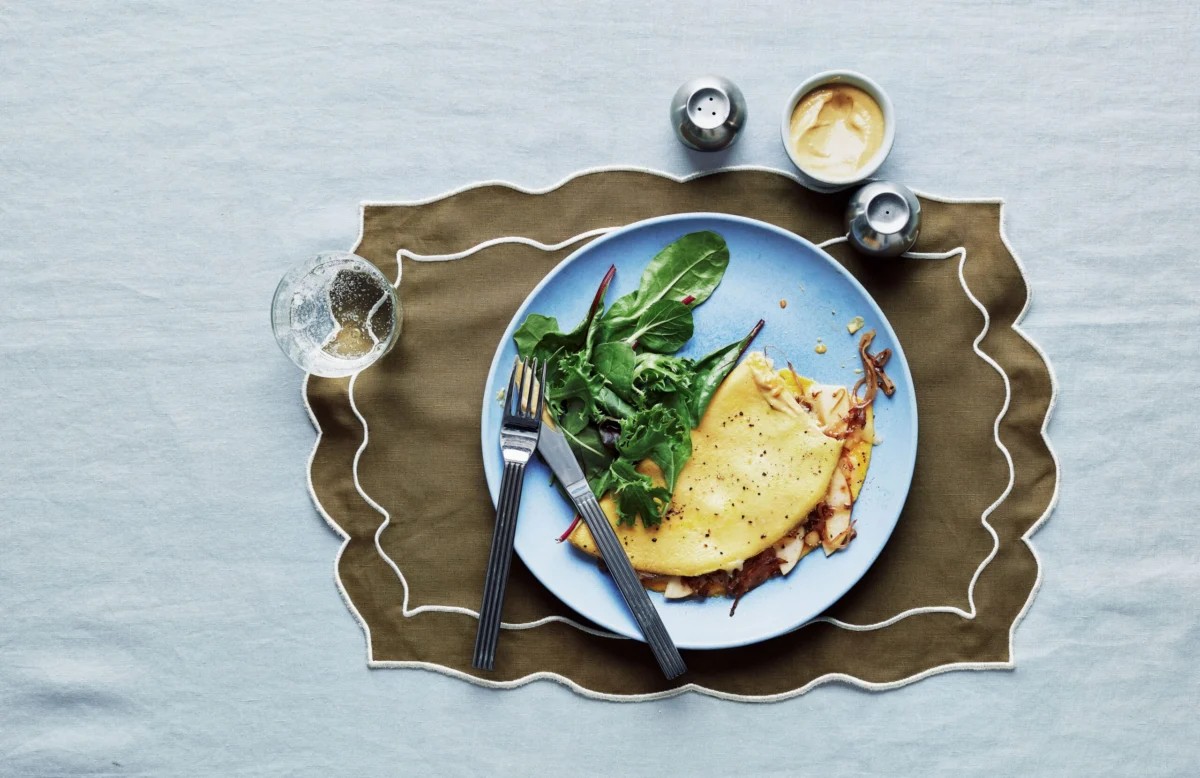
- Versatility: The omelet serves as a blank canvas for a multitude of flavors and textures. From classic cheese and herbs to more adventurous combinations like the caramelized shallot, crisp apple, and nutty Fontina cheese highlighted by Bon Appétit, its adaptability ensures it can cater to varied palates and available ingredients, preventing meal fatigue.
- Nutritional Value: Eggs are a powerhouse of protein, essential vitamins (like D and B12), and minerals, providing a substantial and balanced meal that supports satiety and energy levels. This makes the omelet not just convenient but also a highly nutritious option.
The traditional perception of omelets as a brunch staple served alongside bacon and hash browns is evolving. Increasingly, they are being recognized as a legitimate and highly desirable option for a satisfying solo supper. The logistical nightmare of preparing multiple omelets simultaneously – where some diners are served cold eggs or cooks are juggling several pans – simply vanishes when the focus is on a single, perfectly executed portion. This singular focus allows for a level of precision and enjoyment often lost in group cooking, transforming a simple dish into a culinary achievement.
Mastering the Solo Omelet: Techniques and Considerations
Achieving the ideal single-serving omelet involves a few key considerations, primarily focused on equipment and preparation. The recommended approach often leans towards a folded diner-style omelet, which is generally more forgiving and "chill" to execute than its more demanding French roll counterpart, which requires more specific pan manipulation for its characteristic tight roll.
- Equipment Choice: The choice of pan is crucial. A well-seasoned carbon-steel pan, known for its excellent heat retention and naturally nonstick surface once properly preheated, is often favored by experienced cooks for its ability to create a beautiful crust and even cooking. However, for those prioritizing absolute ease and minimal technique, a high-quality nonstick pan remains an excellent and widely accessible option. The objective is a surface that prevents sticking without requiring excessive oil, facilitating a smooth cooking process and easy cleanup. Both options cater to different levels of culinary engagement, affirming that deliciousness is achievable regardless of one’s preferred method.
- Mise en Place: For a dish that cooks as quickly as an omelet, "mise en place" – having all ingredients prepped and ready before cooking begins – is paramount. This includes finely slicing aromatics like shallots, dicing crisp fruits like apples, and grating cheeses such as Fontina or cheddar. This organizational step ensures a seamless cooking flow, preventing overcooking of the eggs while the cook is scrambling for ingredients, thus maintaining the dish’s rapid preparation time.
- The Three-Egg Standard: Culinary consensus, particularly within the context of substantial single-serving meals, often settles on three eggs as the optimal quantity for an individual omelet. This amount provides sufficient volume for a satisfying meal without being overly dense or challenging to cook evenly. The eggs should be thoroughly whisked to incorporate air, contributing to a soft, fluffy texture, and seasoned adequately with salt and pepper.
- Pan Temperature: Achieving the correct pan temperature is vital for a perfect omelet. A common technique involves flicking a small splash of water onto the heated pan. If the water forms beads that dance across the surface before evaporating, the pan is adequately hot. If it sizzles and disappears instantly, more heating is required. This precise temperature control prevents the eggs from sticking and ensures even cooking, yielding a tender interior and a lightly golden exterior.
- Filling Integration: The sequence of adding fillings can significantly impact the final texture and flavor. Shallots, for instance, are often fried first until they achieve a sticky-sweet, deep amber hue, enhancing their flavor profile and adding a layer of complexity. Raw apple provides a contrasting cool and tart element, cutting through the richness of the cheese and eggs, offering a dynamic textural and taste experience. Cheeses like Fontina, known for their superior melting qualities, are typically added during the final stages of cooking to achieve a desirable ooey-gooey consistency that binds the omelet together.
Beyond the Omelet: Broader Implications for Solo Dining
The embrace of the single-serving omelet as a legitimate dinner option extends beyond merely simplifying a recipe; it symbolizes a broader shift in how the food industry and consumers approach solo dining. This trend has several significant implications that are reshaping the culinary landscape:
- Product Development: Food manufacturers are increasingly developing smaller portion sizes for ingredients that traditionally came in bulk, such as fresh meats, vegetables, and dairy products, directly addressing the issue of waste for solo households. Single-serving meal kits are also gaining popularity, offering convenience without the commitment to multiple meals or the need for extensive grocery shopping.
- Restaurant Adaptations: While historically catering to groups, some restaurants are beginning to offer more flexible portioning or dedicated "small plates" menus that appeal to solo diners, recognizing their growing market share. This adaptation extends to seating arrangements, with more counter seating or individual tables becoming available to accommodate solo patrons comfortably.
- Sustainability: By encouraging precise portioning and minimizing food waste, the solo dining movement, when executed thoughtfully, can contribute significantly to greater food sustainability. Individuals are less likely to over-purchase or discard unused ingredients, aligning with broader environmental goals.
- Mental Well-being: The act of intentionally cooking a delicious meal for oneself can be a powerful ritual for mental well-being. It transforms mealtime from a functional necessity into an opportunity for self-care, mindfulness, and a brief escape from daily pressures. The description of "zoning out while cooking" and ending up with "bliss" on the couch with fork and phone highlights this restorative aspect, emphasizing the psychological benefits of a well-prepared solo meal.
- Dietary Control: Solo cooking provides individuals with complete control over ingredients, portion sizes, and cooking methods, facilitating adherence to specific dietary requirements or health goals without external influence. This autonomy is crucial for individuals managing allergies, intolerances, or specific nutritional plans.
The omelet, a deceptively simple dish, serves as a gateway to this enriched solo culinary experience. It demonstrates that a truly satisfying meal does not require elaborate preparation or a crowd. For those seeking to augment their solo omelet, simple additions like a piece of toasted bread for scooping, a handful of oven-baked frozen fries for heartier days, or a quick vinaigrette-dressed salad for vegetable intake can round out the meal without compromising the core principles of ease and efficiency. These additions further illustrate the adaptability of solo dining to individual preferences and nutritional needs.
Conclusion
The increasing prevalence of single-person households has catalyzed a necessary evolution in culinary thought and practice. Initiatives like Bon Appétit’s "Me, Myself, and Dinner" are not just offering recipes; they are validating and celebrating the solo dining experience, providing practical solutions for a growing demographic. The omelet, with its inherent simplicity, versatility, and efficiency, stands as a testament to the potential for delicious and satisfying meals crafted for one. This trend signifies a broader cultural acknowledgment of individualism and well-being, where cooking for oneself is recognized not as a compromise, but as a deliberate and fulfilling act. As demographics continue to shift, the art of solo dining, epitomized by the perfectly prepared omelet, is poised to become an increasingly central and cherished aspect of contemporary culinary life, proving that a meal for one can indeed be an occasion for genuine culinary bliss.
