

The month of September annually presents a distinctive period in the culinary calendar, characterized by a dual bounty of produce and a simultaneous surge in household activity. This confluence creates what many food experts describe as a "sweet spot" for home cooks, offering an unparalleled opportunity to leverage peak seasonal ingredients while necessitating highly efficient and strategic meal planning. Far from being a mere transition, September embodies a complex interplay of agricultural cycles, societal rhythms, and evolving consumer demands that shape how families approach their nightly meals.
The Bountiful Harvest: A Culinary Bridge Between Seasons
Agriculturally, September stands as a pivotal month, bridging the vibrant yields of late summer with the initial offerings of autumn. This overlap results in an extraordinary array of fresh produce reaching peak ripeness and availability. Data from agricultural agencies, such as the United States Department of Agriculture (USDA), consistently indicate that crops like tomatoes, bell peppers, and basil continue to be harvested in robust quantities throughout early to mid-September, especially in temperate zones. Simultaneously, the earliest harbingers of fall, including various apple varieties and winter squashes, begin to make their appearance in farmers’ markets and grocery stores.
Summer’s Lasting Legacy: Tomatoes, the quintessential summer fruit, maintain their intense flavor and juiciness well into September. Varieties ranging from heirloom beefsteaks to sweet cherry tomatoes are widely available, often at competitive prices due to high yields. According to a recent market analysis by Agri-Food Economics, Inc., the per-pound cost of vine-ripened tomatoes can decrease by up to 20% in late summer compared to early season prices, making them an economical and flavorful choice. Bell peppers, in their vibrant spectrum of red, yellow, and green, also remain abundant, offering crispness and a rich source of Vitamin C. Basil, with its aromatic leaves, thrives in the lingering warmth, providing a fresh, herbaceous note essential to numerous late-summer dishes.
Perhaps the most iconic symbol of late-summer overabundance is zucchini. Often dubbed the "gardeners’ curse" due to its prolific growth, zucchini is frequently available at minimal cost, if not given away freely by home gardeners. This glut presents an economic opportunity for consumers, as zucchini is incredibly versatile, suitable for grilling, roasting, sautéing, baking, or even raw preparations. "The sheer volume of zucchini in September is a testament to the generosity of the season," remarks Dr. Eleanor Vance, a food systems expert at the University of Culinary Arts. "It encourages creativity and frugality in equal measure, challenging cooks to find innovative ways to incorporate it into their menus before the first hard frost."
Autumn’s Gentle Introduction: Concurrent with summer’s lingering presence, September introduces the subtle, yet distinct, flavors of autumn. Apples, often considered the heralds of fall, begin their harvest season, with early varieties like Gala, Honeycrisp, and McIntosh becoming available. These early apples signal a shift towards heartier, often baked or stewed, preparations. The changing foliage and the appearance of pumpkin spice lattes in coffee shops further underscore this seasonal transition, influencing consumer psychology and culinary preferences. This period represents a unique opportunity for home cooks to experiment with dishes that artfully blend the freshness of summer with the comforting warmth of fall.
The September Rush: A Societal Imperative for Efficiency
While the agricultural landscape offers an embarrassment of riches, the societal context of September presents significant challenges for meal preparation. The post-Labor Day period traditionally marks a return to more structured routines across many Western societies. This includes the "back-to-school" phenomenon, which not only affects students but also parents, who must navigate new schedules, extracurricular activities, and homework demands. Soccer practices, ballet lessons, music rehearsals, and other after-school commitments fill up calendars, drastically reducing the time available for elaborate meal preparation.
Furthermore, for many professionals, the end of "summer Fridays" or more relaxed summer work schedules means a return to full-throttle office hours. This increase in professional demands, coupled with the personal obligations of family life, often leads to what social scientists term "time poverty" – a perceived lack of discretionary time. The psychological impact of the "post-Labor Day blues" or the general acceleration of life can further diminish enthusiasm for complex culinary endeavors after a long day.
According to a 2023 survey by the National Association of Home Economics, nearly 65% of parents reported feeling "overwhelmed" by weeknight meal preparation during the back-to-school season. This sentiment underscores a critical need for culinary strategies that prioritize efficiency without compromising nutrition or flavor. "September is when meal planning truly becomes a survival skill," states Maria Rodriguez, a busy mother of three and advocate for streamlined home cooking. "You need meals that are not only delicious but also dependable, reducing mental load and ensuring everyone is fed without a nightly scramble."
Strategic Meal Planning: The Pillars of September Suppers
In response to these converging factors, the demand for specific types of recipes surges in September. The focus shifts towards practical, time-saving solutions that can integrate seamlessly into packed schedules.
Make-Ahead Recipes: The ability to prepare components or entire dishes in advance is paramount. This strategy allows cooks to front-load effort during less hectic times (e.g., Sunday afternoon) and then assemble or reheat meals quickly on busy weeknights. Marinated lentil salads, for instance, not only improve in flavor overnight but also offer a complete, nutritious meal ready for packing as lunch or serving as a light dinner. Pre-chopping vegetables, batch-cooking grains, or preparing sauces in advance are tactics that significantly reduce active cooking time during the evening rush.
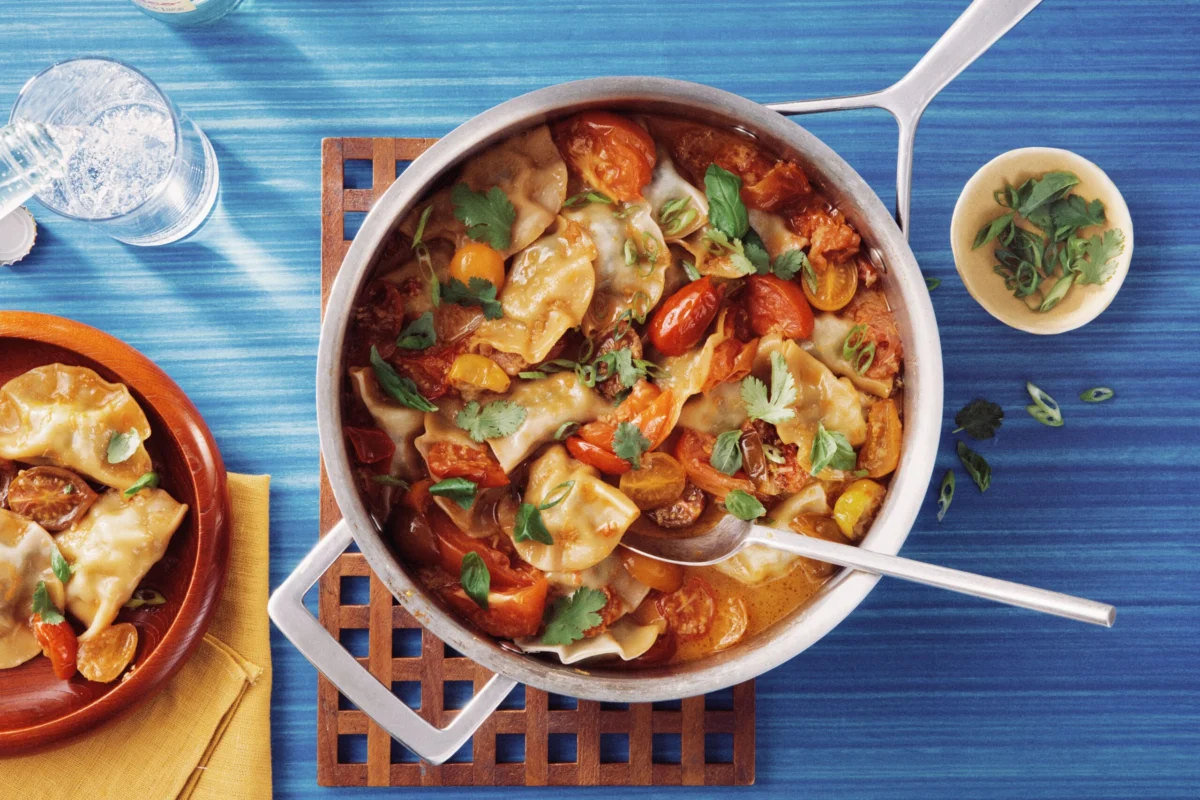
One-Pot Dinners: Minimizing cleanup is another critical factor. One-pot (or one-pan, one-sheet-pan) dinners are celebrated for their simplicity and the significant reduction in post-meal dishwashing. Recipes that allow all ingredients to cook together, whether roasted in an oven, simmered on a stovetop, or prepared in an instant pot, are invaluable. These dishes often feature a protein, a vegetable, and a starch, creating a balanced meal with minimal fuss. "The allure of a one-pot meal in September cannot be overstated," explains Chef Antoine Dubois, proprietor of a popular bistro known for its seasonal menu. "It’s about maximizing flavor development with minimal intervention and, crucially, minimizing the aftermath."
30-Minute Meals: For nights when hunger strikes unexpectedly or schedules completely derail, quick-cooking meals are essential. These recipes prioritize speed without sacrificing quality. They often rely on fast-cooking proteins like shrimp or thinly sliced chicken, rapid-cooking grains like couscous or instant rice, and quickly sautéed or steamed vegetables. Leveraging seasonal produce like fresh tomatoes and basil can transform a simple pasta dish into a vibrant, satisfying meal in under half an hour. The objective is to provide a wholesome alternative to takeout, which, while convenient, can be less nutritious and more costly in the long run.
Expert Perspectives on Seasonal Eating and Efficiency
Nutritionists and culinary experts consistently advocate for embracing seasonal eating, especially during months like September. "Eating seasonally aligns our diets with nature’s rhythms, often providing produce at its peak nutritional value and flavor," notes Dr. Anya Sharma, a registered dietitian and public health advocate. "It also tends to be more economical and environmentally sustainable, reducing the carbon footprint associated with long-distance transportation and greenhouse cultivation."
The economic benefit of seasonal produce is substantial. When ingredients are abundant locally, their market price tends to be lower, allowing families to stretch their food budgets further. This is particularly relevant in periods of economic uncertainty or rising inflation, making seasonal cooking not just a culinary choice but a financial strategy. Furthermore, supporting local farmers by purchasing seasonal produce contributes to local economies and helps sustain agricultural communities.
The integration of efficiency into meal planning is also seen as a crucial component of overall well-being. "The mental burden of daily meal preparation can be significant," says Dr. Mark Jensen, a clinical psychologist specializing in family dynamics. "By adopting strategies like make-ahead or one-pot meals, families can reduce stress, free up time for connection, and improve the overall quality of their home life. Food should be a source of nourishment and enjoyment, not another source of stress."

Economic and Environmental Implications of September’s Culinary Landscape
The patterns of food consumption and preparation in September have broader economic and environmental implications. The high availability of certain crops can lead to reduced food waste at the consumer level if these ingredients are effectively utilized. Conversely, if the abundance is not managed well, it can lead to increased waste. Educational campaigns promoting food preservation techniques (canning, freezing, pickling) for seasonal gluts like zucchini become particularly relevant during this time.
From an environmental standpoint, prioritizing locally sourced, seasonal produce significantly reduces the food miles associated with transporting goods from distant regions. This contributes to a lower carbon footprint and supports more sustainable food systems. The emphasis on home cooking, as opposed to relying heavily on processed foods or takeout, also generally leads to healthier diets and less packaging waste.
The demand for efficient cooking tools and resources also sees a spike. Sales of slow cookers, instant pots, and larger food processors often increase in late summer as consumers prepare for the busy fall season. This trend reflects a broader consumer shift towards convenience-driven kitchen solutions that support the desire for homemade meals without the time commitment traditionally associated with them.
Looking Ahead: From September’s Sweet Spot to Deeper Fall Flavors
As September progresses, the balance subtly shifts. The last vestiges of summer tomatoes give way entirely to the more robust flavors of fall. The focus transitions from fresh, raw preparations to comforting, warming dishes. Soups, stews, and roasted vegetables become more prominent as the weather cools and blustery days become more frequent. This continuous evolution underscores the dynamic nature of seasonal cooking, where adaptability is key.
The lessons learned in September – the art of efficient planning, the joy of seasonal ingredients, and the necessity of practical cooking solutions – carry forward into the deeper months of autumn and winter. They establish a foundation for sustained home cooking that is both enjoyable and sustainable, regardless of external pressures.
Conclusion
September is far more than just another month; it is a critical juncture in the annual cycle of home cooking. It is a period defined by the generous overlap of late summer’s vibrant produce and early autumn’s first hints, coinciding with a pronounced societal shift towards heightened schedules and increased demands on personal time. This unique combination necessitates a strategic approach to meal preparation, favoring make-ahead options, one-pot wonders, and quick 30-minute meals. By understanding and adapting to these seasonal and societal rhythms, home cooks can transform the potential stress of the "September rush" into an opportunity for creative, economical, and deeply satisfying culinary experiences, ensuring that the nightly meal remains a beacon of nourishment and comfort amidst the bustling demands of life.
