

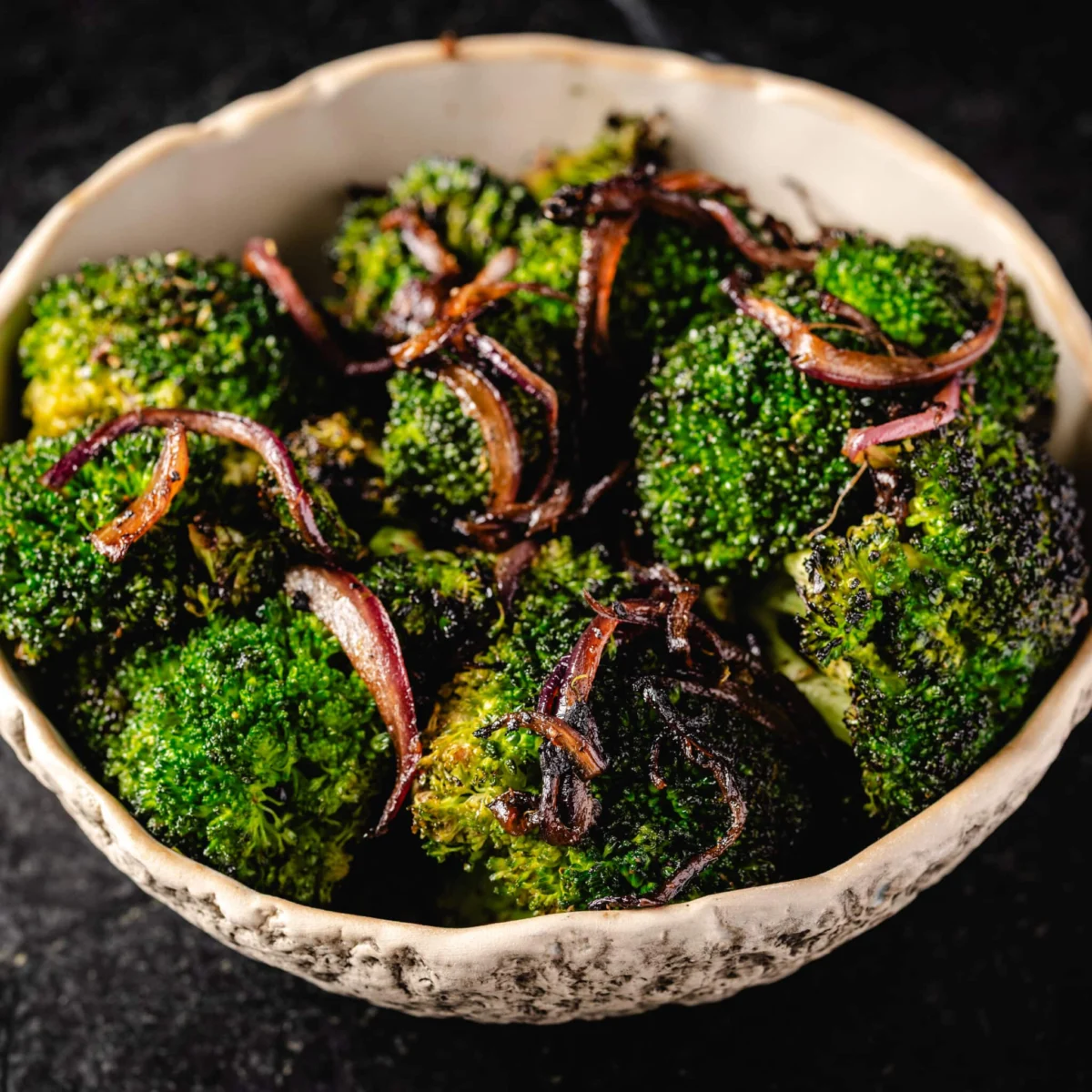
The integration of nutrient-dense vegetables into the traditional American barbecue repertoire represents a significant shift in contemporary outdoor culinary practices. As home cooks seek to move beyond standard fare such as coleslaw and potato salad, the emergence of high-heat vegetable preparation techniques has gained substantial traction. A prominent example of this trend is the Grilled Broccoli and Red Onions recipe, a staple developed by Susie Bulloch, the founder of the culinary platform Hey Grill Hey and author of the authoritative text, Backyard BBQ Hero. This preparation method challenges the conventional perception of broccoli as a soft, steamed accompaniment, instead positioning it as a charred, texture-rich centerpiece of the grilling experience. By utilizing a combination of high-intensity heat, a zesty Italian marinade, and specific hardware such as the grill basket, this dish exemplifies the evolution of the "whole meal" grilling philosophy, where every component of a dinner is prepared over an open flame.
The Evolution of Outdoor Vegetable Preparation
Historically, vegetables in a barbecue context were often relegated to raw platters or foil-wrapped packets that functioned similarly to indoor steaming. However, the modern culinary movement has identified the grill as an ideal vessel for the Maillard reaction—a chemical reaction between amino acids and reducing sugars that gives browned food its distinctive flavor. For broccoli, a cruciferous vegetable often criticized for its texture when boiled or over-steamed, the application of direct fire offers a transformative result. The florets, characterized by their high surface area, are particularly adept at catching char, while the stalks retain a crisp-tender integrity that is frequently lost in traditional water-based cooking methods.

Susie Bulloch, a recognized figure in the barbecue industry with appearances on the Food Network and multiple Guinness World Record credits, has advocated for this transition. Her approach, as detailed in her 2024 publication, emphasizes the use of simple, accessible ingredients to achieve professional-grade results. The Grilled Broccoli and Red Onions recipe was selected for her first cookbook specifically because of its ability to convert those who generally avoid cooked vegetables. This highlights a broader trend in culinary education: the focus on texture as a primary driver of food preference, particularly among younger or "picky" demographics.
Technical Specifications and Tool Requirements
To achieve the desired results in grilled vegetable preparation, technical precision and the correct equipment are paramount. One of the primary challenges when grilling small-format vegetables like broccoli florets and sliced red onions is the risk of "grate loss," where ingredients fall through the grill bars into the charcoal or burners. To mitigate this, the use of a stainless steel or non-stick grill basket is recommended. These baskets feature small perforations that allow smoke and flame to penetrate the food while providing a secure enclosure that facilitates easy tossing and flipping.
The thermal dynamics of the grill must also be managed carefully. For this specific recipe, a medium-high heat setting is optimal. On a gas grill, this typically corresponds to a temperature range of 375°F to 400°F. For charcoal enthusiasts, this involves establishing a two-zone heat configuration where the vegetables can be charred over direct heat and then moved to a cooler zone if the exterior begins to darken too rapidly before the stalks have softened.

Ingredient Analysis and Flavor Profile
The Grilled Broccoli and Red Onions dish relies on an eight-ingredient framework, centered around a homemade or high-quality store-bought Italian dressing. The chemistry of the dressing is vital to the success of the dish. The oil acts as a heat conductor, ensuring even browning and preventing the broccoli from drying out under the intense heat. The acid—typically vinegar or lemon juice—serves two purposes: it tenderizes the vegetable fibers and provides a bright contrast to the smoky, charred notes produced by the grill.
The Component Breakdown:
- Broccoli Florets: These serve as the primary structural element. The "trees" of the broccoli are highly absorbent, taking on the flavors of the marinade and the smoke.
- Red Onions: When sliced and subjected to heat, the natural sugars (fructose) in red onions undergo caramelization. This process reduces the pungency of the raw onion, replacing it with a mellow sweetness that complements the earthy notes of the broccoli.
- Zesty Italian Dressing: Whether using a pre-packaged variety or a homemade blend of oil, vinegar, garlic, and herbs (such as oregano, basil, and parsley), the dressing provides the necessary seasoning and lubrication.
Nutritional data for this preparation indicates a profile that is both low in calories and high in essential micronutrients. A standard serving contains approximately 117 calories, with a notable 181 mg of Vitamin C, which exceeds the daily recommended intake for most adults. The retention of fiber (6g per serving) is also superior to boiling, as the rapid high-heat cooking preserves the cellular structure of the vegetable more effectively than prolonged immersion in water.
Chronological Preparation and Execution
The process of preparing Grilled Broccoli and Red Onions follows a specific timeline designed to maximize flavor absorption and ensure even cooking.

- Preparation and Marination (0-15 Minutes): The broccoli must be cut into uniform florets to ensure consistent cooking times. The red onions are sliced into wedges or thick rings. These are combined in a large mixing bowl and tossed with the Italian dressing. A brief marination period allows the flavors to penetrate the crevices of the florets.
- Grill Preheating (10-15 Minutes): The grill, along with the grill basket, must be preheated. Placing the basket on the grates during the preheating phase ensures that the vegetables begin searing the moment they make contact with the metal, preventing sticking and promoting immediate browning.
- The Grilling Phase (10-12 Minutes): The vegetables are transferred to the hot grill basket. During this phase, the cook must remain active, tossing the vegetables every 3 to 4 minutes. This ensures that all sides of the broccoli florets are exposed to the heat, leading to a uniform char.
- Final Assessment and Serving (2 Minutes): The dish is removed from the heat once the broccoli is fork-tender and the edges of the florets and onions show visible charring. It is served immediately to maintain the contrast between the crisp exterior and the tender interior.
Industry Impact and Culinary Context
The popularity of recipes such as Susie Bulloch’s grilled broccoli reflects a wider cultural shift toward "backyard heroism," a term coined by the brand to describe the empowerment of home cooks through accessible, high-quality outdoor cooking. The Hey Grill Hey platform, which hosts over 750 recipes and maintains a significant presence on YouTube and mobile applications, has become a primary resource for this demographic.
Culinary analysts observe that the diversification of barbecue menus is also driven by economic and health factors. As the price of premium meat cuts has fluctuated, the inclusion of substantial, flavor-forward vegetable sides allows hosts to provide a complete and satisfying meal experience without relying solely on expensive proteins. Furthermore, the rising consumer interest in plant-forward diets has necessitated that even traditional barbecue experts adapt their offerings to include high-quality vegetarian options.
Statements and Reactions from the Field
While Susie Bulloch remains the primary advocate for this specific preparation, the broader barbecue community has responded positively to the "char-grilled" vegetable movement. Professional pitmasters have noted that the addition of acidity and char to vegetables creates a necessary "palate cleanser" when served alongside rich, fatty meats like brisket or pulled pork.

Susie Bulloch has stated that her mission is to "help people make better BBQ so they can feed the people they love and become backyard BBQ heroes." This philosophy extends to the broccoli recipe, which she describes as a "game-changer" for families who have historically struggled to enjoy green vegetables. Testimonials from the culinary community, including informal reviews from industry peers like "Taste Test Todd," have lauded the recipe for its simplicity and its ability to deliver "no-contest" results in a competitive outdoor cooking environment.
Broader Implications for Home Cooking
The success of the Grilled Broccoli and Red Onions recipe signifies a maturing of the American outdoor cooking culture. It moves the conversation away from "meat vs. vegetable" and toward a holistic view of the grill as a versatile kitchen tool capable of executing complex flavor profiles across all food groups. As digital platforms continue to democratize professional cooking techniques, the transition from mushy, boiled sides to vibrant, char-grilled vegetables is likely to become a permanent fixture of the modern culinary landscape.
In conclusion, the Grilled Broccoli and Red Onions recipe is more than a simple side dish; it is a technical demonstration of how heat management and proper seasoning can elevate humble ingredients into a gourmet experience. By following the structured approach advocated by industry leaders like Susie Bulloch, home cooks can enhance the nutritional value and flavor diversity of their meals, further solidifying their status as proficient outdoor chefs.
