

A sophisticated cross-border cryptocurrency fraud operation, masquerading as a health-conscious coffee investment brand, has collapsed, leaving hundreds of investors in Hong Kong and Macao facing substantial financial losses. The purported Vietnam-based company, known as Fun Coffee, is now the subject of a joint police investigation that has resulted in eight arrests, according to regional news reports and official statements from Hong Kong authorities. The scheme, which promised exceptionally high returns through cryptocurrency investments linked to coffee-related ventures, has unraveled, exposing a classic Ponzi structure at its core.
The Allure of Fun Coffee: A Deceptive Facade
Fun Coffee presented itself as a burgeoning enterprise with ambitious plans for the global coffee market. Its website boasted of establishing headquarters on Phu Quoc Island in Vietnam, claiming an impressive asset base exceeding $1 billion and a workforce of over 5,000 individuals. The company began actively soliciting investment participation from individuals in Hong Kong starting in 2025, rapidly drawing in a significant number of investors.
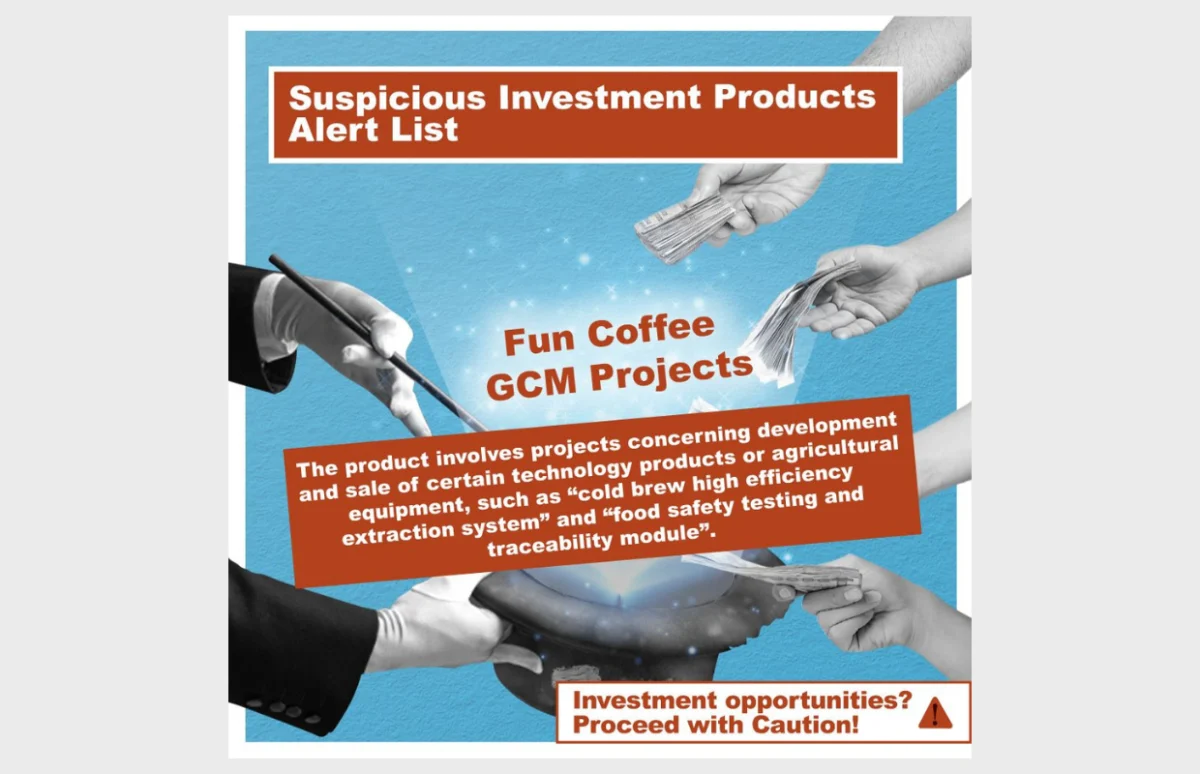
The company’s marketing narrative was layered with promises of innovation and growth. Fun Coffee claimed to be developing advanced coffee-brewing equipment, pioneering "coffee-gene optimization technology," and implementing automated irrigation and fertilization systems for coffee cultivation. These technological claims, coupled with the aspirational image of a burgeoning Vietnamese coffee empire, were designed to appeal to investors seeking lucrative, yet seemingly tangible, opportunities.
In July of the current year, Fun Coffee escalated its promotional activities by announcing plans for expansion into mainland China. The company asserted that it had secured a coffee plantation in Baoshan, Yunnan province, and outlined a future product line that would include roasted coffee, drip bags, capsules, and ready-to-drink beverages. This expansion narrative further bolstered the illusion of a legitimate and rapidly growing business.
The Cryptocurrency Hook and Unrealistic Returns
A key component of Fun Coffee’s fraudulent model was its reliance on cryptocurrency for investment deposits. Investors were enticed with the prospect of higher returns for holding their cryptocurrency for longer periods and in larger amounts. The advertised annualized returns were nothing short of astronomical, with police reports indicating figures as high as 278%. Such extraordinarily high promised yields are a hallmark of investment schemes that are unsustainable and often fraudulent.
This strategy of offering unattainable returns, coupled with the use of cryptocurrency which can offer a degree of anonymity and rapid transaction capabilities, created an environment conducive to illicit activities. The allure of quick and substantial wealth, amplified by the digital nature of the investments, appears to have overshadowed critical due diligence for many unsuspecting individuals.
The Unraveling: From Promises to Paralysis
The first significant indication that Fun Coffee was not what it claimed to be emerged on July 20, when the company’s mobile application abruptly ceased functioning. Investors found themselves unable to access their accounts or initiate any withdrawal requests. Concurrently, attempts to reach customer service went unanswered, a common precursor to the collapse of fraudulent investment schemes.
This sudden operational paralysis triggered widespread panic among investors, leading to a surge in reports to financial regulators and law enforcement agencies. The Hong Kong Securities and Futures Commission (SFC) took a decisive step on July 13 by adding "Fun Coffee GCM Projects" to its list of suspicious investment products. This official designation served as a critical warning to the public and a confirmation of growing concerns within regulatory circles.
The Ponzi Scheme Revelation
Hong Kong police, through their Commercial Crime Bureau, conducted a thorough investigation into Fun Coffee’s operations. Their findings unequivocally revealed that the company generated no genuine profits from its purported coffee-related activities. Instead, the investigation uncovered a classic Ponzi scheme mechanism: funds collected from new investors were used to pay the purported returns to earlier investors. This unsustainable model inevitably leads to collapse once the flow of new money slows or stops.
The magnitude of the financial losses reported is substantial. Public police reports indicate registered losses of approximately HK$94 million in Hong Kong and 3.6 million patacas in Macao. Cumulatively, these reported losses amount to roughly US$12.4 million, representing a significant blow to hundreds of individuals who entrusted their savings to Fun Coffee.
Chronology of the Fraudulent Operation
The unraveling of Fun Coffee can be pieced together through the available reports, painting a picture of a calculated and deceptive operation:
- Early 2025: Fun Coffee begins actively soliciting investment participation from individuals in Hong Kong, presenting itself as a Vietnam-based health-conscious coffee investment brand.
- Throughout 2025 and Early 2026: The company builds its online presence, touting ambitious projects on Phu Quoc Island, advanced coffee technology, and a large workforce. It actively promotes its cryptocurrency investment programs with exceptionally high advertised returns.
- July 2026 (Specific Dates Unclear, but prior to July 13): Fun Coffee announces plans to expand into mainland China, claiming acquisition of a coffee plantation in Baoshan, Yunnan, and outlining future product sales.
- July 13, 2026: The Securities and Futures Commission (SFC) of Hong Kong officially adds "Fun Coffee GCM Projects" to its list of suspicious investment products, signaling regulatory scrutiny.
- July 20, 2026: Fun Coffee’s mobile app stops functioning, investors are locked out of their funds, and customer service becomes unresponsive. This marks the operational collapse of the scheme.
- Following July 20, 2026: A wave of investor complaints and reports to law enforcement agencies ensues, prompting a joint cross-border investigation.
- Recent Developments (Implied by News Reports): Eight arrests are made in connection with the fraud, indicating a significant law enforcement breakthrough.
Official Responses and Regulatory Actions
The swift action by the Securities and Futures Commission (SFC) of Hong Kong in flagging Fun Coffee GCM Projects was crucial in raising awareness and potentially preventing further losses. Their inclusion of the entity on the list of suspicious investment products serves as a public service announcement and a warning to potential investors.
The Hong Kong Police Force’s Commercial Crime Bureau has been at the forefront of the criminal investigation. Their confirmation of the Ponzi scheme structure and the subsequent arrests demonstrate a commitment to pursuing those involved in financial fraud. The collaboration with authorities in other jurisdictions, implied by the cross-border nature of the investigation and the arrests, is essential in dismantling such international criminal networks.
While specific statements from the arrested individuals or their legal representatives are not yet public, the police actions indicate strong evidence of their alleged involvement in the fraudulent scheme. The focus of law enforcement will now likely shift towards the prosecution of those apprehended and the recovery of any remaining investor funds, though recovery in Ponzi schemes is notoriously challenging.
Broader Implications and Investor Vigilance
The Fun Coffee case serves as a stark reminder of the persistent threat of investment fraud, particularly those leveraging emerging technologies like cryptocurrency and complex international business structures. The elaborate narratives and promises of unrealistic returns are often designed to exploit investor greed and a desire for quick financial gains.
The implications of this fraud extend beyond the immediate financial losses. For the victims, the emotional toll of losing life savings can be devastating, impacting their financial security and well-being. For the broader investment landscape, such incidents erode trust in legitimate investment opportunities and highlight the need for enhanced investor education and regulatory oversight.
The success of such schemes often hinges on exploiting information asymmetry and a lack of thorough due diligence. Investors are strongly advised to:
- Be Skeptical of Unrealistic Returns: If an investment promises returns that seem too good to be true, they almost certainly are.
- Research Thoroughly: Investigate the company, its management, its business model, and any regulatory approvals.
- Understand the Investment: Ensure a complete understanding of how the investment works, its risks, and the underlying assets.
- Beware of Pressure Tactics: Fraudsters often try to rush potential investors into making decisions.
- Consult Independent Financial Advisors: Seek advice from qualified professionals before making significant investment decisions.
- Verify Regulatory Status: Check with relevant financial regulatory bodies to ensure the company and its products are licensed and regulated.
The ongoing investigation into Fun Coffee underscores the global nature of financial crime and the critical importance of international cooperation among law enforcement and regulatory bodies to combat these sophisticated threats. As cryptocurrency and digital investments continue to evolve, so too will the methods employed by fraudsters, necessitating continuous vigilance and adaptation from both regulators and the investing public. The arrests represent a significant step towards justice for the victims, but the path to recovering their losses and rebuilding trust will be a long one.
