

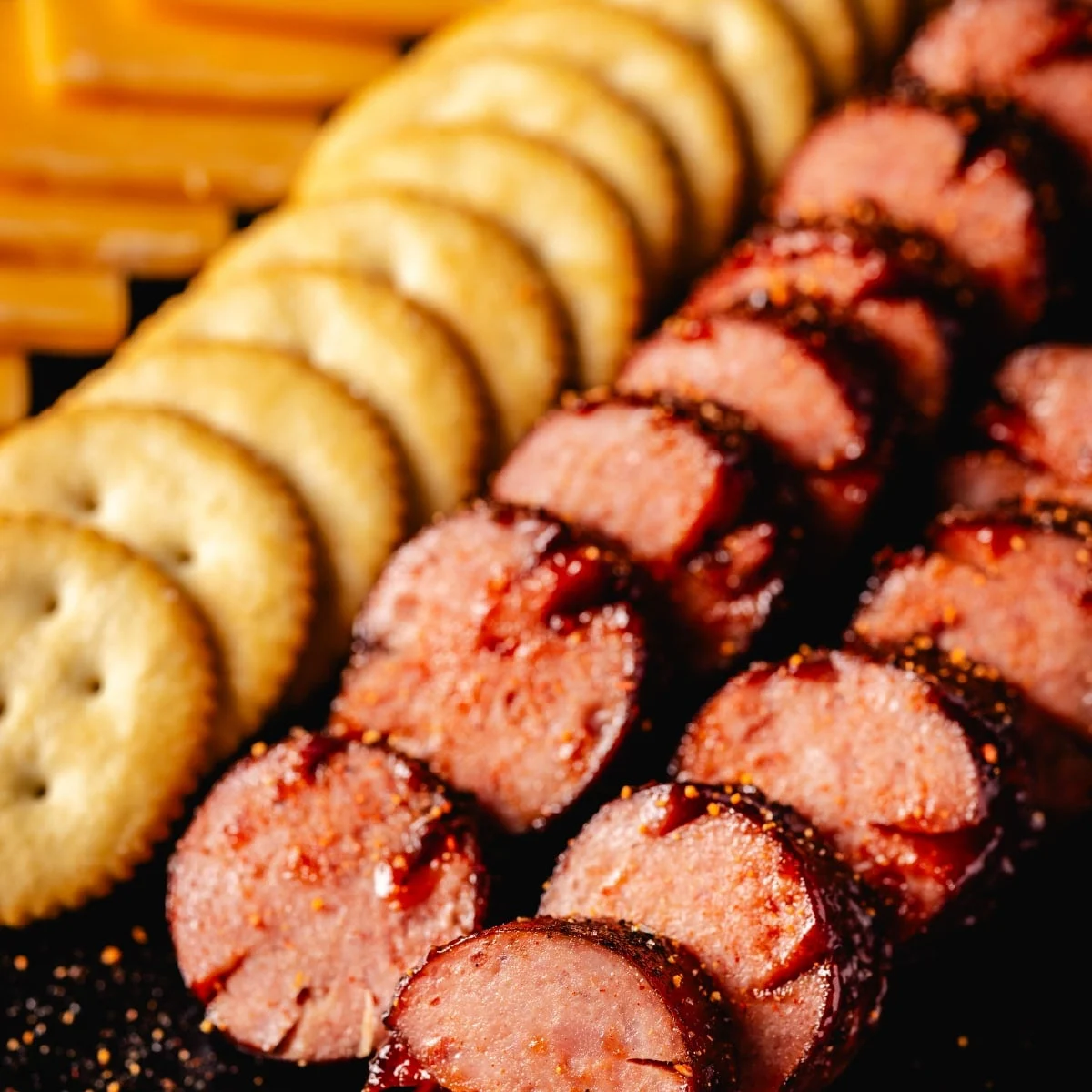
The evolution of outdoor culinary practices has reached a new intersection where traditional European charcuterie meets modern American barbecue techniques, exemplified by the rising popularity of Smoked Kielbasa with Hot Honey Glaze. This culinary preparation, which requires only four primary ingredients and a 90-minute window, represents a significant shift toward high-efficiency, high-reward cooking in the domestic sphere. By utilizing a low-and-slow smoking method at 225 degrees Fahrenheit, enthusiasts are able to transform pre-cooked, vacuum-sealed sausages into complex, multi-layered appetizers suitable for upscale charcuterie presentations.
Technical Methodology and the Science of Scoring
The preparation of Smoked Kielbasa with Hot Honey Glaze relies on specific physical modifications to the meat to maximize flavor absorption. Central to this process is the "scoring" of the sausage casing. When a kielbasa is subjected to heat, the internal fats and moisture expand. In a traditional high-heat environment, this often leads to the casing bursting, resulting in a loss of internal juices and a ragged aesthetic.

However, in this specialized smoking method, the chef applies shallow, diagonal cuts across the surface of the meat. This technical adjustment serves two primary functions: first, it provides a "relief valve" for internal pressure, and second, it increases the surface area available for smoke penetration and glaze adhesion. By opening the casing, the smoke—typically derived from mild hardwoods such as apple, cherry, or maple—can permeate the muscle fibers more deeply than would be possible with an intact casing.
The Four-Ingredient Framework
The simplicity of the Smoked Kielbasa with Hot Honey Glaze is predicated on a four-part ingredient profile designed to hit multiple flavor receptors simultaneously.
- Kielbasa: The foundational protein is typically a Polish-style sausage, often a blend of pork and beef, seasoned with garlic, pimento, and cloves. In the context of modern convenience, most commercially available kielbasa is pre-smoked and fully cooked, allowing the backyard chef to focus on flavor layering rather than food safety temperatures.
- Zesty Gold BBQ Sauce: This component serves as the "binder." Unlike traditional oil or mustard binders, a mustard-based BBQ sauce provides an acidic counterpoint to the fatty profile of the sausage while creating a tacky surface for dry seasonings to adhere to.
- Sweet Rub: A dry seasoning blend, usually consisting of brown sugar, paprika, and garlic powder, is applied over the binder. This layer is critical for the development of the "bark" or crust, as the sugars undergo caramelization during the 90-minute smoke session.
- Hot Honey BBQ Sauce: The final ingredient is applied as a finishing glaze. The infusion of capsaicin into a honey-based sauce taps into the "swicy" (sweet and spicy) food trend that has dominated the North American market over the last five years.
Chronology of Preparation
The production of this dish follows a strict timeline to ensure the balance of smoke infusion and moisture retention.

- 0-15 Minutes (Preparation): The smoker is preheated to a consistent 225 degrees Fahrenheit. Simultaneously, the kielbasa is scored, slathered with the mustard-based binder, and coated with the sweet rub.
- 15-75 Minutes (The Smoke Phase): The seasoned sausage is placed directly on the grill grates. During this hour, the low temperature allows the pre-cooked meat to render its internal fats slowly while absorbing the aromatic compounds from the wood smoke.
- 75-85 Minutes (The Glazing Phase): The hot honey BBQ sauce is applied. This ten-minute window is vital; it is long enough for the sugars in the honey to set and become "tacky" without burning or turning bitter.
- 85-90 Minutes (Finalization): The sausage is removed from the heat and allowed to rest briefly before being sliced for service.
Market Trends: The Rise of "Swicy" and DIY Charcuterie
The emergence of recipes like Smoked Kielbasa with Hot Honey Glaze is not an isolated event but rather a reflection of broader consumer behavior in the food and beverage sector. Data from the National Restaurant Association and various culinary trend reports indicate that "Hot Honey" has seen a triple-digit increase in menu mentions since 2018. The combination of heat and floral sweetness provides a complex sensory experience that appeals to a demographic seeking "adventure" in familiar formats.
Furthermore, the "charcuterie board" phenomenon has transitioned from a professional catering staple to a DIY social media trend. As consumers increasingly host gatherings at home, there is a heightened demand for "sharable snacks" that offer a gourmet aesthetic with minimal labor. The Smoked Kielbasa fits this niche perfectly, providing a warm, savory element that contrasts with the cold cheeses, fruits, and crackers typically found on such boards.
Food Safety and Storage Protocols
While the process is streamlined, professional standards for food safety remain paramount. Because the majority of kielbasa sold in North American supermarkets is "pre-smoked," the risk of undercooking is mitigated. However, the introduction of a low-heat environment (225°F) requires an understanding of the "danger zone" (40°F to 140°F). Since the product is already cooked, the smoking process acts as a reheating and flavoring mechanism rather than a primary cook.

According to USDA guidelines, once the vacuum seal of a commercially processed sausage is broken and the meat is handled, its shelf life decreases. While an unopened package might last weeks, the smoked and glazed leftovers should be stored in an airtight container at or below 40°F and consumed within three to four days. Reheating should be done to an internal temperature of 165°F to ensure any surface bacteria introduced during the glazing or slicing process are eliminated.
The Economic Impact of the "Backyard BBQ Hero"
The democratization of barbecue through online platforms has created a robust micro-economy centered on artisanal sauces and seasonings. Creators like Susie Bulloch, the founder of "Hey Grill Hey," have transformed simple recipes into entry points for broader consumer engagement with specialized products. By highlighting a recipe that only requires four ingredients, brands lower the "barrier to entry" for novice smokers.
Industry analysis suggests that the outdoor cooking market, including grills, smokers, and accessories, has sustained growth following the 2020-2021 surge. Recipes that promise "biggest reward for the least work" drive the sales of pellet grills and electric smokers, which are designed for the precise temperature control required for a 225°F smoke.

Broader Culinary Implications
The Smoked Kielbasa with Hot Honey Glaze is a testament to the versatility of the Polish kielbasa. Historically, kielbasa (from the Turkish "kol basa," meaning "pressed hand") was a peasant food designed for preservation. Its transition into a glazed, smoked hors d’oeuvre reflects the "high-low" culinary movement, where humble ingredients are elevated through specialized techniques.
This preparation also highlights the importance of texture in modern cooking. The contrast between the "snap" of the smoked casing and the viscous, sticky nature of the hot honey glaze provides a tactile experience that is highly valued in contemporary gastronomy. As outdoor cooking continues to evolve, the focus is shifting away from massive, multi-day brisket smokes toward these shorter, high-impact sessions that allow for more frequent social interaction.
In conclusion, the Smoked Kielbasa with Hot Honey Glaze is more than a simple snack; it is a calculated intersection of market trends, chemical reactions, and cultural shifts in how we consume and share food. It demonstrates that with minimal ingredients and a basic understanding of thermal regulation, the average consumer can produce results that rival professional smokehouses, further fueling the "Backyard BBQ Hero" culture that defines modern American outdoor cooking.
