

Dallas, TX – The once straightforward motivations behind purchasing beverages away from home are undergoing a significant transformation, with consumers increasingly prioritizing functionality, affordability, and unique experiential elements. This evolving consumer mindset was a central theme at Informa’s “Future of Beverage” conference, where Technomic’s Senior Principals Donna Hood Crecca and David Henkes presented key findings from their comprehensive “Beverage Trends in U.S. and Abroad” report. The beverage sector, a robust and substantial segment of the foodservice industry, is projected to see a 4.4% growth over the next five years, outpacing the broader industry. This continued expansion, however, is underpinned by a fundamental shift in what consumers seek from their drinks.
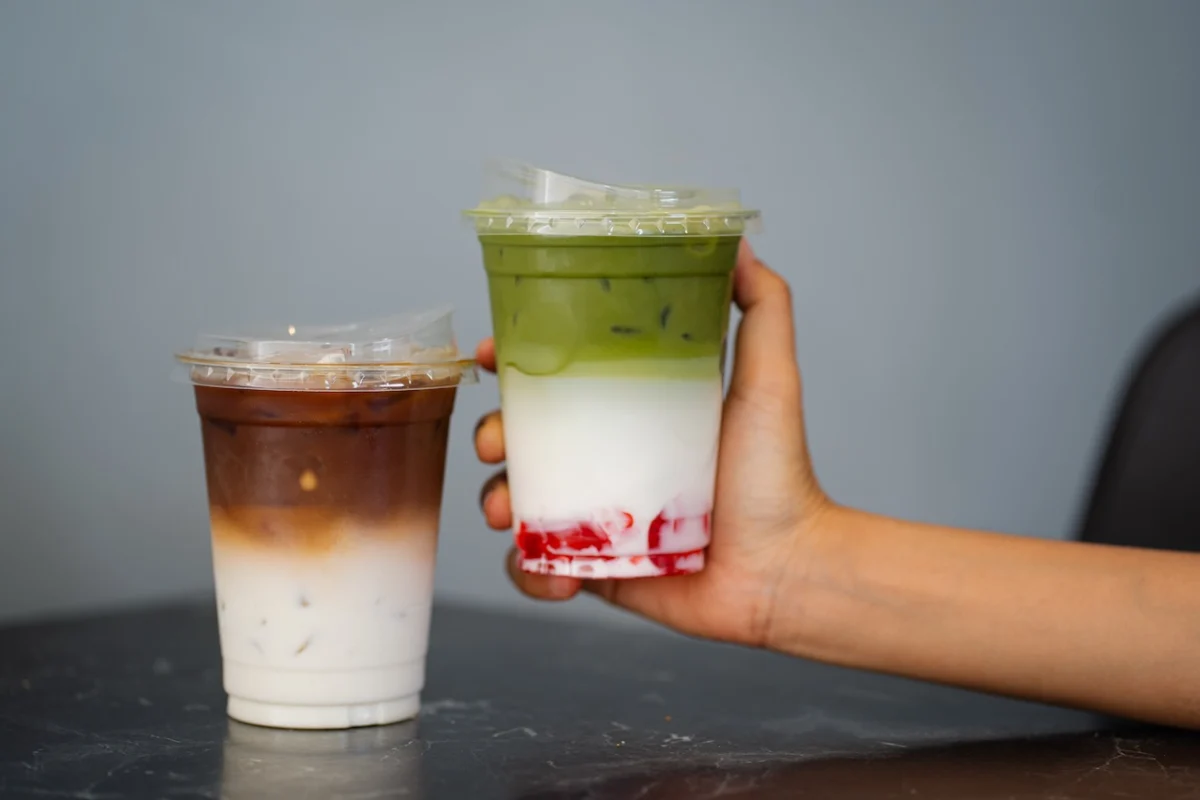
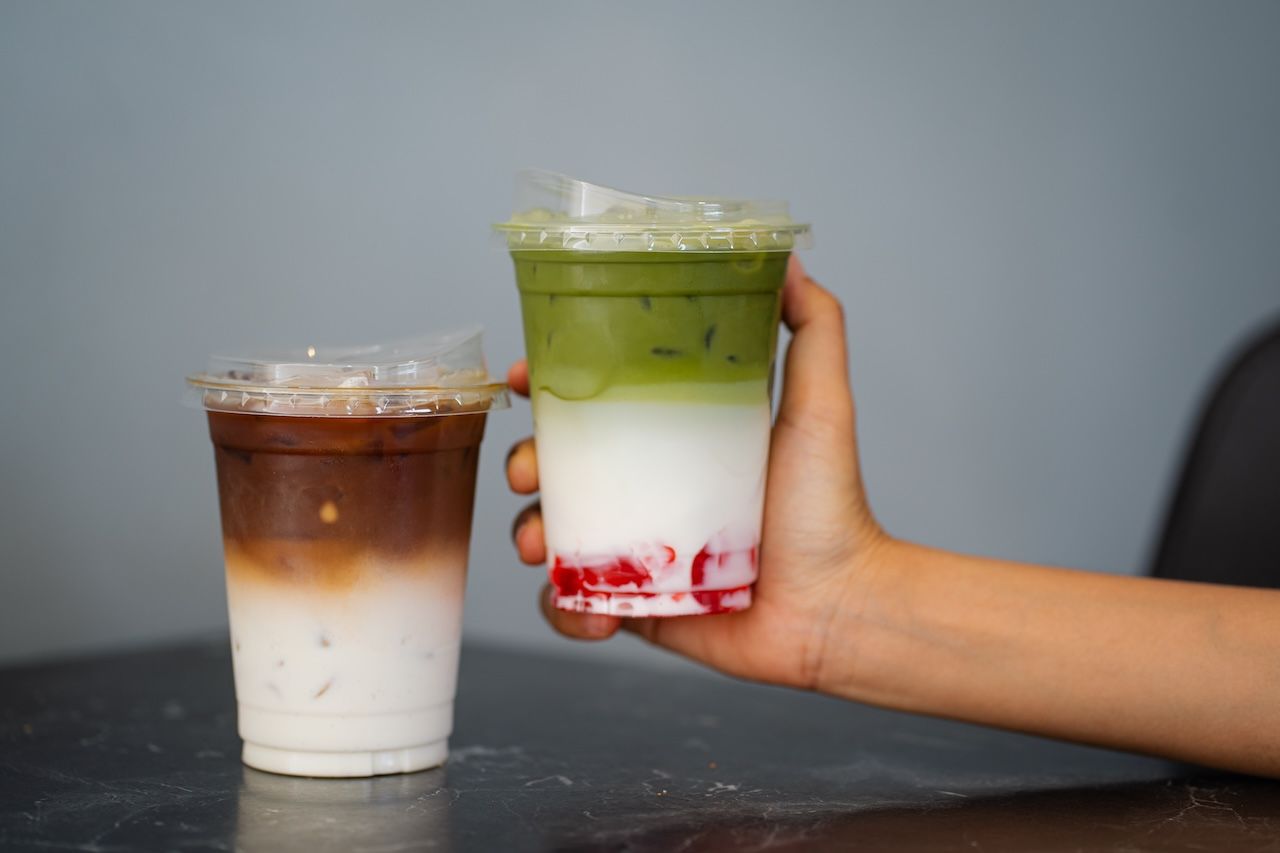
Historically, taste was often the paramount consideration when choosing a beverage. Today, however, consumers are asking a more introspective question: "What does it do for me?" This query signals a pronounced surge in demand for functional beverages – drinks designed to deliver specific health and wellness benefits. In an era of economic prudence, consumers are also meticulously evaluating the value proposition of their purchases, asking, "Is this worth it?" Yet, this fiscal consciousness does not preclude them from indulging in affordable luxuries or unique concoctions that are beyond their home-preparation capabilities. Furthermore, the desire for an elevated experience, characterized by visually appealing, interactive, and fun beverage offerings, is increasingly shaping purchasing decisions.
The Rise of Purpose-Driven Consumption
The emphasis on functionality is not a fleeting trend but a recurring motif throughout the beverage industry. Beverages are transitioning from mere thirst quenchers to vehicles for targeted physiological and psychological benefits. This encompasses a wide spectrum of needs, including enhanced energy levels, improved gut health, bolstered immune systems, superior hydration, stress relief, and even protein fortification. Restaurants and beverage providers that can effectively communicate and deliver on these specific functional promises are capturing significant consumer attention and market share.
This shift towards purpose-driven consumption is a direct response to a more health-conscious and wellness-oriented consumer base. As individuals become more proactive about their well-being, they naturally seek products that align with their health goals. Technomic’s research underscores this by highlighting that beverages are increasingly viewed as a personal treat, a "just for me" indulgence. A notable 29% of respondents in Technomic’s Beverage Navigator Program agreed with the statement, "I’ve been cutting back on meals from foodservice but I still splurge on beverage-only occasions." This suggests that while consumers may be reining in spending on full meals, they are willing to allocate discretionary funds towards beverages that offer a sense of reward and personal care. The presentation and quality of ingredients play a crucial role in transforming a simple drink into a memorable and satisfying experience.
Mindful Moderation and the Zero-Proof Revolution
Beyond non-alcoholic beverages, the trends in alcohol consumption also reveal a significant cultural shift. The concept of "mindful moderation" has emerged as the leading trend in this category. While overall alcohol consumption may be decreasing, this decline is influenced by a confluence of factors, including a growing awareness of health implications and economic considerations. A substantial 44% of consumers now believe that moderate alcohol consumption is an integral part of a healthy lifestyle, indicating a re-evaluation of societal norms surrounding alcohol. Simultaneously, economic pressures are impacting purchasing habits, with 34% of consumers reporting that they are ordering alcohol less frequently due to rising drink prices.
This movement towards moderation is particularly pronounced among younger demographics, namely Gen Z and Millennials. In response to this evolving consumer preference, the foodservice industry is witnessing a rapid expansion of zero-proof cocktail options. The data is striking: there has been a remarkable 225% growth in spirit-free limited-time offers (LTOs) between 2021 and 2025. Furthermore, in the initial five months of 2026, non-alcoholic LTOs already surpassed the total number of non-alcoholic launches from the entirety of 2025, signaling an accelerated adoption and innovation cycle in the spirit-free beverage space. This surge indicates that restaurants and bars are not only catering to existing demand but are actively innovating to create appealing and sophisticated non-alcoholic alternatives that rival their alcoholic counterparts.
Global Palates and Experiential Innovation
The influence of global flavors and diverse beverage types is another burgeoning trend that is significantly reshaping the U.S. beverage market. An aggregate of 28% of American consumers expressed a desire to see more international beverage concepts introduced domestically. This appetite for global flavors is even more pronounced among younger generations, with 33% of Millennials and 37% of Gen Zers actively seeking out these international influences.
Technomic highlighted several compelling examples of global beverages that are capturing consumer interest. These include innovative creations such as veggie teas, exemplified by the Kale Tea from Thailand, which taps into the growing demand for plant-based and health-conscious options. Fruity coffees, like the Apple Sparkling Cold Brew originating from Malaysia, demonstrate a fusion of traditional coffee culture with refreshing fruit infusions. The Ube Latte, a naturally purple-hued beverage from France, showcases the appeal of visually striking drinks derived from natural ingredients. From China, the sweet-salty Corn Blast offers a unique textural experience, utilizing corn kernels as a novel substitute for traditional boba pearls. These examples illustrate a broader trend of culinary creativity extending into the beverage realm, with ingredients and flavor profiles from around the world being reinterpreted for the U.S. market.
The "Ritual Reset": Beverages as Micro-Moments
The overarching narrative presented by Henkes and Hood Crecca was the concept of the "ritual reset." This describes a fundamental alteration in consumer behavior, moving away from purchasing beverages tied to specific occasions and towards intentional consumption. Beverages are now evolving into rituals themselves, transforming into "micro-moments" of personal enjoyment and self-care, rather than simply being accompaniments to meals.
This evolution necessitates a greater degree of personalization. Consumers now expect their beverage choices to be tailored to their individual preferences and needs. Equally important is "radical transparency." In an era where consumers are more informed and discerning, they demand complete disclosure regarding a drink’s ingredients, its purported benefits, and its broader impact, whether it be environmental or ethical. This transparency builds trust and allows consumers to make informed decisions that align with their values.
The concluding remarks from Henkes and Hood Crecca offered a prescient outlook on the future of brand success in the beverage industry. They posited that "The brands that win in the next decade won’t be the ones with the best beverages; they’ll be the ones that become essential to the rituals people can’t imagine living without." This statement underscores the critical importance of integrating beverages into the fabric of consumers’ daily lives, making them an indispensable part of their personal routines and moments of enjoyment. This requires brands to move beyond product differentiation based solely on taste or price and focus on creating emotional connections and indispensable utility within the context of evolving consumer lifestyles.
The insights presented at the "Future of Beverage" conference paint a vivid picture of a dynamic and rapidly evolving market. As consumer priorities shift towards functionality, value, and experiential consumption, beverage providers must adapt their offerings and marketing strategies to meet these new demands. The successful brands of tomorrow will be those that can effectively weave their products into the intricate tapestry of modern consumer rituals, offering more than just a drink, but a personalized, beneficial, and memorable experience.
