

As the leaves begin to turn and the crispness of autumn signals the approach of the year-end festivities, a distinct trend has emerged in the digital culinary landscape: an unprecedented early engagement with holiday recipes. This week, Bon Appétit, a leading authority in food media, reported a significant uptick in user interest for traditional holiday fare, ranging from time-honored side dishes to inventive desserts. This pre-seasonal surge suggests a collective inclination towards meticulous planning and an eagerness to embrace the comforting rituals of holiday cooking, even months in advance of the actual celebrations.
The Unmistakable Surge in Holiday Recipe Searches
The data from Bon Appétit’s platforms unequivocally points to holidays being at the forefront of readers’ minds. Top-performing recipes this week were overwhelmingly centered around classic sides, festive salads, and a diverse array of pies and galettes. This early engagement is not merely a passive browsing activity; it manifests in heightened recipe saves, shares, and comments, indicating an active preparation phase among home cooks. Culinary trend analysts suggest that this phenomenon could be attributed to several factors, including a desire to perfect dishes, mitigate last-minute stress, or perhaps a lingering appreciation for home-cooked meals fostered during recent years when communal dining took on renewed significance. Industry reports from digital analytics firms specializing in food content show a consistent year-over-year increase in holiday recipe searches beginning as early as September, with this year marking a particularly pronounced spike. This pattern underscores a broader consumer shift towards proactive meal planning and an enhanced focus on the culinary aspects of holiday gatherings.
Spotlight on Seasonal Staples: The Green Bean Casserole Reimagined
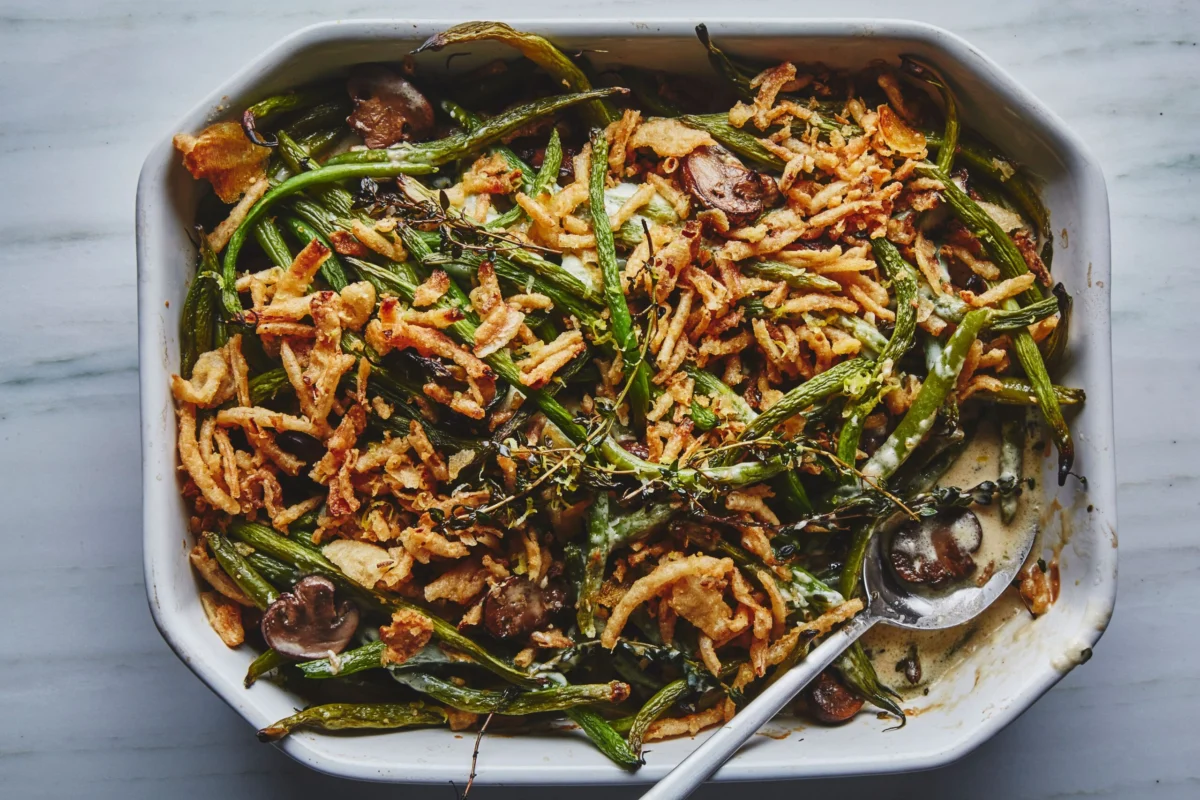
Among the most prominent recipes capturing reader attention is the quintessential green bean casserole, presented with a modern twist that elevates its traditional appeal. While typically a dish reserved for Thanksgiving tables, Bon Appétit’s rendition features a rich, garlicky Parmesan béchamel sauce replacing the more conventional cream of mushroom soup, and is topped with crispy fried onions, providing a textural contrast and depth of flavor. This innovative approach has clearly resonated with readers, as evidenced by a compelling testimonial: "This is typically a dish I only make on Thanksgiving, but since I started making it, my very picky 22-year-old daughter has started requesting it for her birthday dinners." This anecdote highlights the transformative power of culinary innovation, demonstrating how a classic can transcend its seasonal boundaries when executed with refined ingredients and techniques.
The history of the green bean casserole itself offers interesting context. Invented in 1955 by Dorcas Reilly for Campbell’s Soup Company, it quickly became a staple due to its simplicity and accessibility. Its enduring popularity, particularly around Thanksgiving, made it an iconic representation of American comfort food. However, as culinary tastes have evolved, so too have expectations for beloved classics. Modern variations, like the one highlighted by Bon Appétit, reflect a broader trend in home cooking: a desire to honor tradition while simultaneously elevating flavors and using fresher, higher-quality ingredients. The integration of a béchamel, a foundational sauce in French cuisine, into a distinctly American dish exemplifies the cross-cultural influences now common in contemporary cooking. The use of Parmesan adds an umami depth, while fresh garlic infuses aromatic complexity, moving the dish beyond its humble origins into a more gourmet sphere without sacrificing its comforting essence.
A Sweet and Spirited Classic: The Bourbon Caramel Apple Pie
Another standout recipe dominating reader saves is a bourbon caramel apple pie. This dessert is lauded not only for its rich flavor profile, characterized by the warmth of bourbon and the sweetness of burnt sugar caramel, but also for its visually "mesmerizing" lattice top. The addition of bourbon introduces a sophisticated depth to the classic apple pie, a dessert that has been a cornerstone of American cuisine since colonial times. Apples, a fruit synonymous with autumn harvests, naturally lend themselves to pies, and the evolution of apple pie recipes reflects regional variations and personal preferences. The inclusion of bourbon speaks to a growing trend of incorporating spirits into desserts, offering complex notes that complement the fruit and spice.
The "burnt sugar lattice top" suggests a careful attention to presentation, indicating that home cooks are increasingly seeking recipes that are not only delicious but also aesthetically pleasing, suitable for celebratory tables and social media sharing. This focus on visual appeal aligns with the broader influence of visual platforms, where food photography plays a significant role in recipe discovery and inspiration. The meticulous crafting of a lattice top, traditionally a sign of skilled baking, now becomes an accessible aspiration for many home cooks, encouraged by detailed instructions and visual guides provided by culinary platforms. This particular pie recipe exemplifies how traditional desserts are being reinterpreted with a touch of elegance and a modern flavor profile, appealing to a generation that appreciates both heritage and innovation in their culinary pursuits.
Beyond the Core: Diverse Offerings in Sides, Salads, and Desserts
While specific recipes like the green bean casserole and bourbon caramel apple pie captured individual attention, the broader categories of classic sides, festive salads, and an assortment of pies and galettes demonstrated a comprehensive interest in holiday meal planning.
Classic Sides: Beyond green bean casserole, readers actively explored recipes for stuffing (or dressing, depending on regional nomenclature), mashed potatoes, roasted vegetables, and cranberry sauce. This category often sees the most subtle but impactful innovations. For instance, stuffing recipes might incorporate sourdough or cornbread, enriched with artisanal sausages, wild mushrooms, or fresh herbs like sage and thyme. Mashed potatoes might feature roasted garlic, truffle oil, or be whipped with cream cheese for extra richness. Roasted vegetables, often seasonal root vegetables or Brussels sprouts, are frequently enhanced with glazes made from maple syrup, balsamic vinegar, or chili flakes, adding layers of flavor and visual appeal.
Festive Salads: The demand for festive salads signifies a growing desire to balance the richness of holiday meals with lighter, fresher elements. These salads often feature seasonal produce such as pomegranates, persimmons, apples, and various nuts, complemented by robust greens like kale or arugula. Dressings are typically vibrant, incorporating citrus, good quality olive oil, and sometimes a hint of sweetness from honey or maple syrup. Cheese, particularly goat cheese or crumbled blue cheese, often makes an appearance, adding a creamy or tangy counterpoint. This trend reflects a broader health-consciousness among consumers, who seek to integrate nutritious options even within indulgent holiday spreads.
Pies and Galettes: The diverse interest in pies and galettes extends far beyond the apple variety. Pumpkin pie remains an undisputed seasonal favorite, but sweet potato pie, pecan pie, and various fruit tarts (berry, pear, cherry) are also highly sought after. The inclusion of galettes, rustic, free-form tarts, highlights a preference for less formal, yet equally elegant, dessert options. Galettes offer a forgiving baking experience and often showcase the natural beauty of seasonal fruits, making them appealing to both novice and experienced bakers. Their informal charm provides a contrast to the more structured pies, allowing for creative freedom in presentation and ingredient combinations.
The Evolution of Holiday Tables: A Historical Perspective
The culinary landscape of holiday meals has undergone a significant evolution over centuries. Historically, feasts were dictated by seasonal availability and regional agricultural practices. Thanksgiving, for example, draws its roots from harvest festivals, with initial meals likely featuring wild game, local vegetables, and grains. Over time, as ingredients became more accessible and culinary techniques advanced, these meals became more elaborate. The 20th century saw the rise of convenience foods and standardized recipes, which simplified holiday cooking but sometimes at the expense of fresh ingredients and nuanced flavors.
The current trend, exemplified by Bon Appétit’s offerings, represents a synthesis of these historical phases. There is a strong pull towards heritage and tradition, but also an undeniable drive for culinary excellence and innovation. Home cooks are no longer content with merely replicating recipes; they seek to elevate them, infusing personal touches and gourmet elements. This blend of tradition and modernity defines the contemporary holiday table, making it a dynamic reflection of evolving tastes and cultural influences. The digital age has accelerated this evolution, providing instant access to a vast repository of recipes, techniques, and global culinary inspirations, empowering home cooks to experiment and refine their skills.
The Digital Cookbook: Bon Appétit’s Role in Modern Culinary Trends
In this evolving landscape, platforms like Bon Appétit play a crucial role. As a digital authority, it acts as a curator of culinary trends, a repository of expertly developed recipes, and a community hub for food enthusiasts. The publication’s ability to identify and showcase recipes that resonate deeply with its audience, whether through innovative twists on classics or entirely new creations, solidifies its influence. A spokesperson for Bon Appétit might underscore their mission to empower home cooks by providing both foundational knowledge and aspirational ideas, ensuring that holiday cooking remains an enjoyable and fulfilling experience.
The digital format allows for dynamic content, including embedded videos, step-by-step guides, and interactive comment sections, which enhance the learning experience. This accessibility ensures that even complex recipes, like those involving béchamel sauces or intricate lattice work, can be approached with confidence by a broad audience. Furthermore, the platform’s analytics capabilities enable it to track real-time engagement, allowing it to respond swiftly to reader preferences and seasonal demands, as evidenced by this early holiday recipe surge. This data-driven approach allows Bon Appétit to remain highly relevant and responsive to the evolving needs of its culinary community.
Behind the Data: Understanding Early Holiday Planning Behavior
The early commencement of holiday planning, particularly concerning food, can be attributed to a confluence of psychological and practical factors. Psychologically, anticipation plays a significant role. The act of planning and researching recipes can be a source of joy and excitement, extending the celebratory period. It also provides a sense of control and preparedness, mitigating the potential stress associated with last-minute holiday preparations.
From a practical standpoint, early planning allows for better ingredient sourcing, especially for specialty items that might become scarce closer to the holidays. It also provides ample time for practice runs, ensuring dishes are perfected before the main event. Furthermore, in an era where supply chain fluctuations can impact product availability, proactive shopping and planning become even more prudent. Consumer behavior studies often link early holiday planning to a desire for a more organized and enjoyable experience, moving away from the frantic rush that characterized past holiday seasons. Data from market research firms suggests that approximately 40% of consumers begin planning their holiday meals at least two months in advance, with a significant portion initiating recipe research even earlier, as observed by Bon Appétit.
Economic Currents and Culinary Choices
The economic climate also subtly influences holiday culinary choices and planning. In periods of economic uncertainty, home cooking often sees a resurgence as consumers prioritize value and seek to control costs. Cooking at home for holidays can be more economical than dining out or purchasing pre-made gourmet items. This doesn’t necessarily mean sacrificing quality; rather, it encourages smart shopping, utilizing seasonal produce, and making the most of ingredients. The popularity of recipes that offer both indulgence and perceived value, such as a hearty casserole or a homemade pie, aligns with this economic sensibility.
Moreover, the emphasis on quality ingredients, even within a home-cooked context, suggests that consumers are willing to invest in premium components that elevate the dining experience. The choice of a garlicky Parmesan béchamel over a canned soup, or a bourbon-infused pie, reflects a desire for affordable luxury—splurging on key ingredients to transform a meal without incurring the expense of professional catering or restaurant dining. This balance between cost-consciousness and a desire for high-quality, memorable meals is a defining characteristic of contemporary holiday food trends.
The Broader Cultural Significance of Holiday Feasting
Holiday feasting transcends mere sustenance; it is a deeply ingrained cultural practice that fosters community, reinforces family bonds, and preserves traditions. The act of preparing and sharing a meal is a powerful expression of care and celebration. The early engagement with recipes, as observed by Bon Appétit, highlights the importance placed on these culinary rituals. It signifies a collective desire to make these moments special, memorable, and reflective of individual and family identities.
Food serves as a focal point for gatherings, creating shared experiences and memories that last a lifetime. The dishes chosen often carry sentimental value, passed down through generations, each bite evoking nostalgia and a sense of belonging. While new recipes and innovations are welcomed, they often exist alongside, or are inspired by, these cherished classics, demonstrating a harmonious blend of past and present in our culinary heritage. This cultural significance underpins the enduring appeal of holiday recipes and explains the dedicated effort many individuals invest in their preparation.
Implications for Home Chefs and the Food Industry
For home chefs, this trend of early engagement is empowering. It provides the luxury of time to experiment, refine techniques, and confidently approach their holiday cooking endeavors. The availability of diverse, professionally developed recipes from platforms like Bon Appétit acts as a valuable resource, demystifying complex dishes and offering inspiration. The ability to save and organize recipes digitally further streamlines the planning process, turning what could be a daunting task into an enjoyable journey.
For the food industry, these insights into consumer behavior are invaluable. Ingredient suppliers, grocery retailers, and kitchenware manufacturers can leverage this data to optimize their inventory, marketing strategies, and product development cycles. An early surge in interest for specific ingredients or tools signals an opportunity for pre-holiday promotions and ensures that shelves are stocked with what consumers need, precisely when they start planning. This proactive consumer engagement dictates a more responsive and agile approach from the entire food ecosystem, ensuring that demand is met efficiently and effectively.
Looking Ahead: The Enduring Appeal of Holiday Innovation
The observed early surge in holiday recipe engagement is more than just a seasonal anomaly; it is indicative of a broader, enduring shift in culinary culture. It reflects a society that values the art of home cooking, cherishes traditions while embracing innovation, and seeks to make every celebratory meal a truly special occasion. As digital platforms continue to evolve, their role in shaping and reflecting these trends will only grow, ensuring that the holiday table remains a vibrant, evolving canvas for culinary creativity and communal joy.
Not a subscriber yet? Grab a digital subscription today so you can start saving (and eating) your way through this list of coveted holiday recipes and many more culinary inspirations.
