

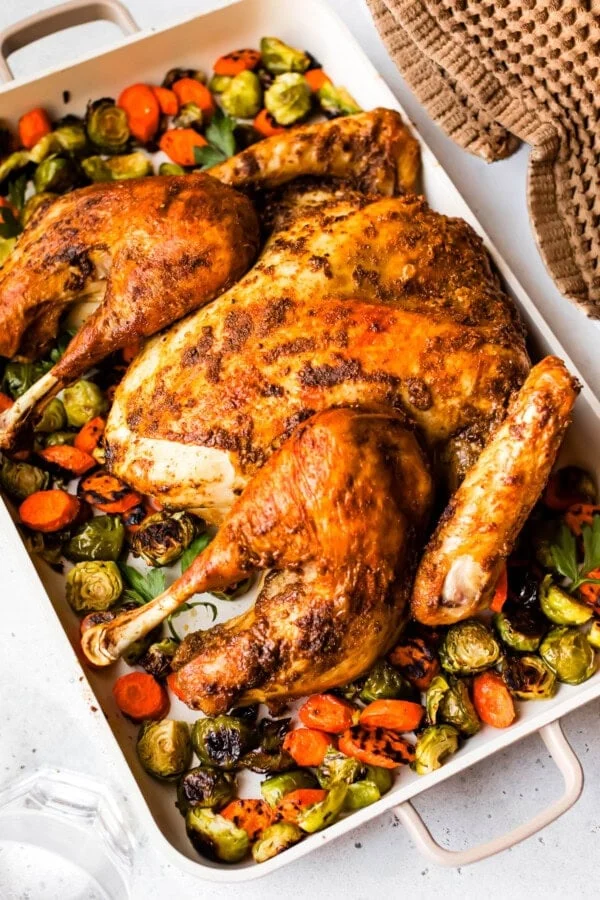
The culinary landscape for holiday meal preparation is continually evolving, with home cooks and professional chefs alike seeking methods to enhance flavor, optimize cooking times, and simplify traditionally complex dishes. A notable development gaining significant traction is the spatchcocking technique for turkeys, particularly when combined with a seasoned mayonnaise coating. This approach promises a remarkably juicy, flavorful bird with golden, crispy skin, all while significantly reducing roasting time and eliminating the need for arduous brining or overnight marinating. This innovation is transforming how many approach their festive centerpieces, offering a streamlined path to a perfect holiday turkey.
Understanding the Spatchcock Method
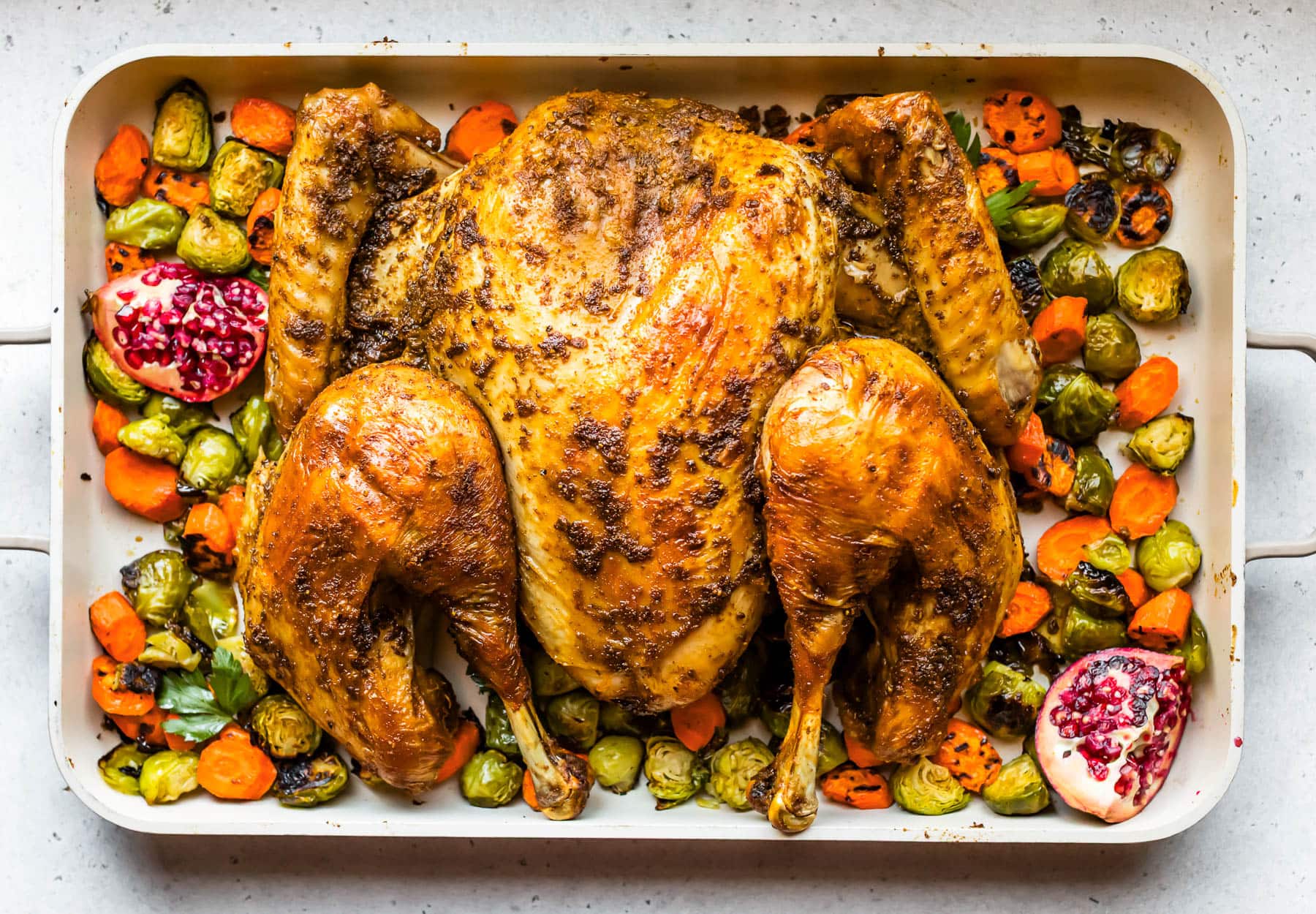
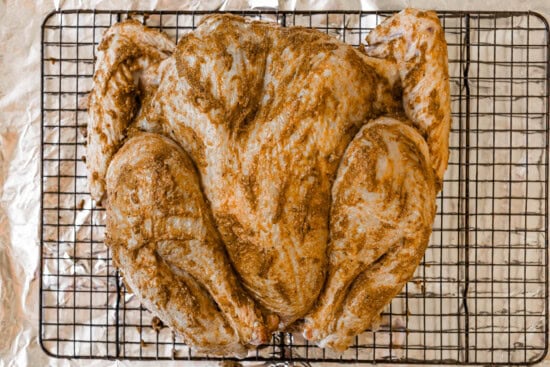
Spatchcocking, also known as butterflying, is a culinary technique that involves removing the backbone of a poultry item, such as a turkey or chicken, and then flattening the bird. This alteration fundamentally changes the bird’s geometry, allowing it to lie flat on a roasting pan. The primary advantage of this method lies in its ability to facilitate more even heat distribution across the entire bird. In a traditional whole-roast turkey, the breast, being leaner, tends to cook faster and dry out before the denser, fattier dark meat (thighs and legs) reaches its optimal temperature. By flattening the turkey, both the white and dark meat are exposed to similar levels of heat, ensuring they cook through more uniformly and finish around the same time.
Historically, spatchcocking has been a technique employed by butchers and experienced cooks to achieve superior results, particularly in grilling or fast roasting. Its application to large birds like turkeys for holiday feasts represents a significant shift towards efficiency without compromising quality. The process, while initially intimidating to some, primarily requires a sturdy pair of poultry shears and a basic understanding of avian anatomy. Many butchers now offer to spatchcock turkeys upon request, making this sophisticated technique accessible to a wider audience.
The Science Behind the Success: Mayonnaise as a Roasting Aid
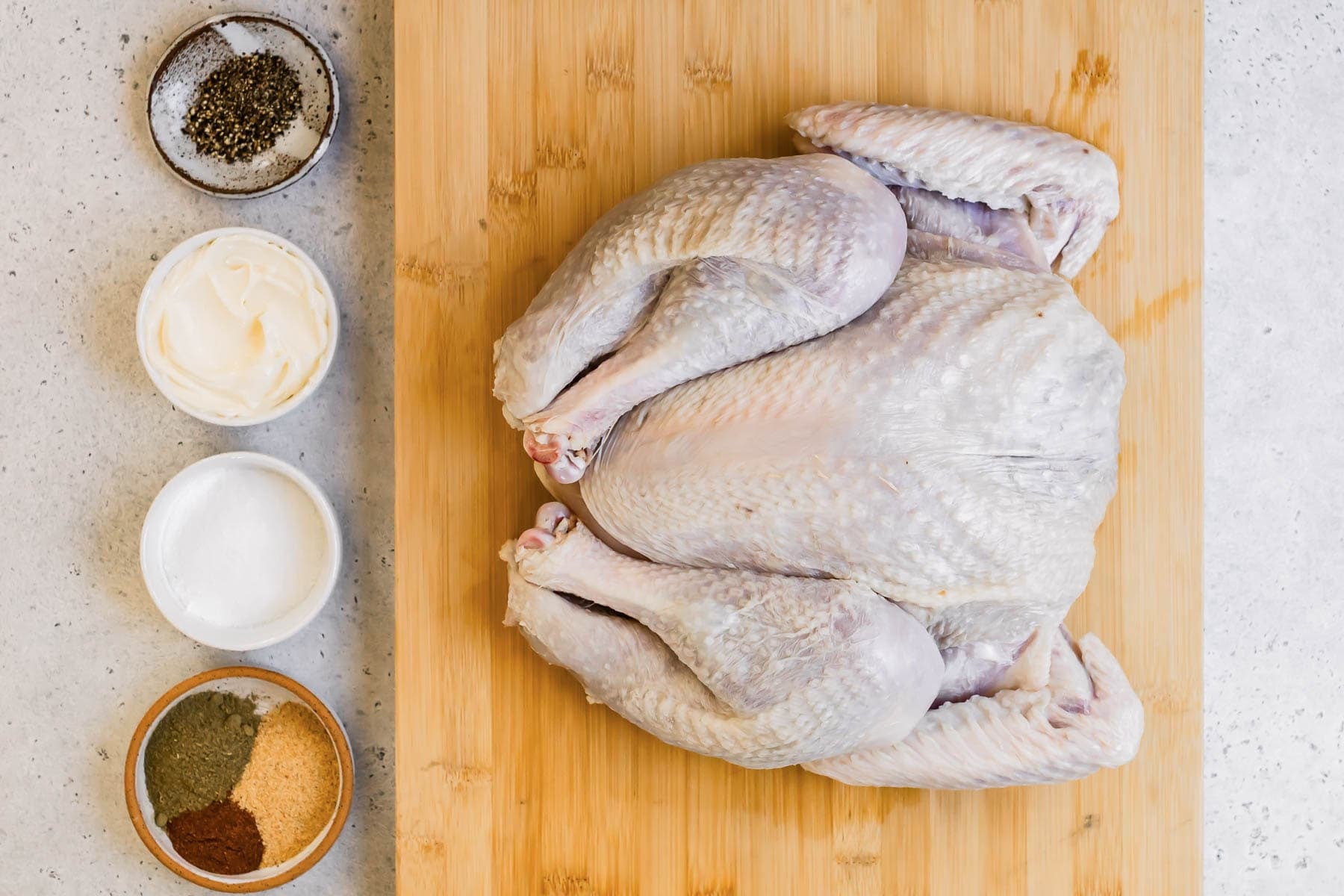
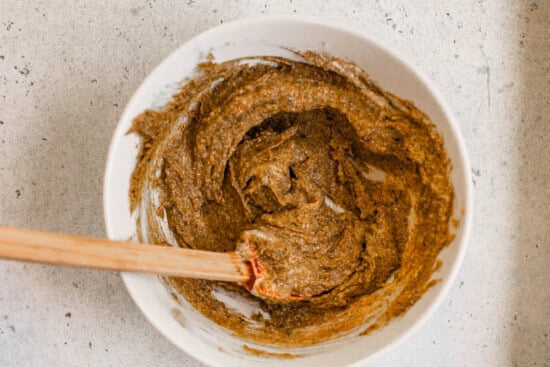
Central to the enhanced flavor and texture of this particular method is the application of a simple, seasoned mayonnaise mixture. While unconventional to some, mayonnaise proves to be an exceptionally effective roasting agent. Composed primarily of oil and egg yolk, mayonnaise is an emulsion rich in fat. When applied to the turkey’s skin, this fat serves multiple critical functions:
- Exceptional Browning: The fat in mayonnaise promotes the Maillard reaction, a complex chemical process responsible for the desirable browning and development of savory flavors on the surface of cooked food. This results in a beautifully golden and deeply flavorful crispy skin, a hallmark of a perfectly roasted turkey.
- Moisture Retention: The mayo coating acts as a protective layer, basting the turkey as it cooks. The oils slowly render into the skin, helping to seal in the bird’s natural juices and prevent the meat from drying out, particularly the delicate breast meat.
- Flavor Infusion: Mayonnaise serves as an excellent carrier for seasonings. Blending herbs, spices, salt, and pepper into the mayonnaise allows these flavors to be evenly distributed over the turkey’s surface, adhering better than dry rubs alone and penetrating the skin more effectively during roasting. The subtle acidity in mayonnaise can also contribute to tenderization and brighten the overall flavor profile.
Culinary experts note that this technique leverages basic food science principles to achieve premium results with minimal effort. The emulsified fats in mayonnaise provide a consistent, even layer that outperforms traditional butter basting in terms of skin crispness and flavor adherence.
Chronology of Turkey Preparation: From Brine to Butterflied

For decades, the pursuit of a moist and flavorful holiday turkey has driven various culinary trends. Traditional whole roasting, while classic, often presented challenges, leading to dry breast meat or undercooked dark meat. This led to the popularization of brining – submerging the turkey in a salt-water solution for an extended period (often 12-24 hours) to enhance moisture and tenderness. While effective, brining requires significant advance planning, large containers, and refrigerator space, adding to the holiday host’s logistical burdens.
Dry brining emerged as a simpler alternative, involving rubbing salt and seasonings directly onto the turkey skin and allowing it to rest for a day or two. This technique achieves similar osmotic effects to wet brining but with less mess. However, both brining methods still precede the roasting process itself, which can still be lengthy for a whole bird.
The spatchcock method, particularly when combined with the quick mayo-roasting technique, represents a further evolution in efficiency. It bypasses the multi-day commitment of brining, offering a "same-day" solution for seasoning and roasting. This shift reflects a broader culinary trend towards techniques that deliver high-quality results with reduced preparation time and complexity, aligning with the demands of modern lifestyles where time is a premium commodity, even during holidays.

Efficiency and Time Management for Holiday Hosts
One of the most compelling benefits of the spatchcock turkey is the significant reduction in cooking time. A 16-pound spatchcock turkey, for instance, can be fully roasted in approximately 1 hour and 45 minutes to 2 hours, a stark contrast to the 3.5 to 4 hours typically required for a conventionally roasted whole bird of the same weight. This time saving, potentially cutting cooking duration by 30-50%, is invaluable for hosts juggling multiple dishes and tight schedules on a busy holiday.
The roasting process typically begins with an initial higher temperature phase (e.g., 425°F for 30 minutes) to achieve rapid browning, followed by a reduction to a moderate temperature (e.g., 350°F for 60 to 90 minutes) for even cooking throughout. Monitoring the internal temperature is crucial, with the thickest part of the breast and thigh needing to reach 165°F for food safety. This streamlined schedule allows for greater flexibility in meal planning, freeing up oven space sooner and reducing the overall stress associated with preparing a large holiday meal. The ability to prepare the turkey without overnight brining or marinating further minimizes pre-cooking effort, making this method attractive to those seeking a less labor-intensive approach.
Achieving Culinary Perfection: Juiciness and Crispy Skin
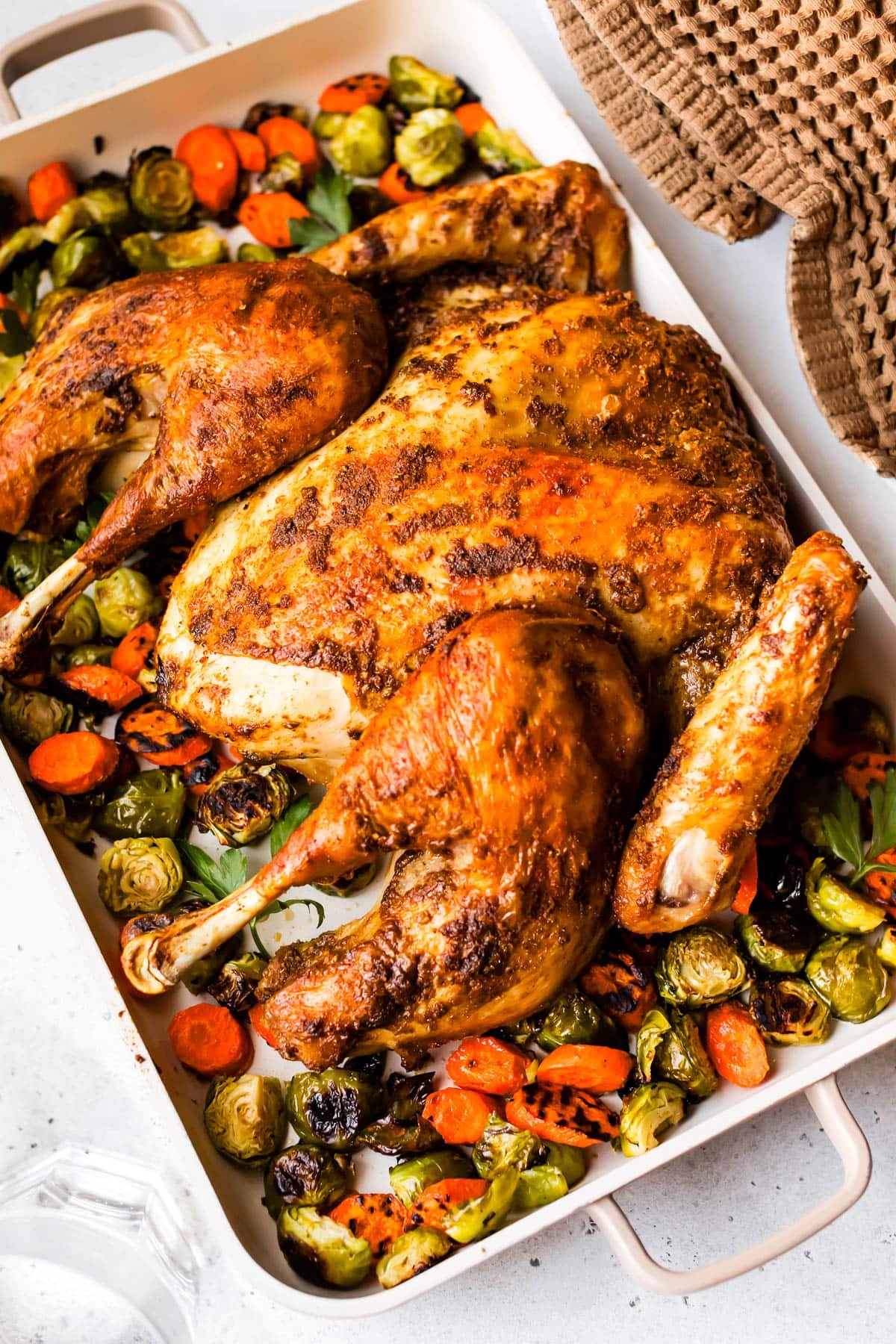
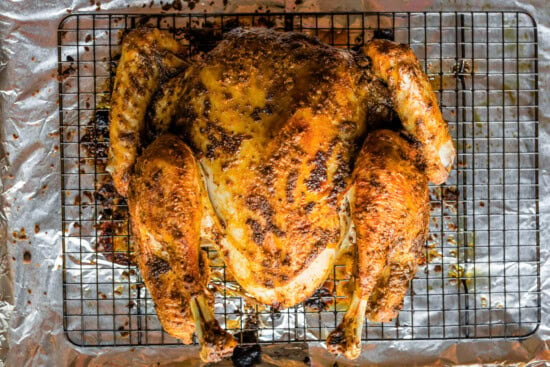
The flattened profile of a spatchcock turkey not only accelerates cooking but also significantly enhances both the juiciness of the meat and the crispness of the skin. By exposing the entire skin surface to direct heat, the seasoned mayonnaise coating has ample opportunity to render its fats and achieve an unparalleled level of crispness. Simultaneously, the even heat distribution ensures that the breast meat, notoriously prone to drying, remains succulent, while the dark meat cooks thoroughly without becoming tough.
A critical step after roasting is the resting period. Transferring the cooked turkey to a carving board and allowing it to rest for 30 minutes before carving is essential. This allows the muscle fibers to relax and reabsorb the juices that have migrated to the center of the bird during cooking, ensuring every slice is as moist and tender as possible. This resting period is a non-negotiable step for any roasted meat but is particularly effective with the evenly cooked spatchcocked bird.
Expert Perspectives and Growing Adoption
Culinary professionals and food writers have increasingly endorsed the spatchcock method as a superior alternative to traditional turkey roasting. Gina Homolka of Skinnytaste, a prominent voice in health-conscious cooking, highlights the method’s ability to deliver a delicious Thanksgiving turkey "without the hassle of brining or marinating several nights." This sentiment resonates with a broad audience of home cooks who prioritize both quality and convenience.
Food scientists further explain that the flattened structure allows for optimal airflow around the bird, promoting consistent heat transfer. This reduces the risk of undercooked spots and ensures that the desired internal temperature is reached safely and efficiently across all parts of the turkey. The growing popularity of spatchcocking is reflected in increased online searches for the technique and its rising presence in mainstream cooking publications and television shows, signaling its transition from a niche method to a widely accepted and recommended practice.
Preparation and Key Considerations
The preparation of a mayo-roasted spatchcock turkey is remarkably straightforward. Beyond the spatchcocking itself (which, as mentioned, can often be handled by a butcher), the primary steps involve:
- Thawing: If using a frozen turkey, adequate thawing time in the refrigerator (several days for a large bird) is crucial.
- Seasoning: A simple mixture of mayonnaise and chosen seasonings (salt, pepper, herbs like rosemary, thyme, sage, garlic powder, onion powder, paprika) is prepared.
- Coating: The turkey, patted dry, is thoroughly coated with the seasoned mayonnaise, ensuring even coverage for optimal flavor and browning.
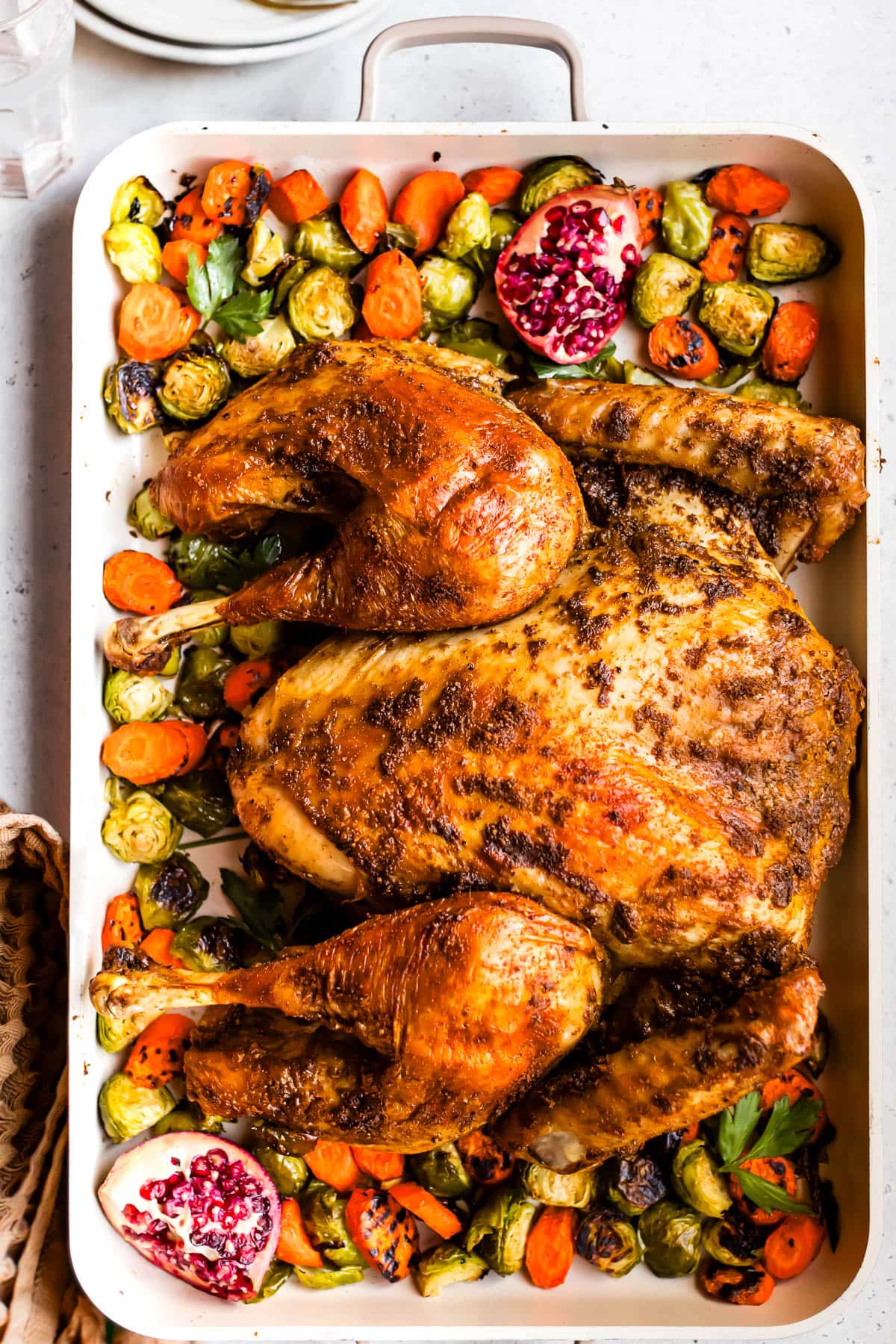
- Roasting: The bird is placed on a roasting rack set over a pan, often with vegetables, and roasted according to the recommended temperature progression.
Should any areas of the turkey begin to brown too quickly, loosely covering them with aluminum foil can prevent over-browning while the rest of the bird continues to cook. This adaptability ensures a perfectly roasted finish.
Nutritional Profile and Health Considerations
The nutritional information for a mayo-roasted spatchcock turkey, based on a serving of 6 ounces of skinless turkey breast, indicates a lean protein source with moderate fat content. A typical serving provides approximately 283 kcal, 0.5g carbohydrates, 51.5g protein, 7g fat (1.5g saturated fat), 138mg cholesterol, 617.5mg sodium, 0.5g fiber, and 0.5g sugar.
It is important to note that these values are for skinless breast meat. Consumption of the skin, while contributing to crispiness and flavor, will increase the fat and calorie content. For those managing dietary intake, removing the skin after cooking allows for the enjoyment of the flavorful meat while adhering to specific nutritional goals. The method itself does not inherently alter the turkey’s fundamental nutritional composition beyond the added fat from the mayonnaise, which is often a minimal amount per serving when spread across an entire bird. This makes it a versatile option for various dietary preferences, from those seeking a rich holiday indulgence to those prioritizing lean protein intake.
Broader Culinary Impact and Future Trends
The embrace of techniques like spatchcocking and mayo-roasting reflects a broader trend in home cooking: the democratization of professional culinary methods. What were once considered advanced or niche techniques are now becoming accessible and popular, driven by a desire for improved results, greater efficiency, and a more enjoyable cooking experience. This trend is supported by a wealth of online resources, culinary blogs, and cooking shows that demystify complex processes and empower home cooks to achieve restaurant-quality meals.
As consumers continue to seek convenience without sacrificing quality, innovative approaches to traditional dishes will likely continue to emerge. The mayo-roasted spatchcock turkey stands as a prime example of how a simple modification, grounded in culinary science, can revolutionize a holiday staple, offering a faster, more reliable, and ultimately more delicious outcome for family feasts.
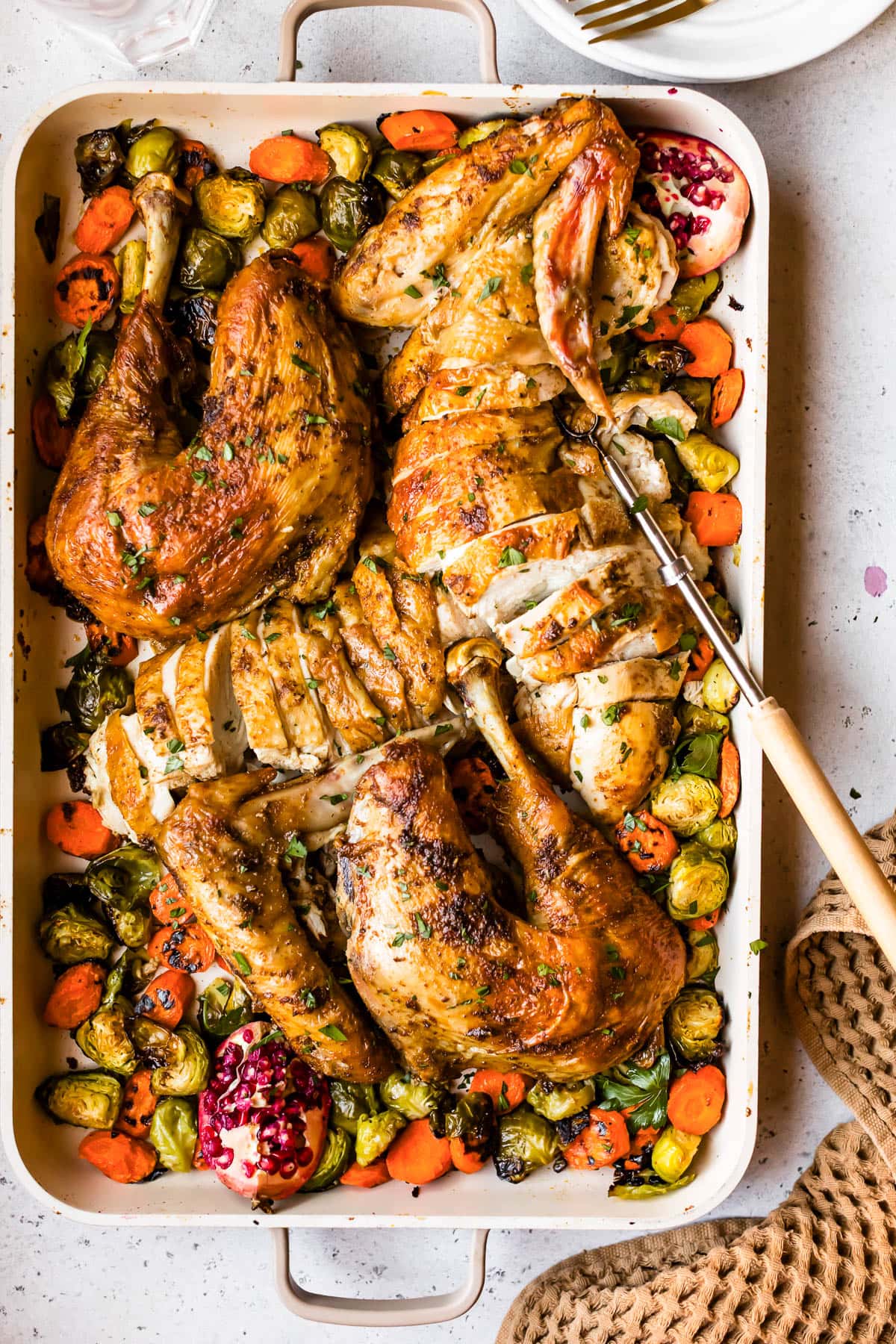
In conclusion, the mayo-roasted spatchcock turkey represents a significant culinary advancement in holiday meal preparation. By combining the structural advantages of spatchcocking with the flavor-enhancing properties of a seasoned mayonnaise coating, this method delivers a turkey that is not only faster to cook but also exceptionally juicy with perfectly crispy skin. It effectively addresses common challenges associated with traditional turkey roasting, offering a streamlined, stress-reducing solution for holiday hosts. As awareness and adoption of this technique grow, it is poised to become a staple for those seeking a superior and more efficient way to prepare their festive centerpieces.
