

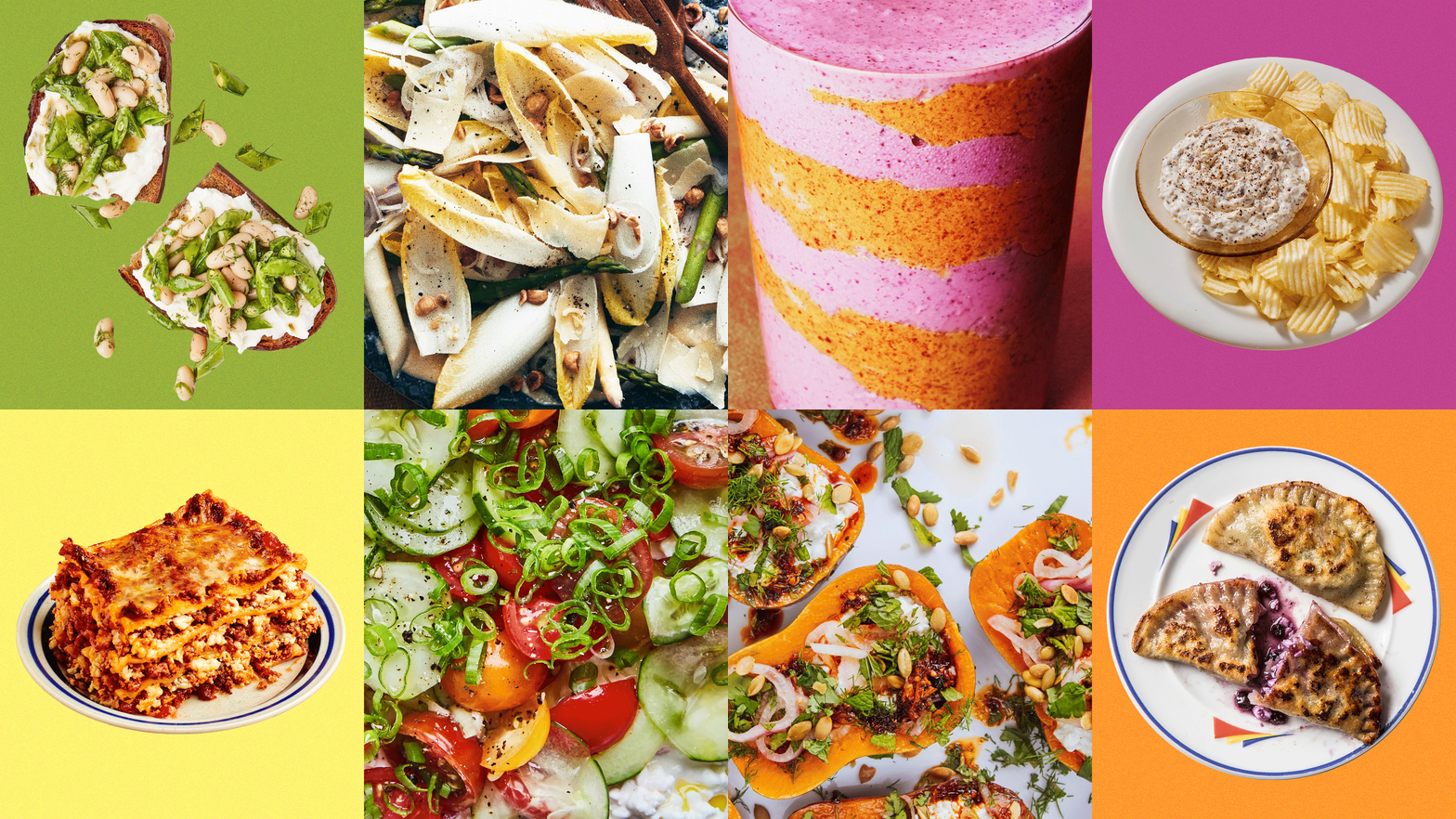
Cottage cheese, a dairy product often relegated to the periphery of modern gastronomy and once synonymous with restrictive diet regimens, is experiencing an unprecedented renaissance, transforming its image from a humble health food to a versatile culinary ingredient embraced by contemporary chefs, nutritionists, and a new generation of consumers. This resurgence is not merely a fleeting trend but a testament to its enduring adaptability, rich nutritional profile, and historical significance, demonstrating its capacity to transcend fleeting fads and reclaim a central position in diverse culinary applications.
An Enduring History: From Cyclops’ Lair to Colonial Kitchens
The origins of cottage cheese are deeply rooted in antiquity, mirroring fundamental dairy processing techniques that have sustained human populations for millennia. Perhaps one of the earliest literary references to a substance strikingly similar to modern cottage cheese can be found in Book IX of Homer’s epic poem, The Odyssey. When Odysseus and his crew venture into the cave of the Cyclops Polyphemus, they discover a rudimentary dairy operation. Homer vividly describes Polyphemus’s practice of "curdling half the milk and setting it aside in wicker strainers," a process that separates milk solids (curds) from liquid (whey). This ancient method of coagulation, whether through natural souring, rennet, or acidic agents, is the foundational principle behind cottage cheese production. Such simple, accessible techniques ensured the preservation of milk and provided a vital source of nutrition long before refrigeration.
Throughout the Roman Empire and the Middle Ages, various forms of fresh, unripened cheeses, akin to cottage cheese, were commonplace. These were often produced in rural settings, utilizing excess milk to create a protein-rich, easily digestible food. The term "cottage cheese" itself emerged in North America during the colonial era, referring to the practice of making cheese in small batches in settlers’ homes, or "cottages," often from soured milk. It represented a resourceful way to prevent food waste and provide a simple, nourishing staple. These early versions were typically made without standardized cultures or precise temperature controls, resulting in a product that varied in texture and tanginess, but consistently offered a significant source of protein and calcium. Its unpretentious nature made it a fixture in household kitchens, valued for its simplicity and nutritional benefits.
The 20th Century: Diet Fad and Culinary Stalwart
The 20th century marked a significant period for cottage cheese, witnessing its transition from a homespun product to a mass-produced item and, notably, its ascendancy as a dietary cornerstone. Following World War II, as societal focus shifted towards health and fitness, cottage cheese gained immense popularity as a low-fat, high-protein food. Its mild flavor and satisfying texture made it a preferred choice for individuals seeking to manage their weight or increase protein intake without consuming excessive calories. The ubiquitous "cottage cheese and pineapple" diet plate became an iconic symbol of mid-century health-conscious eating, a testament to its widespread acceptance in dietary circles.
By the mid-20th century, advancements in dairy processing and refrigeration allowed for the industrial-scale production and distribution of cottage cheese, making it widely available in supermarkets across North America and beyond. This accessibility further cemented its status as an everyday dairy product. However, its strong association with diet culture, coupled with its often lumpy texture, inadvertently led to a decline in its broader culinary appeal over time. While nutritionists continued to laud its health benefits, many consumers, particularly younger generations, began to perceive it as bland or unexciting, often overlooking its inherent versatility in favor of more exotic or "gourmet" dairy alternatives. This period saw cottage cheese paradoxically becoming both a staple and a culinary underdog, widely consumed but rarely celebrated in high-end cuisine.
The Modern Revival: A Protein Powerhouse for a New Generation

The turn of the 21st century, particularly the last decade, has heralded a remarkable turnaround for cottage cheese. Its modern resurgence is multifaceted, driven by a confluence of factors including social media influence, a heightened focus on nutrient-dense foods, and innovative culinary applications. Gen Z influencers and health advocates on platforms like TikTok and Instagram have played a pivotal role in rebranding cottage cheese, showcasing its potential beyond its traditional, often maligned, image. This digital advocacy has introduced cottage cheese to a new demographic, highlighting its versatility and health benefits in engaging and creative ways.
Nutritionally, cottage cheese stands as a powerhouse, perfectly aligning with contemporary dietary trends that prioritize protein and whole foods. A typical half-cup serving of 4% fat cottage cheese can provide approximately 12-14 grams of high-quality protein, making it an excellent source for muscle repair, satiety, and overall metabolic health. This protein content is comparable to, and often exceeds, that found in popular Greek yogurts. Beyond protein, cottage cheese is a good source of essential micronutrients, including calcium for bone health, phosphorus, selenium, and B vitamins, particularly riboflavin and vitamin B12, which are crucial for energy metabolism and nervous system function. Its relatively low calorie count and moderate fat content (depending on the variety) further enhance its appeal to health-conscious consumers. Food industry analysts report a significant uptick in cottage cheese sales, with market research firms noting a consistent annual growth rate. For instance, reports from industry trackers indicate that the global cottage cheese market, valued at several billion dollars, is projected to continue its expansion, driven by increasing consumer awareness of its nutritional advantages and diverse applications.
Culinary Versatility Reimagined: Beyond the Diet Plate
The contemporary culinary landscape has witnessed a dramatic expansion of cottage cheese applications, moving far beyond its traditional role as a simple topping or diet component. Chefs and home cooks alike are rediscovering its unique textural and flavor profile, integrating it into both savory and sweet dishes.
One of the most notable transformations is its use in savory preparations. Blended cottage cheese, for example, offers a creamy, tangy base that can mimic the texture of sour cream or Greek yogurt in dips and sauces, while significantly boosting protein content. The "Cottage Cheese Caramelized Onion Dip," a contemporary twist on a classic, exemplifies this. By blending cottage cheese with slowly cooked, sweet-savory caramelized onions, it creates a rich, airy dip that offers both indulgent flavor and nutritional benefits. This technique not only enhances the texture, making it smooth and palatable for those averse to the curds, but also introduces a sophisticated tang that elevates the dip, making it ideal for pairing with potato chips or vegetable crudités. Similarly, cottage cheese is being incorporated into pasta sauces, often blended with fresh herbs like basil, parsley, or dill, to create vibrant, verdant, and protein-packed coatings for noodles. Its mildness allows it to carry the flavors of the herbs while adding a luxurious creaminess.
In more elaborate dishes, cottage cheese is replacing or supplementing other cheeses. It is a traditional ingredient in many lasagna recipes, contributing a light, creamy layer that contrasts beautifully with rich tomato sauces and robust meats. Its use in Eastern European staples like pierogies, where it is often combined with potatoes or fruit for fillings, showcases its historical role in comfort food. Even in modern interpretations of elote (Mexican street corn) salad, cottage cheese is being added to provide a tangy, creamy binder, complementing the charred corn, lime, chili, and cilantro, while adding a protein boost to a popular side dish. Its versatility extends to savory toasts, where it can be spread as a base and topped with anything from fresh vegetables and herbs to smoked salmon or avocado, creating a quick, satisfying, and nutrient-dense meal or snack.
On the sweet side, cottage cheese’s mild flavor makes it an excellent base for various dessert and breakfast items. Blended seamlessly, it becomes an invisible hero in smoothies, providing thickness, creaminess, and a substantial protein boost without the need for additional protein powders. Recipes like berry protein smoothies demonstrate how cottage cheese can replace yogurt or frozen banana as a thickening agent, contributing a subtle tang that balances the sweetness of fruits. For quick sweet treats, cottage cheese can be blended with melted chocolate to create a surprisingly light yet rich mousse, offering a healthier alternative to traditional high-fat desserts. It also pairs wonderfully with fresh fruit, moving beyond the outdated cantaloupe pairing to modern fruit salads, parfaits, or as a topping for pancakes and waffles, offering a balance of protein and natural sugars.
Market Dynamics and Industry Response
The robust demand for cottage cheese has not gone unnoticed by the dairy industry. Manufacturers are responding with significant innovation, expanding their product lines to cater to diverse consumer preferences. This includes offering a wider range of fat percentages (from non-fat to 4% milkfat), lactose-free options, organic varieties, and even flavored cottage cheeses designed for specific applications or palates. These innovations aim to make cottage cheese more appealing to a broader market, addressing historical criticisms regarding its texture and flavor profile.

Dairy industry leaders have expressed optimism about cottage cheese’s renewed popularity. Spokespersons for major dairy corporations often highlight how this resurgence aligns with broader consumer trends favoring clean labels, high-protein foods, and versatile ingredients. The ability of cottage cheese to appeal to different demographic segments—from athletes and fitness enthusiasts seeking protein, to families looking for nutritious and affordable options, to culinary innovators—positions it as a growth driver for the dairy sector. This renewed interest also encourages dairy farmers, providing a stable market for milk production and supporting the broader agricultural economy.
Expert Perspectives on Health and Culinary Trends
Nutrition experts universally endorse the re-evaluation of cottage cheese. Dr. Eleanor Vance, a prominent registered dietitian, notes, "Cottage cheese offers an excellent amino acid profile, crucial for muscle synthesis and repair, making it particularly beneficial for active individuals and those aiming for healthy aging. Its high protein content also contributes significantly to satiety, which can be a valuable tool in weight management strategies." She further emphasizes its role as a source of calcium and other essential minerals, vital for bone health, especially when consumed as part of a balanced diet.
From a culinary standpoint, chefs and food critics are increasingly recognizing cottage cheese’s untapped potential. Chef Julian Benoit, known for his innovative use of traditional ingredients, observes, "For too long, cottage cheese was unfairly pigeonholed. Its mild, tangy flavor and ability to blend into a smooth, creamy texture opens up a world of possibilities for both savory and sweet applications. It’s an incredibly versatile canvas that can carry other flavors beautifully, offering creaminess and body without the heavy richness of some other dairy products." This shift in perception among culinary professionals is driving its integration into diverse restaurant menus and gourmet recipes, challenging its long-held "diet food" stigma.
Broader Implications: A Shifting Culinary Landscape
The resurgence of cottage cheese signifies more than just a passing food trend; it reflects a deeper shift in consumer attitudes and the evolving culinary landscape. It illustrates a broader inclination towards re-evaluating ingredients that may have been overlooked or mischaracterized in the past. Consumers are increasingly discerning, seeking foods that offer both robust nutritional benefits and compelling flavor profiles, challenging traditional boundaries between "health food" and "indulgent cuisine."
This phenomenon underscores the dynamic interplay between health consciousness, social media influence, and culinary innovation. Cottage cheese’s journey from an ancient staple to a 20th-century diet icon, and now to a 21st-century culinary darling, serves as a compelling case study of how food perceptions can evolve. Its future appears bright, with continued innovation in product development and an expanding repertoire of culinary applications poised to solidify its place as a celebrated and indispensable component of global diets. The quiet curds, once a humble cottage industry product, have indeed found their epic moment, promising sustained relevance in kitchens worldwide.
