

Sean Thomas, grandson of the legendary Wendy’s founder Dave Thomas, is forging his own path in the competitive foodservice industry, drawing deeply from the foundational principles instilled by his iconic mentor. While his career in the sector began in his teenage years, it is the enduring wisdom of his grandfather, Dave Thomas, that continues to shape his entrepreneurial endeavors. Today, Sean Thomas stands as the cofounder of Minnie Bird, a burgeoning fast-casual restaurant chain based in Chicago, and a successful Wendy’s franchisee with 14 locations in the Pittsburgh area. His recent appearance on the podcast "Take-Away with Sam Oches" offered a glimpse into the invaluable lessons he absorbed from Dave Thomas, who passed away when Sean was just 13, and his strategic approach to building Minnie Bird with scalability in mind.
A Culinary Inheritance: From Dave Thomas to Minnie Bird
The influence of Dave Thomas, a titan of the fast-food industry known for his approachable persona and unwavering commitment to quality, is palpable in Sean Thomas’s approach to business. Dave Thomas’s philosophy, often centered on customer satisfaction, employee empowerment, and a dedication to simple, quality ingredients, has evidently resonated with his grandson. This legacy is not merely anecdotal; it is woven into the operational fabric of Sean Thomas’s current ventures.
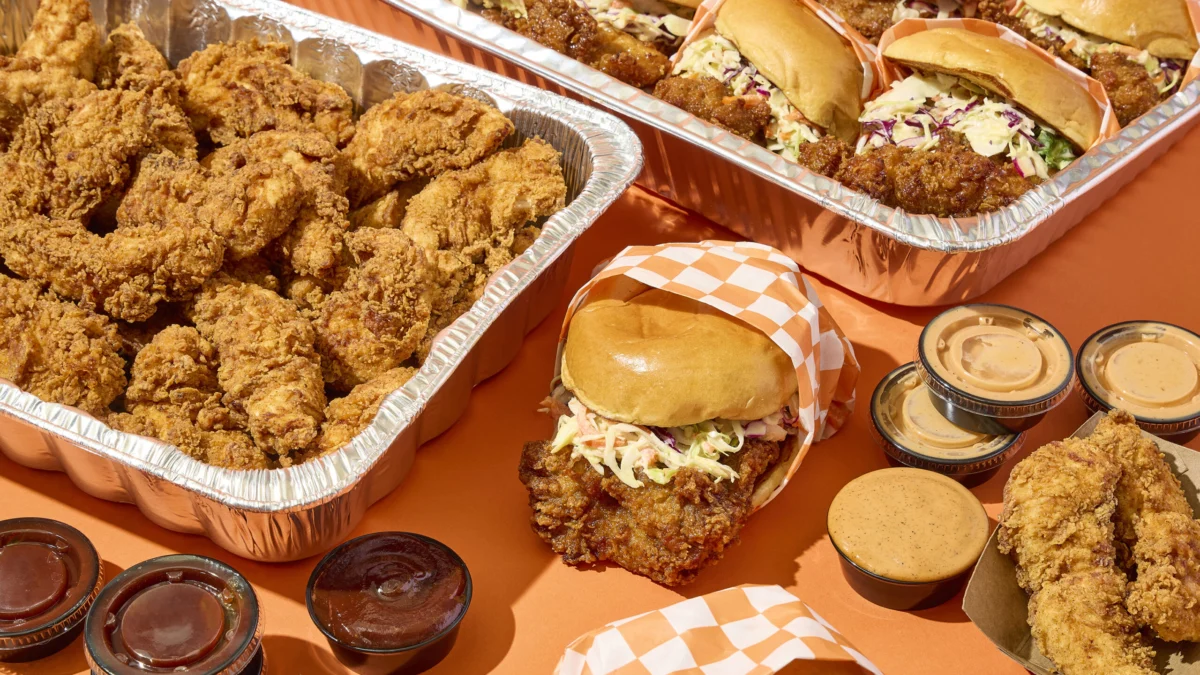
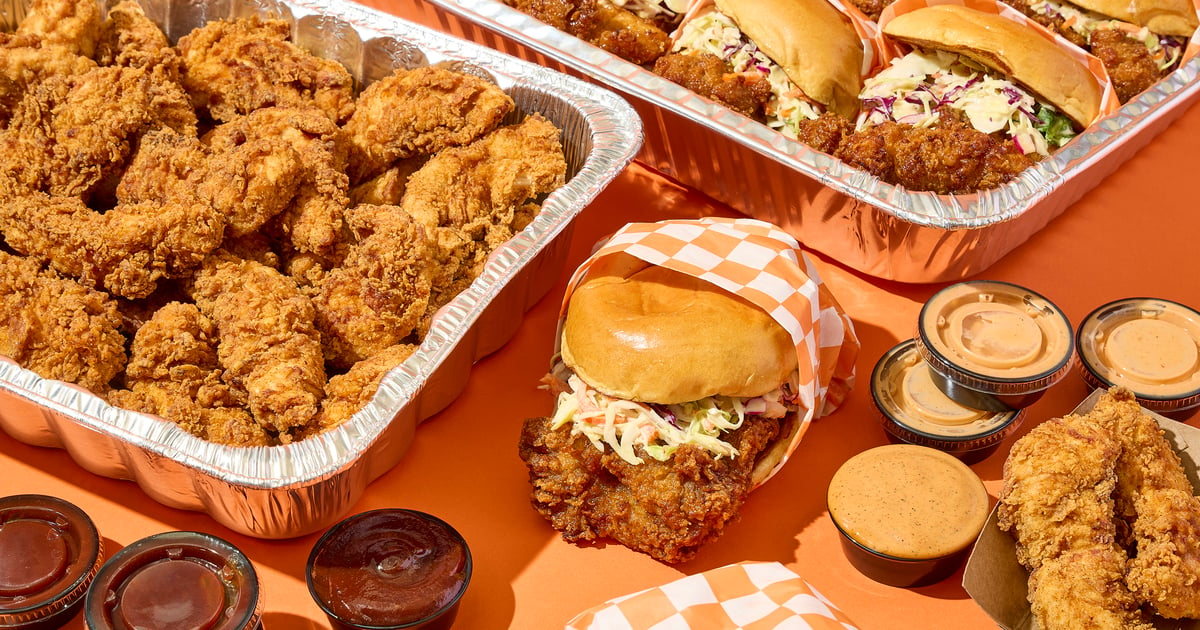
Minnie Bird, a three-unit operation in Chicago, exemplifies this philosophy. The restaurant specializes in premium chicken dishes, a nod perhaps to Wendy’s own successful chicken offerings, but with a distinct fast-casual elevation. The menu is complemented by a unique lineup of "dirty sodas"—a trend gaining traction for its customizable and indulgent beverage options—and a generous offering of complimentary soft serve with every order, a simple yet effective draw for customers seeking a sweet finish. This focus on value-added elements and a curated, high-quality core product reflects a deep understanding of consumer desires in the current market.
The fast-casual segment, in which Minnie Bird operates, has seen significant growth. According to industry reports, the fast-casual market in the U.S. has been projected to reach over $140 billion by 2028, driven by consumer demand for higher quality ingredients, healthier options, and a more upscale dining experience than traditional fast food, without the price point of full-service restaurants. Minnie Bird’s positioning within this lucrative segment, with its emphasis on premium chicken and unique beverage offerings, suggests a well-considered market strategy.
Lessons Learned: The Enduring Impact of Dave Thomas
During his conversation on "Take-Away with Sam Oches," Sean Thomas shared that the lessons from his grandfather were not always explicit pronouncements but often embedded in his daily actions and interactions. These formative experiences, even from a young age, provided Sean with a foundational understanding of what it takes to build a successful and reputable business. While the specifics of these lessons were not fully detailed in the initial announcement, the implication is that Dave Thomas’s mentorship, though cut short by his passing, provided Sean with an indelible blueprint for leadership and operational excellence.
Dave Thomas was renowned for his commitment to “doing the right thing.” This ethos extended to his treatment of employees, his sourcing of ingredients, and his philanthropic endeavors. His personal involvement in advertising campaigns, particularly those highlighting Wendy’s commitment to fresh, never-frozen beef, endeared him to consumers and set a benchmark for authenticity in the industry. It is highly probable that Sean Thomas has internalized these values, translating them into his own management style and business decisions.
Strategic Growth: Minnie Bird’s Franchise-Ready Design
Beyond personal mentorship, Sean Thomas discussed the strategic design of Minnie Bird with franchise growth in mind. This forward-thinking approach is crucial for any emerging restaurant brand aiming for significant expansion. Building a concept that is replicable, efficient, and profitable across multiple locations requires meticulous planning from the outset.
Factors that contribute to a franchise-ready model include:
- Operational Simplicity: Streamlined kitchen processes and standardized recipes that can be executed consistently by a diverse workforce.
- Supply Chain Management: Robust relationships with suppliers that can support a growing number of units.
- Brand Identity and Marketing: A clear, compelling brand message that resonates with target demographics and can be effectively communicated across different markets.
- Profitability and Unit Economics: A business model that demonstrates strong financial performance at the unit level, making it attractive to potential franchisees.
Minnie Bird’s focus on a core, high-demand product like chicken, combined with the appeal of its unique beverage program and complimentary dessert, suggests a strong foundation for scalability. The fast-casual model itself lends itself well to franchising due to its relatively lower overhead compared to full-service dining and its appeal to a broad customer base. The projected growth of the franchise sector, which continues to be a significant driver of economic activity, further underscores the strategic advantage of designing Minnie Bird for expansion.
The Wendy’s Connection: A Dual Role in the Industry
Sean Thomas’s dual role as a Minnie Bird cofounder and a Wendy’s franchisee is particularly noteworthy. It allows him to operate within the established framework of a major, successful brand while simultaneously innovating and building his own independent concept. This unique position likely provides him with invaluable insights into both the challenges and opportunities inherent in different tiers of the foodservice industry.
His experience as a Wendy’s franchisee would have provided him with hands-on knowledge of large-scale operations, corporate training programs, marketing strategies, and the intricacies of managing multiple locations under a well-known brand umbrella. This practical experience is a significant asset as he navigates the complexities of growing Minnie Bird. It also highlights a deep, generational connection to the QSR giant his grandfather built.
Broader Implications: A New Generation of Foodservice Leaders
The story of Sean Thomas and Minnie Bird offers a compelling narrative about the evolution of family legacies within the business world. It demonstrates that the principles of entrepreneurship, customer service, and operational excellence can be passed down and adapted to meet contemporary market demands.
As the foodservice industry continues to evolve, driven by changing consumer preferences, technological advancements, and economic shifts, the insights of seasoned operators and their successors become increasingly valuable. Sean Thomas’s journey, informed by the foundational teachings of Dave Thomas and applied through the innovative lens of Minnie Bird, exemplifies a new generation of leaders poised to make their mark. His ability to balance his heritage with a forward-looking vision for growth positions him as a figure to watch in the dynamic landscape of the fast-casual dining sector. The continued success of Minnie Bird, and his ongoing commitment to his Wendy’s franchise operations, will undoubtedly be a testament to the enduring power of mentorship and a dedication to quality that transcends generations.
