

Papa Johns, a global leader in the pizza delivery sector, has significantly expanded its franchisee network by refranchising 28 formerly corporate-owned restaurants in the vital Orlando, Florida market. This strategic move places these locations under the ownership and operational control of two businesses led by Wade Oney, a seasoned and established franchisee within the Papa Johns system. This acquisition marks a substantial growth for Oney, whose portfolio now exceeds 120 Papa Johns locations. His ongoing commitment to the brand is further underscored by his ambitious plan to open 10 new restaurants across Central and South Florida in 2025, demonstrating a robust confidence in the brand’s future growth and market penetration.
The refranchising initiative is a cornerstone of Papa Johns’ broader strategy to optimize its corporate footprint and empower experienced franchise partners. This move aligns with the company’s stated objective to reduce its corporate ownership of North American restaurants from its current level of over 15% down to the mid-single digits. This ambitious target reflects a fundamental shift in the company’s operational philosophy, prioritizing the strengths and local market expertise of its franchisees. This particular transaction in Orlando is a tangible manifestation of that vision, transferring operational responsibility to a franchisee with a proven track record of success.
The refranchising effort commenced in December, with an initial significant transaction involving Pie Investments acquiring 85 locations across the Mid-Atlantic region. This precedent-setting deal set the stage for subsequent refranchising activities, culminating in the recent Orlando transaction. The consistent pattern of these large-scale refranchising deals suggests a well-defined and actively pursued corporate strategy to divest company-owned stores in favor of franchised operations. This approach is often adopted by major restaurant chains seeking to reduce capital expenditure, leverage franchisee investment, and enhance operational agility.
Wade Oney’s Expanding Franchise Empire
Wade Oney’s involvement with Papa Johns extends over a considerable period, establishing him as a key player in the brand’s franchise landscape. His organizations have consistently demonstrated an ability to manage and grow Papa Johns restaurants effectively. The acquisition of 28 additional locations in Orlando not only bolsters his existing footprint but also solidifies his position as a dominant franchisee in the Florida market. His proactive approach, including the planned opening of 10 new restaurants in 2025, signals a strong belief in the growth potential of the brand and the specific markets he serves. This expansion is likely driven by a combination of favorable market conditions, consumer demand for Papa Johns’ offerings, and Oney’s established operational expertise.
The strategic decision to refranchise is often motivated by several key business imperatives. For franchisors like Papa Johns, it allows for a leaner corporate structure, freeing up capital and management resources to focus on brand development, marketing, innovation, and support for franchisees. It also leverages the entrepreneurial drive and local market knowledge of franchisees, who are typically more invested in the day-to-day success of individual units. For franchisees like Oney, it presents an opportunity to scale their businesses, achieve economies of scale in purchasing and operations, and expand their market share. The success of such refranchising efforts hinges on careful selection of franchise partners and robust support systems to ensure the continued success and brand integrity of the acquired locations.
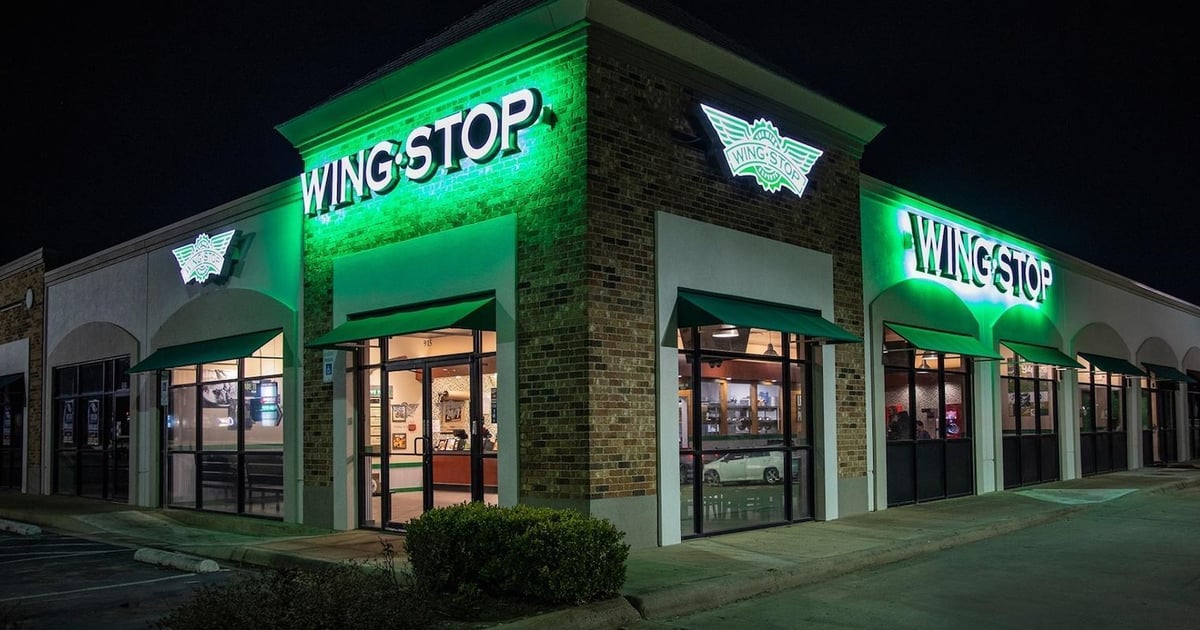
Wingstop Executive Departs Amidst Strategic Shifts
In parallel, the restaurant industry is witnessing shifts in leadership at other prominent brands. Donnie Upshaw, Senior Vice President and Chief Brand and People Officer at Wingstop, is set to resign from the company, with his departure effective September 10th. Upshaw plans to pursue a new opportunity, marking the end of a significant tenure with the chicken wing chain.
Upshaw joined Wingstop in April 2018 as the Vice President of Human Resources and steadily ascended through the ranks. In January of the current year, he assumed the role of Chief Brand and People Officer, a position that placed him at the forefront of the company’s brand strategy, culture development, and talent management initiatives. During his tenure, Upshaw played a pivotal role in spearheading several impactful marketing campaigns, including the FIFA World Cup-themed "House of Flavor" initiative and the successful launch of the "Club Wingstop" loyalty program. These programs were instrumental in enhancing brand visibility and fostering customer engagement.
Upshaw’s departure reduces Wingstop’s executive leadership team to four individuals. This core group includes CEO Michael Skipworth, Chief Financial Officer Alex Kaleida, Chief Operating Officer Raj Kapoor, and Chief Commercial Officer Brad Brewer. The continuity of leadership within this remaining executive team will be crucial as Wingstop navigates its future strategic direction and operational challenges. The roles and responsibilities previously managed by Upshaw will likely be absorbed by the existing team or redistributed, necessitating a period of adjustment and potential realignment within the company’s organizational structure.
Consumer Spending Trends: A Deeper Dive into Beef Consumption
Beyond corporate strategic maneuvers and executive changes, evolving consumer behavior continues to shape the broader restaurant landscape. Recent data from Numerator indicates a notable trend: consumers are spending more money on beef, yet they are consuming it less frequently. This seemingly paradoxical phenomenon highlights a complex interplay of economic factors, dietary preferences, and value perceptions.
Numerator’s findings reveal that beef prices have escalated at a rate more than four times that of pork or poultry. Consequently, the share of consumer spending dedicated to beef has reached its highest point since 2019, representing a one-percentage-point increase compared to the previous year. This surge in spending, despite the higher cost, suggests that when consumers do opt for beef, they are willing to allocate a larger portion of their budget towards it.
However, the data also shows a decline in the frequency of beef consumption. The share of beef occasions has decreased by 0.8 percentage points, according to Numerator. This suggests that consumers are making more deliberate choices about when and how often they include beef in their diets. Several factors could contribute to this trend. Rising beef prices may be prompting consumers to reserve beef for special occasions or to seek out more affordable protein alternatives for everyday meals. Additionally, growing awareness of health and environmental concerns associated with red meat consumption might also be influencing dietary choices, leading consumers to reduce their overall intake.

The implications of this trend for the restaurant industry are significant. Restaurants that heavily feature beef on their menus may need to adapt their pricing strategies, explore value-driven beef offerings, or diversify their protein options. Conversely, brands that can effectively position beef as a premium, indulgent, or celebratory option might be able to capitalize on the increased spending per occasion. Understanding the nuances of consumer behavior, such as the distinction between spending more and eating more, is critical for strategic planning and menu development in the current economic climate.
Broader Industry Context and Analysis
The strategic refranchising by Papa Johns exemplifies a prevailing trend across the quick-service restaurant (QSR) sector, where mature brands are increasingly looking to leverage their franchise models for growth and operational efficiency. This approach allows companies to expand their reach with less direct capital investment, while simultaneously empowering franchisees who possess intimate knowledge of their local markets. The success of this strategy hinges on strong franchisee relationships, comprehensive training and support, and a commitment to maintaining brand standards across all locations.
The departure of a key executive like Donnie Upshaw from Wingstop, while specific to that company, also reflects the dynamic nature of leadership within the fast-paced QSR industry. The constant pursuit of innovation, market share, and enhanced customer experience often leads to strategic hires and, inevitably, departures. The ability of an organization to absorb such changes and maintain its strategic trajectory is a testament to its underlying operational strength and leadership depth.
The data on beef consumption underscores the ongoing evolution of consumer preferences and purchasing habits. As economic pressures and evolving dietary consciousness intersect, restaurants must remain agile and responsive. The ability to offer diverse protein options, cater to different occasions, and provide perceived value will be crucial for sustained success. This trend also highlights the importance of data-driven insights in understanding complex consumer behaviors that may not be immediately apparent.
The interconnectedness of these developments – corporate strategy shifts, leadership changes, and evolving consumer trends – paints a comprehensive picture of the current restaurant landscape. Brands are continuously adapting to optimize their operations, strengthen their market positions, and meet the diverse and dynamic demands of consumers. The insights gleaned from these ongoing shifts will undoubtedly shape the future of the industry, influencing everything from operational models to menu innovation and marketing strategies.
