

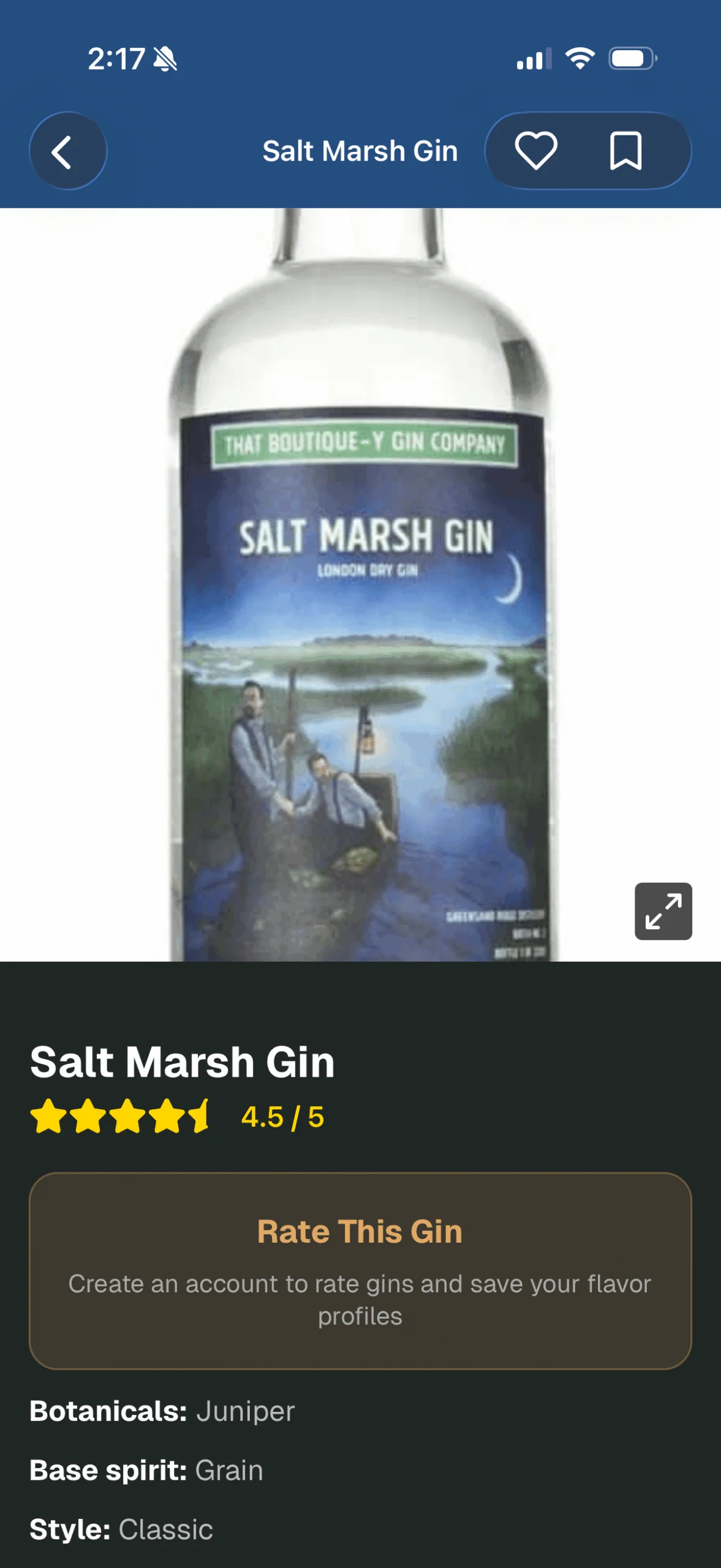
The GIN is IN, a premier independent resource for gin reviews and botanical analysis, has officially transitioned from a web-based archive to a mobile-centric platform with the release of its first application on the Apple App Store. Available as a free download, the application represents a significant milestone for the platform, which has spent over a decade documenting the rapid evolution of the global gin market. The launch marks the first time the platform’s comprehensive database of reviews—famed for its detailed flavor mapping—is accessible through a dedicated iOS interface. While the initial release is exclusive to the Apple ecosystem, the developer has confirmed that an Android version is currently in development, though a specific release date has not yet been finalized.
The development of the app was handled entirely by the site’s founder, highlighting a trend of independent, enthusiast-driven tech solutions in the niche spirits industry. The application is designed to serve both casual consumers and dedicated connoisseurs by providing a searchable index of hundreds of gins, categorized by a proprietary seven-dimension flavor profile. This move comes at a time when the gin industry is experiencing a period of "premiumization," where consumers are increasingly seeking specific botanical profiles rather than generic spirit categories.
The Evolution of Flavor: The Seven Dimensions of Gin
Central to the application’s utility is the refinement of its search functionality, which now includes seven distinct flavor dimensions. For years, The GIN is IN utilized a six-point system to categorize the sensory experience of a spirit: Juniper, Citrus, Floral, Heat (Spice), Herbal, and Earthy. However, in response to shifting market trends observed throughout 2024, the platform has officially integrated a seventh category: "Fruited."
The decision to add "Fruited" as a core search dimension reflects the explosive growth of contemporary gins that lean heavily into fruit-forward profiles, often departing from the traditional, juniper-heavy London Dry style. This category includes spirits infused with berries, stone fruits, and tropical elements, a segment of the market that has seen double-digit growth in both the United Kingdom and North American markets over the last five years. By allowing users to filter the archive by these seven dimensions, the app provides a level of granular discovery that standard retail platforms often lack.
The search engine allows users to find gins that match their specific palate preferences. For instance, a user who prefers the resinous qualities of a traditional gin can prioritize "Juniper," while those seeking modern, softer spirits can filter for "Floral" or "Fruited" profiles. This data-driven approach to spirit selection is a direct response to the "Gin-aissance," a global resurgence of interest in the spirit that began in the early 2010s and has led to the creation of thousands of new distilleries worldwide.
Empowering the Consumer: Personal Databases and Flavor Diagrams
Beyond serving as a static reference tool, the new application introduces interactive features designed to gamify and personalize the tasting experience. Users are now empowered to build their own digital archives, saving gins they have enjoyed or creating a "wish list" for future purchases. This functionality mirrors successful models seen in other beverage sectors, such as Vivino for wine or Untappd for craft beer, which have successfully built massive user bases by allowing consumers to track their personal journey through a product category.
A standout feature of the app is the ability for users to create their own flavor diagrams. While the platform provides professional reviews and flavor maps for every gin in its database, the app allows users to input their own tasting notes and generate custom diagrams. This recognizes the subjective nature of sensory perception; what one taster identifies as "earthy," another might perceive as "herbal." By allowing users to track these nuances over time, the app fosters a deeper educational engagement with the spirit.
The developer has indicated that these personal diagrams are just the beginning. Future updates are expected to include social sharing features, allowing users to compare their flavor perceptions with friends or the broader community. This roadmap suggests a long-term strategy to transform The GIN is IN from a one-way information resource into a social network for gin enthusiasts.
Chronology of The GIN is IN and the Modern Gin Market
The launch of the mobile app is the culmination of a decade-long trajectory that mirrors the growth of the craft spirit movement.
- 2009–2012: The Foundation. During the early stages of the craft gin boom, The GIN is IN was established as a blog to document the emerging variety of gins beyond the traditional "Big Four" brands.
- 2013–2018: Database Expansion. As the number of craft distilleries in the U.S. and U.K. surpassed historical records, the site transitioned into a structured database, introducing the original six-point flavor profile system to help consumers navigate an increasingly crowded market.
- 2019–2023: The Rise of Contemporary Styles. The market saw a surge in "New Western" and "Contemporary" gins, where juniper took a backseat to regional botanicals. The platform expanded its review criteria to accommodate these non-traditional styles.
- Early 2024: The "Fruited" Integration. Recognizing the permanence of the flavored gin trend, the platform officially added "Fruited" to its taxonomy, ensuring that the database remained relevant to modern consumer tastes.
- Late 2024: Mobile Launch. The GIN is IN debuts on the Apple App Store, moving its data from the browser to the pocket of the consumer, facilitating on-the-spot decision-making at liquor stores and bars.
Market Context and Industry Implications
The release of this application occurs within a complex economic landscape for the spirits industry. According to data from the Distilled Spirits Council of the United States (DISCUS), while the overall growth of spirits has stabilized following the pandemic-era surge, the "Super Premium" gin segment continues to outperform lower-priced tiers. Consumers are drinking "less but better," a trend that necessitates tools like The GIN is IN to ensure that their premium purchases align with their taste preferences.
Furthermore, the "Spirit-Tech" sector is seeing increased investment. Apps that provide transparency regarding ingredients and flavor profiles are becoming essential as consumers demand more information about what they consume. For craft distillers, being featured on an app with a robust flavor-mapping system provides a form of digital shelf space that can be more influential than traditional advertising.
Industry analysts suggest that apps focusing on specific spirits, rather than general "cocktail" apps, provide higher value to enthusiasts. By focusing exclusively on gin, the platform avoids the dilution of data quality that often plagues multi-spirit databases. This specialization allows for a more rigorous analysis of botanicals, distillation methods, and regional styles—from the maritime gins of Scotland to the citrus-forward gins of California.
Technical and Regulatory Considerations
The application is available in all global markets where alcohol-related content is legally permitted. To comply with international regulations, the app includes age-gating mechanisms and clear disclaimers regarding responsible consumption. The developer has opted for a user-friendly entry model: the search functions are available without an account, though an email sign-up is required to access the personal archive and flavor diagram features.
The solo-coded nature of the app highlights both a challenge and an opportunity. While it allows for a highly specialized and "pure" vision of the platform’s goals, it also means that the rollout of features like the Android version and community sharing will follow a more deliberate pace than venture-backed tech startups. However, for the gin community, this independence is often viewed as a mark of authenticity and unbiased reporting.
Future Outlook and Community Engagement
Looking ahead, the roadmap for The GIN is IN suggests a shift toward a more collaborative ecosystem. The developer has expressed a desire to enable community reviews, which would allow the app to aggregate user scores alongside professional critiques. This "crowdsourced" data could provide valuable insights for distillers, who could use the platform to see how their products are being perceived by different demographics in real-time.
Additionally, the potential for "flavor sharing" could revolutionize how tasting events are conducted. Using the app, a group of tasters could simultaneously map a gin’s profile and overlay their diagrams to find a "consensus flavor," a tool that would be invaluable for spirits judges and educational seminars.
In conclusion, the launch of the GIN is IN app is more than a simple technological update; it is a response to the maturation of the gin industry. By providing consumers with the tools to quantify their own palates and search through a decade’s worth of data, the app empowers the modern drinker to navigate the complex, botanical-rich world of gin with unprecedented precision. As the craft spirit market continues to diversify, such digital tools will likely become the primary bridge between the distillery and the consumer’s glass.
