

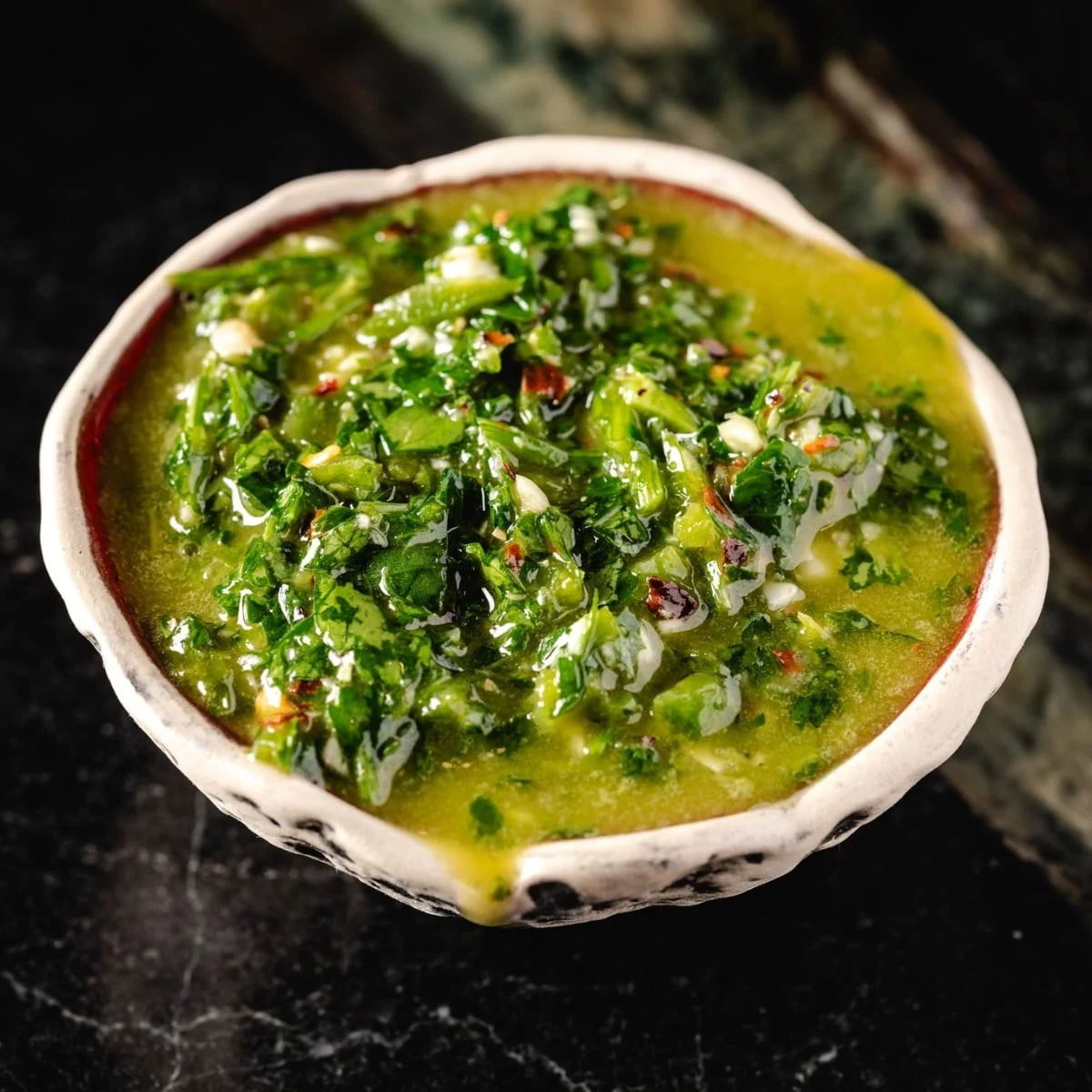
The emergence of fusion condiments has fundamentally altered the landscape of modern outdoor cooking, with the Jalapeño Chimichurri Sauce standing as a primary example of this culinary evolution. By integrating the traditional Argentinian herb-based sauce with the charred heat of the North American jalapeño, chefs and home enthusiasts alike are discovering a sophisticated flavor profile that bridges regional traditions. This sauce combines charred jalapeño, fresh parsley, cilantro, and garlic to create a bright, pungent, and spicy accompaniment designed to enhance grilled proteins and vegetables.
Historical Context and the Evolution of Chimichurri
To understand the significance of the jalapeño-infused variant, one must first examine the origins of the classic chimichurri. Traditionally associated with the gaucho culture of Argentina and Uruguay, chimichurri was developed as a versatile condiment for the asado, or social barbecue. The traditional recipe typically consists of finely chopped parsley, minced garlic, olive oil, oregano, and red wine vinegar.
Etymological theories regarding the name "chimichurri" are diverse. One popular, though often debated, theory suggests it is a corruption of "Jimmy’s Curry," named after an Irishman or Englishman who joined the fight for Argentine independence. Others point to Basque origins, specifically the word tximitxurri, which translates roughly to "a mix of several things." Regardless of its linguistic roots, the sauce has remained a staple of South American cuisine for centuries.
The modern iteration, which introduces the jalapeño, represents a broader trend in global gastronomy: the hybridization of regional flavors. By incorporating a pepper native to Mexico and the Southern United States, the sauce gains a "sweet heat" and a complexity that reflects the interconnected nature of 21st-century culinary practices.

The Science of Flavor: The Role of Charring and Blistering
The defining characteristic of this specific jalapeño chimichurri is the preparation of the pepper. Rather than using raw jalapeños, which would provide a sharp, crisp heat, the recipe requires the pepper to be blistered or charred over direct heat. This process is not merely aesthetic; it involves complex chemical reactions that alter the pepper’s molecular structure.
When a jalapeño is exposed to high heat, the Maillard reaction occurs, leading to the browning and caramelization of the pepper’s natural sugars. This mitigates the raw "green" flavor of the pepper and introduces a subtle smokiness. Furthermore, the heat softens the cell walls of the pepper, making it more pliable for blending and allowing its oils to integrate more seamlessly with the olive oil base.
From a sensory perspective, charring the pepper adds a "bass note" to the sauce. This balances the "high notes" provided by the fresh parsley and the sharp acidity of the red wine vinegar. The result is a more rounded, full-bodied condiment that stimulates multiple areas of the palate simultaneously.
Technical Preparation and Ingredient Synergy
The production of Jalapeño Chimichurri is a study in efficiency and ingredient synergy. The process begins with the selection of fresh herbs—parsley and cilantro—which provide the aromatic foundation. While traditionalists in Argentina may omit cilantro, its inclusion in this variant aligns with the flavor profile of the jalapeño, creating a profile reminiscent of Latin American salsa verde but with the oil-and-vinegar structure of a classic chimichurri.
The Blending Process
Once the jalapeño has been charred and the skin slightly blackened, it is combined with the herbs, garlic, red wine vinegar, and olive oil. The method of preparation—whether by hand-chopping or using a food processor—impacts the final texture. A food processor, as suggested by modern techniques, allows for a more emulsified and consistent sauce, though a pulse setting is often recommended to maintain some of the rustic texture associated with traditional chimichurri.

Chemical Composition of Ingredients
The sauce relies on the following components to achieve its signature punch:
- Acidity: Red wine vinegar acts as a preservative and a flavor brightener, cutting through the richness of grilled meats.
- Lipids: Olive oil serves as the carrier for the fat-soluble flavor compounds found in the garlic and peppers.
- Aromatics: Garlic provides a pungent depth, while the herbs offer freshness.
- Capsaicin: The jalapeño provides the heat, which can be adjusted by the removal or inclusion of the pepper’s internal membranes and seeds.
Nutritional Analysis and Dietary Impact
Based on standardized nutritional data for this preparation, a single serving (calculated for a batch serving six) contains approximately 171 calories. The majority of these calories are derived from healthy fats, with total fat content measuring 18 grams. Of this, 13 grams are monounsaturated fats, primarily from the olive oil, which is widely recognized for its heart-health benefits.
The sauce is low in carbohydrates (2g) and sugars (0.2g), making it an ideal condiment for those following ketogenic or low-glycemic diets. Furthermore, the inclusion of fresh herbs and peppers provides a significant boost in micronutrients. A single serving offers approximately 1075 IU of Vitamin A and 15 mg of Vitamin C, both of which are essential antioxidants. The sodium content is relatively moderate at 443 mg, though this can be adjusted by the cook based on personal preference.
Market Trends: The Rise of Artisanal and Homemade Condiments
The popularity of recipes like Jalapeño Chimichurri is reflective of a larger shift in consumer behavior. The global condiments market has seen a surge in demand for "clean label" products—those free from artificial preservatives, high-fructose corn syrup, and thickeners.
The Digital Culinary Influence
The proliferation of digital platforms and culinary experts, such as Susie Bulloch of "Hey Grill Hey," has democratized professional-grade grilling techniques. Bulloch, a recognized figure in the BBQ community who has appeared on the Food Network and holds Guinness World Records, emphasizes the "Backyard BBQ Hero" philosophy. This movement encourages home cooks to move away from store-bought, shelf-stable sauces in favor of fresh, high-quality preparations.

Data indicates that the "hot sauce" and "specialty condiment" sectors are among the fastest-growing segments in the food industry. Consumers are increasingly seeking out complex heat profiles—moving beyond simple "spicy" flavors to embrace "flavor-forward" heat that incorporates smoke, acid, and herbals.
Culinary Applications and Pairing Science
The versatility of Jalapeño Chimichurri makes it a valuable tool in a chef’s arsenal. Its primary application remains the enhancement of grilled proteins, where the acidity of the sauce performs a vital culinary function.
Protein Pairings
- Beef: The classic pairing. The vinegar and herbs in the chimichurri help break down the perception of heaviness in fatty cuts like ribeye or flank steak.
- Poultry: The sauce adds moisture and a vibrant color to grilled chicken breasts or thighs, which can otherwise be visually unappealing.
- Seafood: The brightness of the parsley and lemon-like qualities of the cilantro complement white fish and grilled shrimp.
- Vegetables: Charred cauliflower, grilled zucchini, and roasted potatoes benefit from the sauce’s ability to provide a savory "umami" kick without the need for heavy creams or cheeses.
Storage and Safety
As a fresh, oil-based sauce, Jalapeño Chimichurri requires proper handling. While the acidity of the vinegar provides some antimicrobial properties, the presence of raw garlic in oil necessitates refrigeration to prevent the risk of foodborne illnesses. Experts recommend consuming the sauce within three to five days for optimal flavor and safety.
Broader Implications for the BBQ Community
The move toward more complex, herb-heavy condiments signifies a maturation of the outdoor cooking community. Historically, American barbecue was dominated by heavy, sugar-based tomato sauces. The adoption of chimichurri-style sauces indicates a growing appreciation for international techniques and a desire for lighter, more refreshing flavor profiles that highlight, rather than mask, the quality of the meat.
Furthermore, the integration of the jalapeño into this South American classic serves as a testament to the fluid nature of culinary culture. As home cooks become more adventurous, the boundaries between regional cuisines continue to blur, resulting in a more diverse and exciting gastronomic landscape.

Conclusion
The Jalapeño Chimichurri Sauce is more than just a condiment; it is a representation of the modern griller’s desire for depth, health-conscious ingredients, and culinary fusion. By mastering the simple technique of blistering a pepper and balancing it with fresh aromatics, the "Backyard BBQ Hero" can elevate a standard meal into a professional-tier dining experience. As the trend toward fresh, homemade sauces continues to grow, the Jalapeño Chimichurri is poised to remain a staple of the contemporary outdoor kitchen.
