

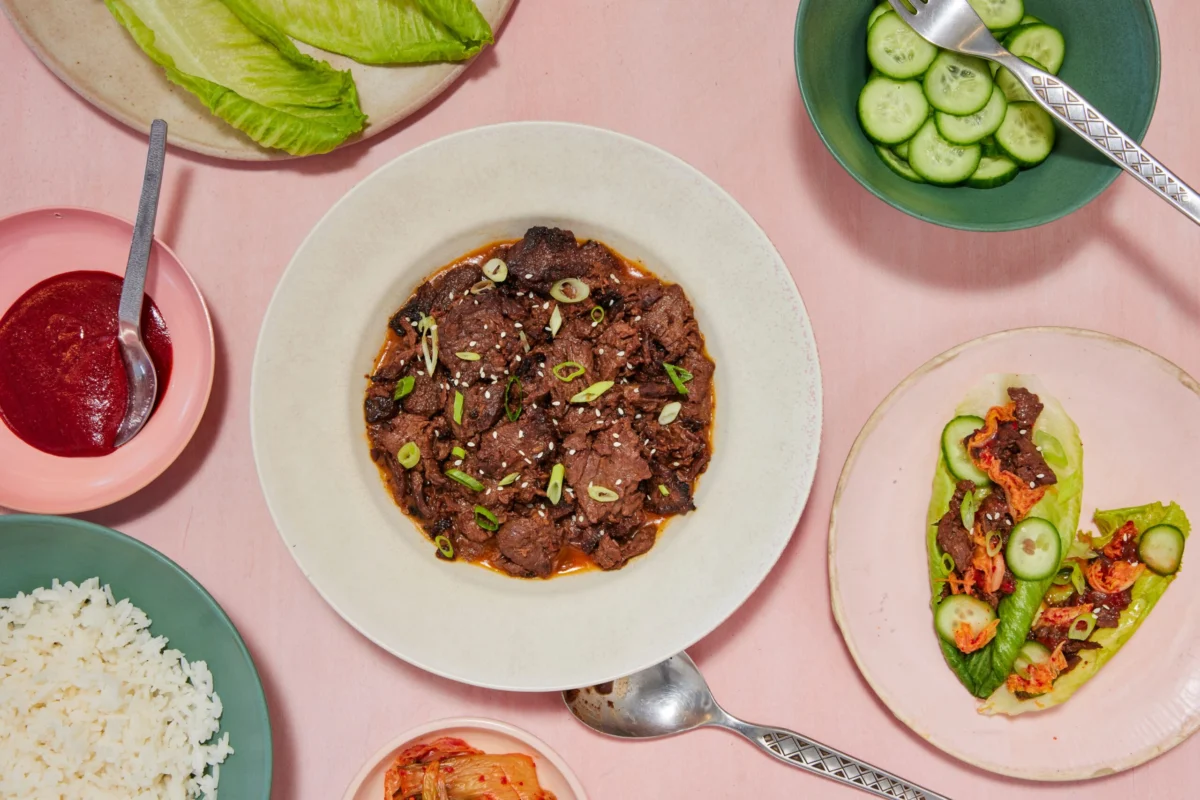
Bulgogi, often translated as "fire meat," stands as one of Korea’s most recognizable and beloved culinary exports, a dish that masterfully balances sweet, savory, and umami notes, frequently characterized by its tantalizingly charred edges. While its modern incarnation is celebrated globally for its approachable flavor profile and versatility, the journey of bulgogi from ancient grilling traditions to a contemporary global phenomenon is a testament to culinary evolution, cultural resilience, and the power of food as a diplomatic tool. This iconic dish, traditionally featuring thinly sliced, marinated meat cooked over an open flame, has transcended its origins, finding its way into kitchens and restaurants worldwide, often adapted for indoor preparation using a hot skillet or griddle, where the flavorful meat (be it beef, pork, or chicken) achieves its characteristic browning and crisping in mere minutes. Its enduring appeal lies not just in its taste but also in its profound cultural significance and its adaptability to diverse palates and cooking environments.
The Deep Roots of "Fire Meat": A Historical Overview
The lineage of bulgogi can be traced back through centuries of Korean culinary history, evolving from ancient meat preparations to the refined dish known today. Its earliest precursor is believed to be maekjeok, a dish of skewered grilled meat consumed during the Goguryeo dynasty (37 BCE – 668 CE). This nomadic tradition of cooking meat over an open fire laid the groundwork for future developments. During the Goryeo Dynasty (918–1392), meat consumption, particularly beef, became more prevalent, especially among the aristocracy and in Buddhist temple cuisine, where seolyamyeok emerged—a dish of broiled beef often served on skewers.
The Joseon Dynasty (1392–1897) marked a pivotal period in bulgogi’s evolution. As the royal court cuisine became more sophisticated, meat dishes were refined, and the concept of marinating meat to tenderize and enhance flavor gained prominence. It was during this era that the dish began to resemble what we now recognize as bulgogi, incorporating ingredients like soy sauce, garlic, and sesame oil. Initially a delicacy reserved for royalty and nobility, its popularity gradually spread to the common people, particularly as the availability of meat increased. The term "bulgogi" itself, meaning "fire meat," is believed to have become widely used in the early 20th century, cementing its identity as a dish cooked directly over a flame.
Post-Korean War, with rapid urbanization and the establishment of dedicated Korean barbecue restaurants, bulgogi experienced a resurgence in popularity. The development of specialized grilling tables and indoor cooking methods made it accessible and convenient for urban dwellers. This period also saw the standardization of the marinade and preparation techniques, further solidifying bulgogi’s status as a national dish. Its relatively sweet and savory profile, less spicy than many other Korean dishes, positioned it well for international appeal as Korea began to open up to the world.
The Art and Science of Bulgogi Preparation
At the heart of exceptional bulgogi lies the meticulous preparation of both the meat and its marinade. The dish’s signature tenderness and rapid cooking time are largely attributed to the thin slicing of the meat and the tenderizing agents within the marinade.
Meat Selection and Slicing: While bulgogi is most famously associated with beef, modern variations successfully incorporate pork (often called dwaeji bulgogi) or chicken (dak bulgogi). For beef bulgogi, specific cuts are preferred for their tenderness and fat marbling, which contributes to flavor and juiciness. Hanger steak or boneless short rib are highly regarded choices, offering a rich, beefy flavor and excellent texture. Other suitable cuts include rib eye, top sirloin, flank steak, or skirt steak. The critical factor across all meat types is the slicing: it must be very thin. This maximizes the surface area for the marinade to penetrate quickly and ensures the meat cooks rapidly and evenly. To facilitate this precise thin slicing, a common technique involves partially freezing the meat for about 15 to 30 minutes, firming it up sufficiently to allow for razor-thin cuts. Alternatively, many Korean grocery stores offer pre-sliced beef specifically prepared for bulgogi or Korean barbecue, often labeled for shabu-shabu, which is even thinner and requires careful monitoring during cooking to prevent overcooking.
The Signature Marinade: The marinade is the soul of bulgogi, imparting its distinctive sweet, savory, and aromatic character while also tenderizing the meat. A standard bulgogi marinade typically includes:
- Soy Sauce: Provides the fundamental salty, umami base.
- Toasted Sesame Oil: Adds a nutty depth and aromatic complexity.
- Brown Sugar or Honey: Contributes sweetness, balancing the savory elements and promoting caramelization during cooking, resulting in those coveted charred edges.
- Garlic and Ginger: Essential aromatics that provide pungency and a fresh, spicy counterpoint.
- Grated Pear (or Kiwi/Pineapple): This is a crucial, often overlooked, ingredient. Pears not only add a subtle, natural sweetness but also contain enzymes (like bromelain in pineapple or actinidin in kiwi) that naturally break down meat fibers, significantly tenderizing the beef. This enzymatic action is why a shorter marinating time (often just 30 minutes to an hour) is sufficient for thinly sliced meat.
- Black Pepper and Green Onions: Add additional layers of flavor and freshness.
- Gochugaru (Korean Chili Flakes): While traditional beef bulgogi is generally more sweet and savory than overtly spicy, a touch of gochugaru is sometimes added to introduce a gentle, fruity heat that complements the sweetness of the sugar and pear without overpowering the dish. Its inclusion is optional and can be adjusted to personal preference.
The meat is typically marinated for at least 30 minutes, though longer periods (up to several hours or overnight) can further deepen the flavor, especially for slightly thicker cuts.
Cooking Methods:
Bulgogi’s name, "fire meat," inherently suggests grilling over an open flame, which remains the traditional and often preferred method for its smoky, caramelized edges. When grilling, the meat is usually cut into thin but relatively wide pieces to prevent it from falling through the grates. Charcoal grills or specialized Korean barbecue setups are ideal, imparting a distinct smoky aroma.
For indoor preparation, a hot skillet, griddle, or electric grill is commonly used. The high heat quickly browns and crisps the marinated meat, locking in the flavors. The rapid cooking time, often just a few minutes per batch, makes it an excellent choice for quick weeknight dinners. It is essential to cook the bulgogi in batches if preparing a large quantity to avoid overcrowding the pan, which can steam the meat instead of searing it, preventing the desirable caramelization.
The Complete Bulgogi Experience: Serving and Accompaniments
Serving bulgogi is an integral part of the Korean dining experience, transforming a simple meat dish into a communal feast of balanced flavors and textures. The accompaniments are not mere side dishes; they are essential components that complement, contrast, and enhance the main event.
- Steamed Rice: The foundation of almost every Korean meal, perfectly cooked steamed rice acts as a neutral canvas, absorbing the rich flavors of the bulgogi and providing a satisfying textural contrast.
- Kimchi: No Korean meal is complete without kimchi, the ubiquitous fermented cabbage dish. Its tangy, spicy, and often umami-rich profile cuts through the richness of the bulgogi, offering a refreshing counterpoint and aiding digestion. Various types of kimchi, from classic baechu kimchi (napa cabbage kimchi) to kkakdugi (radish kimchi), might be served.
- Ssam (Lettuce Wraps): A popular and interactive way to enjoy bulgogi is through ssam, or lettuce wraps. Crisp lettuce leaves (such as red leaf, green leaf, or romaine) are used to wrap a piece of bulgogi, often accompanied by a dollop of ssamjang (a savory, spicy, and slightly sweet dipping sauce made from doenjang (fermented soybean paste) and gochujang (Korean chili paste)), a slice of raw garlic, a green chili, or a piece of pickled radish. Perilla leaves (kkaennip), with their unique, pungent aroma, are also frequently used for ssam. This interactive dining method allows diners to customize each bite, balancing flavors and textures to their preference.
- Banchan (Side Dishes): Beyond kimchi, a variety of banchan typically grace the Korean table. These small, often vegetable-based dishes provide a spectrum of flavors and nutrients. Common banchan include seasoned bean sprouts (kongnamul muchim), spinach (sigeumchi namul), pickled radishes, spicy cucumber salad (oi muchim), and various stir-fried or steamed vegetables. These side dishes offer refreshing breaks and textural variety, creating a harmonious and well-rounded meal.
- Gochujang: While ssamjang is commonly served with ssam, gochujang, a fermented chili paste, can also be offered for those who prefer a more direct and potent spicy kick.
Bulgogi as a Cultural Ambassador and Economic Driver
Bulgogi’s journey from a traditional Korean dish to a global culinary sensation is inextricably linked to the "Hallyu," or Korean Wave, which has seen Korean pop culture (K-pop, K-dramas, film) capture international imagination. Food, as a powerful cultural ambassador, has ridden this wave, with bulgogi often serving as the gateway dish for many experiencing Korean cuisine for the first time. Its accessible flavor profile, less challenging than some spicier Korean dishes, makes it an ideal introduction.
The global proliferation of Korean restaurants, particularly in major urban centers across North America, Europe, and Asia, underscores bulgogi’s international appeal. Data from various culinary trend reports indicate a consistent upward trajectory in the popularity of Korean food, with bulgogi frequently cited as a top-selling item. This growth is not merely anecdotal; it is reflected in the increased export of Korean food products, including bulgogi marinades and sauces, which have seen significant market expansion in recent years. For instance, the Korea Agro-Fisheries & Food Trade Corporation (aT Center) has reported substantial growth in the export value of Korean food products, with sauces and ready-to-eat meals being key contributors.
Beyond restaurants and exports, bulgogi plays a significant role in culinary diplomacy. The South Korean government and various cultural organizations actively promote Korean cuisine abroad, leveraging dishes like bulgogi to foster cultural understanding and strengthen international ties. Food festivals, cooking demonstrations, and culinary exchange programs frequently feature bulgogi, showcasing its versatility and rich heritage. This soft power approach has not only boosted the country’s image but also contributed to its tourism industry, with food tourism becoming a major draw for visitors eager to experience authentic Korean flavors.
Nutritional Considerations and Modern Adaptations
From a nutritional standpoint, bulgogi offers a good source of protein, especially when made with lean cuts of beef, pork, or chicken. When served with a variety of banchan, the meal becomes well-balanced, incorporating essential vitamins and fiber from vegetables. However, it is worth noting that the marinade, while delicious, can be high in sodium (from soy sauce) and sugar (from brown sugar or honey). Health-conscious diners might opt for reduced-sodium soy sauce or adjust the sugar content in homemade versions. The inclusion of fresh fruits like pear also adds natural sweetness and dietary fiber.
The adaptability of bulgogi has led to numerous modern innovations and fusion dishes. Bulgogi burgers, tacos, pizzas, and even pasta dishes can be found in various culinary landscapes, demonstrating its versatility beyond traditional Korean dining. The emergence of plant-based diets has also inspired vegetarian and vegan versions, utilizing ingredients like marinated mushrooms (portobello or king oyster), tofu, or plant-based meat alternatives, seasoned with a similar sweet and savory marinade to mimic the original’s flavor profile. These adaptations ensure bulgogi’s relevance in an evolving global food scene, catering to diverse dietary preferences while retaining its core essence.
Conclusion
Bulgogi stands as a powerful symbol of Korean culinary tradition, a dish that has gracefully navigated centuries of history, adapted to modern tastes, and emerged as a beloved global icon. From its ancient origins as fire-cooked meat to its sophisticated preparation in contemporary kitchens, bulgogi offers a compelling case for keeping dinner both simple and profoundly flavorful. Its harmonious blend of sweet, savory, and umami, coupled with its engaging communal dining experience, ensures its enduring appeal. As Korean culture continues to captivate audiences worldwide, bulgogi will undoubtedly remain at the forefront, bridging cultural divides and inviting countless individuals to savor a taste of Korea’s rich gastronomic heritage, one deliciously charred bite at a time.
