

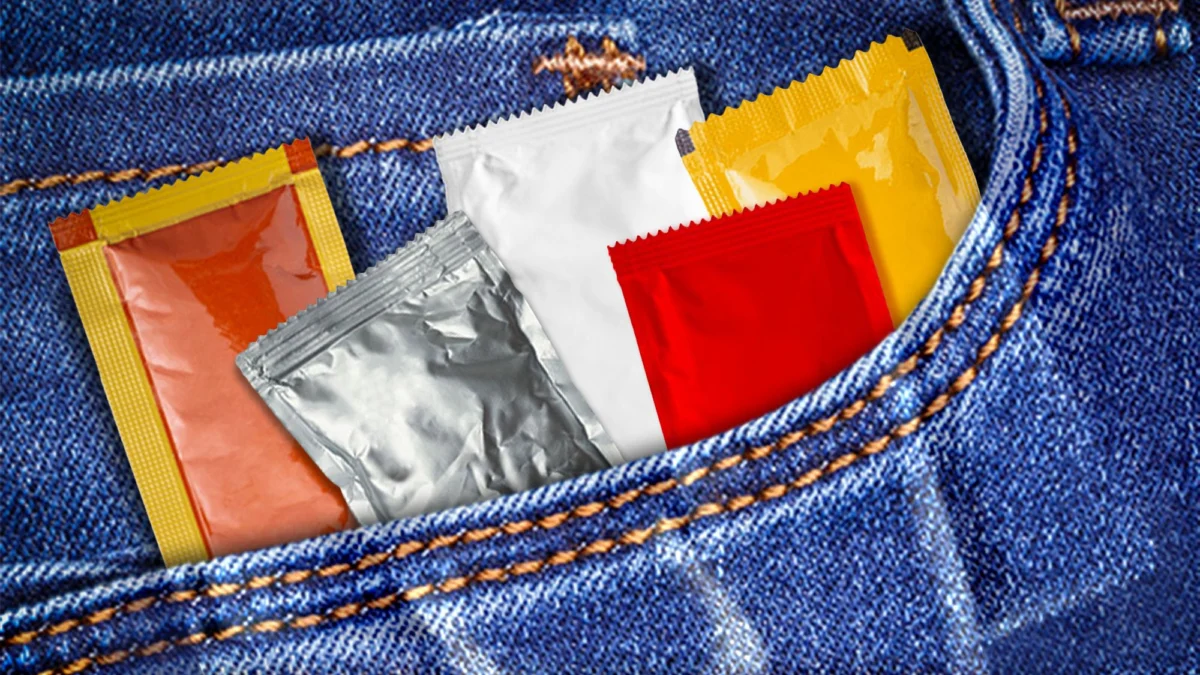
In an era defined by hyper-personalization and a globalized culinary landscape, a growing number of discerning diners are taking matters of taste into their own hands, quite literally. At the forefront of this evolving trend is Julia Coney, a Washington, D.C., and Houston-based wine consultant, journalist, and frequent traveler, who has meticulously curated a personal "bring-your-own" (BYO) spice and condiment kit over the past decade. Her carefully assembled arsenal, designed to ensure optimal flavor enjoyment wherever she dines, reflects a broader cultural shift towards individual culinary control and the pursuit of perfect seasoning.
Coney’s robust kit is a testament to her exacting palate, featuring an impressive array of flavor enhancers. Among its contents are more than half a dozen finishing salts, chosen for their distinct textures and mineral profiles; rich Calabrian chili oil, favored for its complex, fruity heat over simpler red pepper flakes; freshly cracked black pepper; a versatile "everything seasoning"; dehydrated lemon juice for a bright acidic lift; Kyoord olive oil for a superior fat component; two distinct hot sauces, Cholula and Original Louisiana, offering different heat and flavor profiles; luxurious Bon Maman honey; and a classic Dijon mustard. Each product is carefully decanted into preferred Muji containers, meticulously labeled, and then tucked into a travel pouch humorously branded with the words "EMERGENCY SNACKS."
This "seasoning package," as Coney refers to it, serves as her culinary insurance policy against bland or inadequately seasoned meals encountered during her extensive travels. However, its deployment isn’t limited to roadside diners or hotel room service. Coney is known to discreetly, yet confidently, deploy her kit even in upscale fine-dining establishments. Her rationale is simple: while an upmarket pizzeria might offer standard red pepper flakes, it likely won’t possess her preferred Calabrian chili oil, with its nuanced depth and aromatic complexity. Similarly, while sea salt might be ubiquitous, it rarely matches the specific textural crunch and delicate salinity of her favored "big flake" Maldon. "It’s mainly because I’m particular," Coney explains, acknowledging the initial amusement her kit often elicits. "People will laugh at me, and then they’re like, ‘Wait, that’s genius. Can I take a picture?’" This reaction underscores the quiet revolution taking place in dining rooms, where personal preference is increasingly asserting itself.
The Expanding Horizon of Personal Palates: A Modern Phenomenon
While Julia Coney’s dedication to her portable pantry might seem exceptional, an informal social media poll conducted recently revealed that a surprising number of diners—including professional chefs—engage in their own forms of BYO seasoning. This widespread practice ranges from the humble and ubiquitous Heinz ketchup and Sweet’N Low packets to more specialized items like mini Tajín, various brands of hot sauce (famously, Ninja Squirrel for former Secretary of State Hillary Clinton), gochujang for a savory-spicy Korean kick, and an assortment of vinegars. Most frequently, however, it is salt, in every conceivable flake, granule, and color, that finds its way into diners’ pockets and purses.
This trend is not merely a quirky habit but a reflection of a collective spice and condiment obsession that has grown increasingly nuanced and sophisticated. The digital age, with its proliferation of food blogs, cooking shows, and international travel, has exposed consumers to an unprecedented diversity of flavors and ingredients. As palates become more refined and specific, the desire to replicate or enhance those experiences, even in commercial dining settings, becomes more pronounced. Brands, ever attuned to consumer demand, have been quick to enable this movement, offering smaller, travel-friendly packaging and a wider array of specialty condiments.
A Brief History of Condiments and the Quest for Flavor Control
The human desire to enhance food is as old as civilization itself. From the earliest uses of salt as a preservative and flavor enhancer, to the elaborate spice routes of antiquity, and the development of fermented sauces like ancient Roman garum, condiments have played a pivotal role in culinary history. Medieval European tables featured an array of mustards and spiced vinegars, while the Age of Exploration brought new spices and ingredients from around the globe, fundamentally reshaping global cuisines.
The 19th and 20th centuries saw the industrialization of food production, leading to the mass availability of condiments like ketchup, mayonnaise, and standardized hot sauces. These products democratized flavor, making consistent tastes accessible to a broader population. However, this era also ushered in a certain homogenization of flavor, often prioritizing shelf-stability and cost-effectiveness over artisanal quality.
The late 20th and early 21st centuries, marked by the rise of "foodie" culture, celebrity chefs, and global travel, witnessed a resurgence of interest in artisanal, regional, and high-quality ingredients. Diners became more educated about food origins, preparation techniques, and the subtle nuances of flavor. This evolution set the stage for the current BYO condiment phenomenon, where individuals seek to reclaim a level of personal control over their dining experience, moving beyond the restaurant’s standard offerings to achieve a bespoke taste profile. It represents a full circle moment, from basic necessity to mass-market convenience, and now back to curated, personal enhancement.

The Culinary Conundrum: Chef’s Intent vs. Diner’s Preference
The practice of bringing one’s own seasonings into a restaurant setting inevitably raises questions of etiquette and respect for the chef’s craft. For many culinary professionals, seasoning is not merely an afterthought but an integral part of their artistic vision and the careful balance of a dish.
Jonathan McDowell, culinary director at FORTH Hotel in Atlanta, articulates this sentiment: "If a restaurant is known for a particular point of view, I’d encourage guests to try the dish first and be respectful of the restaurant’s culinary intent." This perspective highlights the chef’s role as an artist, meticulously crafting flavors, textures, and aromas to present a cohesive dish. Introducing an outside element, particularly before tasting, can be seen as undermining that artistic integrity.
Matthew Dion, executive chef of Southern-inspired Lowland in Charleston, South Carolina, offers a more nuanced view, acknowledging that the appropriateness of BYO condiments can depend on the restaurant and the specific dish. "We like to think we season our food well, but sometimes a guest wants a hit of hot sauce or a little extra seasoning," he admits. This recognition of individual taste variations is crucial. However, Dion strongly advocates for diners to communicate their preferences to the staff before resorting to their personal stash. He points out that many restaurants, particularly those committed to quality, produce their own house-made versions of common condiments, which are often crafted to perfectly complement their cuisine using superior ingredients. "We make our own mayo, ferment our own hot sauce, and make this buttermilk vinaigrette that feels like ranch," Dion explains. "There’s always an option if they ask, and that’s something we want our guests to understand." This suggests that a polite inquiry could lead to an even better, house-curated enhancement.
The practicalities of restaurant kitchens also play a role. As chef Cecil Rodriguez notes, "We sometimes feed hundreds of people a day. Not everything can be seasoned to everyone’s palate." Chefs must calibrate seasoning for a general audience, aiming for a balanced profile that appeals to the majority while remaining adaptable. This inherent challenge creates a space where personal additions can genuinely elevate a meal for an individual without necessarily implying a flaw in the original preparation.
The Psychology of Taste: Why Personalization Matters
Beyond mere preference, the act of personalizing one’s food with specific condiments taps into deeper psychological drivers. Taste is an intensely personal and subjective experience, influenced by genetics, cultural upbringing, past experiences, and even mood. What one person perceives as perfectly seasoned, another might find bland or overly salty. The precise balance of salt, acid, fat, and heat is often a moving target that varies from individual to individual.
For many, carrying a personal condiment kit is about control. In a world where dining out often means relinquishing control over ingredients and preparation, a personal bottle of hot sauce or a tin of specialty salt reintroduces an element of agency. It provides a sense of comfort and familiarity, ensuring that even in an unfamiliar setting, a beloved and specific flavor profile is within reach. This psychological comfort can significantly enhance the overall dining experience, transforming a potentially adequate meal into a truly enjoyable one.
Furthermore, the "halo effect" of beloved brands contributes to this phenomenon. A diner might have a strong emotional connection to a particular brand of hot sauce or a specific type of salt, associating it with positive memories or a perceived superior quality. These personal attachments make them reluctant to settle for a substitute, even if the restaurant offers a perfectly acceptable alternative.
The Global Palate and Market Trends Enabling the BYO Movement
The explosion of global cuisines and the ease of international travel have profoundly impacted the modern palate. Diners are no longer content with a generic "spicy" but seek the distinct heat of a Korean gochujang, the smoky depth of a chipotle, or the bright tang of a Peruvian aji. This heightened awareness of specific flavor profiles has fueled demand for a wider array of specialized condiments, many of which are now readily available in gourmet stores, online, and even in travel-sized formats.

The market has responded robustly to this demand. Artisanal salt producers offer everything from Himalayan pink salt to smoked sea salt and various finishing flakes. Craft hot sauce companies have diversified offerings beyond simple cayenne pepper, incorporating unique chili varieties and fermentation techniques. Specialty oil purveyors provide infused oils and single-origin selections. This commercial availability makes it easier than ever for individuals to curate their own portable flavor kits, further normalizing the practice. The "DIY" trend, prevalent in many aspects of modern life, has extended into dining out, where consumers are empowered to customize their experiences to an unprecedented degree.
Navigating Restaurant Etiquette: A Modern Dilemma
The question of whether it constitutes a "faux pas" to break out a BYO seasoning kit in a restaurant remains a topic of polite debate. There’s a clear distinction to be drawn between a casual eatery, where adding ketchup to fries or hot sauce to tacos is widely accepted, and a high-end restaurant, where every element of the dish is meticulously conceived.
Julia Coney exemplifies a courteous approach. She often asks if a fancy restaurant has Maldon salt before producing her own, delicately tapping a small pile onto the edge of her plate. To her knowledge, this polite inquiry has never caused offense and has, in fact, inspired several copycats among her dining companions. This strategy demonstrates respect for the establishment while still asserting personal preference.
On the other end of the spectrum is Chicago-based chef Cecil Rodriguez, creator of the private dining club and pop-up dinner series FatCap. Rodriguez never leaves home without his little tin of Jacobsen sea salt, driven by the philosophy, "why sit through an underseasoned meal that could otherwise be delicious?" His commitment to salt is so profound that he has "S-A-L-T" tattooed on the knuckles of his left hand. When asked about discretion, his response is an emphatic "Hell no!" In a playful, yet pointed, gesture, Rodriguez even texts pictures of himself salting their carefully calibrated dishes to chef friends, always "with love, of course." His actions underscore the belief that enhancing one’s personal enjoyment of food is paramount, and a good chef, understanding the vagaries of human taste, should not be offended by a diner’s quest for optimal flavor.
The implications for fine dining are perhaps the most complex. In establishments where a tasting menu is an orchestrated journey, introducing an external element could be seen as disrupting the chef’s narrative. However, even in these settings, the rise of dietary restrictions and allergies has forced kitchens to become more adaptable. Perhaps, in time, personal seasoning preferences will be viewed with a similar degree of understanding, prompting conversations between diners and staff about how best to achieve a perfect meal.
The Future of Flavor Personalization and Dining Culture
The BYO seasoning trend signals a broader evolution in dining culture, moving towards greater personalization and a more active role for the diner in shaping their culinary experience. As consumers become more sophisticated and empowered, restaurants may need to adapt. This could manifest in several ways:
- Enhanced Condiment Offerings: More restaurants might expand their in-house condiment selections beyond the basics, offering a curated "salt menu" or a "hot sauce flight" to cater to diverse palates.
- Improved Communication: Greater emphasis on open dialogue between diners and staff about seasoning preferences could become standard practice, allowing kitchens to adjust dishes before they leave the pass.
- Specialty Kits: Some establishments might even consider offering small, high-quality seasoning kits for purchase or as part of a premium dining experience, embracing the trend rather than resisting it.
Ultimately, the phenomenon of diners like Julia Coney carrying their personal seasoning kits is not merely a quirk; it is a reflection of a dynamic and evolving relationship between the diner, the chef, and the food itself. It highlights the deeply personal nature of taste and the universal human desire to optimize enjoyment. Far from being a mere faux pas, it represents a modern expression of culinary connoisseurship, challenging traditional notions of dining etiquette and paving the way for a more interactive and personalized future at the table.
