

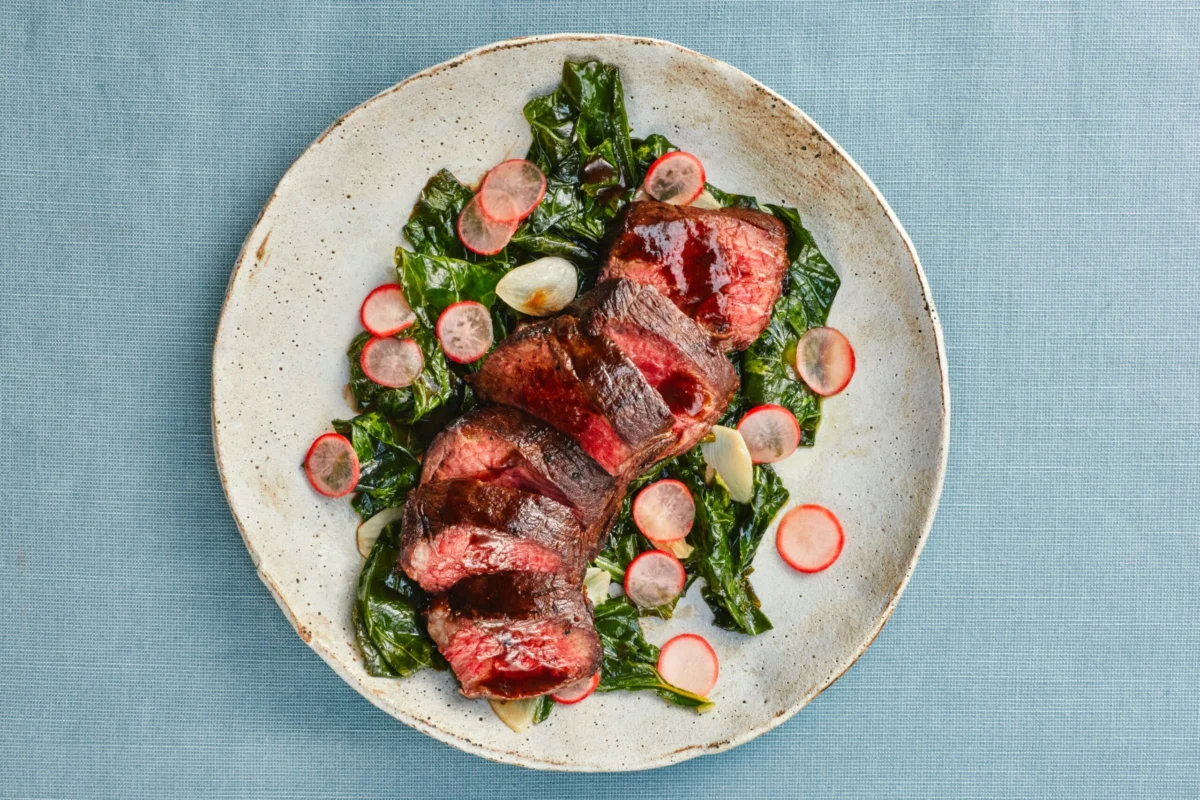
The modern culinary landscape is witnessing a significant paradigm shift, increasingly catering to the burgeoning demographic of single-person households and individuals seeking the pleasure of a solitary, yet sophisticated, dining experience. This evolving trend is encapsulated by initiatives such as Bon Appétit’s "Me, Myself, and Dinner" series, which champions the philosophy that a meal for one should be an eagerly anticipated event, not an afterthought. With nearly 30% of Americans currently living solo, the demand for recipes and culinary strategies tailored for individual portions has grown exponentially, prompting a re-evaluation of traditional cooking norms that predominantly focus on multi-person servings. This shift underscores a broader cultural movement towards intentional self-care and the appreciation of high-quality ingredients, even when preparing a meal solely for oneself.
The Rise of Solo Living and its Culinary Implications
The demographic shift towards single-person households is not a fleeting trend but a sustained societal transformation with profound implications for the food industry and culinary practices. Over the past five decades, the percentage of adults living alone in the United States has steadily climbed, from approximately 17% in 1970 to its current figure approaching 30%. This rise is attributed to a confluence of factors, including delayed marriage, increased divorce rates, longer life expectancies, greater geographic mobility for careers, and a growing preference for independent living among various age groups, particularly young professionals in urban centers and seniors.
Globally, this phenomenon is even more pronounced in some regions, with countries like Sweden, Norway, and Germany reporting over 40% of households consisting of a single occupant. This trend signifies a significant market segment that demands specialized attention from food producers, retailers, and recipe developers. Traditional grocery stores are adapting by offering smaller portion sizes for meats, produce, and pantry staples. Meal kit services have also diversified their offerings to include single-serving options, recognizing that convenience and reduced food waste are paramount for solo diners. Culinary publications and chefs, in turn, are increasingly dedicating resources to crafting recipes that celebrate the individual meal, emphasizing quality ingredients and efficient preparation methods rather than merely scaling down family-sized dishes. This evolution highlights a cultural acceptance and even celebration of solo dining as a legitimate and enriching experience, moving beyond the historical perception of it being a secondary or less significant occasion.
The Underrated Excellence of Boneless Short Rib for Single Servings
In the pursuit of creating exceptional solo meals, the selection of the right cut of meat becomes paramount. Among the diverse options available, the boneless short rib stands out as a remarkably versatile, flavorful, and often overlooked choice, perfectly suited for individual portions. While many cuts excel in specific preparations, the boneless short rib possesses a unique duality, capable of being cooked rapidly like a premium steak or slowly braised to melt-in-your-mouth tenderness.
Butchery and Nomenclature:
Technically derived from the chuck primal — specifically from the serratus ventralis muscle located beneath the shoulder blade — the boneless short rib is distinct from traditional, bone-in short ribs, which typically come from the plate or brisket primal. Its specific anatomical origin contributes to its rich marbling and robust beefy flavor. This cut is often marketed under various names, adding to its mystique and sometimes confusing consumers. "Denver steak" is a common label, a term popularized by the beef industry to elevate the perception of cuts from the chuck primal. The name "Denver steak" is intended to evoke a sense of quality and appeal, drawing attention to a relatively unknown but high-value portion of the chuck. Another designation, "zabuton," is a Japanese term that translates to "floor cushion," referring to the cut’s somewhat square, plump shape and its characteristic tenderness and richness, akin to a soft, comfortable cushion. This nomenclature underscores its esteemed status in Japanese culinary traditions, particularly in yakiniku (grilled meat) establishments.
Flavor, Texture, and Value Proposition:
The boneless short rib distinguishes itself through its exceptional marbling, which contributes significantly to its succulence and depth of flavor. While firmer in texture than a ribeye, it offers a comparable richness, often exceeding other cuts in consistent fat distribution. For a steak, it is remarkably affordable, presenting an excellent value proposition when compared to pricier prime cuts like filet mignon or New York strip, without compromising on taste or satisfaction. Its robust flavor profile makes it highly adaptable to various seasonings and culinary styles, from simple salt and pepper to complex marinades.
Dual Cooking Applications:
One of the most compelling attributes of the boneless short rib for solo diners is its adaptability in cooking methods.
- Steak-Style Preparation: When cut into individual portions of about 1 to 1.5 inches thick, boneless short rib can be seared or grilled to a perfect medium-rare or medium. Its inherent marbling ensures it remains juicy and tender even with quick cooking. For this method, a hot cast-iron skillet or grill grate is ideal, creating a beautiful crust while keeping the interior succulent. Resting the steak for several minutes after cooking is crucial to allow the juices to redistribute, enhancing tenderness and flavor. This quick preparation makes it an ideal choice for a weeknight solo meal, offering a gourmet experience with minimal effort.
- Braising for Ultimate Tenderness: Alternatively, the boneless short rib excels in slow-cooking applications. Braising it gently in a flavorful liquid (such as red wine, beef broth, or even a dashi-based broth) for several hours transforms the connective tissues into gelatin, resulting in a fall-apart, "shreddy-ness" that is deeply comforting and intensely flavorful. This method is perfect for a leisurely weekend meal or for meal prepping, as braised short rib reheats beautifully. The rich, unctuous texture developed through braising makes it suitable for dishes like ragùs, tacos, or served simply with mashed potatoes or polenta.
Alternative Single-Serve Cuts:
For those seeking other excellent single-serving steak options, picanha (sirloin cap) and smaller New York strip steaks are highly recommended. Picanha, a popular cut in Brazilian steakhouses, is known for its distinctive fat cap, which renders during cooking, basting the meat and imparting incredible flavor. When sliced against the grain, it offers a tender and juicy experience. A smaller New York strip steak, typically weighing 6-8 ounces, provides the classic beefy flavor and firm texture characteristic of this well-regarded cut, making it a perfect individual portion. These alternatives further expand the repertoire of high-quality, manageable steak options for the discerning solo diner.
Unlocking Umami: The Versatility of Instant Dashi Powder
Beyond premium cuts of meat, the modern solo diner can significantly elevate their culinary creations through the judicious use of foundational flavor enhancers. Among these, instant dashi powder has emerged as a powerhouse ingredient, offering a profound umami boost that transcends its traditional role in Japanese soups. Its convenience and concentrated flavor profile make it an invaluable tool for home cooks looking to add depth and complexity to a wide array of dishes.
Understanding Umami:
Umami, often referred to as the "fifth taste" alongside sweet, sour, salty, and bitter, is a Japanese term that roughly translates to "savory deliciousness." It is primarily detected through the presence of glutamates and nucleotides, naturally occurring compounds found in foods like mushrooms, aged cheeses, tomatoes, cured meats, and seaweed. The sensation of umami is characterized by a lingering, mouth-watering, and palate-coating richness that enhances the overall flavor profile of a dish without necessarily adding more salt.
Dashi: The Backbone of Japanese Cuisine:
At its core, dashi is a fundamental Japanese broth, traditionally made by simmering kombu (dried kelp) and katsuobushi (dried, smoked bonito flakes). This simple yet profound liquid forms the base for countless Japanese dishes, including miso soup, noodle broths, and various simmering sauces. The kombu provides glutamates, while the katsuobushi contributes inosinates, and the synergistic combination of these compounds creates a powerful and balanced umami profile. Traditional dashi preparation can be time-consuming, requiring careful temperature control and ingredient sourcing.
The Convenience of Instant Dashi Powder:
Instant dashi powder offers a revolutionary shortcut, distilling the essence of traditional dashi into a convenient granular form. Much like bouillon cubes or miso paste, it provides an immediate flavor foundation, democratizing access to complex umami for cooks of all skill levels. These powders typically contain dried kombu and bonito extracts, often with added seasonings like salt, sugar, and sometimes MSG, to replicate the balanced flavor of homemade dashi. The primary advantage of instant dashi powder lies in its ease of use: there is generally no need to mix it with water first. It can be added directly to dishes, a pinch at a time, alongside salt, allowing for precise flavor control and immediate integration.
Beyond Soup: Versatile Applications:
While integral to Japanese soups, the applications of instant dashi powder extend far beyond the broth bowl, making it a truly versatile umami enhancer:
- Dressings and Marinades: A small amount of dashi powder can add an unexpected depth to vinaigrettes for salads or marinades for meats and vegetables. It complements acidic components and helps to tenderize proteins, infusing them with a subtle savory undertone.
- Sauces and Gravies: Incorporating dashi powder into pan sauces, gravies, or reductions can significantly amplify their savoriness, providing a richer, more complex flavor profile without making them overtly "Japanese." It works particularly well in mushroom-based sauces or those designed to accompany beef or poultry.
- Braises and Stews: When slow-cooking meats or vegetables, dashi powder can be a secret ingredient for intensifying the overall umami. Adding it to the braising liquid for short ribs, pot roasts, or hearty vegetable stews can create a deeply satisfying and nuanced flavor foundation. It harmonizes with other robust flavors, enhancing their natural qualities.
- Seafood Dishes: Given that many dashi ingredients are marine-based, it naturally pairs exceptionally well with seafood. A sprinkle of dashi powder can enhance the natural sweetness and brininess of fish, shrimp, scallops, or clams, whether in stir-fries, steamed preparations, or light sauces. It acts as a natural complement, elevating the oceanic flavors.
- Vegetable Enhancement: Roasted or sautéed vegetables can benefit immensely from a touch of dashi powder. Sprinkled over asparagus, broccoli, mushrooms, or even roasted potatoes, it adds a layer of savory richness that makes vegetables more appealing and satisfying.
- Replacing Anchovy: The article suggests using dashi powder anywhere one might be tempted to use an anchovy or two. This comparison highlights dashi’s ability to provide a powerful savory punch and depth without the distinct fishy flavor often associated with anchovies, making it a versatile alternative for adding complexity.
The strategic incorporation of instant dashi powder empowers the solo diner to create meals that are not only convenient but also bursting with sophisticated, layered flavors, transforming simple ingredients into memorable culinary experiences.
Broader Implications and Culinary Future
The growing emphasis on solo dining, coupled with the increasing availability and understanding of versatile ingredients like boneless short rib and instant dashi powder, signals a significant evolution in the culinary world. This trend reflects a broader societal shift towards individualism, self-care, and a more conscious approach to food consumption.
Impact on the Food Industry:
The food industry is responding to this demographic shift with innovative products and services. Beyond smaller portion sizes in grocery stores, we are seeing a proliferation of high-quality, ready-to-eat single meals that cater to sophisticated palates. Gourmet meal kits designed for one person are gaining popularity, offering pre-portioned ingredients and detailed instructions for creating restaurant-quality dishes at home. Culinary startups are focusing on smart appliances and technologies that make cooking for one more efficient and enjoyable.
Culinary Innovation and Education:
Chefs and food writers are increasingly dedicating their expertise to the art of solo dining. This involves not just scaling down recipes but developing entirely new approaches that celebrate the individual meal. Techniques for maximizing flavor with minimal ingredients, minimizing waste, and utilizing versatile cuts and enhancers are becoming central to culinary education and food media. The focus is on empowering individuals to view cooking for themselves as an act of joy and self-indulgence, rather than a chore.
Sustainability and Mindful Consumption:
Cooking for one, when done intentionally, can also contribute to more sustainable eating habits. By carefully planning and portioning meals, individuals can significantly reduce food waste, a major environmental concern. The emphasis on high-quality, versatile ingredients encourages mindful consumption, where each component is valued and utilized to its fullest potential.
The Psychological Aspect:
Beyond the practicalities, the movement towards elevating solo dining speaks to a deeper psychological need. In an increasingly fast-paced and interconnected world, the act of preparing and enjoying a thoughtfully crafted meal alone can be a powerful form of self-care. It provides an opportunity for reflection, relaxation, and a moment of pure enjoyment, transforming a daily necessity into a cherished ritual.
In conclusion, the evolution of solo dining from a niche necessity to a celebrated culinary trend is reshaping how individuals approach their meals. By embracing underrated cuts like boneless short rib and leveraging the umami power of instant dashi, home cooks can effortlessly create single-serving dishes that are both convenient and profoundly satisfying. This cultural and culinary shift is not merely about eating alone; it is about embracing the opportunity to craft meaningful, delicious experiences tailored precisely for oneself.
