

The global consumer landscape for the 2023 holiday season has shifted toward a convergence of adaptive technology, artisanal craftsmanship, and specialized health-conscious utilities. As international travel continues to stabilize following years of disruption, the demand for products that facilitate accessibility, medical safety, and sustainable luxury has reached a new peak. This market evolution is characterized by a move away from traditional mass-produced souvenirs toward highly functional, ergonomic, and emotionally resonant items. Industry experts note that this trend is particularly prevalent among "digital nomads" and individuals managing chronic health conditions, such as spinal cerebrospinal fluid (CSF) leaks and mast cell activation syndrome (MCAS), who require specific adaptations in their daily tools and travel gear.

The Rise of Adaptive Footwear and Hands-Free Technology
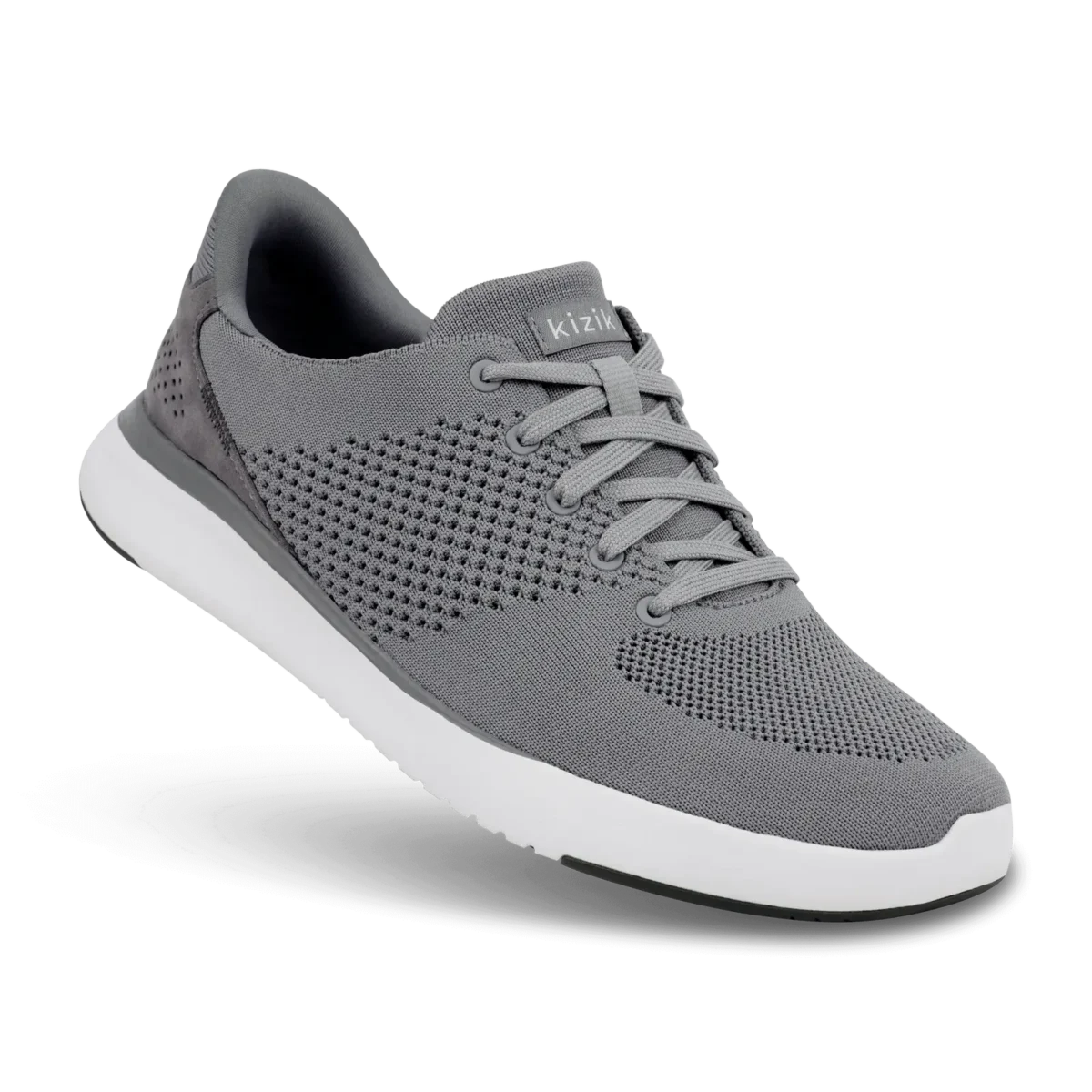
A significant development in the 2023 retail sector is the mainstreaming of adaptive footwear. Kizik, a leader in the hands-free shoe industry, has expanded its product line to include winter boots and Chelsea-style ankle boots, utilizing patented internal cage technology. This engineering allows the heel to compress and rebound, enabling users to step into the shoe without using their hands or bending over.

The growth of this segment is supported by broader demographic shifts. According to market research, the global adaptive clothing and footwear market is projected to reach approximately $400 billion by 2026. While originally designed for the disability community, these products have found a broader audience among pregnant women, senior citizens, and travelers seeking convenience at airport security checkpoints. For patients managing spinal CSF leaks—a condition where the loss of fluid around the brain and spine necessitates avoiding bending, lifting, or twisting—such technology is not merely a convenience but a medical necessity. The Lima and Cairo models have specifically been cited for their lower heel-to-toe drop, which can be critical for maintaining spinal alignment.

The Resurgence of Analog Precision in the Digital Age
Despite the dominance of digital documentation, the high-end stationery market continues to thrive, driven by a "slow living" movement and a preference for tactile experiences. The Blackwing 602 pencil, often referred to as the "Rolls Royce" of writing implements, remains a focal point for collectors and professionals alike.
The history of the Blackwing 602 provides context for its current cult status. Originally introduced in the 1930s by the Eberhard Faber Pencil Company, it became the tool of choice for literary icons like John Steinbeck and animators such as Chuck Jones, the creator of Bugs Bunny. Following its discontinuation in 1998, individual pencils were known to sell for as much as $40 on the secondary market. The brand’s revival in 2010 by California Cedar Products Company utilized Japanese graphite and California incense-cedar, successfully capturing a new generation of musicians and writers. The pencil’s unique rectangular, replaceable eraser system remains a primary selling point, distinguishing it from standard circular ferrules.

Food Safety and Medical Navigation for International Travelers
For travelers with Celiac disease or severe gluten intolerance, the stakes of international dining are exceptionally high. Data suggests that Celiac disease affects approximately 1% of the global population, yet awareness and labeling standards vary significantly by country. The 2023 market has seen a surge in specialized translation tools, such as the gluten-free restaurant cards developed by Legal Nomads.

Unlike generic translation apps, these specialized cards are curated by native speakers familiar with local culinary nuances and the risks of cross-contamination. The project, which has sold over 12,000 units, covers 15 languages, with Bahasa Indonesia, Croatian, Lithuanian, and Swedish slated for release in late 2023. These digital assets (available in PNG and PDF formats) emphasize local ingredient names and specific kitchen practices, providing a level of safety that standard dictionary translations often overlook.

Ergonomics and Whimsical Design in Modern Housewares
The 2023 culinary market highlights a trend toward lightweight, ergonomic kitchen tools. Nakano Knives, a Japanese brand, has gained traction for its "Classic Chef Knife," which weighs approximately 6.5 ounces (185g). The use of high-carbon steel allows for a thinner, lighter blade that retains its edge, catering to users with limited grip strength or those who suffer from fatigue when using traditional, heavy Western-style cutlery.

Simultaneously, the "whimsical utility" segment of the housewares market, led by firms like OTOTO Design, has seen success by merging functional tools with playful aesthetics. Products such as the "Nessie" tea infuser and the "Spaghetti Monster" colander utilize food-grade silicone and BPA-free plastics to turn mundane kitchen tasks into engaging experiences. Analysts suggest that this "dopamine decor" trend—where household items are designed to trigger joy—is a direct response to the increased time consumers are spending in their homes.

Photobiomodulation and the Commercialization of Red Light Therapy
A major shift in the wellness tech sector is the transition of red light therapy (RLT) from clinical settings to portable home devices. The FlexBeam, a Norwegian-designed device manufactured in Thailand, represents the next generation of targeted photobiomodulation.

Red light therapy works by emitting specific wavelengths of light (typically between 600nm and 900nm) that penetrate the skin to reach the mitochondria, potentially enhancing cellular energy production and reducing inflammation. For individuals with mast cell disorders, the selection of higher wavelengths is crucial, as shorter, more energetic wavelengths can sometimes trigger histamine release. The FlexBeam’s design allows for targeted application to the spine or joints, offering a non-invasive option for managing chronic nerve pain and improving sleep quality. This reflects a broader trend in the $4.5 trillion global wellness market toward biohacking and self-managed recovery protocols.

Sustainability and Ethical Sourcing in Artisanal Goods
Consumer behavior in 2023 shows an increasing preference for products with transparent, ethical supply chains. This is particularly evident in the jewelry and home decor sectors.

- Sustainable Aquaculture: Kamoka Pearls, based in the Ahe Atoll of Tahiti, has set a global benchmark for environmentally friendly pearl farming. Utilizing solar and wind power, the farm avoids the ecological damage often associated with mass-scale oyster cultivation. A National Geographic-cited study confirmed that Kamoka’s methods have actually increased local fish populations by providing protected habitats. Their "Mana Bracelet," featuring a Tahitian pearl on kangaroo leather, caters to an "active luxury" demographic that demands durability alongside sustainability.
- Emotional Cartography: The brand Sadie and June has tapped into the "nostalgia economy" with hand-embroidered heart maps. By physically stitching connections between geographical locations on vintage maps, the company addresses the emotional complexities of a globalized society where "home" is often spread across multiple borders.
- Botanical Longevity: For the urban gardener, companies like Plantstraws (Sweden) and Kelsea Knits (Canada) offer solutions to the "plant killer" phenomenon. Plantstraws uses capillary action via brass tubes and cotton cords to regulate moisture, while Kelsea Knits provides handcrafted, wool-based succulents. These products reflect a desire for greenery in living spaces without the maintenance burden of traditional horticulture.
Broader Implications for the Global Gift Economy
The diversification of the holiday gift market into these niche segments indicates a more sophisticated consumer base that prioritizes quality, utility, and ethics over brand-name recognition. The success of small, family-supported businesses—ranging from the "Effin Birds" satirical art brand to local knitters at flea markets—suggests that the "influencer-to-consumer" pipeline is increasingly driving traffic toward independent creators.

Furthermore, the integration of medical-grade insights into lifestyle products (such as the RLT devices and adaptive shoes) suggests that the boundary between "wellness" and "healthcare" is becoming blurred. As consumers take more agency over their physical comfort and environmental impact, the products they choose to gift and keep are becoming reflections of their personal values and health requirements.

This shift toward "thoughtful consumption" is expected to persist into 2024. Market analysts predict that brands capable of combining high-tech functionality with a human, artisanal touch will continue to outperform traditional retailers. The 2023 holiday season serves as a case study in how specialized needs—whether they be medical, environmental, or emotional—are now the primary drivers of innovation in the global consumer goods market.
