

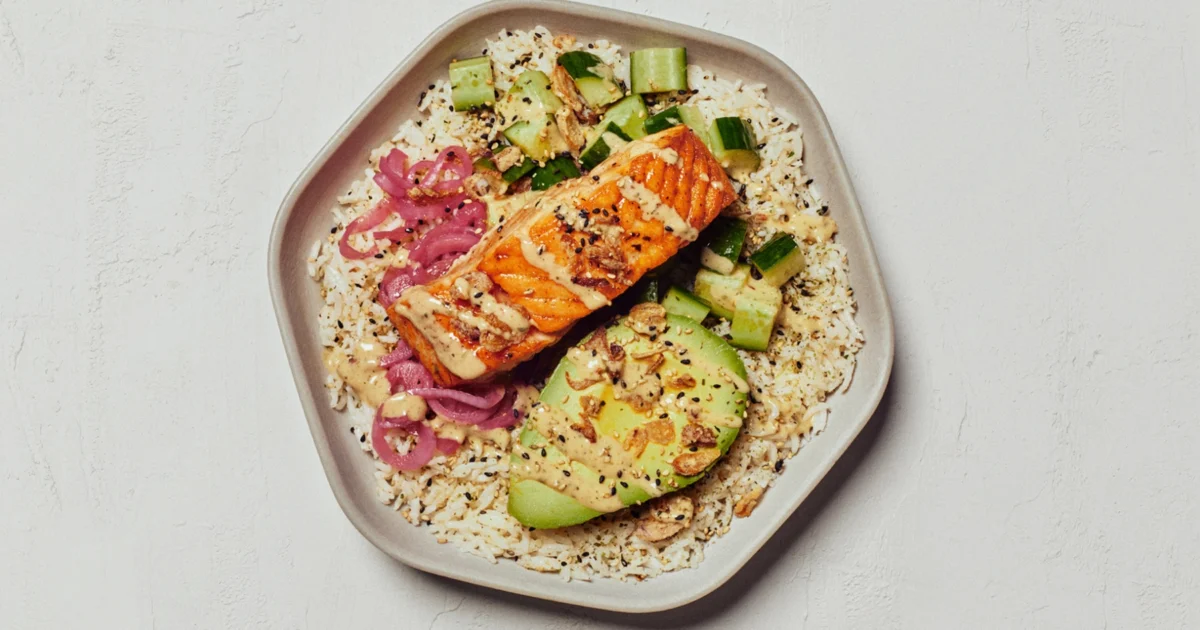
The fast-casual restaurant chain Sweetgreen is launching a new marketing initiative, the "30 Days Sweetgreen" challenge, inviting 30 individuals to consume exclusively from its menu for a month. This program directly mirrors a viral social media experiment conducted earlier this year by digital content creator Tim Donohue, who documented his 25-day experience of eating almost solely Sweetgreen meals. The challenge aims to reposition Sweetgreen as a lifestyle brand synonymous with health and fresh ingredients, particularly as the company navigates a period of sales recovery and addresses past consumer concerns.
The Genesis of the Challenge: A Viral Experiment and a CEO’s Vision
The inspiration for Sweetgreen’s current campaign stems from Tim Donohue’s personal culinary odyssey. In a series of posts, Donohue detailed his commitment to eating exclusively Sweetgreen for 25 consecutive days, a feat he undertook as a modern, health-conscious echo of the 2004 documentary "Super Size Me." In that seminal film, filmmaker Morgan Spurlock documented the detrimental health effects of consuming only McDonald’s food for 30 days.
Donohue’s experience, while demanding, yielded a notably different outcome than Spurlock’s cautionary tale. He reported a weight loss of approximately eight pounds and a general feeling of being lighter. While he provided no specific details, his observation of having bowel movements on 23 out of 25 days suggested a positive impact on his digestive health. Financially, the experiment cost him $996.91 for 50 bowls and 20 sides, but he noted that overall savings were realized due to the elimination of other food and beverage purchases, with the exception of black coffee and an intentional abstention from alcohol.
Despite the generally positive personal outcomes, Donohue himself acknowledged the challenge was not for everyone, stating at one point that it was not an advertisement and he would not recommend replicating the experience. The sheer repetition of the menu, even with Sweetgreen’s diverse offerings, led to a predictable fatigue. His celebratory post-challenge meal of cheese pizza reportedly resulted in illness, underscoring the intense dietary shift he had undertaken.
However, Sweetgreen’s CEO, Jonathan Neman, viewed Donohue’s experiment with great enthusiasm. Recognizing the potential to amplify the brand’s core message through an authentic, consumer-driven narrative, Neman saw an opportunity to invite the public to experience the benefits of Sweetgreen’s offerings firsthand. This led to the formalization of the "30 Days Sweetgreen" challenge.
Sweetgreen’s Strategic Pivot: Reclaiming a Lifestyle Brand Identity
The "30 Days Sweetgreen" challenge represents a significant element of Sweetgreen’s evolving marketing strategy. In recent quarters, the company has been actively working to reverse a decline in sales, which experienced negative double-digit growth in the first quarter of the current fiscal year. While sales showed improvement in the second quarter, trending towards less negative figures, a cyclospora outbreak during the summer months cast a shadow over the broader fast-casual industry, particularly impacting lettuce-based products. Although Sweetgreen was not implicated in the outbreak, the ensuing consumer apprehension regarding leafy greens presented a marketing hurdle.
By launching this challenge, Sweetgreen implicitly signals its confidence that consumer concerns related to food safety, specifically regarding produce, have subsided. The initiative is designed to reinforce Sweetgreen’s identity as a purveyor of high-quality, fresh ingredients that contribute to a healthy lifestyle. This strategic pivot aims to reclaim its position as a lifestyle brand, moving beyond being simply a quick-service option to becoming an integral part of consumers’ well-being.
The company’s commitment to "sourcing the highest quality food from farmers we know and trust in order to make food that tastes great and makes you feel great," as stated by CEO Jonathan Neman on LinkedIn, is at the heart of this campaign. By inviting customers to "take the Challenge and tell us how SG fuels you to live your best life," Sweetgreen seeks to generate authentic testimonials and demonstrate the tangible benefits of its menu.
The Challenge Mechanics: Who, What, and How
The "30 Days Sweetgreen" challenge is open to individuals aged 18 and older who are in good health and possess active social media accounts. A key requirement for participation is a willingness to document and share their experience across social platforms, as the campaign’s success hinges on widespread consumer engagement and transparent reporting.
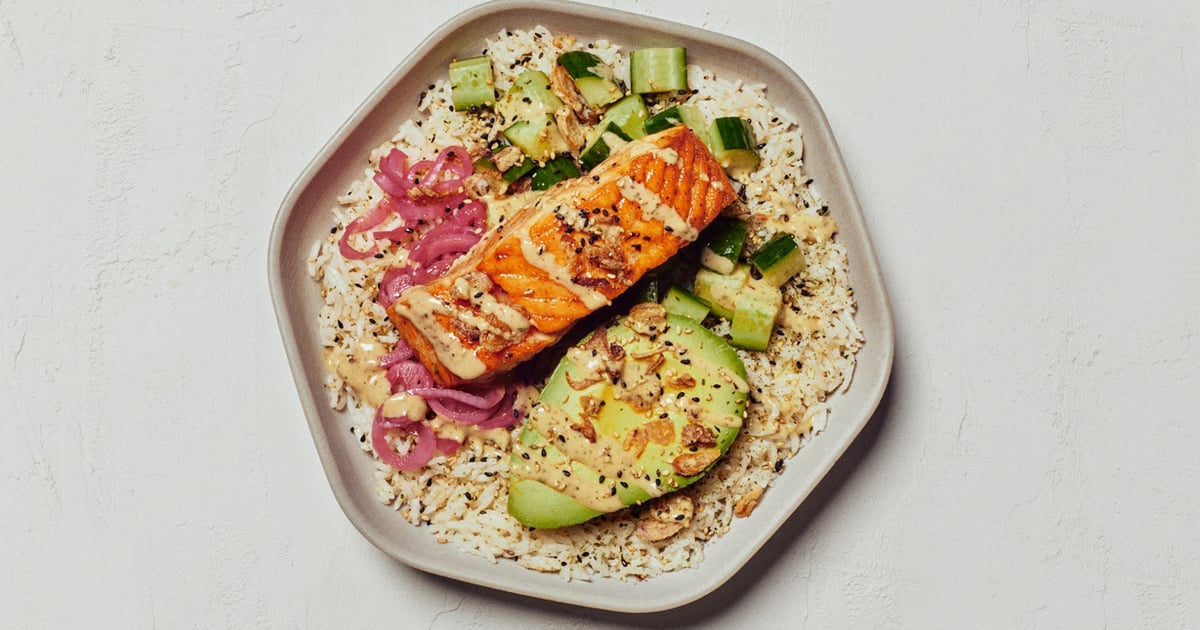
The challenge is scheduled to run from September 14th to October 13th of the current year. Selected participants will receive a weekly credit of $700 deposited into their Sweetgreen account each Monday, intended to cover two meals per day. Any spending exceeding this allocated amount will be the responsibility of the participant. Sweetgreen officials have indicated that this substantial credit is designed to ensure participants can comfortably share their Sweetgreen experiences with friends and family, further amplifying the brand’s reach. Unused portions of the weekly credit will be forfeited.
Upon successful completion of the 30-day challenge, adhering to all deadlines and requirements, participants will be rewarded with an additional $500 credit to their Sweetgreen account. It is important to note that these credits are considered taxable income, and participants will be required to file appropriate tax forms.
The menu options for the challenge are extensive, encompassing more than just salads. While Donohue opted to exclude Sweetgreen’s newer wraps from his experiment, considering them a potential "cheat," these items are explicitly permitted within the scope of the "30 Days Sweetgreen" challenge. This broader inclusion of menu items underscores Sweetgreen’s assertion that its offerings extend beyond salads and provide a comprehensive dietary solution.
Broader Implications and Future Outlook
The "30 Days Sweetgreen" challenge is a sophisticated marketing endeavor that leverages the power of influencer marketing and consumer-generated content. By co-opting and formalizing a viral trend, Sweetgreen is not only generating buzz but also gathering valuable qualitative data on how its brand is perceived and integrated into consumers’ daily lives.
The campaign’s success will likely be measured not only by the number of participants and their social media reach but also by the authenticity and positive sentiment generated by their experiences. If participants consistently report feeling good, experiencing positive health outcomes, and enjoying the variety of the menu, it will serve as a powerful endorsement for Sweetgreen’s brand promise.
This initiative also highlights a broader trend in the food industry, where brands are increasingly seeking to connect with consumers on a more personal and experiential level. In an era of information overload and discerning consumers, authentic narratives and relatable challenges often resonate more effectively than traditional advertising.
The explicit mention of the "power of real food" by Sweetgreen co-founder Nic Jammet in a recent podcast interview further solidifies the campaign’s underlying message. By encouraging consumers to engage with their food choices and observe the direct impact on their well-being, Sweetgreen aims to foster a deeper appreciation for the quality and sourcing of its ingredients. This aligns with the growing consumer demand for transparency and healthier dining options.
The challenge also serves as a barometer for the industry’s recovery from recent health-related concerns. Sweetgreen’s proactive stance suggests a belief in the resilience of consumer trust and the enduring appeal of fresh, healthy food options. The success of this campaign could pave the way for similar initiatives by other brands looking to reinforce their commitment to health and wellness.
Ultimately, the "30 Days Sweetgreen" challenge is more than just a promotional event; it’s a strategic move to solidify Sweetgreen’s identity, drive sales, and reconnect with its target audience by demonstrating the tangible benefits of its menu through the lens of authentic consumer experience. The company is betting that by inviting consumers to undertake a personal culinary journey, they will not only discover the efficacy of Sweetgreen’s offerings but also become vocal advocates for the brand.
