

The premiere of the Food Network’s latest high-stakes culinary competition, Pitmasters, has introduced a rigorous new format to the world of televised barbecue, pitting nine teams of elite pitmasters against each other in an grueling seven-day open-fire challenge. Among the central competitors featured in the inaugural episode were Susie Bulloch, founder of the prominent barbecue platform Hey Grill Hey, and Christie Vanover, the creator of Girls Can Grill. The series, which transports competitors to a remote, high-elevation wilderness location, demands a level of technical adaptability and physical endurance rarely seen in traditional indoor cooking segments. Competitors are tasked with maintaining consistent temperatures and flavor profiles while contending with volatile environmental factors, including extreme wind, fluctuating temperatures, and the atmospheric pressures of high altitude.
The debut episode established a complex operational framework for the competition, divided into two distinct segments: the "Flash Burn" and the "Big Burn." These challenges are designed to test both the rapid-response creativity of the chefs and their ability to execute long-format, traditional barbecue techniques under duress. The presence of a formidable judging panel—comprising culinary historian and television personality Andrew Zimmern, legendary pitmaster Big Moe Cason, champion barbecuer Ernest Servantes, and meat scientist Jess Pryles—ensures that every dish is scrutinized through the lenses of technical execution, flavor balance, and traditional barbecue standards.
The Strategic Landscape of Modern BBQ Competition
The launch of Pitmasters reflects a broader trend in the culinary media industry, where the focus has shifted from domestic kitchen settings to extreme, outdoor environments that emphasize "live-fire" cooking. This sub-genre of culinary competition requires a deep understanding of thermodynamics and fuel management. For Bulloch and Vanover, the transition from backyard experts to national television competitors involved synthesizing their respective culinary identities into a cohesive team strategy.
Bulloch, a Guinness World Record holder known for her digital footprint in the barbecue space, and Vanover, a highly decorated competition pitmaster, represented a significant demographic in the modern barbecue movement: the rise of female leadership in a historically male-dominated field. Their participation in the premiere episode highlighted a shift toward fusion techniques, where traditional American smoke-and-salt profiles are augmented with international influences and modern flavor science.

The Flash Burn: A Study in Condensed Flavor Profiles
The first competitive hurdle, the "Flash Burn," presented a unique logistical difficulty. Teams were granted exactly 60 minutes to conceptualize and execute a "single bite" that represented their culinary philosophy. In the context of professional barbecue judging, the "one-bite" rule is a standard metric; judges often determine the quality of a brisket or rib based on the initial sensory impact of a single piece.
Bulloch and Vanover opted for a sophisticated fusion dish: Buffalo Chicken Lumpia. This choice was strategically designed to merge Vanover’s expertise in Filipino cuisine—influenced by her husband’s heritage—with Bulloch’s specialty in American comfort flavors. The technical execution involved cooking chicken thighs on planchas over an open flame to achieve a char that would cut through the richness of the deep-fried lumpia wrapper.
The dish was finished with a creamy buffalo ranch and a crisp cabbage slaw, providing the necessary acidity to balance the protein. The response from the judging panel was notably positive. Andrew Zimmern, known for his rigorous and often skeptical palate, expressed initial reservations about the fusion concept but ultimately lauded the execution, describing the result as "very, very nice." This initial victory provided the team with critical momentum heading into the more grueling second half of the episode.
The Big Burn: Technical Mastery Under Adverse Conditions
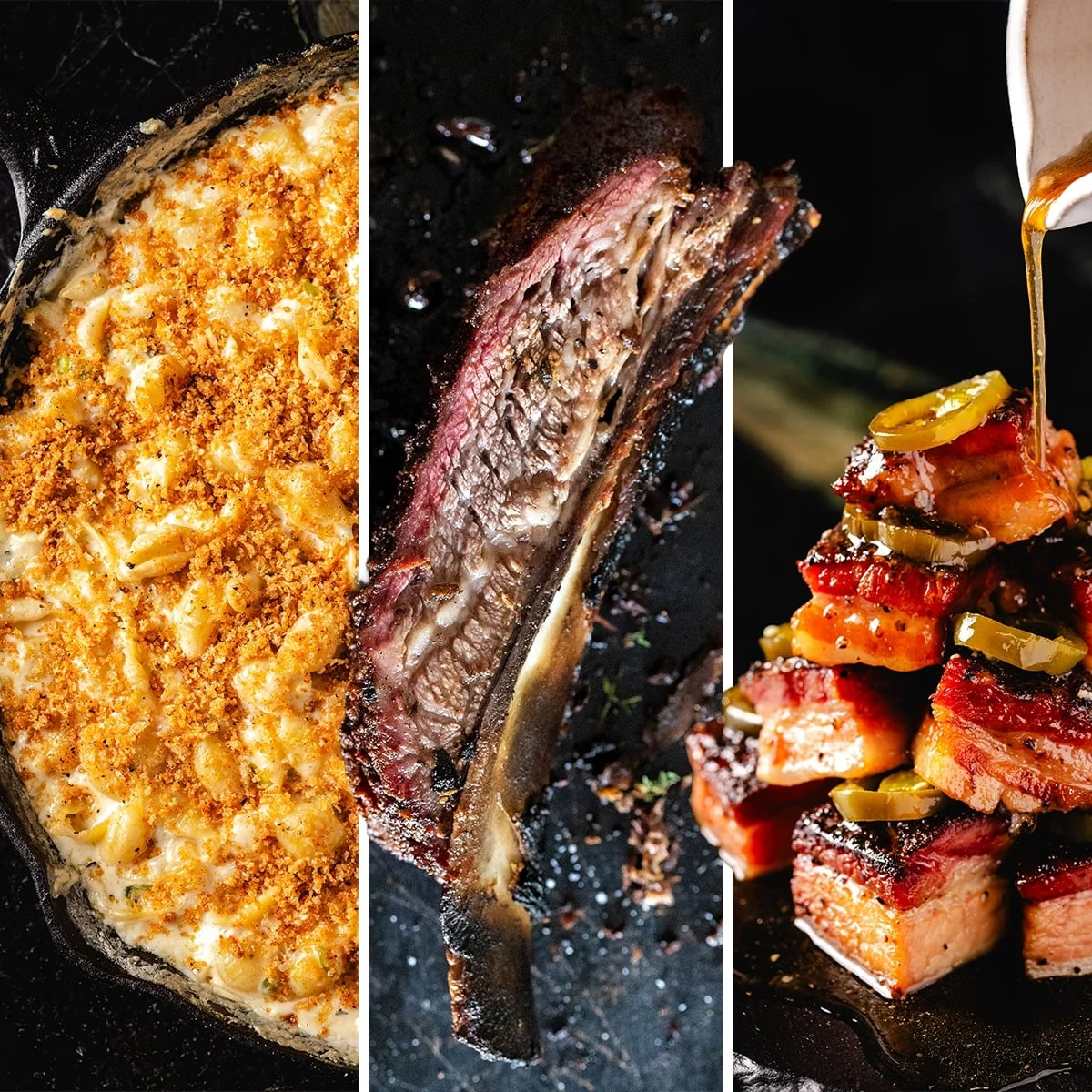
Following the sprint of the Flash Burn, the competition transitioned into the "Big Burn," a 10-hour marathon requiring the preparation of two primary proteins and at least one side dish. This segment of the competition serves as the ultimate test of a pitmaster’s ability to manage fire and time. Bulloch and Vanover selected a menu consisting of Candied Jalapeño Pork Belly Burnt Ends and Smoked "Dino" Beef Plate Ribs, accompanied by Smoked Poblano Shells and White Cheddar Macaroni.
The environmental conditions of the filming location—specifically the high elevation—introduced a significant technical obstacle known in the barbecue community as "the stall." At higher altitudes, the boiling point of water is lower, and the evaporative cooling process that occurs during the cooking of large cuts of meat can stall the internal temperature for hours, potentially leading to a failed service.

When Bulloch’s pork belly reached this critical juncture, the team employed the "Texas Crutch" method. This involves wrapping the meat in foil to trap moisture and heat, effectively powering the protein through the stall. This decision was pivotal; without the intervention, the pork belly likely would not have reached the required tenderness within the 10-hour window. The final product was glazed with a sweet and spicy jalapeño reduction, a signature of Bulloch’s "sweet-heat" flavor profile.
Simultaneously, Vanover managed the "Dino Ribs," massive beef plate ribs that require meticulous fat rendering. Vanover utilized a specialized brisket rub to build a "bark"—the dark, flavorful crust essential to high-end barbecue—and finished the ribs by searing medallions on a plancha to add a textural contrast. The side dish, a white cheddar and smoked gouda pasta infused with poblano peppers, was designed to provide a smokey, creamy counterpoint to the heavy protein load.
Profile of the Judging Panel and Evaluation Criteria
The gravity of the competition was amplified by the diverse expertise of the judges. Big Moe Cason, a Navy veteran who has competed in over 250 professional barbecue competitions, brought a traditionalist’s eye to the table, focusing on wood-smoke flavor and meat texture. Jess Pryles, an Australian-born meat scientist, provided a technical perspective on muscle structure and fat rendering. Ernest Servantes, a member of the American Royal Barbecue Hall of Fame, evaluated the dishes based on the "competition circuit" standards of appearance and balance.
The judging process for Pitmasters is distinct in that it involves face-to-face feedback, a departure from the "blind judging" typically found in Kansas City Barbeque Society (KCBS) sanctioned events. This format forces pitmasters to defend their technical choices and flavor profiles in real-time, often after hours of physical exhaustion in the cold mountain air. Reports from the set indicated that the judging sessions often lasted deep into the night, with temperatures dropping significantly, adding a layer of physical hardship to the final evaluation.
Economic and Cultural Impact of Competitive BBQ Media
The inclusion of high-profile digital influencers like Bulloch and Vanover in Food Network’s Pitmasters signals a strategic shift in how the network engages with the "creator economy." With millions of monthly readers on their respective websites, Hey Grill Hey and Girls Can Grill, these competitors bring a built-in audience to the network.

According to market research, the barbecue grill market in the United States is valued at approximately $2.8 billion, with a significant portion of growth driven by the "backyard enthusiast" demographic. Shows like Pitmasters serve as both entertainment and educational platforms, driving sales for specialized equipment such as pellet grills, offset smokers, and artisanal rubs. By showcasing technical methods like the Texas Crutch or the use of planchas over open coals, the show provides a bridge between professional competition techniques and the domestic cook.
Furthermore, the visibility of female pitmasters on a major network platform addresses a long-standing gender gap in the industry. While women have always been integral to barbecue culture, they have historically been underrepresented in the professional competition circuit and television media. The partnership of Bulloch and Vanover serves as a high-profile validation of female expertise in fire management and meat science.
Conclusion and Season Outlook
While the specific winners and losers of the first episode remain a point of suspense for viewers yet to catch the broadcast, the premiere of Pitmasters has successfully established a new benchmark for outdoor cooking competitions. The combination of elite talent, extreme environmental challenges, and a sophisticated judging panel creates a narrative that values technical skill over mere spectacle.
As the season progresses, the remaining teams will continue to face varying "Flash Burn" and "Big Burn" challenges, further testing their ability to innovate within the constraints of open-fire cooking. For Susie Bulloch and Christie Vanover, the first episode was more than a competition; it was a demonstration of the technical rigor and cultural fusion that defines the modern era of American barbecue. The series continues to air on Food Network, with streaming available on Discovery+, providing a comprehensive look at the grit and artistry required to earn the title of Pitmaster.
