

The U.S. quick-service restaurant landscape is currently a dynamic arena of strategic shifts and evolving consumer preferences, as evidenced by recent developments from industry titans KFC, Starbucks, and Burger King. KFC is making a bold play for a renewed market presence with the debut of its innovative "Open House" prototype, designed to revitalize its American operations. In contrast, Starbucks is continuing its aggressive store rationalization, announcing further closures, and Burger King is adapting its technological rollout of artificial intelligence in drive-thrus based on customer feedback. These contrasting strategies highlight the diverse challenges and opportunities facing major players in the competitive food service sector.
KFC’s "Open House" Prototype: A Modernized Vision for U.S. Expansion
KFC has unveiled its "Open House" prototype, a significant initiative aimed at accelerating the brand’s comeback strategy in the United States. The first of these modernized locations recently opened its doors just outside of Dallas, Texas, signaling a tangible step forward under the leadership of U.S. President Catherine Tan-Gillespie. The development of the "Open House" concept stemmed from a strategic assessment that identified KFC as a brand that, while widely loved, possesses considerable untapped potential – described internally as "loved but latent." This new prototype is envisioned as a dynamic learning lab, a space designed not only to serve customers but also to facilitate ongoing innovation and adaptation within the brand’s U.S. market approach.
The "Open House" design features a contemporary aesthetic, moving away from the more traditional fast-food restaurant feel. It incorporates flexible seating arrangements to accommodate various dining occasions, from quick meals to longer stays. A key element of the prototype is its expanded menu offerings, which go beyond KFC’s signature fried chicken. This includes a dedicated breakfast menu, a new range of beverages such as boba refreshers and Krunch shakes, and enhanced catering services designed to capture a broader share of the market. The inclusion of a "swag bar" also points to a strategy of engaging consumers on a lifestyle level, offering branded merchandise alongside food.
Customization appears to be a central theme, with an abundance of sauce options available for patrons to personalize their meals. The "Go Bucket" concept, which packages snacks in a convenient, branded container, aims to streamline the on-the-go experience. Alongside these new offerings, the prototype continues to feature KFC’s iconic bone-in chicken, tenders, and sandwiches, ensuring that core menu items remain prominent. The "Open House" concept represents a multi-faceted approach to revitalizing KFC’s U.S. presence, aiming to capture new customers while re-engaging existing ones through an updated dining experience and a more diverse product portfolio.
The strategic importance of this prototype cannot be overstated. In the first quarter of 2024, KFC’s U.S. same-store sales growth was reported to be around 2%, a modest increase that indicates the need for significant strategic interventions to achieve more robust expansion. Industry analysts suggest that concepts like "Open House" are crucial for brands looking to differentiate themselves in a crowded market. The focus on a modern, adaptable store format, coupled with expanded menu options and a more engaging brand experience, is a common thread among successful QSR revitalization efforts.
Starbucks Continues Store Rationalization Amidst Shifting Consumer Habits
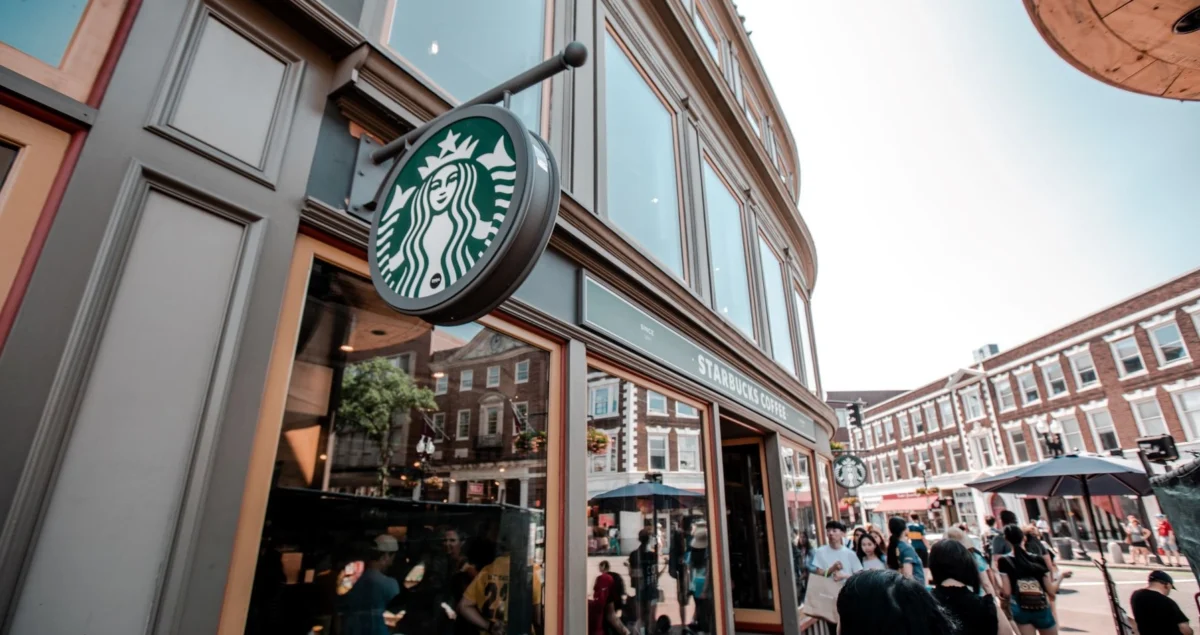
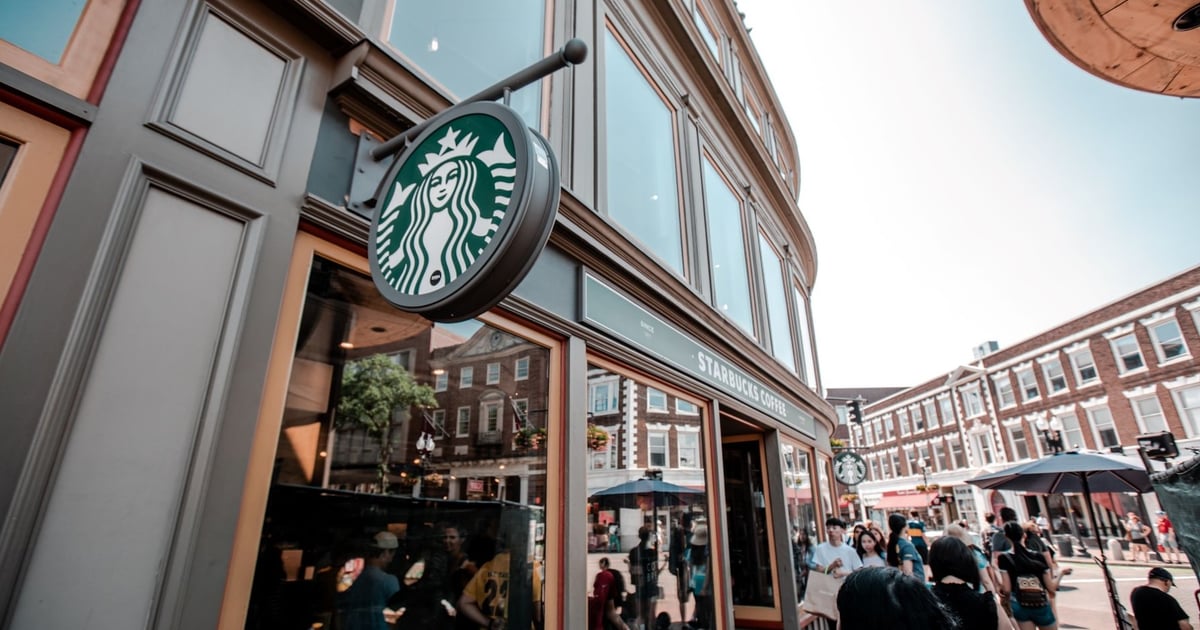
In a stark contrast to KFC’s expansionary vision, Starbucks has announced plans to close approximately 250 underperforming stores in North America. This latest round of closures, confirmed on Thursday, represents about 1% of the coffee giant’s total North American store count. The company cited underperformance as the primary reason for shuttering these locations. This move is not an isolated event but rather an continuation of a larger trend of store rationalization that began last year. In fact, Starbucks had previously announced plans to close around 600 stores by 2025, underscoring a significant strategic reevaluation of its physical footprint.
The rationale behind these closures is multifaceted, reflecting evolving consumer behavior and increased competition. The rise of remote work has impacted the traditional commuter coffee runs that once fueled a significant portion of Starbucks’ business. Furthermore, the company is facing intense competition from a growing number of independent coffee shops and other quick-service chains that have expanded their beverage offerings. Starbucks has also been grappling with increased labor costs and the complexities of managing a vast network of stores, some of which may no longer be strategically viable or profitable.
The company’s announcement comes at a time when its financial performance has shown signs of strain. While overall revenue has seen growth, same-store sales in its North American market have experienced declines in recent quarters. For instance, in the first fiscal quarter of 2024, Starbucks reported a 4% decrease in comparable store sales in the U.S. This data point reinforces the narrative that certain locations are indeed struggling to meet performance benchmarks. The strategy of closing underperforming stores is a common tactic employed by large retail chains to optimize their portfolio, reduce operational costs, and reallocate resources to more promising markets or formats.
This aggressive approach to store rationalization suggests that Starbucks is prioritizing efficiency and profitability over sheer scale. The company has indicated that it will focus on developing new store formats, such as smaller, more convenient locations or those integrated into other retail environments. This strategic pivot aims to adapt to changing consumer lifestyles and maintain market leadership in an increasingly competitive environment. The impact of these closures on local communities and employees will undoubtedly be a point of concern, as well as a challenge for the company to manage the transition with sensitivity.
Burger King Adapts AI Drive-Thru Strategy Based on Customer Feedback
Burger King is demonstrating a pragmatic approach to its integration of artificial intelligence (AI) in drive-thru operations, acknowledging that technology must serve customer preferences. During a panel discussion at FSTEC (Foodservice Technology Exhibition & Conference) on Wednesday, Chakri Somisetti, VP of Brand Technologies for Burger King, shared insights into the company’s evolving strategy. The chain has encountered feedback indicating that a segment of its customer base is not entirely comfortable with the prospect of ordering from an automated system.
In response to this customer sentiment, Burger King is actively developing a system that will make it easier for customers to switch to a human order-taker if they prefer. This pivot signifies a crucial understanding that while AI can offer efficiency and cost-saving benefits, customer satisfaction remains paramount. The initial rollout of AI in drive-thrus, often lauded for its potential to speed up service and reduce labor costs, has faced challenges in achieving seamless customer acceptance. Some customers find the automated interactions impersonal, difficult to understand, or prone to errors, particularly in noisy drive-thru environments.
The data supporting this shift is anecdotal but significant. Anecdotal evidence from various quick-service chains suggests that while AI order-takers can be efficient for simple, straightforward orders, more complex or nuanced requests can lead to frustration for both the customer and the AI system. Burger King’s proactive stance in offering a human alternative suggests a recognition of these limitations and a commitment to a more balanced approach. This adaptability is key to the successful long-term implementation of AI in customer-facing roles.
The implications of Burger King’s strategy are far-reaching. It suggests a move away from a purely technology-driven implementation towards a hybrid model that leverages the strengths of both AI and human interaction. This approach could potentially lead to higher customer satisfaction by providing a personalized option for those who prefer it, while still allowing the efficiency gains of AI for customers who are comfortable with the technology. This measured rollout also allows Burger King to gather more data on customer preferences and refine its AI capabilities over time, ensuring that its technological investments align with market demand. The company’s willingness to adapt its AI strategy based on direct customer feedback is a testament to a customer-centric approach to innovation, a critical factor for sustained success in the competitive fast-food industry.
Broader Industry Implications and Future Outlook
The contrasting strategies of KFC, Starbucks, and Burger King paint a vivid picture of the current dynamics within the quick-service restaurant sector. KFC’s "Open House" prototype signals a renewed focus on physical store innovation and a diversified menu to capture a broader audience, aiming to reverse a period of lagging growth. This approach aligns with a broader industry trend of investing in store modernization and experiential dining to attract and retain customers.
Starbucks’ continued store closures, on the other hand, highlight the ongoing need for major chains to optimize their real estate portfolios in response to shifting consumer habits and intense competition. The coffee giant’s strategy underscores the importance of agility in a market where physical store relevance is constantly being redefined. The ability to adapt to declining foot traffic in certain areas and to focus resources on more profitable or strategically advantageous locations is becoming a critical survival skill.

Burger King’s recalibration of its drive-thru AI strategy is a significant indicator of how technology adoption in the food service industry must be tempered with human-centric considerations. The initial enthusiasm for automation is now being balanced by a recognition that customer experience remains the ultimate arbiter of success. This nuanced approach to AI integration, prioritizing customer choice, could set a precedent for other chains exploring similar technological advancements.
Collectively, these developments suggest a future where restaurant brands will need to be highly adaptable, innovative, and keenly attuned to consumer preferences. Success will likely hinge on a delicate balance between embracing new technologies, optimizing physical footprints, and delivering personalized, satisfying customer experiences. The ongoing evolution of these major players will undoubtedly shape the future of dining for consumers across the United States and beyond.
About the Authors
Leigh Anne Zinsmeister is a managing editor for Informa’s Foodservice Media, with brands including Nation’s Restaurant News, Restaurant Business, and Foodservice Director. Leigh Anne works on all of the brands’ special reports, including Nation’s Restaurant News’ annual Technomic Top 500 report. She also manages the group’s digital engagement team.
Leigh Anne lives in New York City, but also claims Phoenix, Dallas and Cleveland as hometowns. Leigh Anne holds a bachelor’s degree in print journalism from the Walter Cronkite School of Journalism and Mass Communication at Arizona State University, where she also studied European history.
Email Leigh Anne at [email protected]
Lisa Jennings is a veteran restaurant industry reporter and editor who covers the fast-casual sector, independent restaurants and emerging chain concepts. Her experience includes other industry publications as well as the daily newspaper The Commercial Appeal in Memphis, Tenn., where she was Food Editor. Her work has been cited in the Los Angeles Times, Business Insider, FoodBeast, The Huffington Post, Time.com and more.
