

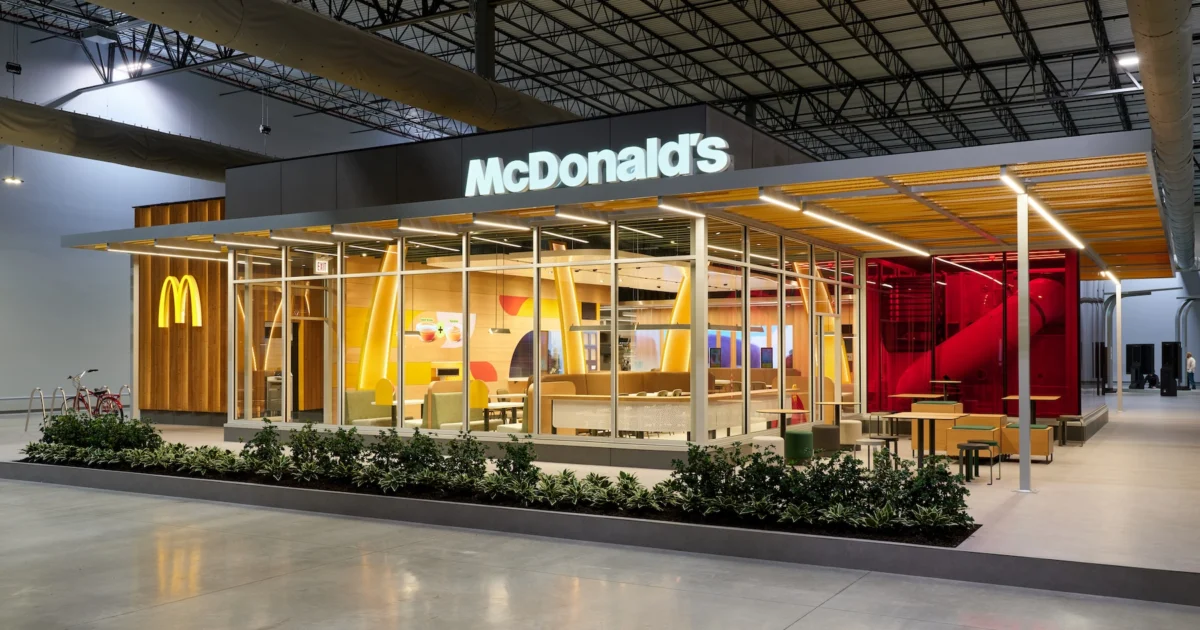
McDonald’s, the global fast-food titan, has announced a sweeping modernization initiative, dubbed "McDonald’s Next," with an $8.5 billion investment slated over the next decade. This ambitious strategy aims to elevate restaurant quality, integrate advanced technology, and streamline operations to drive profitability. The program officially kicks off next month with "Make It Golden," a comprehensive training initiative designed to upskill over two million employees across the entire McDonald’s system.
This significant investment signals McDonald’s commitment to adapting to evolving consumer expectations and maintaining its competitive edge in a dynamic restaurant landscape. The "McDonald’s Next" plan is built upon three core pillars: enhancing the customer experience, optimizing operational efficiency, and fostering a more empowered workforce. By focusing on these areas, the company intends to create a more appealing and seamless dining experience for its patrons while simultaneously improving the bottom line for its franchisees.
The "Make It Golden" training program is a critical first step, emphasizing service excellence, operational best practices, and the adoption of new technologies. This intensive training is expected to equip employees with the skills necessary to deliver consistent quality and service, a crucial element for customer retention and satisfaction in the quick-service sector. The sheer scale of this training effort underscores McDonald’s recognition that its workforce is a fundamental asset in executing its long-term vision.
Cracker Barrel’s Fourth Quarter Results Exceed Expectations, Signaling Positive Trajectory
In parallel developments within the broader restaurant industry, Cracker Barrel has reported fourth-quarter financial results that surpassed Wall Street’s projections. The company’s stock saw an uptick of over 3% in early trading following the announcement. David Deno, who assumed the role of CEO just six weeks prior, attributed the company’s recent improvements to a strategic focus on "the right areas and strong plan."
This statement serves as an acknowledgment of the groundwork laid by his predecessor, Julie Felss Masino, who departed the company in late July after a three-year tenure. Masino’s leadership was marked by a rebranding campaign and a subsequent swift reversal of certain initiatives following a backlash from long-standing customers. Deno’s comments suggest a continuation and refinement of these strategic efforts, emphasizing a commitment to core values while embracing necessary evolution. The positive financial performance indicates that Cracker Barrel’s current strategic direction is resonating with consumers and stakeholders.
Starbird Expands Footprint with New Franchise Agreements
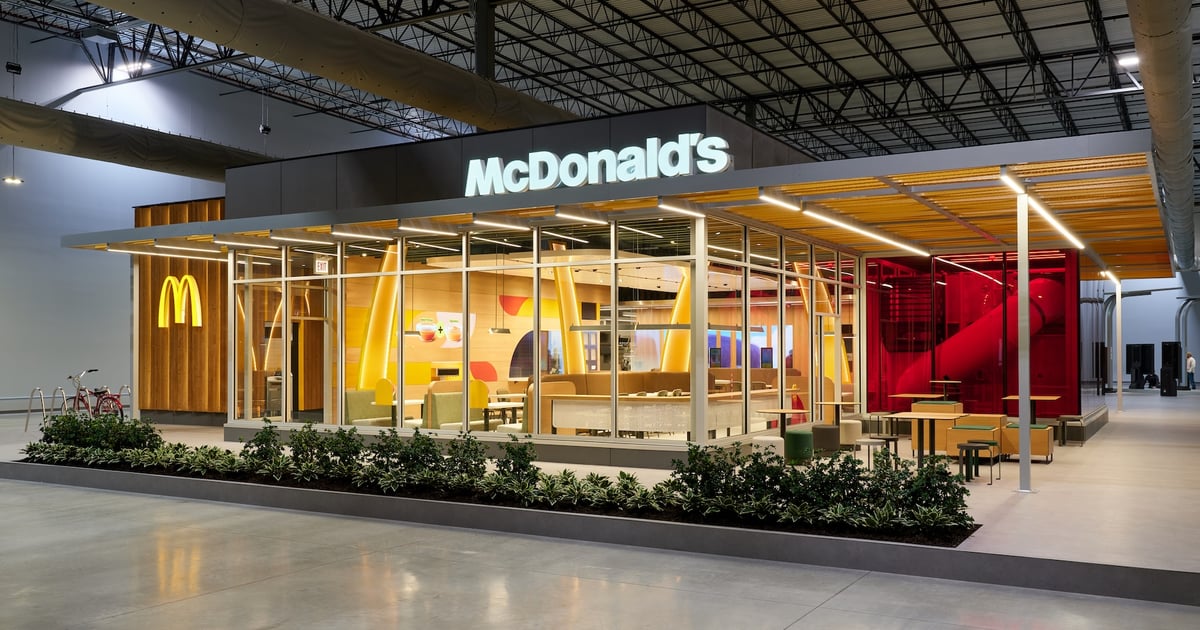
Meanwhile, Starbird, a fast-casual chicken concept founded in San Francisco a decade ago, is embarking on a significant expansion. The company has secured a new franchise agreement with Mehta Investment Group to establish 17 locations throughout Washington state. This announcement follows closely on the heels of Starbird’s largest franchise deal to date, a 36-unit expansion planned for Texas.
These strategic growth initiatives highlight Starbird’s ambition to broaden its national presence and tap into new markets. The company’s focus on a scalable business model and a popular product offering appears to be attracting significant franchise interest, underscoring its potential for continued growth in the competitive fast-casual segment.
Industry Trends and Broader Context
These developments occur against a backdrop of significant shifts in the restaurant industry. Consumers are increasingly demanding higher quality ingredients, seamless digital ordering and delivery options, and personalized experiences. Brands that can effectively adapt to these trends are positioning themselves for long-term success.
The investment by McDonald’s in technology and employee training reflects a broader industry trend towards leveraging digital tools to enhance efficiency and customer engagement. This includes optimizing online ordering platforms, implementing loyalty programs, and utilizing data analytics to better understand consumer preferences. The focus on workforce development also addresses the ongoing labor challenges faced by the industry, aiming to improve retention and service quality.
For Cracker Barrel, the positive financial results suggest that a balance can be struck between honoring a brand’s heritage and implementing necessary strategic adjustments. The challenge lies in identifying and executing changes that resonate with the core customer base while also attracting new demographics.
Starbird’s aggressive expansion strategy exemplifies the growth potential for well-positioned fast-casual brands. The ability to secure substantial franchise agreements indicates a strong unit-level economic model and a compelling brand proposition.
Analysis of Implications

McDonald’s "McDonald’s Next" strategy, with its substantial investment, is poised to reshape the quick-service landscape. By prioritizing quality, technology, and efficiency, the company aims to not only enhance its existing operations but also to set new benchmarks for the industry. The success of the "Make It Golden" training program will be a key indicator of the plan’s initial impact, as a well-trained and motivated workforce is essential for delivering on the promise of improved quality and service.
The implications of this investment extend beyond McDonald’s itself. Competitors will likely face increased pressure to innovate and invest in similar areas. The focus on technology, in particular, could accelerate the digital transformation across the entire fast-food sector. Furthermore, the emphasis on quality may lead to a greater demand for premium ingredients and more sophisticated menu offerings.
Cracker Barrel’s performance offers a case study in strategic recalibration. The company’s ability to recover from a potentially misjudged rebranding effort and achieve positive financial results under new leadership demonstrates resilience and adaptability. The focus on "the right areas" suggests a commitment to the brand’s core strengths while acknowledging the need for thoughtful evolution. This approach is crucial for established brands that navigate changing consumer tastes and competitive pressures.
Starbird’s expansion highlights the ongoing appeal of the fast-casual segment, particularly for brands that offer differentiated products and scalable operating models. The success of its franchise growth strategy will be closely watched as it continues to build its national presence. This type of expansion can be a powerful engine for growth, allowing brands to reach new markets more rapidly than through company-owned development alone.
The interconnectedness of these industry movements underscores the dynamic nature of the food service sector. Companies are continuously seeking ways to differentiate themselves, improve customer loyalty, and drive profitability in an increasingly competitive environment. The strategies being employed by McDonald’s, Cracker Barrel, and Starbird offer valuable insights into the diverse approaches being taken to achieve these goals.
The broader impact of these initiatives could lead to a more technologically advanced and customer-centric quick-service and fast-casual dining experience. As companies invest in digital capabilities, staff training, and product quality, consumers are likely to benefit from improved convenience, greater consistency, and potentially more innovative menu options. The ongoing evolution of these major players will undoubtedly shape the future of dining for years to come.
