

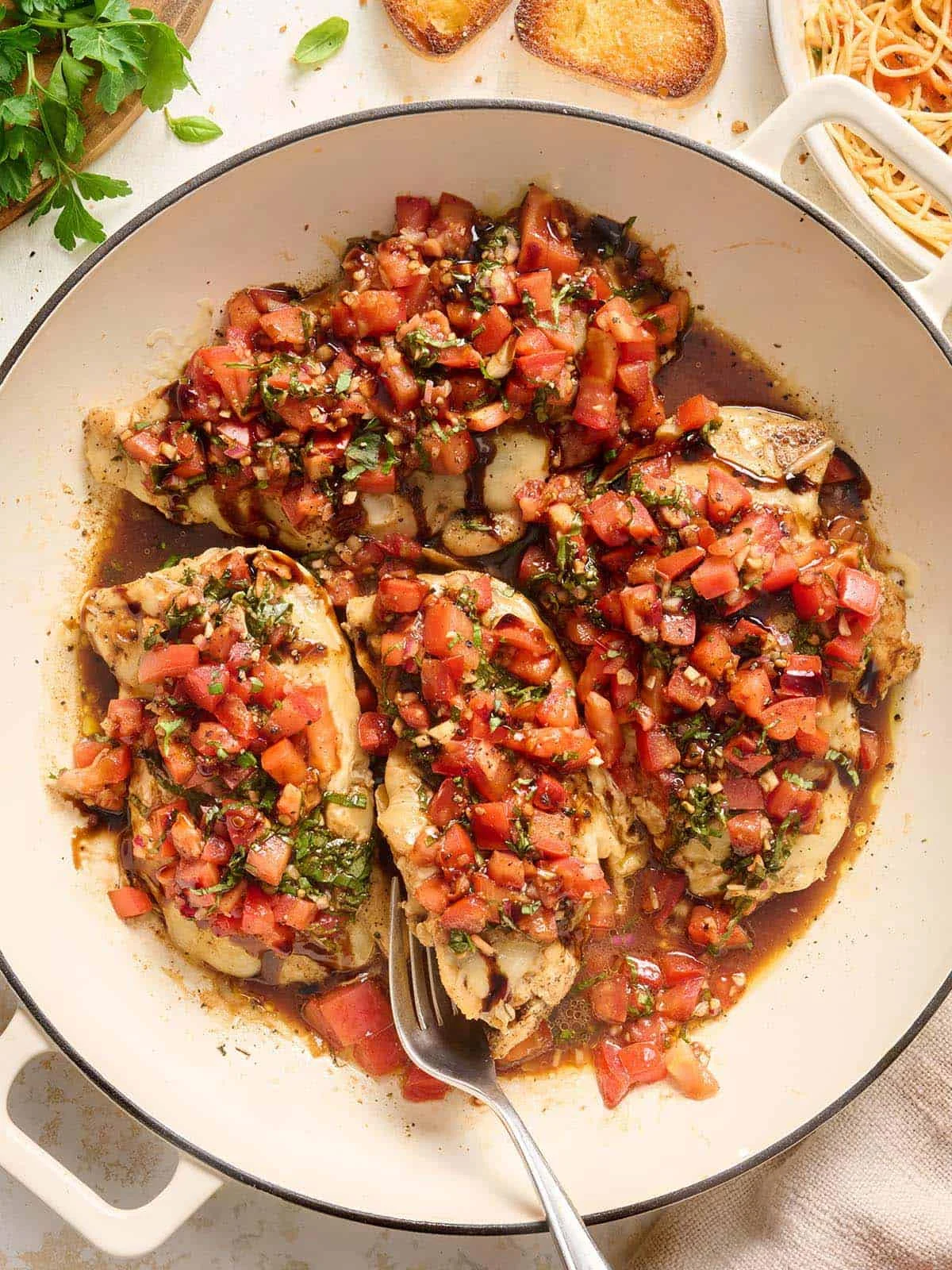
The intersection of culinary efficiency and fiscal responsibility has become a focal point for modern home cooks as global food prices continue to fluctuate. In response to this demand, the Nashville Test Kitchen has validated a high-efficiency recipe: Bruschetta Chicken. This dish, which combines pan-seared poultry with traditional Italian antipasto elements, is designed to be executed in approximately 25 minutes. By utilizing strategic preparation techniques and seasonal ingredients, the recipe achieves a cost-efficiency of $1.48 per serving, totaling $5.93 for a four-person meal. This development reflects a broader trend in the domestic culinary sector, where the "gourmet-at-home" movement seeks to replicate restaurant-quality flavors without the associated overhead costs of dining out.
Technical Overview and Financial Analysis
The Bruschetta Chicken recipe is engineered to maximize flavor while minimizing both time and expenditure. According to data provided by the Nashville Test Kitchen, the dish yields a nutritional profile of 266 calories per serving, with a significant protein density of 28 grams. The financial feasibility of the meal is rooted in the "value pack" purchasing strategy. By acquiring chicken breasts in bulk—a common practice among budget-conscious consumers—the per-pound cost is significantly reduced.
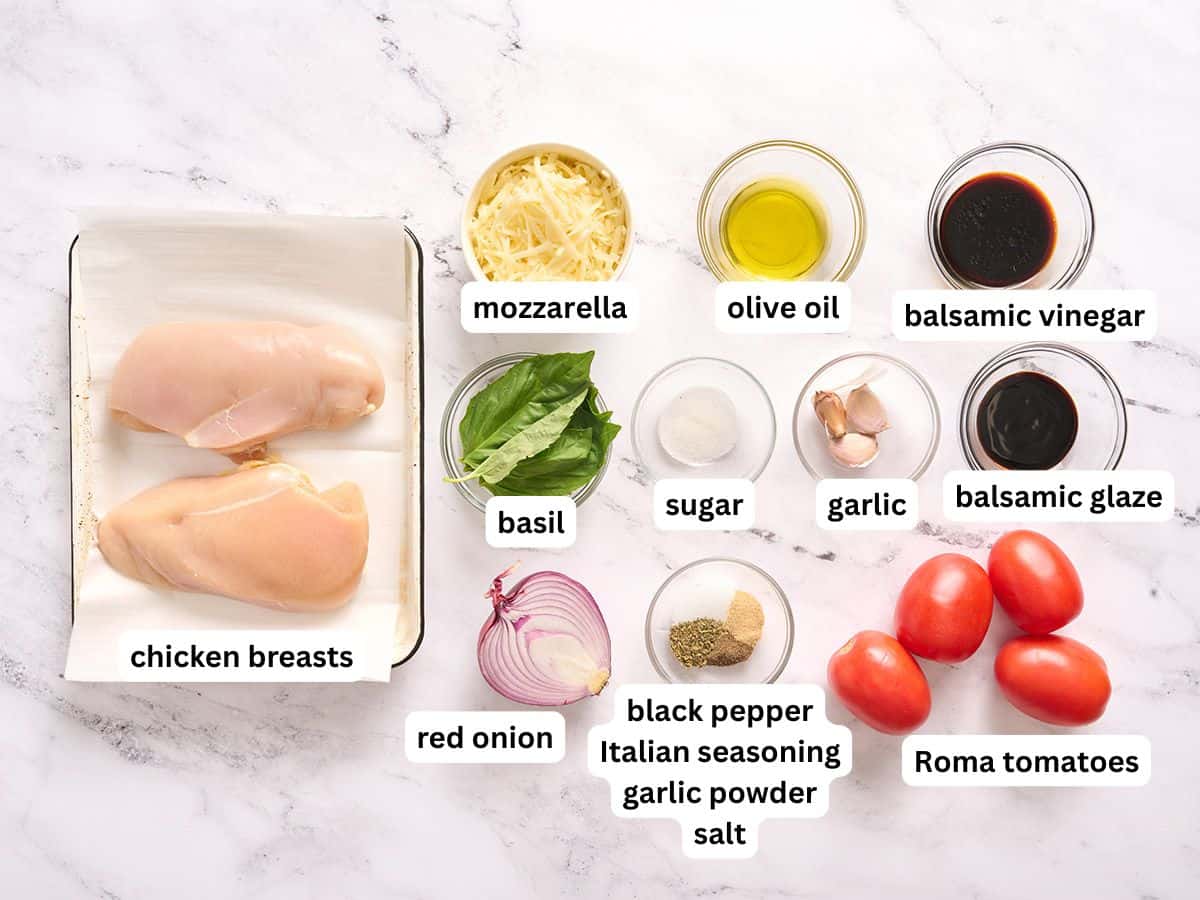
Furthermore, the recipe utilizes Roma tomatoes, a variety known for its lower moisture content and firm texture, which typically retail at a lower price point than heirloom or vine-ripened varieties. The inclusion of pantry staples such as dried Italian seasoning, garlic powder, and balsamic vinegar further stabilizes the cost, as these items are often purchased in larger quantities and have extended shelf lives.
Chronology of Preparation and Execution
The success of the 25-minute timeline is predicated on a specific sequence of operations designed to allow flavors to meld while the primary protein undergoes thermal processing.
Phase I: Maceration and Flavor Development
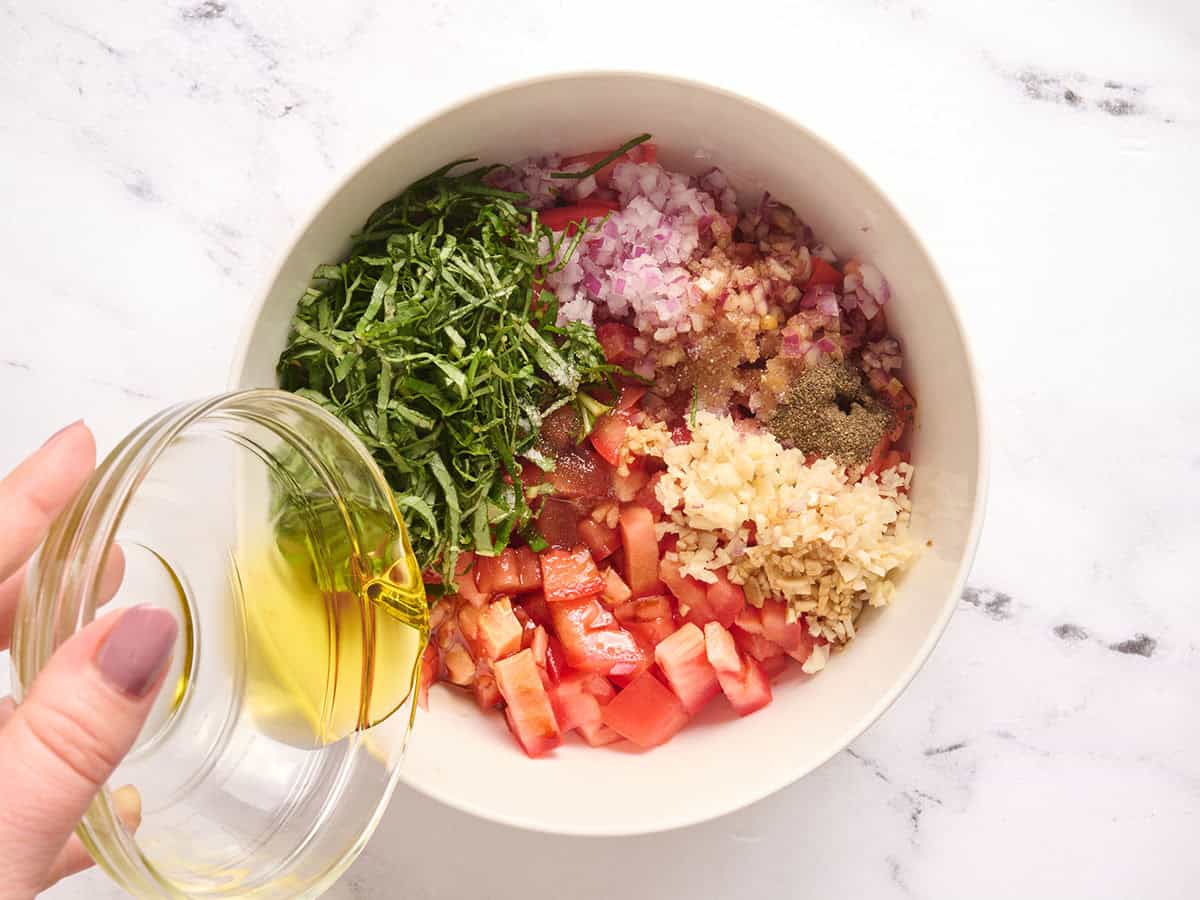
The process begins with the preparation of the bruschetta topping. Culinary experts emphasize that the mixture of four diced Roma tomatoes, three minced garlic cloves, two tablespoons of diced red onion, and fresh basil must be combined with olive oil and balsamic vinegar early in the process. This allows for a process known as maceration. During this time, the salt and vinegar break down the cellular walls of the tomatoes, releasing juices that blend with the aromatics. This stage is critical for ensuring the topping acts as a cohesive sauce rather than a dry garnish.
Phase II: Protein Modification and Seasoning
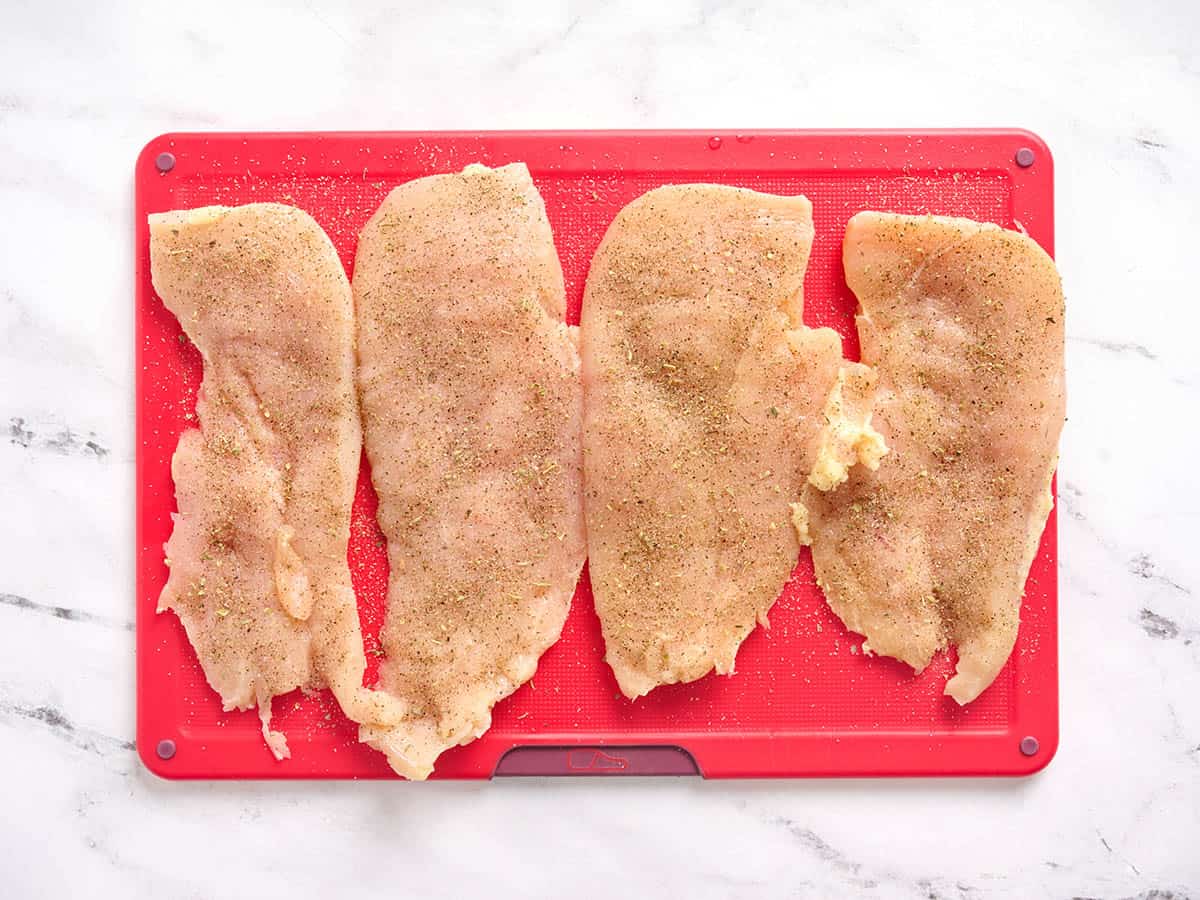
Simultaneously, the recipe dictates a structural modification of the chicken breasts. To ensure a rapid and even cook, two standard chicken breasts (approximately one pound total) are sliced horizontally to create four thinner cutlets. This technique increases the surface area for the Maillard reaction—the chemical reaction between amino acids and reducing sugars that gives browned food its distinctive flavor—while reducing the internal distance heat must travel to reach the safe temperature of 165°F.
Phase III: Thermal Processing
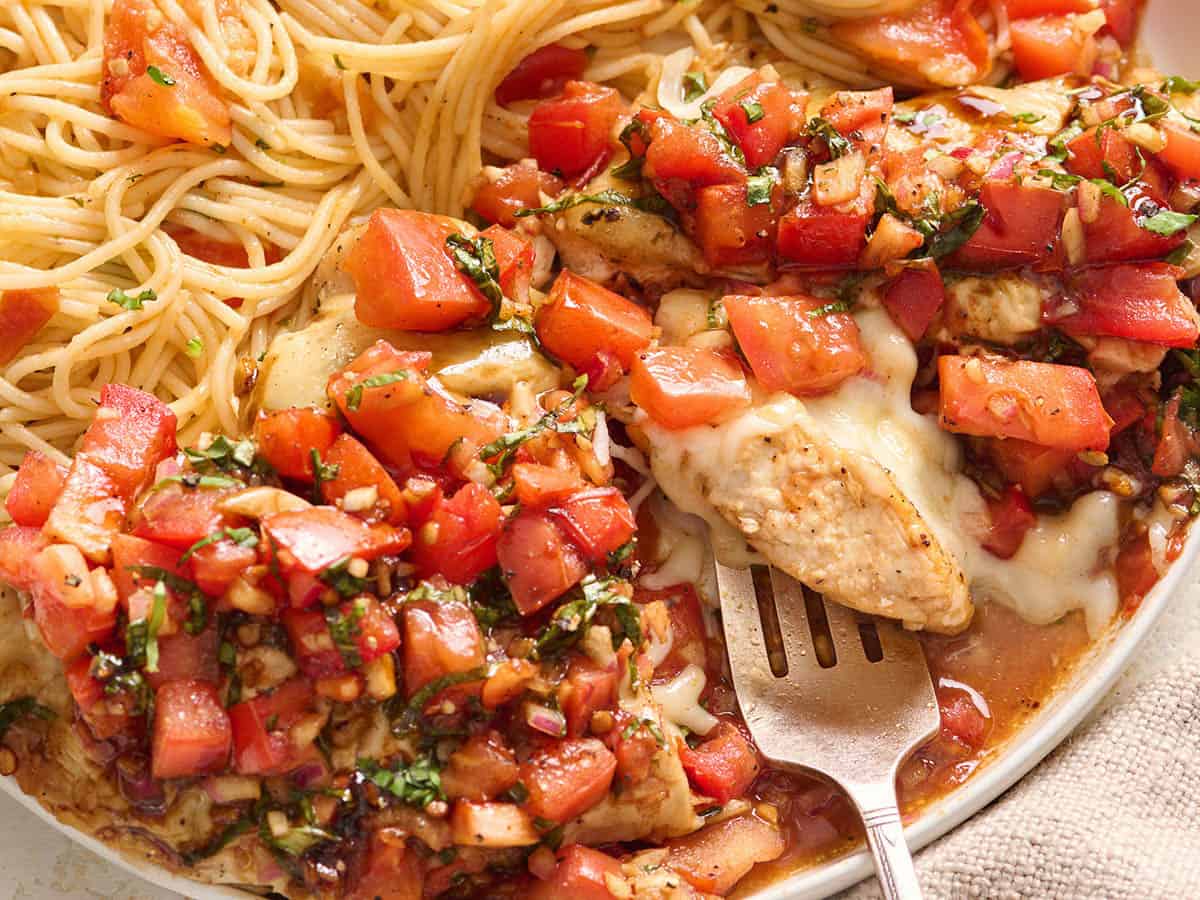
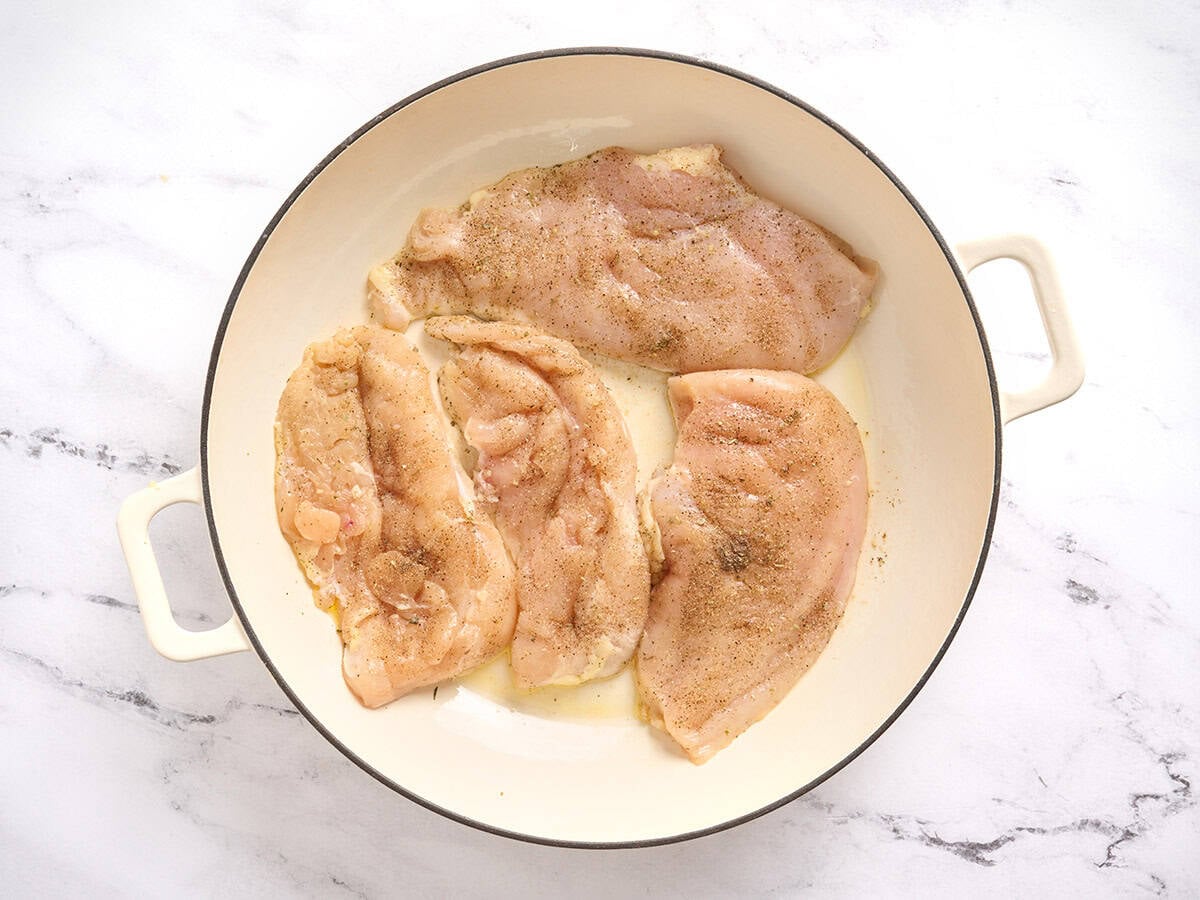
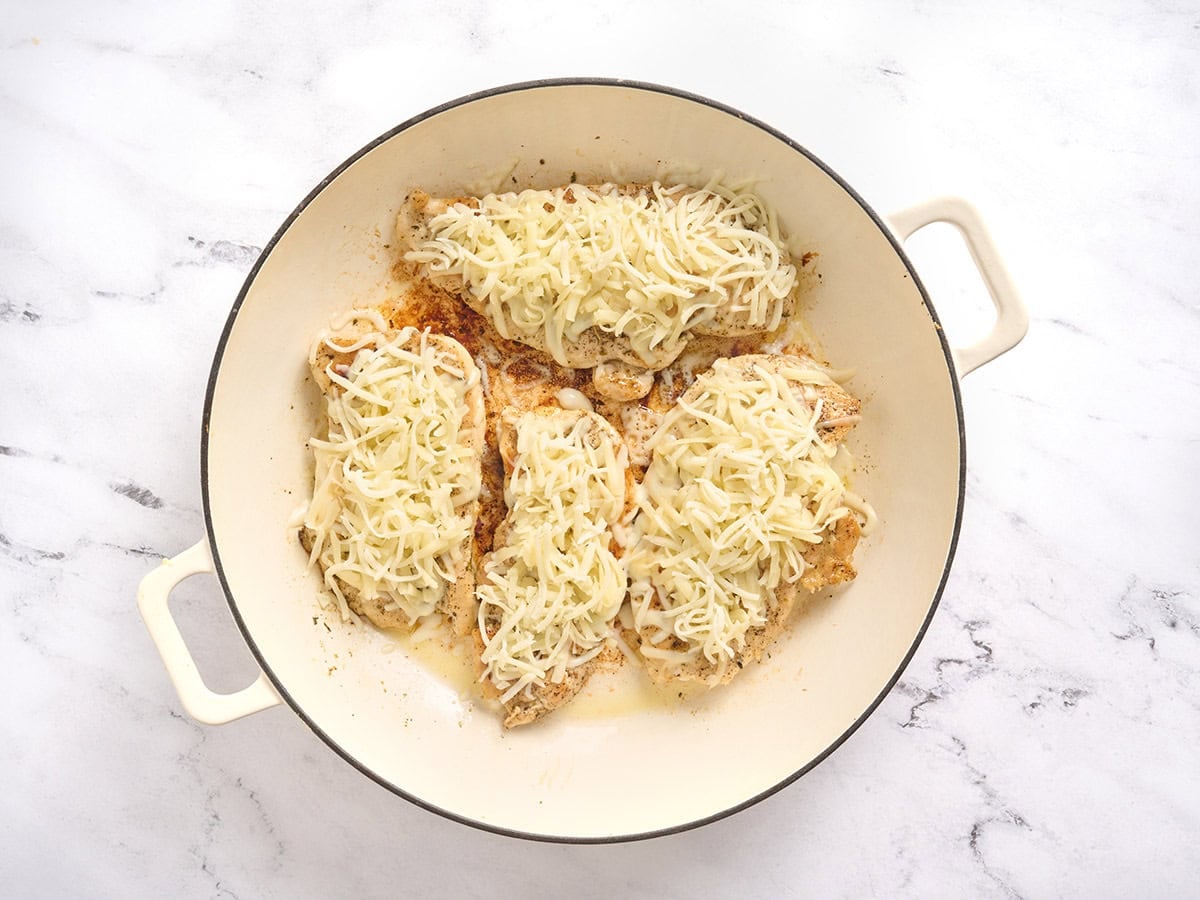
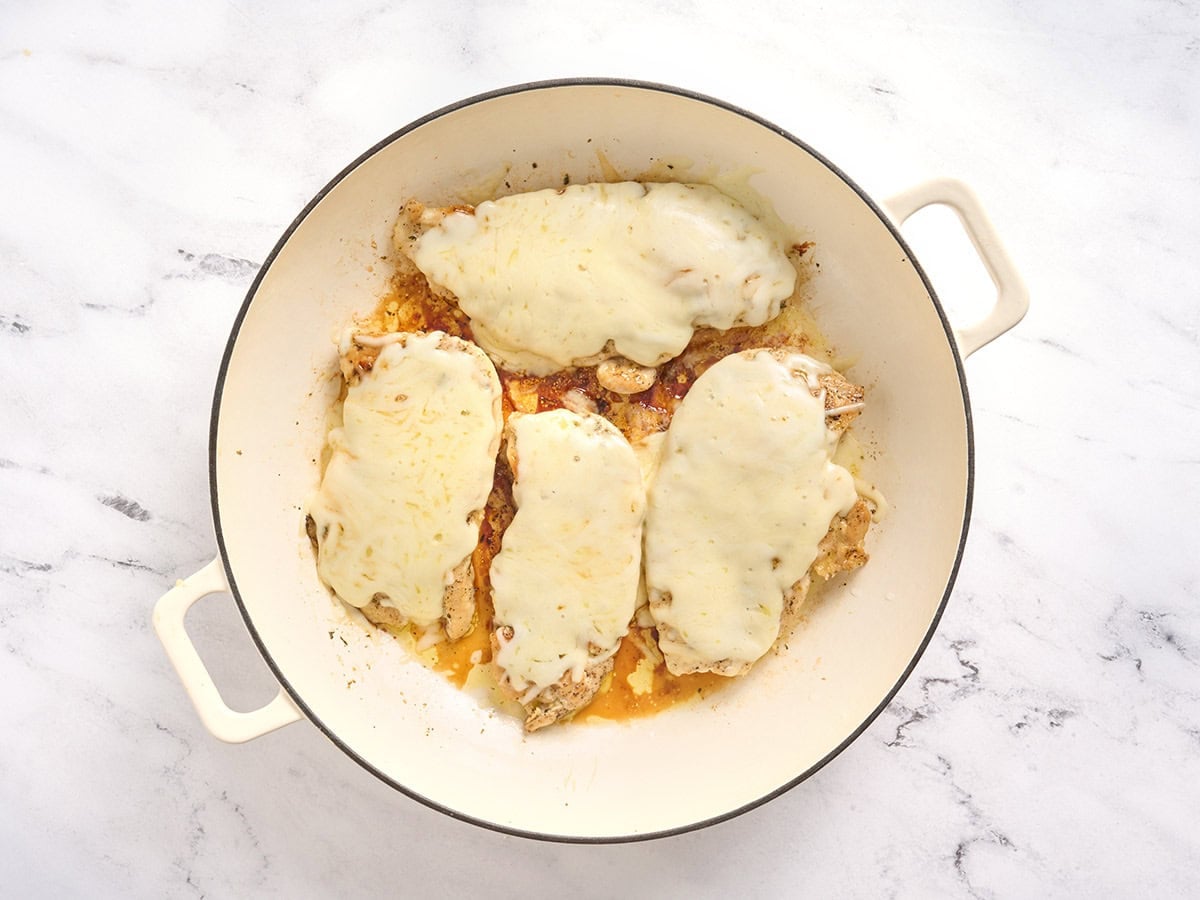
The cooking phase involves searing the seasoned cutlets in a high-heat skillet for three to five minutes per side. Once the internal temperature is verified via an instant-read thermometer, the heat is reduced to facilitate the melting of the mozzarella cheese. The use of a lid or aluminum foil during this stage creates a localized convection environment, ensuring the cheese reaches its melting point without overcooking the delicate poultry beneath.
Phase IV: Final Assembly
The final stage involves the marriage of the hot protein and the room-temperature topping. By adding the bruschetta mixture after the chicken has been removed from the direct heat source, the tomatoes retain their structural integrity and fresh profile, providing a temperature contrast that is a hallmark of Mediterranean cuisine. A final drizzle of balsamic glaze provides a concentrated acidic and sweet finish.
The Science of Ingredients: Chemical and Physical Properties
The efficacy of the Bruschetta Chicken recipe is supported by several scientific principles of food preparation. One of the primary recommendations from the Nashville Test Kitchen is the use of freshly shredded mozzarella rather than pre-shredded varieties. Commercial pre-shredded cheeses are coated in anti-caking agents, such as potato starch or powdered cellulose, which inhibit the cheese’s ability to melt into a smooth, homogenous layer. By shredding the cheese manually, the cook ensures a superior "melt" and better adhesion to the chicken cutlet.
Additionally, the recipe makes a clear distinction between balsamic vinegar and balsamic glaze. Balsamic vinegar, a product of fermented grape must, provides the necessary acidity to the tomato mixture. In contrast, balsamic glaze—a reduction of vinegar and sugar—possesses a higher viscosity and sugar concentration. This allows it to sit on top of the dish as a decorative and flavorful "finish" rather than soaking into the meat, maintaining the visual appeal of the plate.
Market Context: Home Cooking as an Economic Buffer
The rise of recipes like Bruschetta Chicken occurs against a backdrop of significant shifts in consumer behavior. According to recent Consumer Price Index (CPI) reports, the cost of food away from home has seen a steady increase, leading many households to reinvest in their kitchen skills. The Nashville Test Kitchen’s emphasis on "rigorous testing" serves as a quality assurance marker for consumers who cannot afford to waste ingredients on unsuccessful recipes.
Analysts suggest that the "25-minute meal" category is particularly resilient in the current market. As the boundary between work and home life continues to blur for many professionals, the demand for "low-effort, high-reward" dinners has surged. This recipe addresses that need by eliminating the requirement for long-term planning, such as marinating the chicken hours in advance.
Comparative Culinary Analysis
When compared to traditional Italian-American dishes like Chicken Parmesan, Bruschetta Chicken offers a lighter, more nutritionally balanced alternative. Chicken Parmesan typically requires breading and deep-frying, which significantly increases the fat and carbohydrate content of the meal. By opting for a pan-sear and a fresh tomato topping, Bruschetta Chicken provides a similar flavor profile—tomato, basil, and mozzarella—with approximately 40% fewer calories than its breaded counterpart.
Furthermore, the versatility of the dish allows it to be integrated into various dietary frameworks. For those following a gluten-free regimen, the dish is naturally compliant, provided the balsamic glaze is checked for thickening agents. For those seeking lower carbohydrate intake, the chicken can be served over "zoodles" (zucchini noodles) or a bed of fresh greens, further enhancing its appeal to health-conscious demographics.
Storage, Safety, and Meal Prep Implications
From a food safety perspective, the Nashville Test Kitchen remains adamant about the internal temperature of the poultry. The USDA-recommended 165°F is the standard to ensure the elimination of pathogens such as Salmonella. Using thinner cutlets, as described in the recipe, is a safety-enhancing measure, as it reduces the likelihood of the exterior burning while the interior remains undercooked.
For the growing "meal prep" community, Bruschetta Chicken presents a unique logistical challenge: maintaining the freshness of the tomatoes alongside a reheatable protein. The recommended solution is a bifurcated storage strategy. By keeping the cooked chicken and the tomato topping in separate airtight containers, the user prevents the "soggy" texture that often plagues reheated poultry dishes. When ready to consume, the chicken can be heated independently, with the fresh topping added just prior to consumption, thereby preserving the original textural contrasts of the dish.
Broader Impact and Conclusion
The Easy Bruschetta Chicken Skillet Dinner represents more than just a meal; it is a manifestation of the "smart kitchen" philosophy. By leveraging basic chemistry, smart shopping habits, and efficient heat management, the recipe democratizes gourmet dining. The Nashville Test Kitchen’s commitment to affordability—keeping the cost under $1.50 per serving—provides a blueprint for how families can navigate inflationary pressures without sacrificing the quality of their nutrition or the pleasure of their dining experience.
As summer produce reaches its peak, the utilization of fresh tomatoes and basil in this format allows consumers to engage with seasonal cycles in a way that is both sustainable and delicious. The success of such recipes indicates a move toward a more informed and capable home-cooking public, one that values transparency in cost and reliability in results. In the current economic climate, the ability to produce a "BIG flavor on a small budget" is not merely a culinary skill, but a vital household asset.
