

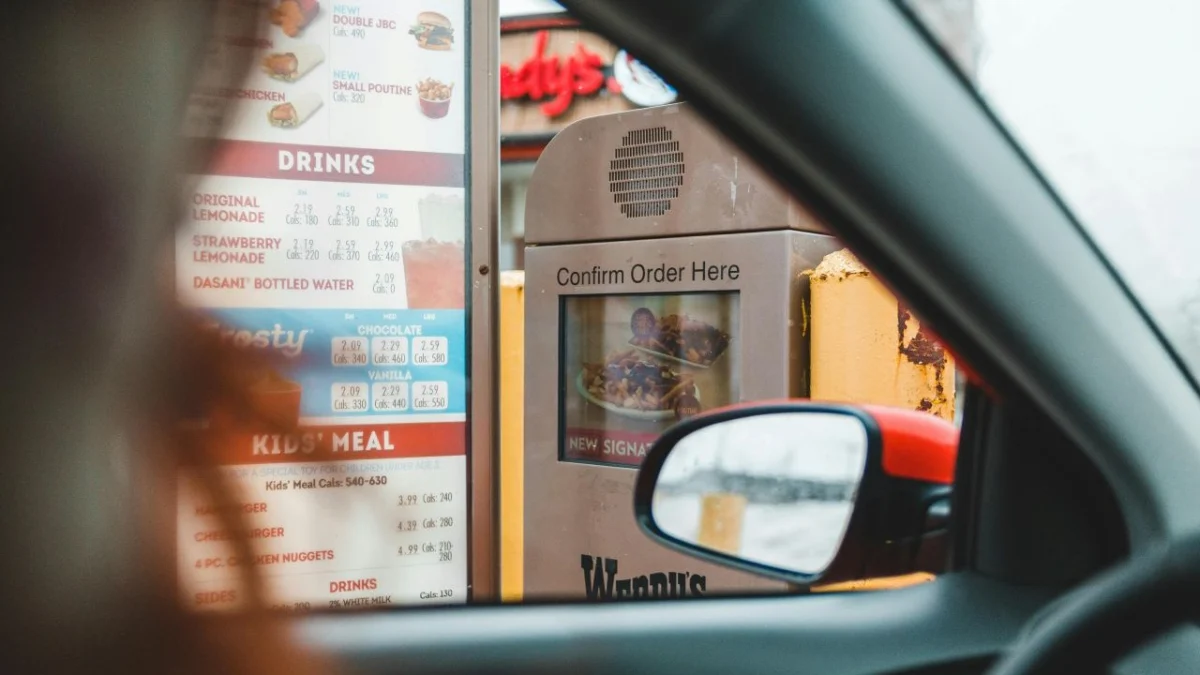
A significant majority of Americans, precisely two-thirds, engage with quick-service restaurants (QSRs) on a monthly basis, with a substantial 30% of this demographic opting for QSR dining on a weekly cadence. This widespread patronage is overwhelmingly driven by the allure of value menus, a critical factor as the industry grapples with sustained inflationary pressures and increasingly discerning consumer spending habits. A comprehensive new report, "Best Bites 2026: U.S. Restaurant Brand Rankings," published by YouGov, reveals that 66% of weekly QSR diners cite value and discount menus as their primary motivation for frequenting these establishments. This preference is consistent across genders, with 69% of women and 63% of men identifying value as a key driver.
The report further elaborates on the hierarchy of QSR appeal, indicating that beyond competitive pricing, a clean dining environment ranks as the second most influential factor, influencing 53% of diners. Daily specials or promotions follow closely, capturing the attention of 51% of consumers. These findings underscore a consumer base highly attuned to cost-effectiveness and overall dining experience, elements that QSR brands must meticulously manage to maintain customer loyalty in a challenging economic landscape.
Evolving Consumer Priorities in the QSR Landscape
The data from YouGov provides a detailed look into the nuanced preferences of QSR patrons. While value remains paramount, other aspects of the dining experience significantly contribute to the decision-making process for frequent visitors. The ability to customize menu items, a feature offered by a growing number of QSRs, appeals to 38% of weekly diners, reflecting a desire for personalization and tailored meals. Furthermore, the increasing consumer focus on health and wellness is evident, with 31% of respondents prioritizing healthy menu options. The enduring popularity of all-day breakfast, cited by 30% of frequent visitors, highlights a segment of the market that values convenience and flexible dining hours.
These insights are further corroborated by independent market analysis. Recent data from Circana indicates that nearly 30% of all restaurant visits are now directly linked to a promotional deal, representing the highest proportion observed in half a century. This trend suggests a heightened sensitivity to price across the broader restaurant sector, placing immense pressure on QSRs to not only offer competitive pricing but also to clearly communicate the value proposition of their offerings. The convergence of these data points paints a clear picture: consumers are actively seeking affordability without compromising on a satisfactory dining experience.
Brand Performance: Navigating Value and Quality Perceptions
The YouGov report also delves into brand-specific performance, examining perceptions of value and quality among leading QSR players. Wendy’s emerges at the top of the rankings for perceived value, a notable position given its recent financial reports. In contrast, McDonald’s, while ranking eighth for value, experienced a robust 6.8% increase in same-store sales in its most recent fourth quarter, a performance its executives attributed directly to its strategic value initiatives. This stands in contrast to Wendy’s, which saw a 11.3% decline in same-store sales. Wendy’s interim chief executive officer, Ken Cook, acknowledged a deviation from its core value positioning, signaling a strategic pivot back to "everyday value versus short-term promotions." This suggests that while short-term promotions can drive immediate traffic, a consistent and perceived everyday value proposition is crucial for long-term customer engagement.
The interplay between value and quality is complex. While Wendy’s leads in perceived value, brands like Chick-fil-A and Jersey Mike’s significantly outperform in quality perception, with scores of 37.3 and 24.3 respectively, followed by Wendy’s at 23.7. McDonald’s, surprisingly, does not appear in the top 10 for quality in the YouGov analysis. The broader top 10 for quality includes Firehouse Subs (18.7), In-N-Out (18.6), Dairy Queen (17.4), Subway (17.4), Pizza Hut (16.1), Raising Cane’s (14.6), and Popeyes (14.4). This suggests that while value is a primary driver for frequent visits, perceived quality remains a critical differentiator for brand preference and loyalty.
Despite the nuances in value and quality rankings, McDonald’s maintains a significant advantage in consumer consideration. With 39.6% of Americans considering McDonald’s for their next food or drink purchase, it stands as the most considered QSR brand by a considerable margin. Chick-fil-A follows closely at 35.5%, indicating strong brand recognition and a high level of top-of-mind awareness among consumers. This dominance in consideration highlights the enduring power of established brands and their ability to remain relevant in a competitive market.
The remaining brands in the top 10 for consideration are Subway, Starbucks, Dunkin’, Taco Bell, Burger King, Domino’s, and KFC. This list reflects a blend of legacy players and brands that have successfully carved out specific niches or adapted their strategies to meet evolving consumer demands.
Specialty Brands: The Rise of Diversified Offerings
.jpg?width=1280&&quality=80&format=jpg&disable=upscale)
In parallel with the QSR landscape, the market for specialty beverages, snacks, and desserts is also experiencing significant growth. Major QSR chains are increasingly investing in these categories, recognizing their potential to drive incremental sales and enhance customer engagement. McDonald’s, for instance, established a dedicated team focused on beverages and desserts last year, a strategic move aimed at capturing a larger share of this lucrative market. This trend signifies a broader industry shift towards diversification and the creation of more comprehensive dining experiences.
Within the specialty sector, Starbucks and Dunkin’ are engaged in a close competition, ranking as the most considered specialty brands with 31.3% and 31.1% consideration respectively. These figures highlight their established presence and strong brand equity in the coffee and baked goods segments. Krispy Kreme follows with 19.9% consideration, demonstrating its continued appeal in the doughnut market. Other notable specialty brands include Culver’s (18.5%), Baskin-Robbins (14.4%), Cold Stone Creamery (13.2%), Cinnabon (12.9%), and Auntie Anne’s (12.3%).
Quality perceptions in the specialty segment are led by Krispy Kreme, which boasts a net score of 30.7 for quality. Cold Stone Creamery and Baskin-Robbins follow with scores of 29.7 and 28.5, respectively, indicating strong consumer confidence in the quality of their offerings. Starbucks (25.7) and Dunkin’ (25.6) also rank highly, underscoring their commitment to delivering consistent product quality.
On the value front, Dunkin’ takes the lead with a net score of 24.2, suggesting a strong perception of affordability among its customer base. Krispy Kreme (17.5), Culver’s (14.3), Baskin-Robbins (12.8), and Auntie Anne’s (10.6) also demonstrate competitive value propositions. Notably, Starbucks, despite its efforts to address affordability concerns as part of its broader turnaround strategy, does not feature in the top 10 for value. This indicates that while the company is making strides, its premium pricing strategy continues to be a point of consideration for some consumers.
Analysis of Implications: The Core Tenets of Brand Success
Ashley Brown, Senior Director at YouGov America, offered a strategic perspective on the findings, stating, "Restaurant brands that succeed today are those that consistently deliver on the fundamentals – value, quality, and a reliable customer experience – while also adapting to evolving consumer expectations. What this data makes clear is that brand strength isn’t just about awareness or scale; it’s about relevance. Whether it’s McDonald’s maintaining broad appeal, Chick-fil-A excelling on quality, or Starbucks and Dunkin’ competing closely in specialty dining, the brands that win are those that understand exactly what matters most to their customers and deliver on it every day."
This analysis highlights a critical duality in the modern restaurant industry: the necessity of adhering to foundational principles of customer satisfaction while simultaneously embracing innovation and adaptation. The persistent focus on value, particularly in the current economic climate, cannot be overstated. However, as the data on quality perceptions demonstrates, long-term brand loyalty is often built on a foundation of superior product and service.
The implications for QSR brands are manifold. For those prioritizing value, such as Wendy’s and McDonald’s, the challenge lies in striking a balance that avoids perceived dilution of quality. For brands excelling in quality, like Chick-fil-A, the ongoing focus must be on maintaining that perceived advantage while also ensuring that their pricing remains accessible to a broad consumer base.
The expansion of QSRs into specialty categories, including beverages and desserts, represents a strategic imperative. This diversification not only creates new revenue streams but also allows brands to cater to a wider range of consumer needs and occasions, from quick snack breaks to more indulgent treat experiences. The success of Starbucks and Dunkin’ in this arena serves as a blueprint, demonstrating how dedicated focus and consistent delivery can build formidable brand loyalty.
Ultimately, the "Best Bites 2026" report provides a comprehensive snapshot of the QSR and specialty dining landscape. It underscores that in an era of evolving consumer expectations and economic uncertainty, brands that can consistently deliver on core promises of value and quality, while also demonstrating agility and relevance, are best positioned for sustained success. The ability to understand and respond to the nuanced preferences of the American diner will remain the ultimate arbiter of brand strength and market leadership.
Author: Alicia Kelso, Executive Editor, Nation’s Restaurant News
Date: April 10, 2026
Read Time: 3 Minutes
