

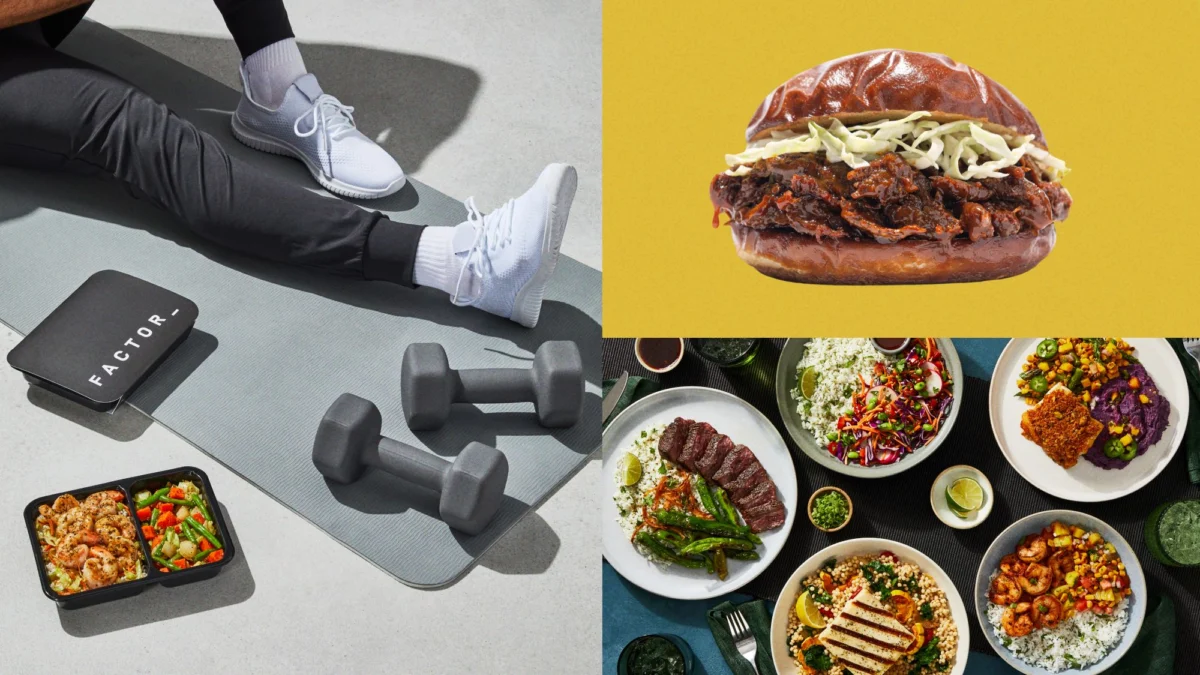
The culinary landscape is currently undergoing a significant transformation, driven by an escalating fascination with protein. This phenomenon, often dubbed the "high-protein craze," is evident across various consumer touchpoints, from ubiquitous protein bars adorning subway advertisements and grocery store shelves to "protein-ified" menu items at popular fast-casual establishments like Starbucks and Sweetgreen. Consumers are increasingly encountering protein-enhanced versions of classic staples, including protein pasta, crackers, and even yogurts, signaling a profound shift in dietary priorities. This widespread adoption reflects a growing understanding of protein’s multifaceted role in health and wellness, extending beyond the realm of professional athletes to the everyday individual seeking improved satiety, muscle maintenance, and overall vitality.
Despite the proliferation of protein-rich products, consistently meeting daily protein targets, particularly from whole food sources, presents a considerable challenge for many. Yasi Ansari, MS, RDN, CSSD, a distinguished registered dietitian based in Los Angeles, emphasizes a strategic approach: "I generally recommend spreading protein intake evenly throughout the day with about 20–30 grams per meal (of course, depending on your specific needs)." This guidance underscores that effective protein consumption is not about sporadic, large servings, but rather a consistent integration into each meal, a task that can be difficult to manage amidst busy schedules and diverse dietary preferences. For individuals who prefer not to dedicate their weekends to extensive meal preparation involving numerous chicken breasts and pounds of ground beef, high-protein meal delivery services have emerged as an invaluable, simplifying solution. These services offer a spectrum of options, from meal kits requiring minimal assembly and cooking to fully prepared meals ready for immediate consumption, effectively streamlining the process of achieving optimal protein intake without relying solely on supplements.
The Foundational Importance of Protein in Modern Diets
The contemporary emphasis on protein is not merely a passing trend but is rooted in robust scientific understanding of its critical biological functions. Protein serves as a fundamental macronutrient, indispensable for virtually every system within the human body. Its roles are diverse and vital, encompassing muscle repair and growth, robust immune system support, the synthesis of hormones and enzymes, and crucially, enhancing satiety after meals. When protein intake falls short of individual requirements, a cascade of undesirable effects can manifest, including compromised hair and nail health, a weakened immune response, and a persistent feeling of hunger throughout the day, often leading to overeating.
Nutrition experts, including Ansari, highlight that protein needs are not static but evolve with various life stages and activity levels. For instance, individuals engaged in regular strength training or those striving to build and maintain muscle mass have elevated protein requirements. Furthermore, protein needs demonstrably increase with age. Data from the 2020–2025 Dietary Guidelines for Americans indicates a significant gap in protein consumption among older adults, with approximately 50% of women and 30% of men aged 71 and older failing to meet recommended intake levels. Adequate protein becomes particularly crucial in later years for preserving muscle mass, mitigating sarcopenia (age-related muscle loss), and supporting overall mobility and functional independence. Alongside animal-based sources, Ansari strongly advocates for the inclusion of plant-based proteins such as lentils, beans, tofu, nuts, and seeds, which concurrently provide essential fiber, further contributing to digestive health and prolonged satiety. The convergence of these factors—the scientific backing, evolving dietary needs, and the convenience factor—has propelled high-protein meal delivery services into the mainstream, offering a practical avenue for consumers to optimize their nutritional intake.

Evolution of the Meal Delivery Landscape and the Rise of Protein Focus
The meal delivery service industry has undergone a significant evolution over the past decade, transforming from a niche offering to a multi-billion-dollar global market. Initially gaining traction by addressing the dual consumer desires for convenience and culinary variety, these services primarily offered traditional meal kits designed to simplify home cooking. However, as consumer awareness of specific dietary needs and health goals intensified, the industry rapidly diversified. This adaptability saw the emergence of specialized plans catering to various dietary protocols such as ketogenic, paleo, gluten-free, and vegan lifestyles. The current "protein craze" represents the latest iteration of this evolution, with providers now strategically designing menus and filtering options to highlight and prioritize high-protein meals.
The market for meal delivery services, particularly those focusing on health and wellness, has seen robust growth. Projections indicate continued expansion, driven by busy lifestyles, an increased focus on personalized nutrition, and a desire for healthier eating habits without the associated time commitment of planning, shopping, and cooking from scratch. However, delivering high-quality, protein-rich meals at scale presents unique challenges. Maintaining the taste, texture, and freshness of pre-cooked proteins, particularly when reheated, is a significant culinary hurdle. Furthermore, balancing protein content with other nutritional considerations, such as sodium levels and overall caloric intake, requires careful formulation by dietitians and chefs. Early iterations of "healthy" convenience foods often sacrificed flavor for function, but modern meal delivery services are increasingly succeeding in delivering both, a testament to advancements in food science, preparation techniques, and logistical efficiency.
Bon Appétit’s Rigorous Testing Methodology
In evaluating the myriad of high-protein meal delivery services, Bon Appétit employed a comprehensive and meticulous testing methodology, building upon years of collective experience in assessing culinary products and services. The primary objective was to identify services that not only consistently delivered on their high-protein promise but also excelled in the critical domain of flavor. This dual focus reflects Bon Appétit’s core philosophy as a publication dedicated to individuals who "live-to-eat," ensuring that nutritional benefits are never at the expense of a satisfying gastronomic experience.
The evaluation process commenced with establishing a robust list of prospective services, drawing from market research, industry reputation, and previous testing insights. Subsequently, a team of Bon Appétit staffers and experienced contributors was enlisted to personally test each selected service over a minimum period of one week. During this testing phase, detailed notes were systematically recorded across several key operational and experiential categories:

- Ordering Process: Ease of navigation, clarity of menu options, customization capabilities, and the efficiency of plan selection.
- High-Protein Offerings: Assessment of the sheer number and variety of high-protein meals available each week, noting the consistency of protein content. For the purposes of this review, "high protein" was generally defined as meals containing at least 15 grams of protein per serving, though a significant proportion of the highly-rated meals consistently delivered in the 30–40 gram range, aligning more closely with expert recommendations for substantial protein intake per meal.
- Delivery and Unboxing Experience: Punctuality, packaging integrity, temperature control, and the overall presentation of the delivered items.
- Ingredient Quality: Freshness, sourcing, and perceived quality of all components within the meal kits or prepared meals.
- Recipe Clarity (for meal kits): Ease of understanding instructions, logical progression of steps, and accuracy of estimated preparation times.
- Taste and Culinary Execution: This was a paramount criterion. Meals were cooked or reheated precisely according to provided instructions and then rigorously assessed for flavor balance, seasoning, texture of proteins and vegetables, and overall culinary appeal.
This multi-faceted approach ensured that the recommendations were grounded in practical experience and objective evaluation, providing consumers with reliable insights into the best high-protein meal delivery services available on the market.
Top High-Protein Meal Delivery Services: A Detailed Analysis
Our extensive testing revealed several standout services, each catering to distinct preferences while prioritizing protein and flavor.
Factor: The Pinnacle of Prepared High-Protein Meals
Factor distinguishes itself as the premier choice for prepared high-protein meals, consistently impressing testers with its microwavable, dietitian-approved offerings. Designed for the health and wellness-minded consumer, Factor meals are ready after a quick heating. The brand’s strength lies in its ability to execute microwaveable tray meals exceptionally well, a notoriously difficult feat. Most Factor dishes adhere to a balanced format of protein, starch, and vegetables, delivering both satiety and flavor. Proteins are consistently well-cooked and seasoned, leading to flavorful dishes across the board. Contributor April Benshosan lauded the consistent juiciness and expert cooking of the chicken breast in every Factor meal, a sentiment echoed by Alaina Chou, who particularly enjoyed the poultry dishes like Green Chile Chicken and Homestyle Turkey and Gravy.
What truly sets Factor apart is its sheer volume of high-protein options—over 60 on a typical week. While the "high protein" definition varies across services, Factor rigorously applies this label to meals containing 30 grams or more of protein, with many offerings exceeding 40 grams. The primary critique of Factor centers on the potential for format repetition over extended periods and the relatively high sodium content in some meals, occasionally exceeding 20% of the recommended daily value. While Benshosan noted this, she also considered her active lifestyle and need for electrolytes, suggesting consumers with specific dietary restrictions monitor sodium levels.
CookUnity: Culinary Excellence in Prepared Meals
For those who prioritize gourmet flavor and chef-driven culinary experiences, CookUnity stands out. Over years of testing, Bon Appétit has consistently found CookUnity to deliver the most culinarily sophisticated prepared meals. The service collaborates with renowned chefs, including Pierre Thiam, Jose Garces, and Michelle Bernstein, to develop its diverse menu. Meals arrive fresh, avoiding the common issue of frozen or partially frozen components found with other services.

CookUnity excels in the challenging art of making heat-and-eat meals taste freshly prepared. Testers, including Senior Commerce Editor Noah Kaufman, were particularly impressed by the impressive juiciness of chicken and, surprisingly, the non-dry texture of eggs in breakfast items. The structural integrity of dishes, such as a breakfast burrito that held together perfectly post-microwave, highlighted the quality of preparation. Flavors are consistently bold and vibrant, with well-balanced spice mixtures and acidic sauces that elevate each dish. The range of high-protein choices, though requiring a slightly less intuitive filter ("Protein Boost" for 30-plus grams or a slider for custom ranges), is ample enough to maintain interest and variety.
HelloFresh: The Top High-Protein Meal Kit
HelloFresh, a household name in the meal kit sector, proves to be the best option for consumers seeking high-protein meals they can cook themselves. Its reputation for consistently tasty and well-designed meals, coupled with an expansive weekly menu, ensures broad appeal. While primarily known for its kits, HelloFresh also offers prepared and grocery items, demonstrating its versatility.
The service boasts an impressive selection, with as many as 156 high-protein options (defined as over 30 grams of protein per serving) available in a given week. Contributor Brittany Loggins’ recent testing highlighted the culinary learning experience, noting how she acquired "new tricks—easy ways to add flavor and texture with spices, sauces, and garnishes I wouldn’t normally reach for, but now absolutely will." Favorite high-protein meals included crispy Parmesan chicken with garlic scallion couscous, chicken sausage and spinach ricotta ravioli, and one-pan beef stir-fry tacos. A common observation across various Bon Appétit testers over the years, however, has been occasional inconsistencies in product quality or ingredient longevity, a challenge often faced by large-scale meal kit providers.
Tempo: For Precision and Balanced Macronutrients
Tempo, a prepared meal delivery service from the creators of Home Chef, targets individuals focused on well-balanced macros. It offers dietitian-approved, fresh meals crafted from whole ingredients, categorizing options by dietary goals like high-protein, balanced, low-calorie, and even GLP-1-friendly. The weekly rotating menu allows for extensive customization based on a preliminary questionnaire about lifestyle and preferences.
Contributor Francesca Krempa praised Tempo for delivering meals that tasted homemade rather than "healthy convenience food." Proteins were consistently tender and well-seasoned, vegetables retained their texture, and sauces were bright and flavorful. Krempa was particularly impressed with the grilled salmon in poblano crema, noting its flaky fish, hearty rice, and fresh, creamy sauce. Tempo’s strength lies in its nutritional transparency and commitment to balanced macros. Meals like the fiesta grilled chicken offered 30 grams of protein for just 390 calories, providing an excellent protein-to-calorie ratio. The main drawback noted was the modest portion sizes, which might leave individuals with larger appetites or very active lifestyles feeling slightly unsatisfied without supplementary sides or snacks.
Fresh Meal Plan: Powering Big Appetites
Fresh Meal Plan caters specifically to those with substantial appetites, often appealing to the performance-focused "gym bro" demographic, despite its somewhat unstylized branding. This prepared meal service focuses on fresh, never-frozen, microwaveable tray meals, all dietitian-approved and "chef-crafted." Its meal labels—Keto, Paleo, Vegan, Lean & Mean—underscore its target audience with specific health and fitness goals.

Alaina Chou, despite initial low expectations due to the branding, was pleasantly surprised by the taste and freshness of the meals. Portions were ample, and vegetable sides remarkably retained their texture after microwaving. The juicy lemon thyme chicken with sweet potato and asparagus was a particular highlight. Fresh Meal Plan excels in its high protein density, with most of its 60+ weekly offerings containing over 30 grams, many exceeding 40, and some even reaching 50-plus grams of protein. The "XL" option, available for an additional $3, further accommodates larger appetites. While the menu leans towards classic American fare with some Italian American and Mexican-inspired dishes, a "major miss" was noted with a tough, fishy cod and sub-par green beans, indicating occasional quality control issues.
Purple Carrot: The Premier Vegan High-Protein Choice
For vegans seeking to prioritize protein, Purple Carrot remains Bon Appétit’s top recommendation. As a long-standing favorite vegan meal kit, the brand offers an entirely plant-based menu, encompassing meal kits, ready-to-eat options, and grocery items.
Alaina Chou, typically a meat-eater, found Purple Carrot exceptionally appealing, highlighting the genuinely interesting and diverse meal options. The challenge of achieving high protein on a fully plant-based diet is effectively addressed by Purple Carrot’s innovative use of ingredients. With over 30 high-protein options available in a sample week, the service offers ample choice. Dishes like the BBQ Burnt Ends, utilizing pulled mushrooms to convincingly mimic barbecued meat, and the Spicy Szechuan-Style Glass Noodles with a substantial tofu component, were particularly satisfying and kept testers full for hours. However, Purple Carrot’s definition of "high-protein" starts at 15 grams, which is lower than other services, and its meal kits typically require 30-45 minutes of preparation, making them less ideal for extremely quick meals.
Hungryroot: The Hybrid for Grocery Trip Reduction
Hungryroot offers a unique hybrid model, functioning as an online grocery store specializing in semi-prepared foods, which it then helps consumers combine into easy-to-make meals. It is ideal for those who appreciate the concept of grocery shopping but dislike the in-person experience.
The service’s customizable nature is a major draw. Instead of fixed meal numbers, users manage a weekly credit allowance, which can be spent on pre-designed meal kits or individual grocery items. This flexibility allows for significant personalization, catering to diverse needs. Hungryroot boasts an extensive range of high-protein options, easily filtered for meals with 25-plus grams of protein, with diverse protein sources like chicken, bison, and tempeh. Chou particularly praised the fully cooked chicken options, such as individual sous vide packs for salads and wraps, and sous vide half chickens for easy weeknight dinners, noting their impressive freshness and longevity. The primary challenge identified was "decision paralysis" due to the overwhelming number of recipe combinations, many of which are similar. While recipes are beginner-friendly, a degree of cooking intuition can enhance and streamline the meal preparation process.
Broader Market Implications and Future Outlook

The ascent of high-protein meal delivery services signifies several broader shifts within the food industry and consumer behavior. This trend underscores a growing consumer demand for "functional foods"—those that offer specific health benefits beyond basic nutrition. It also highlights the paramount importance of convenience in modern life, where time is a precious commodity. The desire for personalized nutrition, enabling individuals to tailor their diets to specific health goals (whether weight management, muscle building, or addressing age-related needs), is also a key driver.
From an industry perspective, this niche’s growth is fostering innovation in food science and culinary techniques, particularly in developing palatable and shelf-stable prepared proteins. Furthermore, the emphasis on transparency in nutritional labeling, as seen with services like Tempo, is becoming an industry standard, empowering consumers with critical information. As the market matures, sustainability considerations, including packaging waste and food waste reduction, will likely become increasingly important competitive differentiators. The future of high-protein meal delivery services appears robust, poised for continued innovation and expansion as they adapt to evolving consumer preferences and technological advancements, ultimately making healthy, protein-rich eating more accessible and enjoyable for a wider demographic.
