

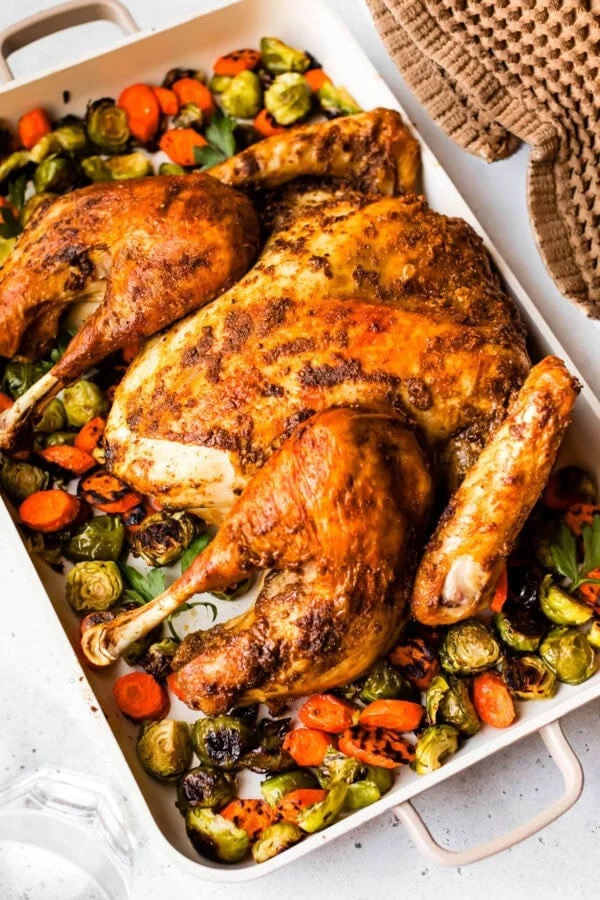
The perennial challenge of achieving a perfectly cooked, moist, and flavorful holiday turkey, often compounded by time constraints and the complexity of traditional methods, appears to have met its match with the surging popularity of the spatchcocking technique, particularly when paired with an innovative mayonnaise-based coating. This method, lauded for significantly reducing cooking time and ensuring uniformly juicy meat with a golden, crispy skin, is rapidly becoming a preferred alternative for home cooks seeking a stress-free yet impressive centerpiece for their festive tables. Unlike conventional roasting, which often necessitates extensive brining or overnight marinating, the spatchcock approach, especially with a simple seasoned mayo application, promises exceptional results without the days of advanced planning.
The Rise of Spatchcocking: A Historical and Culinary Context
Spatchcocking, also known as butterflying, involves removing the backbone of a whole bird and flattening it before cooking. While the term "spatchcock" itself has a somewhat debated etymology, often linked to 18th or 19th-century Irish or British culinary practices for quickly grilling or roasting game birds, the technique of flattening poultry for more even and rapid cooking is ancient and global. Various cultures have long recognized that by distributing the bird’s mass more uniformly, heat can penetrate simultaneously to all parts, preventing the common dilemma of overcooked breast meat and undercooked thighs, or vice versa, inherent in traditional upright roasting.
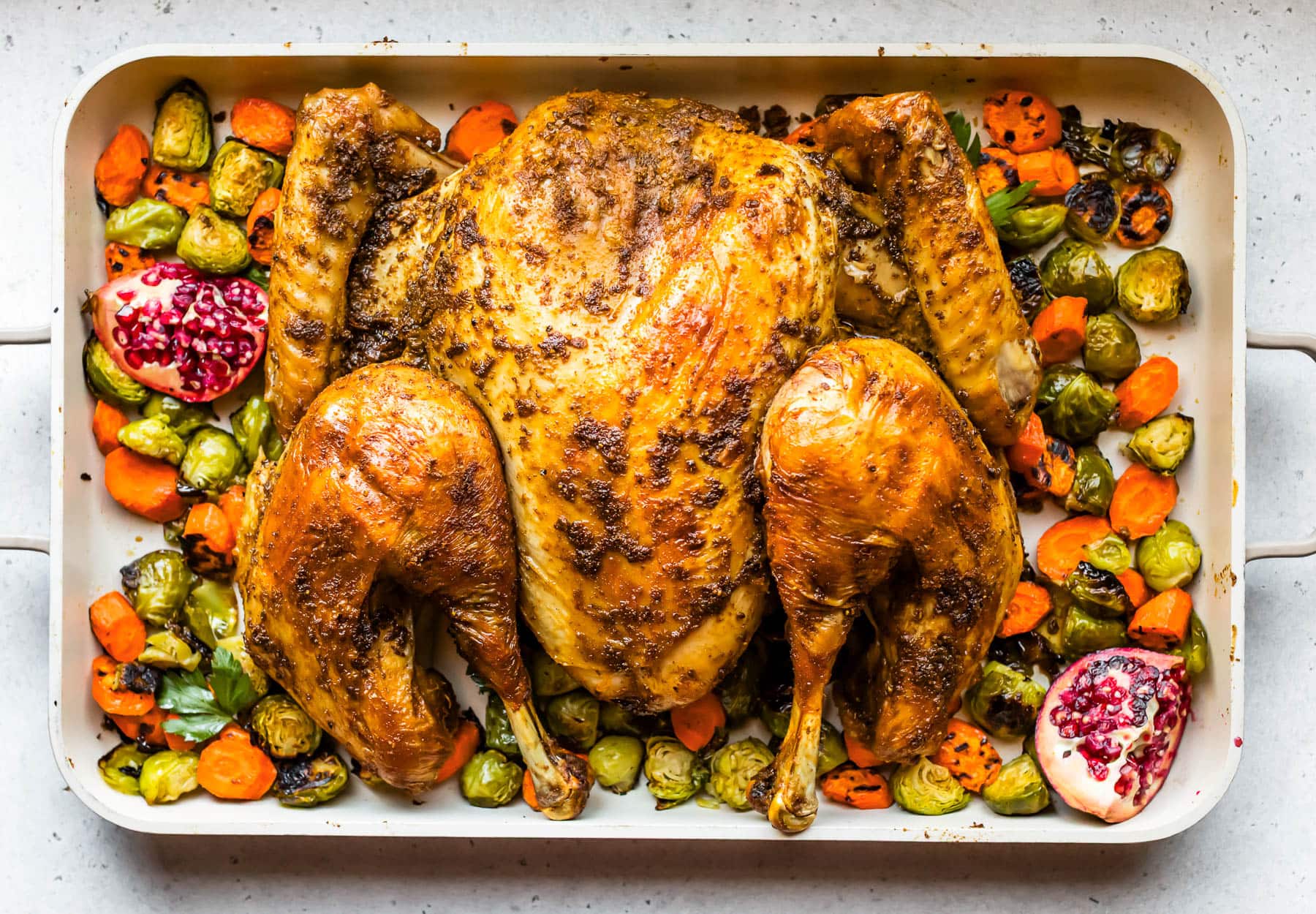
In recent years, this technique has experienced a significant resurgence, particularly within the realm of home cooking. Modern culinary enthusiasts, increasingly equipped with tools like robust poultry shears and a desire for both efficiency and culinary excellence, have rediscovered the profound advantages of spatchcocking for larger birds such as chickens and, more notably, turkeys. The flattened profile not only optimizes heat distribution but also exposes more skin surface directly to the oven’s radiant heat, fostering unparalleled crispiness. This stands in stark contrast to the often uneven cooking and potentially dry results associated with a whole, intact turkey, which requires a much longer cooking duration and frequent basting to maintain moisture.
The Mayonnaise Revolution: A Simple Ingredient with Profound Impact
Central to the enhanced efficacy of the modern spatchcock turkey is the innovative application of a seasoned mayonnaise coating. This seemingly unconventional ingredient serves multiple critical functions, transforming the turkey’s exterior into a culinary masterpiece. Mayonnaise, an emulsion of oil, egg yolk, and an acid (typically vinegar or lemon juice), brings a trifecta of benefits to the roasting process.
Firstly, its high-fat content acts as an exceptional conductor of heat, facilitating the Maillard reaction – the complex chemical process responsible for the coveted browning and development of rich, savory flavors in roasted foods. This results in an exceptionally golden and crisp skin, far superior to what can often be achieved with butter or oil alone, which can sometimes burn or slide off.
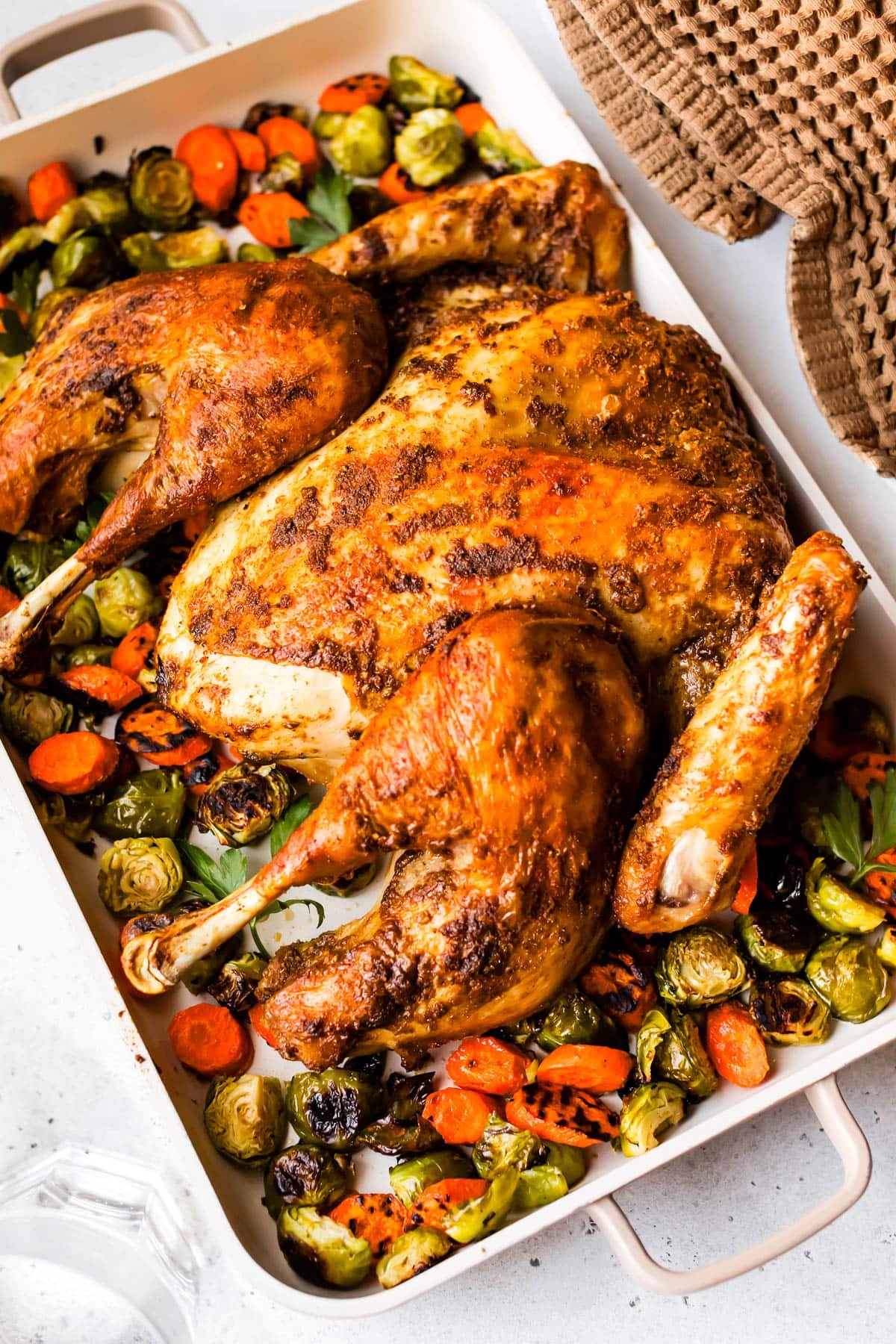
Secondly, the emulsified nature of mayonnaise allows it to adhere uniformly to the turkey’s skin, creating a consistent layer that locks in moisture while simultaneously promoting even browning. This eliminates the need for repeated basting, a time-consuming and heat-releasing activity that can slow down the cooking process and lead to fluctuating oven temperatures. The mayo effectively self-bastes the turkey, ensuring the skin remains supple and moist underneath its developing crisp exterior.
Finally, mayonnaise serves as an excellent carrier for seasonings. When mixed with herbs, spices, salt, and pepper, it creates a flavorful paste that infuses the turkey’s skin and outer meat layers with a depth of flavor that would typically require extensive marinating. This innovation effectively bypasses the multi-day brining or marinating processes often recommended for traditional turkeys, offering a significant advantage for those with limited preparation time.
A Streamlined Preparation and Cooking Chronology
The preparation of a spatchcock turkey, particularly with the mayo coating, follows a remarkably streamlined chronology, contrasting sharply with the often laborious rituals of conventional turkey roasting.

1. Thawing and Initial Preparation: For frozen turkeys, the process begins with proper thawing, a step that still requires foresight, typically several days in the refrigerator depending on the bird’s size. Once thawed, the turkey is removed from its packaging, giblets and neck are extracted, and it is thoroughly patted dry—a crucial step for achieving crispy skin.
2. The Spatchcocking Procedure: This is the defining moment. Using sturdy poultry shears, the backbone is carefully cut out from one side of the tail to the neck, and then repeated on the other side. The backbone is then removed (and can be reserved for gravy stock). The turkey is then flipped breast-side up, and firm pressure is applied to the breastbone until it flattens with an audible crack. This transforms the bulky bird into a flat, open canvas, ready for even cooking. For those hesitant to perform this step, many butchers are now accustomed to requests for pre-spatchcocked turkeys, reflecting the technique’s growing mainstream appeal.
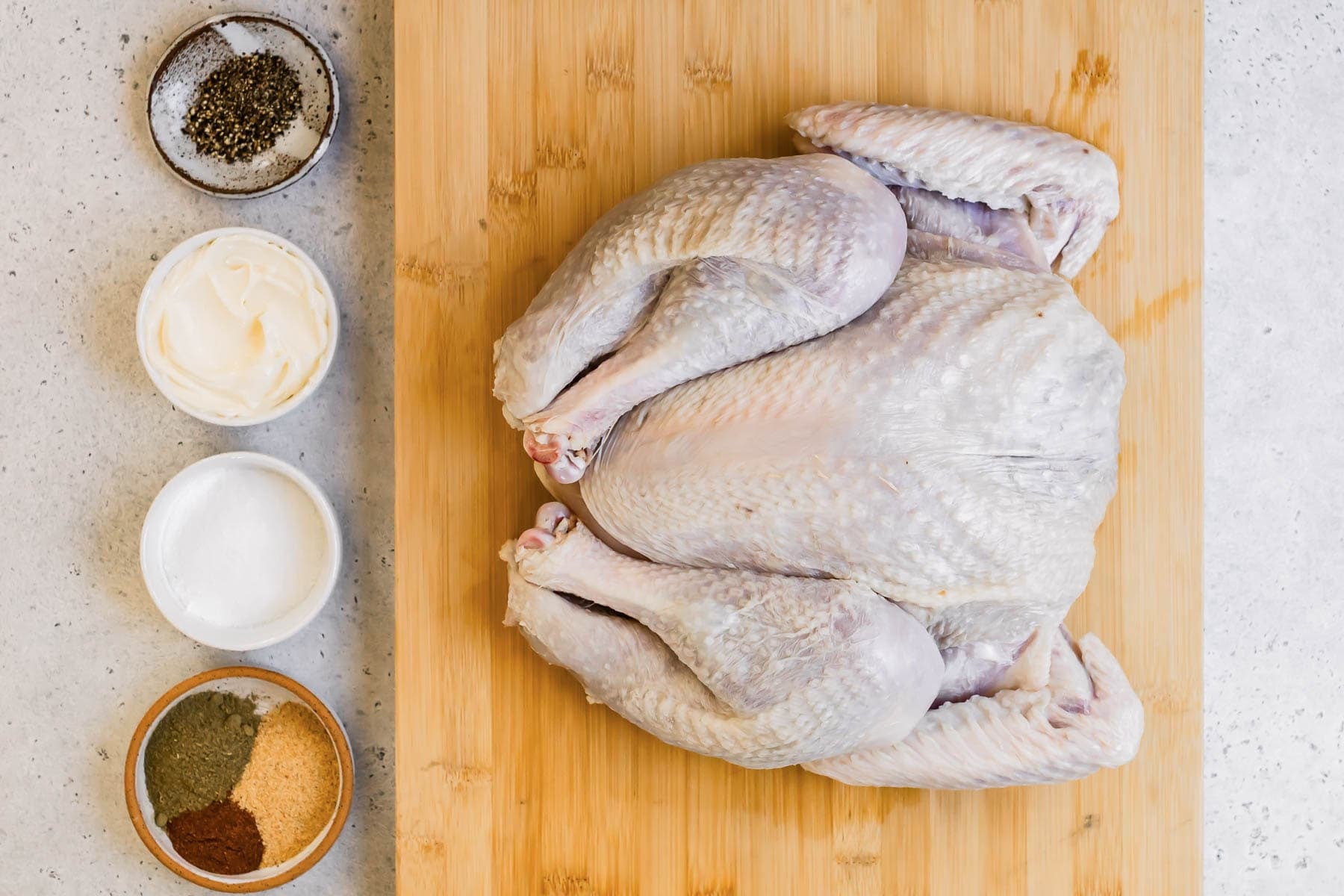
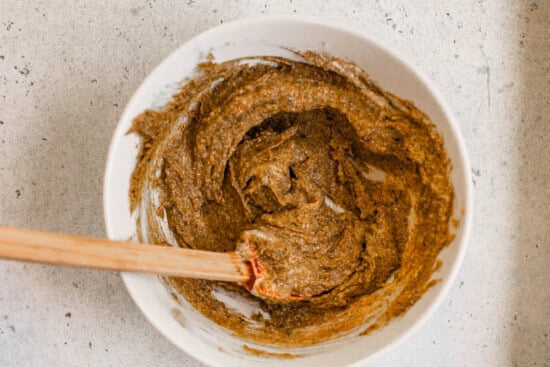
3. Crafting the Mayonnaise Coating: A simple mixture of mayonnaise and a blend of seasonings—such as kosher salt, black pepper, garlic powder, onion powder, and dried herbs like rosemary or sage—is prepared. The exact composition can be tailored to individual taste preferences, allowing for a personalized flavor profile.

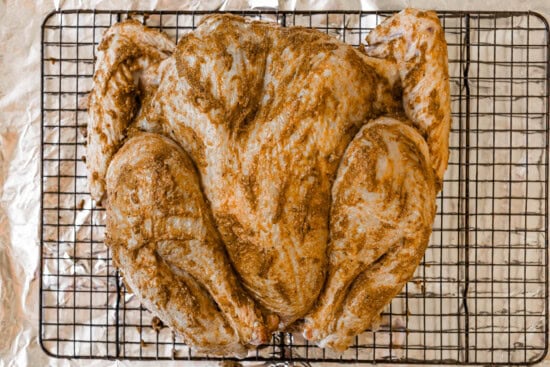
4. Application and Seasoning: The seasoned mayonnaise is generously applied over the entire surface of the flattened turkey, ensuring every crevice and curve is coated. This step not only distributes flavor but also sets the stage for the remarkable browning and crisping effect.
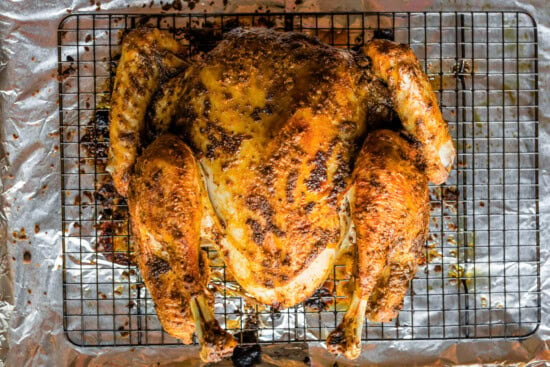
5. Roasting Protocol: The turkey is typically placed on a wire rack set within a large roasting pan, often elevated to allow for optimal air circulation. The cooking process employs a two-stage temperature approach: an initial blast of high heat (e.g., 425°F for 30 minutes) to kickstart the browning and crisping, followed by a reduction to a moderate temperature (e.g., 350°F for an additional 60 to 90 minutes) to ensure thorough and even cooking without scorching the exterior.
6. Monitoring Doneness and Resting: Internal temperature is meticulously monitored with a meat thermometer, aiming for 165°F in the thickest part of both the breast and thigh. The flattened configuration allows these areas to reach temperature almost simultaneously. Once done, the turkey is transferred to a carving board and allowed to rest for a crucial 30 minutes. This resting period is vital, allowing the juices to redistribute throughout the meat, ensuring maximum tenderness and moisture retention.
Supporting Data and Culinary Science Behind the Efficiency
The efficacy of the spatchcock method combined with a mayonnaise coating is grounded in sound culinary science and evidenced by quantifiable results, particularly in terms of cooking duration and meat quality.
Reduced Cooking Time: For a 16-pound turkey, a traditional whole bird might require 3.5 to 4.5 hours of roasting at 325°F. In contrast, a spatchcocked turkey of the same weight can be fully cooked in approximately 1 hour 45 minutes to 2 hours using the two-stage temperature method described. This represents a time saving of over 50%, a significant benefit for busy holiday hosts. This accelerated cooking is primarily due to the increased surface area exposed to direct heat and the more uniform thickness of the flattened bird, allowing heat to penetrate more efficiently.
Even Cooking and Temperature Consistency: The flattened form factor eliminates the "cold spots" often found in the joints and cavities of a whole bird. Heat circulates freely around the entire turkey, ensuring that both the lean breast meat and the denser thigh meat cook at a more synchronized rate. This minimizes the risk of dry breast meat, a common complaint with traditional roasting, while ensuring the dark meat reaches its tender, flavorful peak. The use of a reliable meat thermometer is always recommended to confirm precise internal temperatures.
Optimal Skin Crispiness: The initial high-heat roasting phase, combined with the fat content of the mayonnaise, promotes rapid dehydration of the skin’s surface and accelerates the Maillard reaction. This creates a beautifully golden, crackling-crisp skin that is often elusive with lower-temperature, longer roasting methods or less effective fat applications. The mayo’s emulsified nature also prevents the fat from pooling, ensuring a more uniform crisp.
Industry Reactions and Consumer Adoption
The rising prominence of spatchcocking, especially with the mayo technique, is evident across various segments of the culinary landscape.
Food Media and Recipe Developers: Major food publications, online culinary platforms, and influential food bloggers have increasingly featured spatchcock turkey recipes, often highlighting the mayo coating as a key innovation. This widespread coverage underscores the method’s proven effectiveness and its appeal to a broad audience. Recipe developers like Gina Homolka from Skinnytaste, who explicitly designed her mayo-roasted spatchcock turkey recipe to avoid the hassle of brining or overnight marinating, exemplify this trend of offering convenient yet gourmet solutions.
Butcher Shops and Meat Retailers: Anecdotal reports from independent butcher shops and even some larger grocery chains indicate an increasing demand for pre-spatchcocked turkeys, particularly in the weeks leading up to major holidays. This suggests a growing consumer awareness and acceptance of the technique, driven by the desire for convenience and superior results. Retailers who offer this service are responding to a clear market signal from time-conscious home cooks.
Home Cooks and Culinary Enthusiasts: Social media channels, online forums, and community cooking groups are abuzz with testimonials from home cooks praising the spatchcock method. Many share photos of their perfectly golden and juicy turkeys, often expressing relief at the reduced stress and improved outcome compared to their traditional efforts. The "same-day season and roast" promise resonates deeply with individuals who juggle holiday preparations alongside other commitments.
Broader Implications for Holiday Culinary Traditions
The widespread adoption of the spatchcock turkey method, particularly with simplified flavor enhancements like the mayonnaise coating, carries significant implications for the evolution of holiday culinary traditions.
Reduced Holiday Stress: Perhaps the most significant impact is the potential to alleviate the considerable stress often associated with preparing a large holiday meal. By cutting turkey roasting time by half and simplifying the pre-preparation steps, hosts gain valuable hours to focus on other dishes, guest interactions, or simply to relax and enjoy the occasion. This shift could make holiday hosting more appealing and less daunting for future generations.
Democratization of Gourmet Cooking: What was once considered a technique primarily employed by professional chefs or experienced home cooks is now becoming accessible to a broader audience. The straightforward nature of spatchcocking, aided by readily available tools and clear instructions, empowers novice cooks to achieve results that rival those of seasoned culinary experts, fostering greater confidence in the kitchen.
Impact on Ancillary Dishes: Faster turkey cooking times mean ovens are freed up sooner, allowing for more efficient preparation of side dishes that require significant oven time, such as stuffing, roasted vegetables, or casseroles. This improved kitchen workflow can lead to a more synchronized and hot delivery of all meal components to the table.
Innovation in Flavor Profiles: The spatchcock method also encourages experimentation with different seasoning blends and flavor applications, as the turkey acts as an excellent canvas. Beyond traditional herbs, cooks can explore global spice blends, smoky paprika, or citrus zests, continually refreshing classic holiday tastes.
Sustainability and Energy Efficiency: While perhaps a minor consideration, the reduced cooking time inherently translates to lower energy consumption compared to extended roasting periods. For environmentally conscious consumers, this subtle benefit adds another layer of appeal to the spatchcock approach.
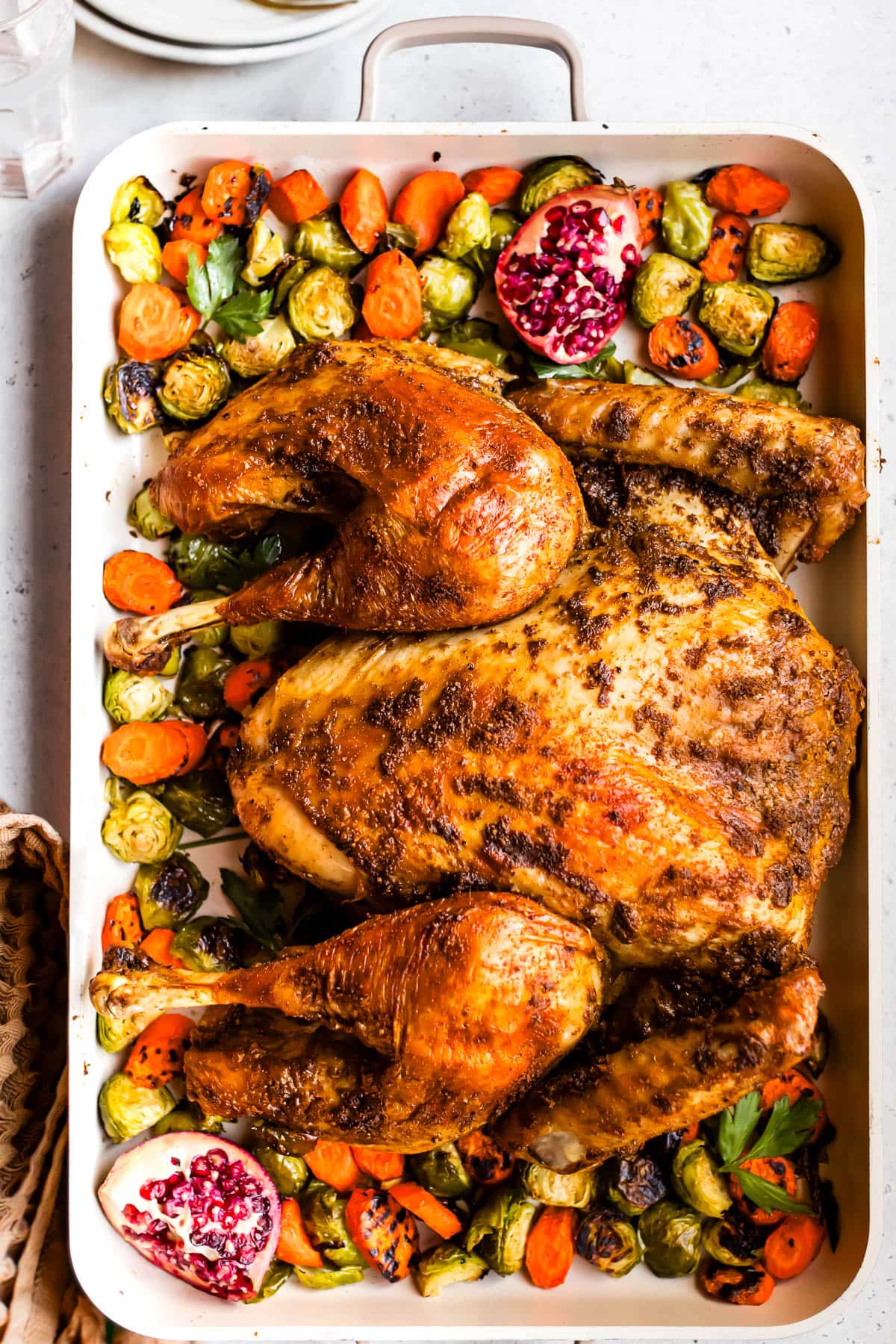
In conclusion, the spatchcock turkey, enhanced by the simple yet effective mayonnaise coating, represents more than just a recipe; it signifies a significant culinary evolution. It addresses long-standing challenges in holiday meal preparation, offering a powerful combination of efficiency, superior results, and reduced stress. As more home cooks discover its undeniable advantages, this innovative approach is poised to firmly establish itself as a modern classic, reshaping how families gather around their holiday tables for generations to come.
