

In an era defined by the transient nature of digital data, the recovery of a lost personal archive after fifteen years represents a rare intersection of technological luck and human ethics. Jodi Ettenberg, a former lawyer and the founder of the travel platform Legal Nomads, recently announced the restoration of her digital history, which had been presumed lost following a 2010 burglary in Brooklyn, New York. This development serves as a focal point for a broader discussion on the impact of chronic illness, the psychology of "living grief," and the role of serendipity in the digital age.
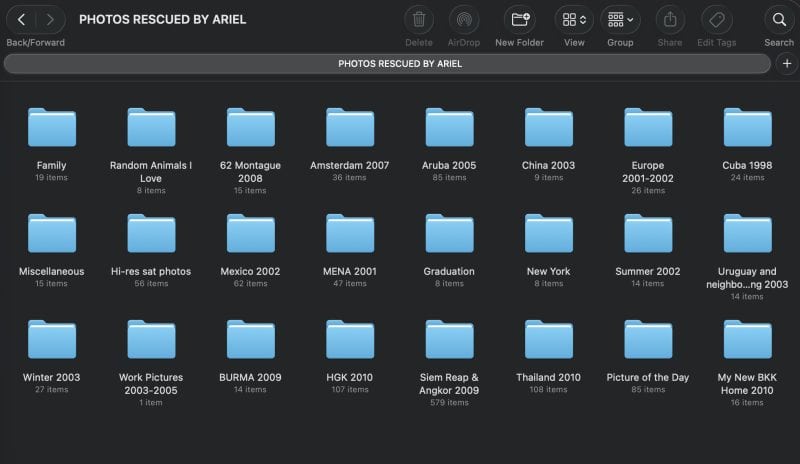
The recovery was facilitated by Ariel, a New York City-based filmmaker who had purchased several external hard drives at a Brooklyn flea market more than a decade ago. Upon discovering the drives contained personal photographs rather than being empty, Ariel chose to preserve the data rather than reformat the devices. This act of digital preservation eventually led to a successful social media outreach campaign that reunited Ettenberg with thousands of images documenting her transition from the legal profession to world travel.
The Chronology of Loss: A Multi-Decade Timeline
The narrative of Ettenberg’s lost memories is inextricably linked to a series of physical and external traumas. To understand the significance of the recovered data, one must examine the timeline of events that shaped her career and health:
- The 1980s: During her childhood in Montreal, Ettenberg suffered a significant fall from a ten-foot metal park structure after an altercation with another child. The resulting injuries included a fractured rib and long-term spinal complications, which Ettenberg later identified as a precursor to her eventual disability.
- 2008: Ettenberg resigned from her position as a corporate lawyer to embark on a one-year sabbatical. This journey led to the creation of Legal Nomads, a site that became a cornerstone of the early travel blogging industry.
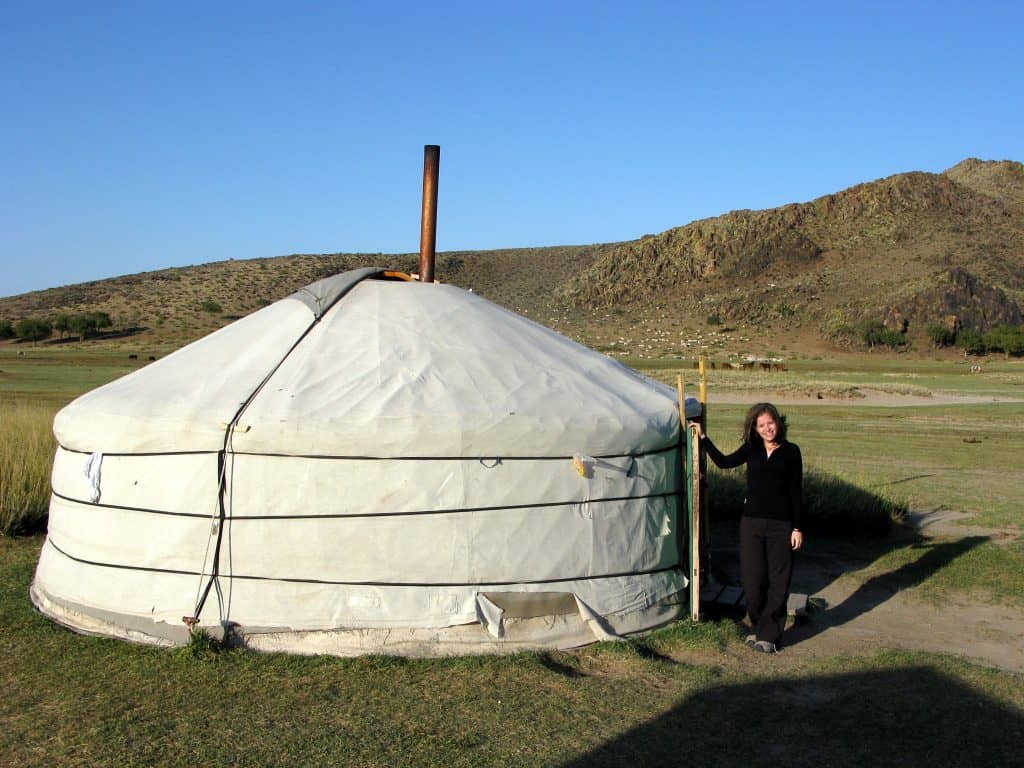
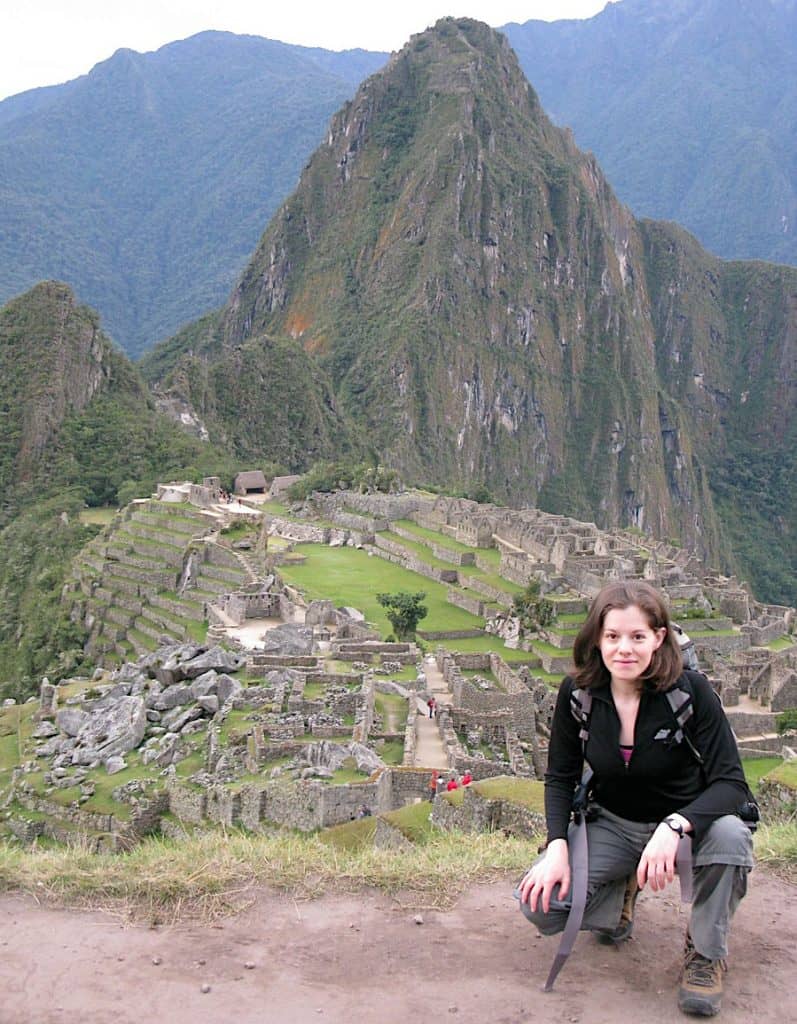
- 2010: While Ettenberg was in Brooklyn, her residence was burgled. The perpetrator stole her laptop and all primary and backup external hard drives. This event resulted in the total loss of her photographic records from 2001 to 2010, including her law school graduation and the first two years of her global travels.
- 2017: A second burglary occurred in Brooklyn. Coincidentally, on the same day, Ettenberg underwent a medical procedure—a lumbar puncture—intended to diagnose a suspected condition. The procedure resulted in an iatrogenic spinal cerebrospinal fluid (CSF) leak, a debilitating condition that rendered her unable to remain upright for extended periods.
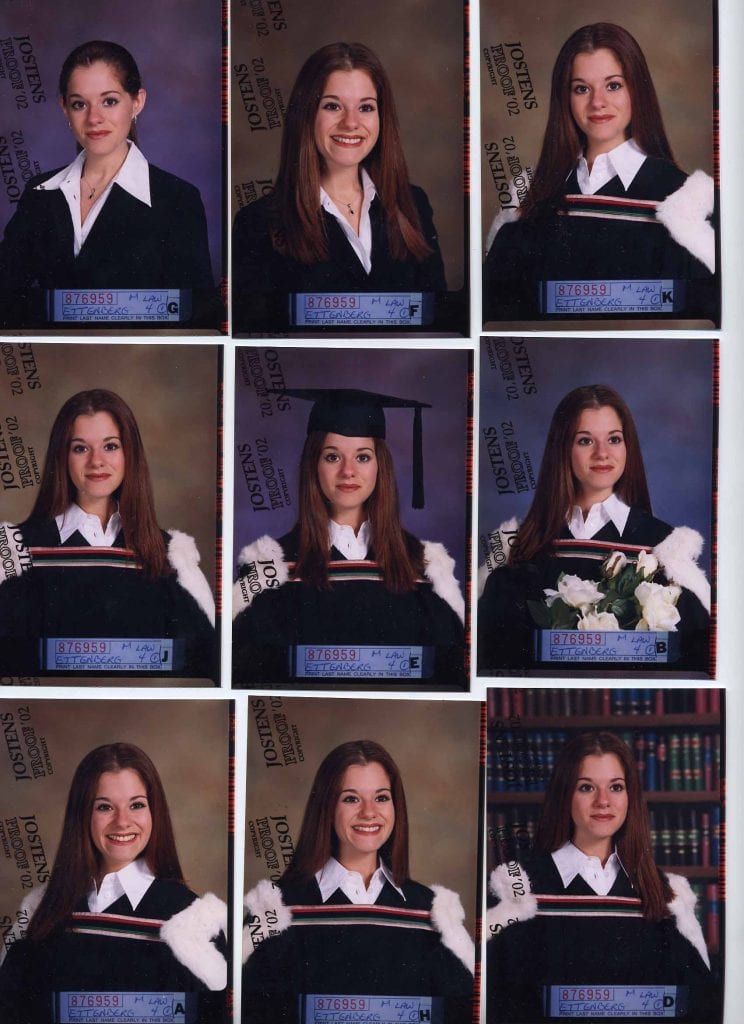
- 2023: Ariel, the filmmaker who had stored the 2010 hard drive data for over a decade, initiated contact via Instagram after identifying Ettenberg through her graduation photos.
Medical Context: Spinal CSF Leaks and Genetic Predispositions
The "living grief" Ettenberg describes is rooted in the physiological reality of a spinal CSF leak. A spinal CSF leak occurs when a hole or tear develops in the dura mater, the outermost layer of the meninges that holds cerebrospinal fluid around the brain and spinal cord. When this fluid escapes, the brain loses its buoyant support, leading to a condition known as intracranial hypotension.
According to the Spinal CSF Leak Foundation, the hallmark symptom is an orthostatic headache, which worsens when upright and improves when lying flat. For patients like Ettenberg, this often results in long-term disability. Her case was further complicated by underlying genetic issues, including Ehlers-Danlos Syndrome (EDS), a group of hereditary connective tissue disorders. EDS is characterized by joint hypermobility, skin hyperextensibility, and tissue fragility, which can make the dura mater more susceptible to tearing and significantly harder to repair through traditional methods like an epidural blood patch.
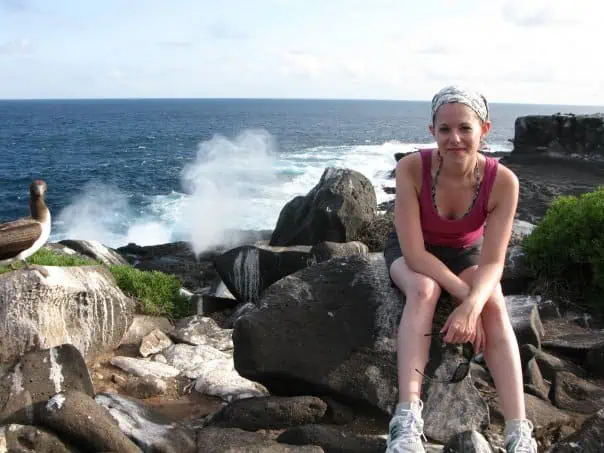
The intersection of these conditions meant that the physical challenges Ettenberg faced while climbing mountains—such as Gunung Rinjani in Indonesia or South Sister in Oregon—were not merely the result of the 1980s fall but were compounded by systemic tissue fragility.

The Framework of Living Grief and Ambiguous Loss
A central theme in Ettenberg’s recent advocacy is the distinction between bereavement and "living grief." While traditional grief follows the finality of death, living grief involves the ongoing loss of function, identity, and autonomy associated with chronic illness.
This concept aligns with the theory of "Ambiguous Loss," a term coined by Dr. Pauline Boss in 1999. Ambiguous loss refers to a state where a person is physically present but psychologically absent (as in dementia) or physically absent but psychologically present (as with a missing person). In the context of chronic disability, the patient experiences a form of ambiguous loss directed at themselves: the person they were is "gone," yet they remain physically present in a fundamentally altered state.
Ettenberg notes that society lacks the rituals and language to support living grief. Unlike the structured communal support offered during bereavement, those with chronic illness often face "othering" or pressure to "recover" on an arbitrary timeline. This lack of validation can lead to social isolation, a phenomenon Ettenberg identifies as "death by a thousand paper cuts."

Data Recovery and the Ethics of Digital Finds
The return of the 2010 archive highlights a significant ethical dilemma in the secondary market for electronics. When Ariel purchased the hard drives at a flea market, he encountered a common scenario: the previous owner (or a third party) had sold hardware containing unencrypted personal data.
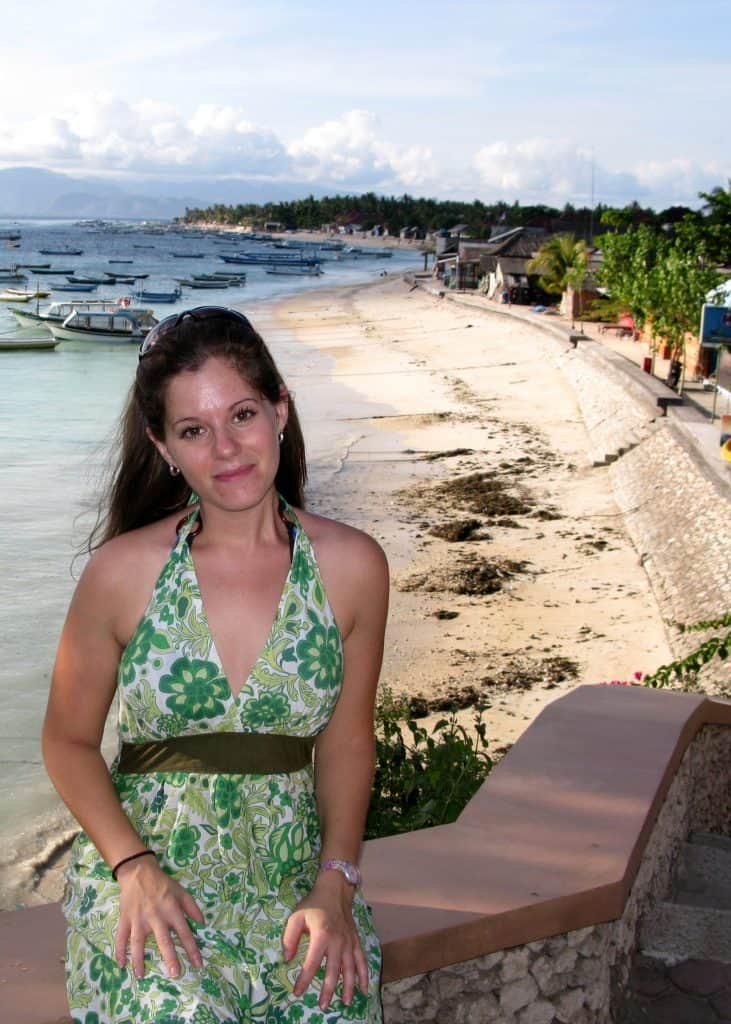
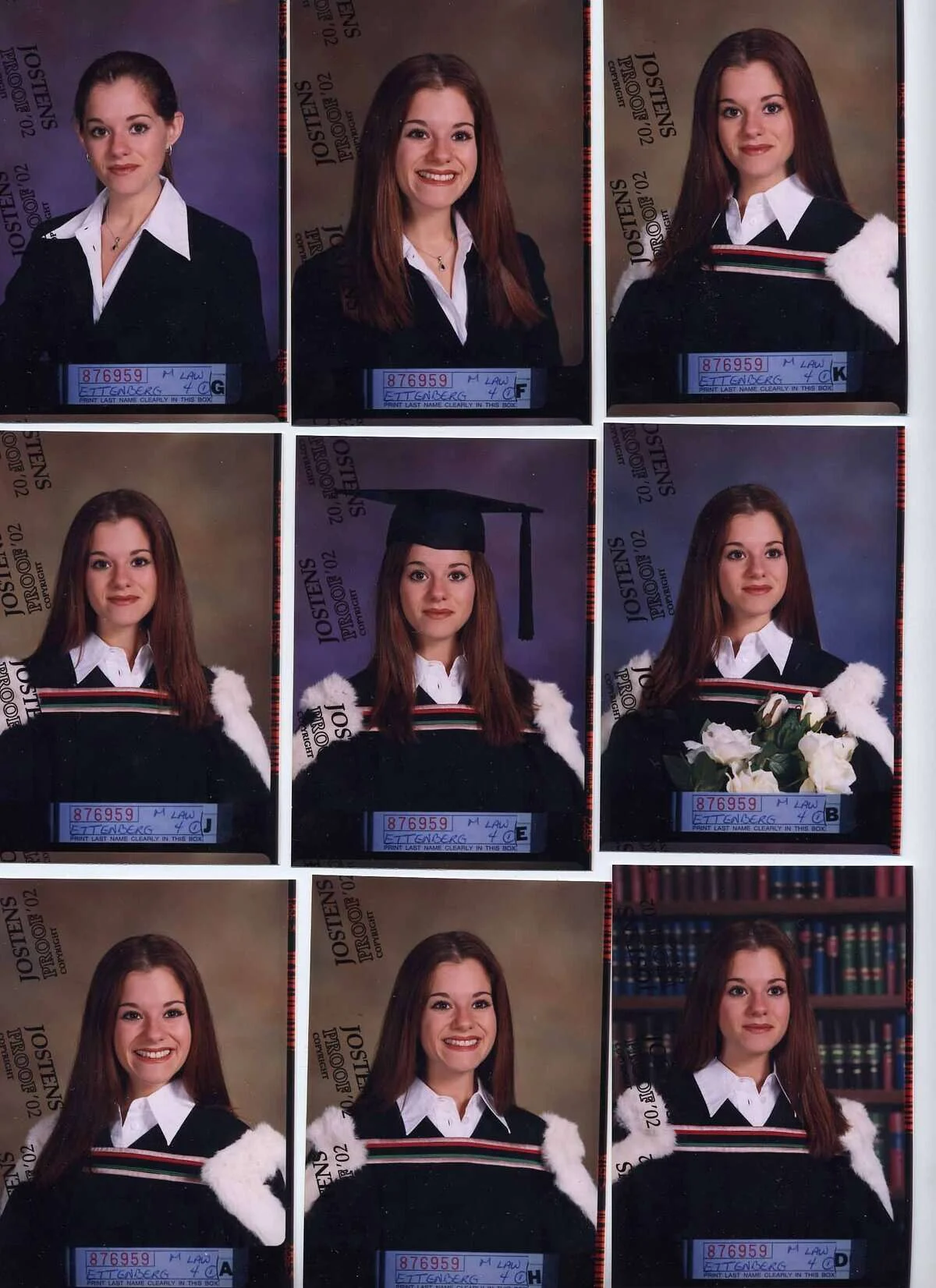
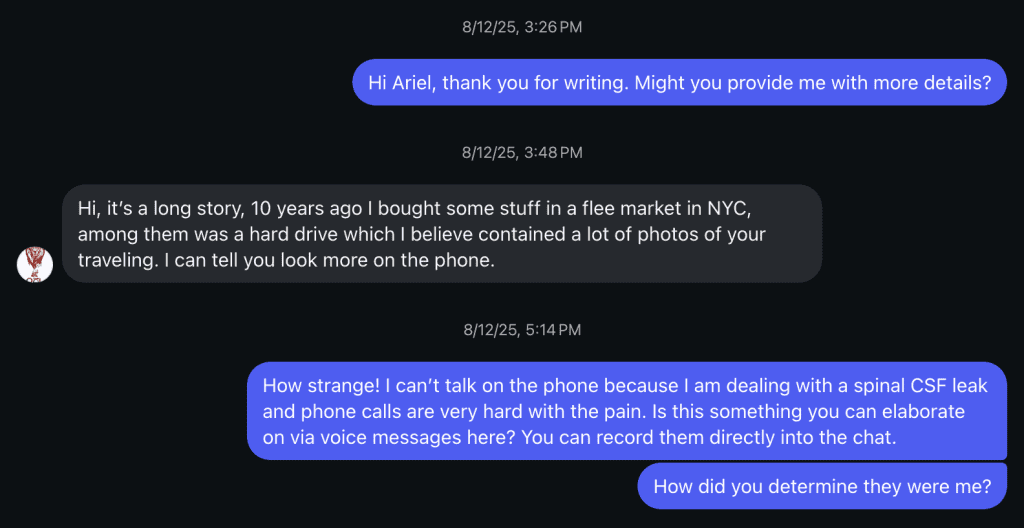
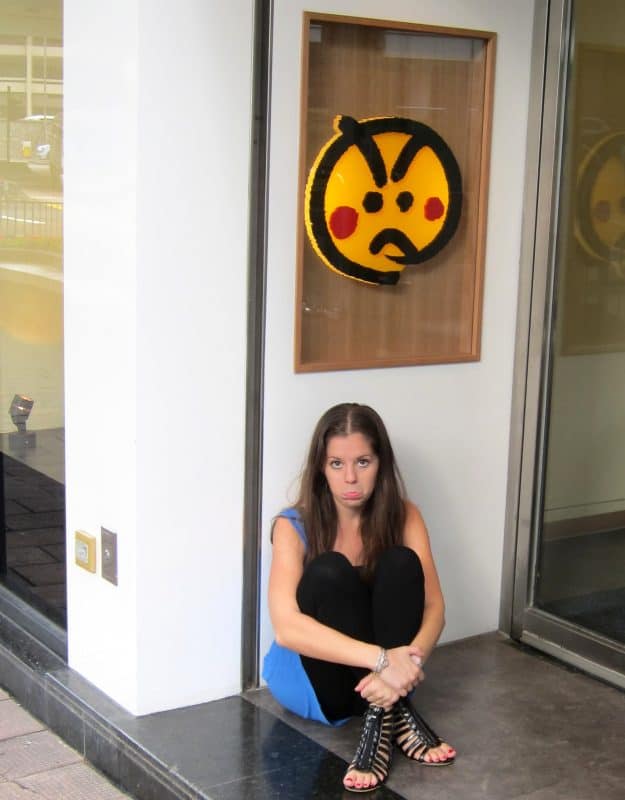
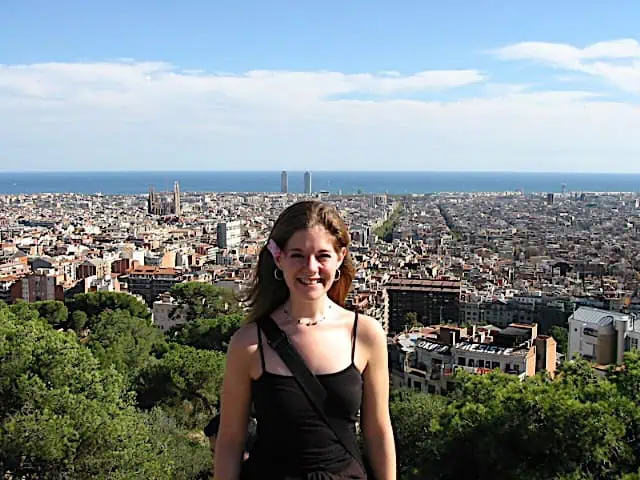
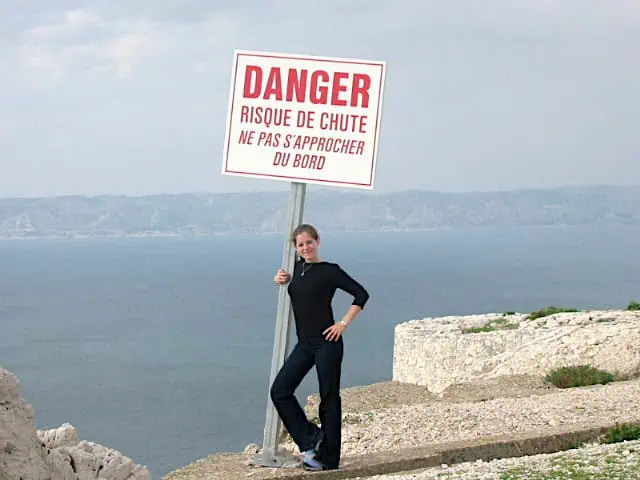
In a standard consumer environment, most abandoned data is deleted or reformatted. Ariel’s decision to back up the data and wait years to find the rightful owner is a departure from typical behavior. The recovery was made possible because Ettenberg’s career as a public writer provided a searchable digital footprint. The filmmaker used proof sheets from her law school graduation—found within the folders—to cross-reference her name and likeness online.

This event underscores the importance of data security and the "right to be forgotten," but also the unexpected benefits of a digital legacy. For Ettenberg, the recovered photos represent a "bright spot" in a month—August—that she previously associated with the anniversary of her disability and the loss of her ability to climb mountains.
Broader Implications for the Chronic Illness Community
The reaction to Ettenberg’s story within the chronic illness and travel communities suggests a broader resonance. For the disabled community, her advocacy provides a rare, articulate voice for the "crisis of meaning" that follows sudden loss of mobility.
From a journalistic perspective, the implications are three-fold:
- The Resilience of Digital Artifacts: Data can survive for decades in the "analog" world of flea markets and storage units, resurfacing through the efforts of ethical actors.
- The Evolution of Patient Advocacy: Ettenberg’s shift from travel writing to medical advocacy (including co-authoring medical papers on CSF leaks) demonstrates how personal tragedy can be leveraged into systemic change.
- Societal Gaps in Disability Support: The "blame the patient" narrative often found in chronic illness discourse highlights a need for better public education regarding invisible disabilities and the limitations of "willpower" in the face of physiological failure.
Conclusion: A Shift in Perspective
The recovery of these memories has allowed Ettenberg to reconcile her past as an adventurer with her present reality as a patient. While her "leakaversary" in late August remains a period of difficulty, the arrival of the 2010 archive has served as a catalyst for a new form of acceptance.

As Ettenberg approaches her 47th birthday, her focus has shifted from the physical mountains she can no longer climb to the metaphorical ones of advocacy and community building. The return of her "lost" decade serves as a reminder that while some losses in chronic illness are permanent, others can be mitigated by the unexpected intervention of others. The story stands as a testament to the fact that even in a life restricted by the boundaries of a bed, the "forward motion" of human connection remains possible.
