

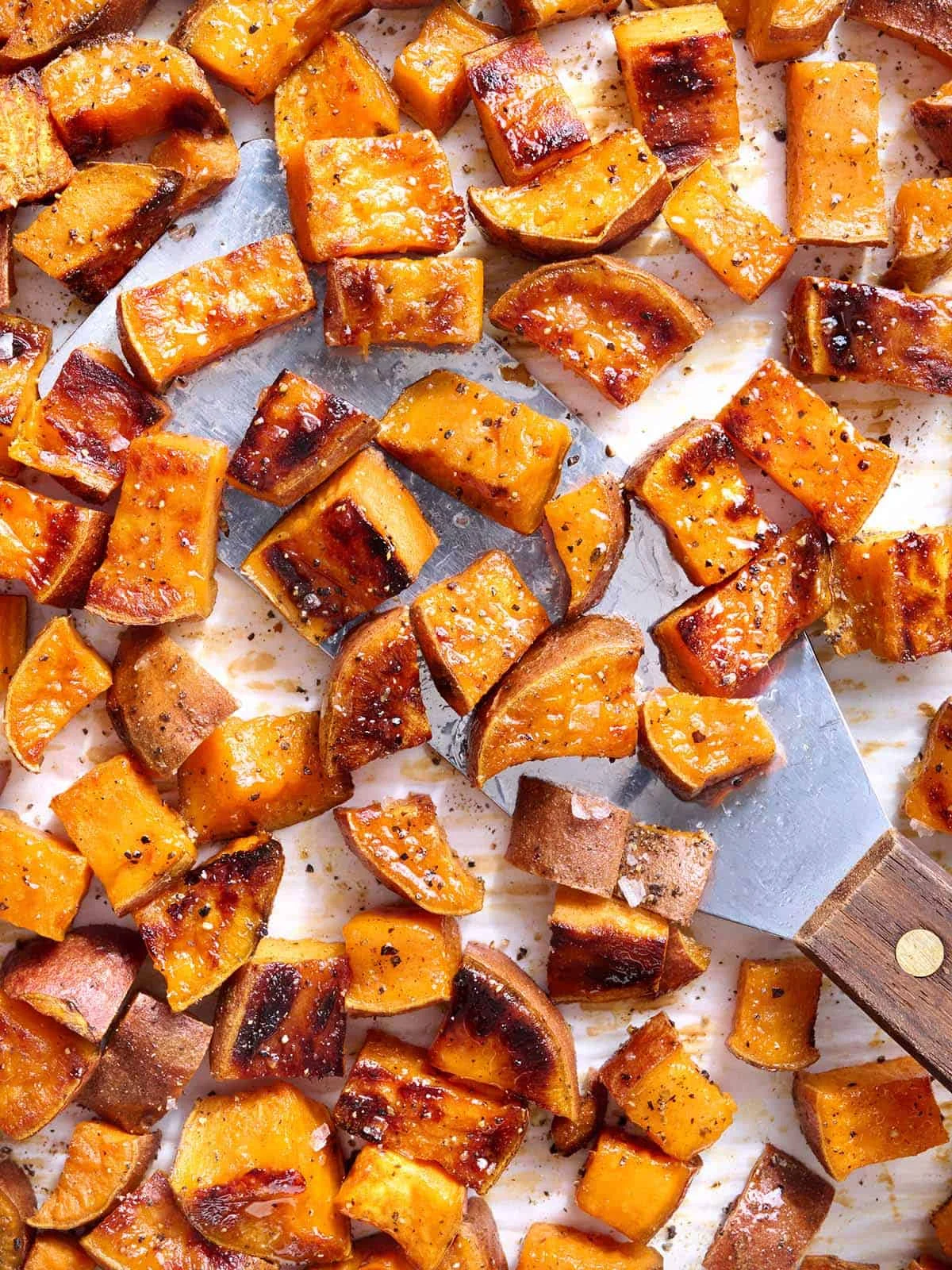
The Nashville Test Kitchen has finalized a standardized methodology for producing roasted sweet potatoes that achieve a specific culinary profile characterized by caramelized exterior edges and a soft, creamy internal texture without the use of additives such as cornstarch or preliminary steps like parboiling. This technique, developed by culinary professional Jess Rice, emphasizes the importance of thermal management and moisture control to ensure high-quality results for home cooks operating on a budget. By utilizing a high-heat environment of 450°F and a preheated roasting surface, the process maximizes the Maillard reaction—the chemical reaction between amino acids and reducing sugars that gives browned food its distinctive flavor. The resulting dish is positioned as a foundational element for versatile meal planning, offering a nutrient-dense side dish that costs less than $3.00 for a full four-serving batch.
Technical Methodology and Culinary Chronology
The success of the roasted sweet potato rests on a precise sequence of preparation and thermal application. According to the Nashville Test Kitchen’s findings, the process requires approximately 40 minutes from the initial preparation to the final plating. The chronology of the recipe is designed to prioritize efficiency and texture.
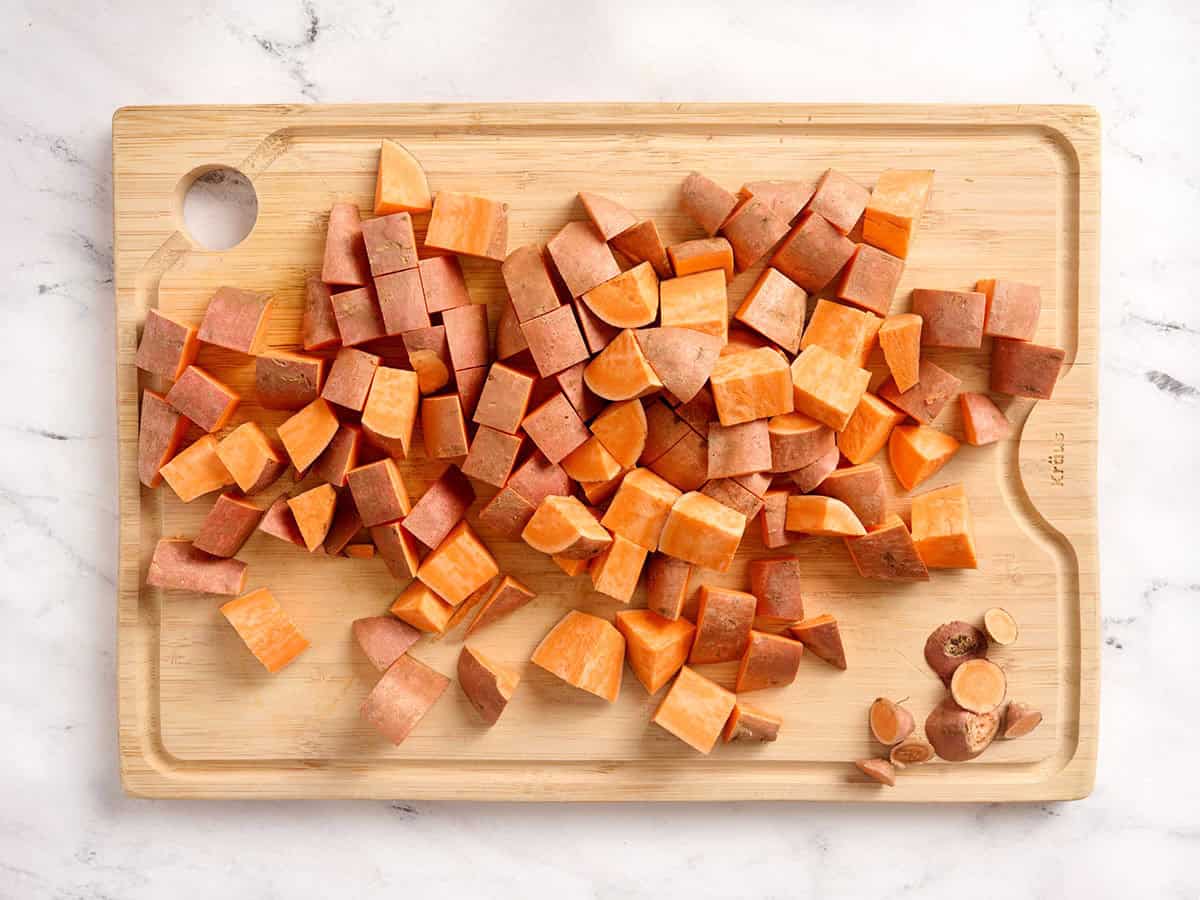
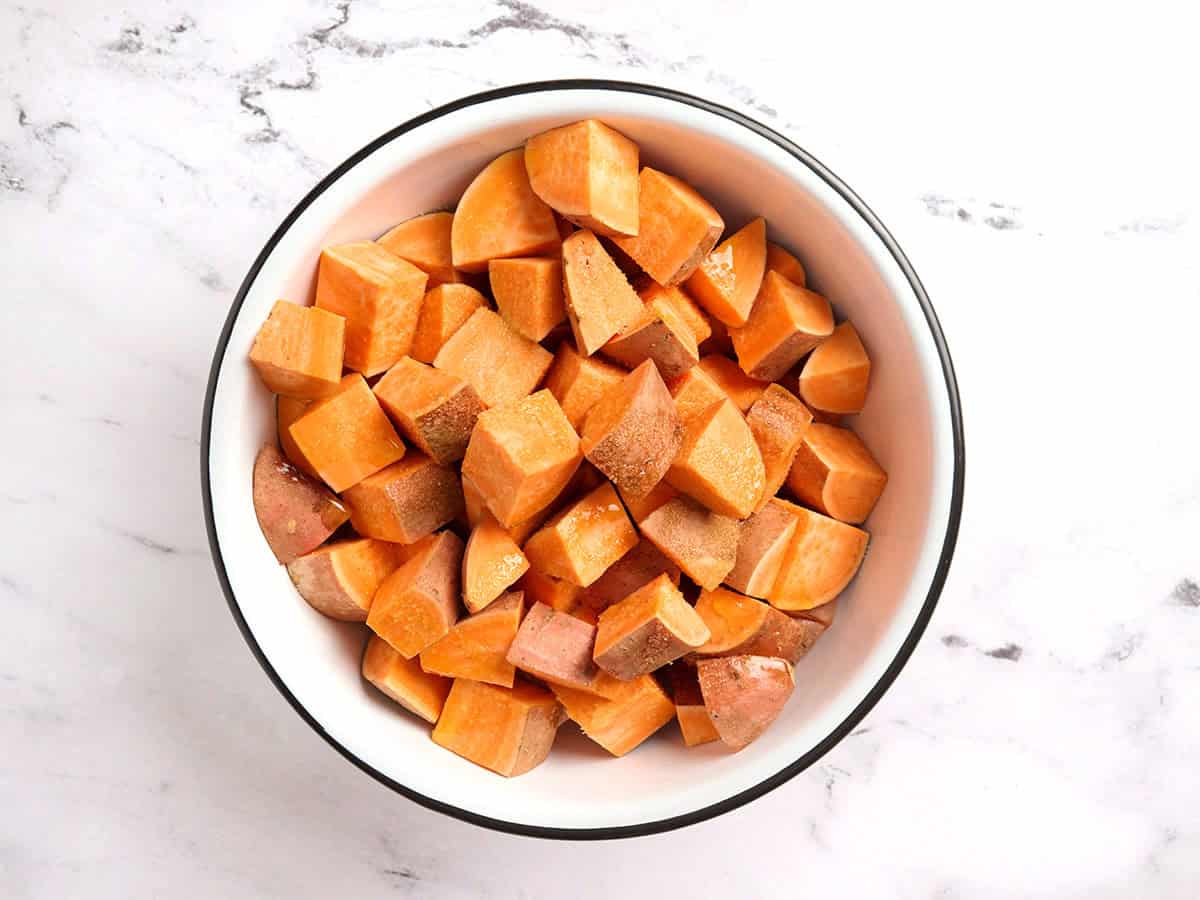
The first phase involves rigorous preparation of the raw tuber. The potatoes, typically totaling two pounds for a standard batch, must be scrubbed to remove soil while retaining the skin, which provides structural integrity and additional fiber. A critical step identified by the test kitchen is the thorough drying of the potatoes after washing. Residual surface moisture is the primary deterrent to browning; moisture creates a localized steam environment that prevents the surface temperature from rising high enough to initiate caramelization. Once dried, the potatoes are trimmed of their tapered ends—which are prone to burning due to their low mass—and cut into uniform cubes ranging from 1/2 to 1 inch. Uniformity is essential to ensure that all pieces reach the desired internal temperature simultaneously.
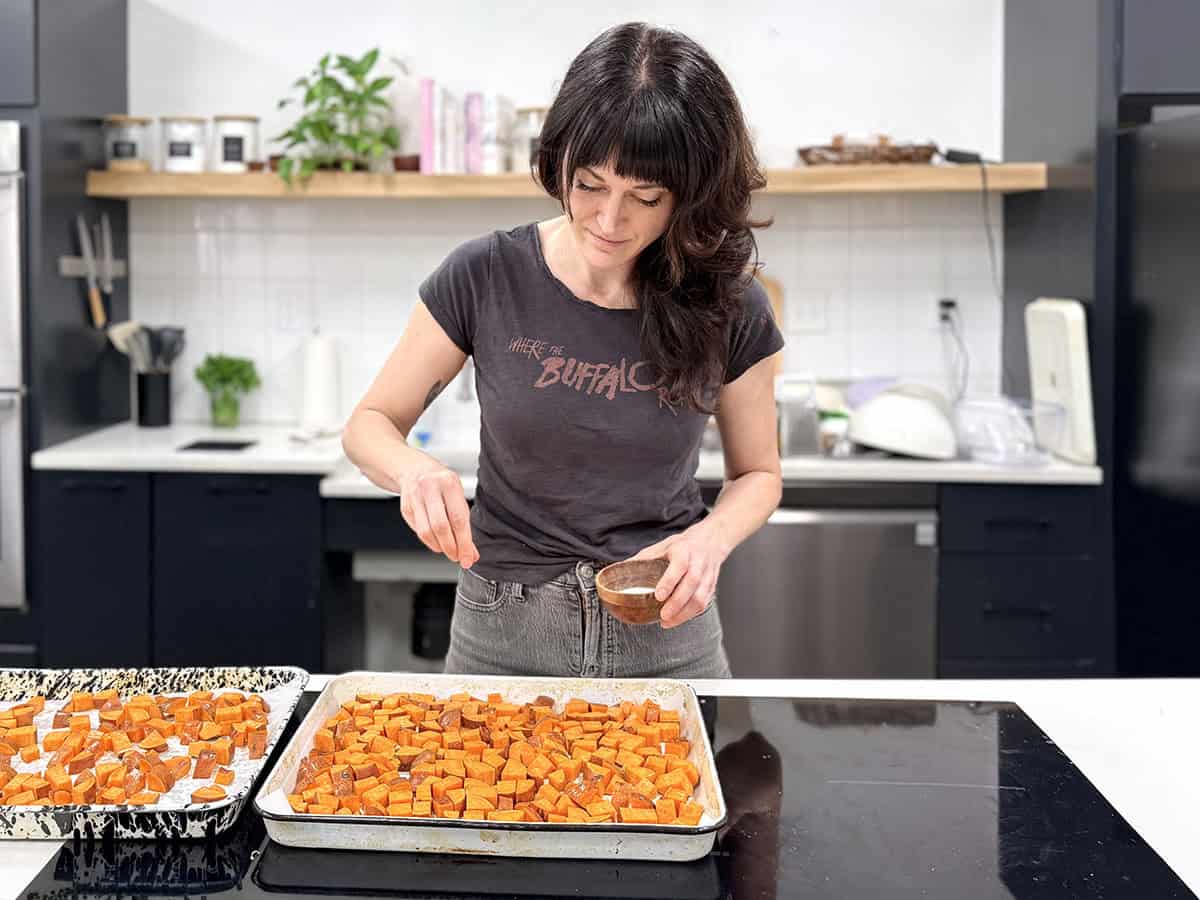
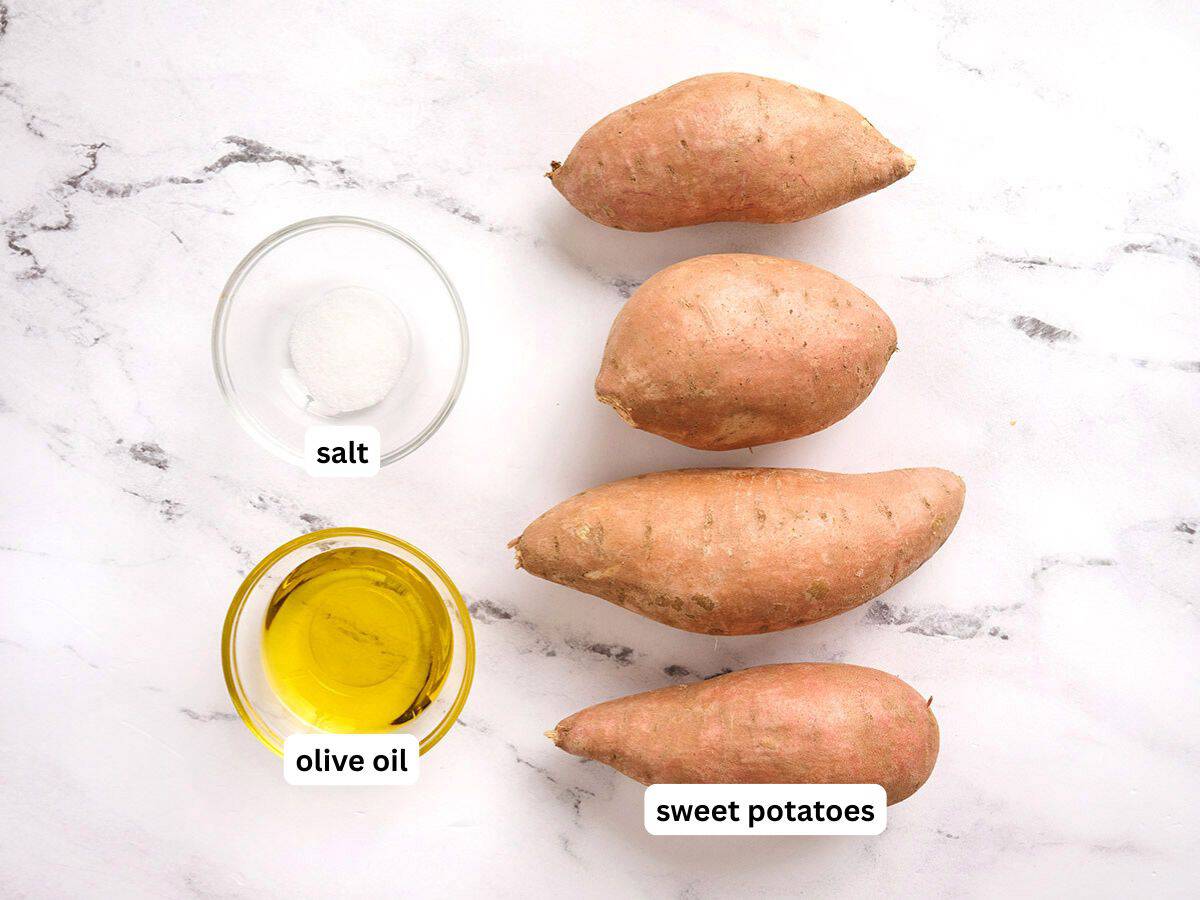
The second phase is the application of lipids and seasoning. The cubes are tossed in a large mixing bowl with two tablespoons of olive oil and a half-teaspoon of salt. The oil serves three functions: it acts as a heat transfer medium, encourages browning, and ensures that seasonings adhere to the surface of the potato. While the base recipe remains minimalist to ensure affordability, it serves as a canvas for various flavor profiles, including smoked paprika, garlic powder, or cumin.
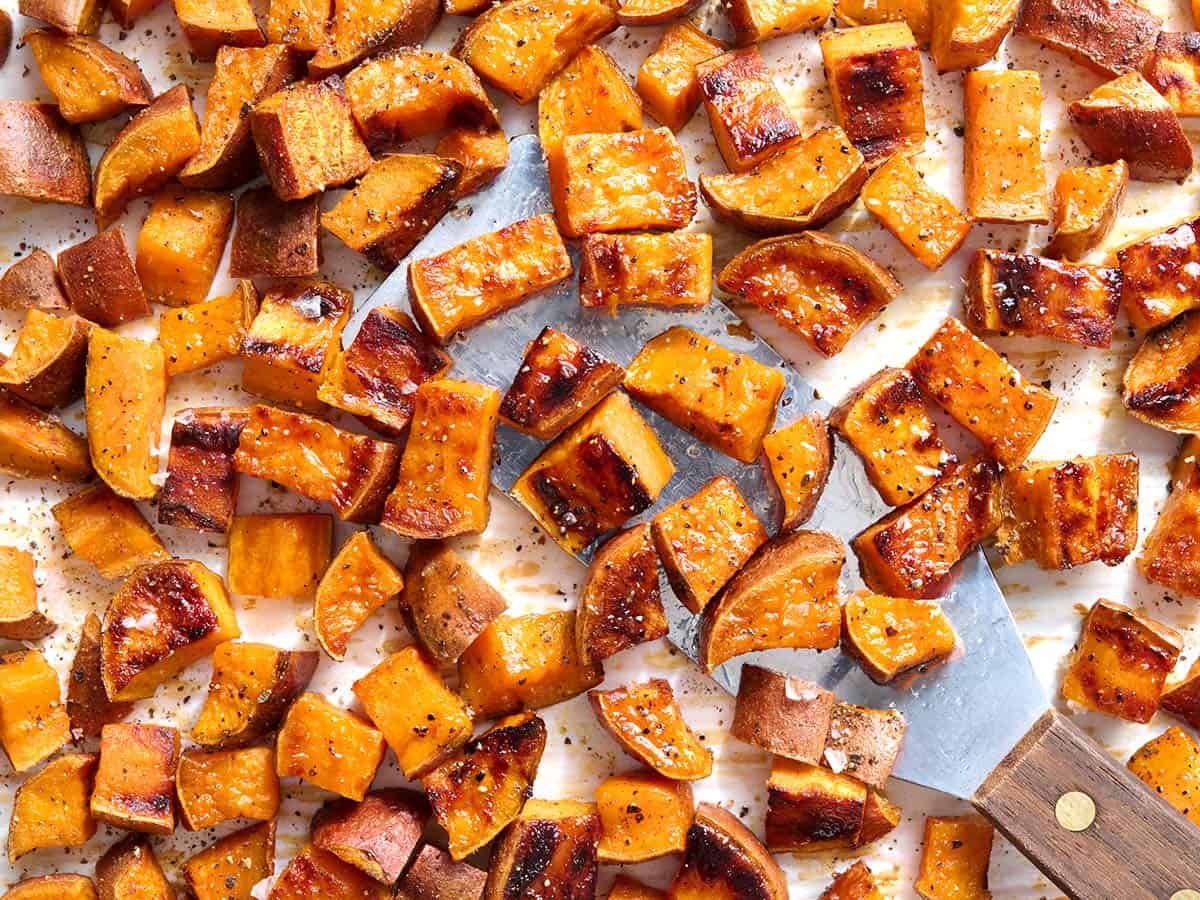
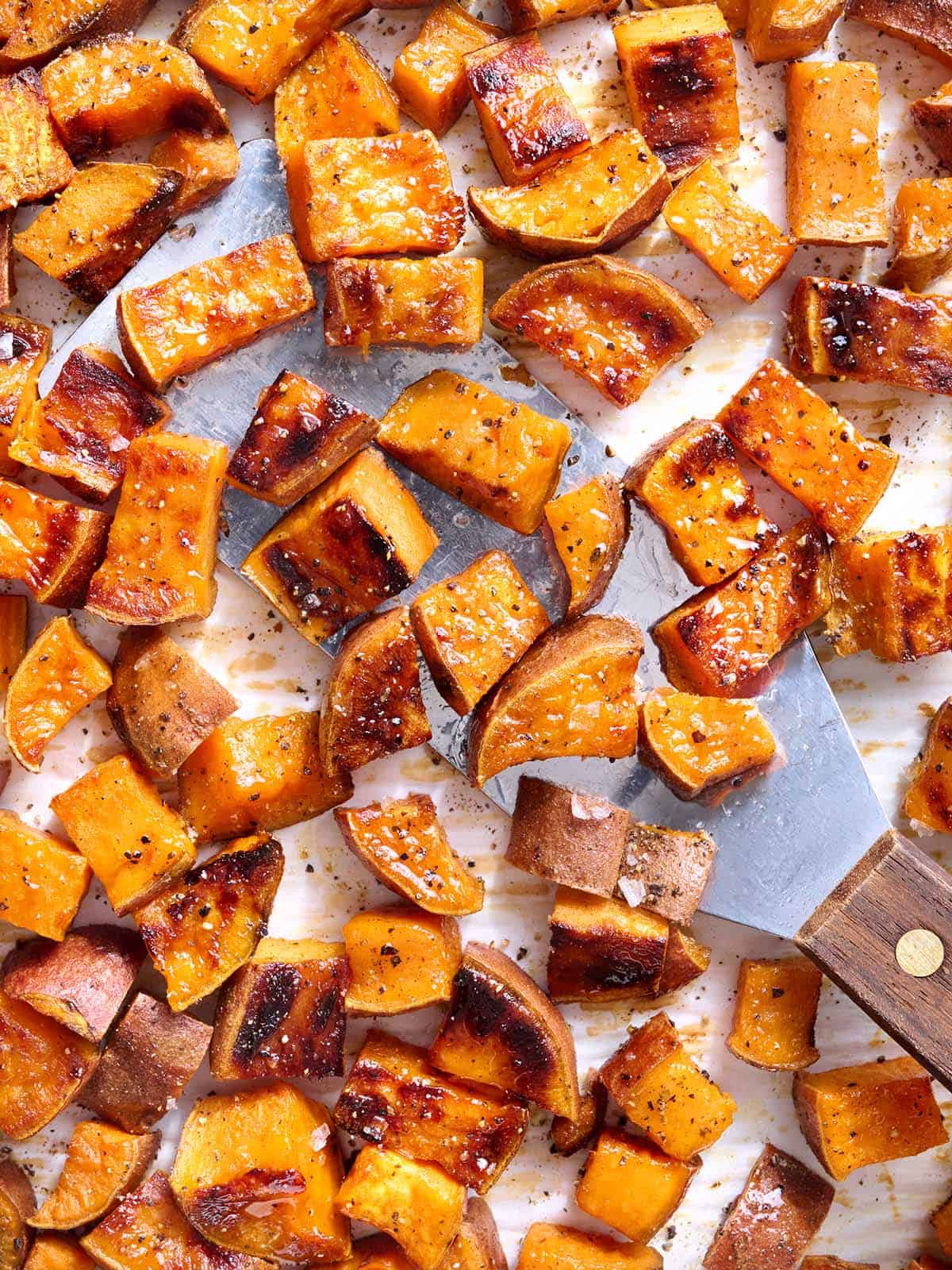
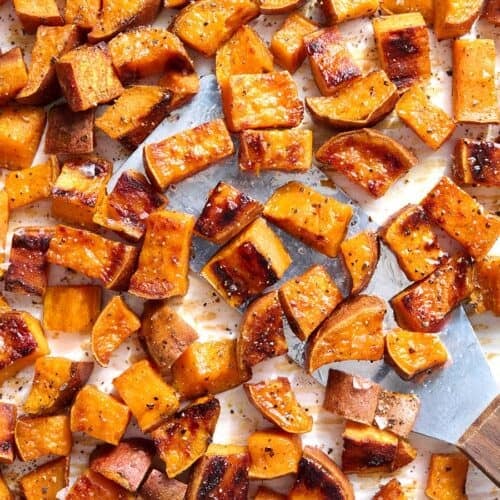
The final phase is the roasting process. The methodology requires the placement of a metal sheet pan in the oven during the preheating stage. When the oiled potatoes make contact with the preheated 450°F metal, the searing process begins immediately, giving the first side a "head start" on browning. The potatoes are arranged in a single layer with visible space between each cube to allow for proper air circulation. Crowding the pan leads to "stewing" rather than roasting. The potatoes undergo an initial 15-minute roast, followed by a single flip using a thin spatula, and a final 10-minute roast to complete the softening of the centers and the crisping of the edges.
Economic Analysis and Cost Efficiency
In an era of fluctuating food prices, the Nashville Test Kitchen highlights the economic viability of the sweet potato as a staple carbohydrate. The total cost for the four-serving recipe is calculated at approximately $2.63, which translates to a cost-per-serving of $0.66. This pricing model makes the dish significantly more affordable than processed carbohydrate alternatives or restaurant-prepared side dishes.
The affordability of the dish is attributed to the low number of required ingredients. By utilizing only sweet potatoes, olive oil, and salt, the recipe avoids the "hidden costs" of specialty binders or sweeteners. Sweet potatoes themselves are recognized as a high-yield crop with a long shelf life, reducing the likelihood of food waste—a major factor in household food expenditures. When compared to the cost of a standard restaurant side dish, which can range from $5.00 to $9.00, the home-prepared version offers a 90% reduction in cost while maintaining, or exceeding, the nutritional value.
Nutritional Profile and Health Implications
Beyond its economic benefits, the roasted sweet potato is a significant source of essential nutrients. According to nutritional data provided by the test kitchen, a single serving contains approximately 257 calories, 46 grams of carbohydrates, and 7 grams of dietary fiber. The high fiber content is particularly noteworthy, as it represents roughly 29% of the recommended daily value, contributing to digestive health and sustained satiety.
The orange hue of the sweet potato is indicative of its high beta-carotene content, a precursor to Vitamin A. Furthermore, the vegetable provides substantial amounts of Vitamin C and potassium. Unlike many prepared vegetable dishes that rely on added sugars to enhance palatability, this roasting method relies on the natural sugars within the potato. The high-heat roasting process concentrates these sugars through dehydration and caramelization, making the dish naturally sweet and appealing to a wide demographic, including children, without the need for supplemental sweeteners.
For individuals managing specific dietary requirements, the dish is inherently compliant with several major dietary frameworks. It is naturally vegan, gluten-free, dairy-free, soy-free, and egg-free, making it a "safe" and versatile option for communal dining and meal prep for diverse households.
Test Kitchen Insights and Professional Standards
The development of this recipe was led by Jess Rice, a culinary professional with a background in food theory and classic techniques. Rice’s experience as a Chef Professor at Niagara College and her work in the Nashville restaurant scene informed the rigorous testing process. Every recipe produced by the Nashville Test Kitchen undergoes multiple iterations to ensure that variables such as oven temperature fluctuations and pan materials are accounted for.
"To get these roasted sweet potatoes perfectly browned and caramelized, I preheat a metal sheet pan so it’s already hot when the oiled cubes go in," Rice noted during the development phase. She emphasized that while parchment paper or aluminum foil can be used for easier cleanup, bare metal provides the most significant sear. The kitchen’s focus on "back-pocket" recipes—dishes that are simple enough to be memorized and executed with minimal equipment—is a response to the growing demand for home-cooked meals that do not require extensive labor after a standard workday.
The test kitchen also addressed the role of sweet potatoes in pediatric nutrition. Rice observed that the natural sweetness and vibrant color of the roasted cubes often serve as an entry point for children to consume more fiber and vitamins. By avoiding the common practice of adding marshmallows or brown sugar, the recipe establishes a palate for whole, unrefined foods.
Versatility in Meal Planning and Storage
The roasted sweet potato is categorized as a "power base" for meal prepping. Its structural integrity allows it to be paired with various proteins and greens without becoming mushy. The test kitchen suggests several pairing strategies:
- Omnivore Option: Pairing the potatoes with pan-seared chicken breasts and sautéed green beans for a balanced dinner.
- Vegetarian Option: Combining the cubes with a kale salad featuring walnuts and a Dijon vinaigrette, where the acidity of the dressing balances the sweetness of the potato.
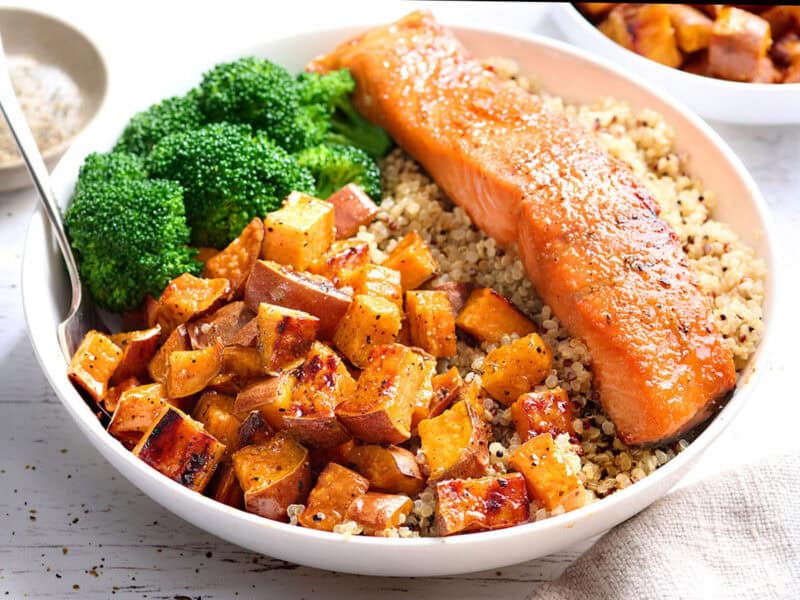
- Grain Bowls: Using the potatoes as a carbohydrate component in quinoa or rice bowls, often referred to as "power bowls."
For long-term utility, the Nashville Test Kitchen provided specific guidelines for storage and reheating to maintain the dish’s quality. Leftovers should be cooled to room temperature before being placed in an airtight container to prevent condensation, which causes sogginess. They can be refrigerated for three to four days. For reheating, the air fryer or oven is recommended over the microwave to restore the original texture. Additionally, the cubes can be frozen for up to three months. The kitchen advises "flash freezing" the cubes in a single layer on a tray before transferring them to a bag to prevent them from clumping together.
Broader Implications for Home Cooking
The standardization of the roasted sweet potato recipe reflects a broader trend in the culinary world toward "essentialism"—the mastery of basic ingredients through superior technique. As consumers become more educated about the science of cooking, there is a shift away from complex, ingredient-heavy recipes toward those that highlight the natural qualities of the food.
The Nashville Test Kitchen’s work demonstrates that high-quality, chef-standard results are achievable in a domestic setting without specialized equipment. By focusing on the physics of heat and the chemistry of browning, the kitchen empowers home cooks to produce meals that are both nutritionally superior and economically sustainable. This approach not only addresses the immediate need for affordable dinner solutions but also contributes to a more informed and capable population of home cooks. As food costs continue to be a primary concern for many families, the ability to transform a humble, $0.60 serving of vegetables into a centerpiece of a meal remains a vital skill in the modern culinary landscape.
