

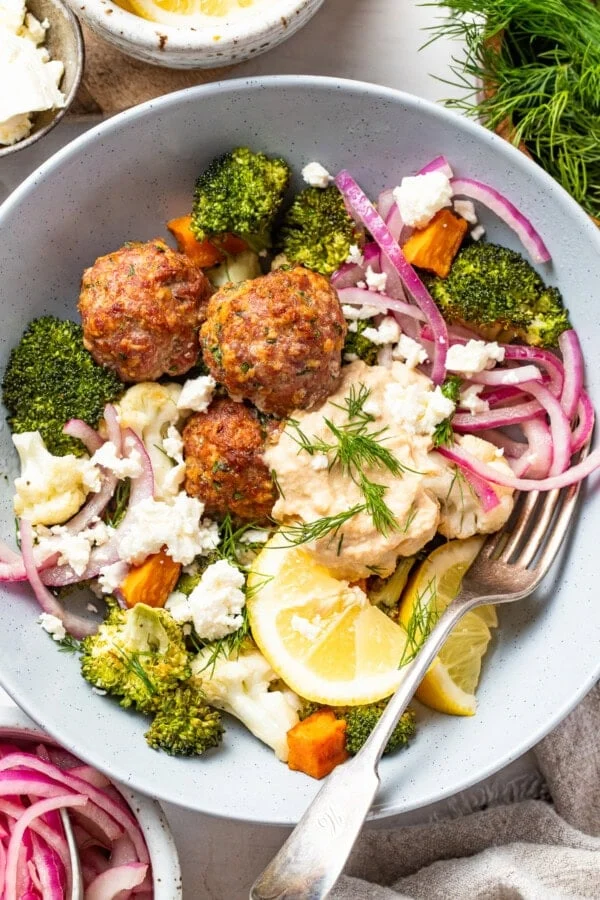
The culinary landscape is consistently evolving, driven by consumer demand for meals that blend health, convenience, and vibrant flavors. A prime example of this trend is the emergence of high-protein Mediterranean Meatball Bowls, a dish designed to integrate juicy turkey meatballs with a rich assortment of roasted sweet potatoes, cauliflower, and broccoli, complemented by creamy hummus and the piquant brightness of pickled red onions. This particular rendition, noted for its high-fiber content and meal-prep friendly attributes, exemplifies a growing segment of home cooking focused on nutritious yet accessible dinner solutions.
The inspiration for such culinary creations often stems from popular dining experiences. In this instance, the Mediterranean Meatball Bowls draw significant influence from the fast-casual restaurant chain CAVA, known for its customizable bowls featuring fresh Mediterranean ingredients. The goal of this home-cooked version is to replicate the bold, satisfying elements of CAVA’s offerings within an easy, weeknight-friendly format, primarily utilizing the efficiency of sheet pan cooking. By opting for a base of roasted vegetables instead of grains, the recipe inherently becomes grain-free, further enhancing its appeal to various dietary preferences while remaining hearty and rich in essential nutrients.

The Enduring Appeal of the Mediterranean Diet and Meal Preparation
The popularity of dishes like the Mediterranean Meatball Bowls is deeply rooted in broader dietary and lifestyle trends. The Mediterranean diet, consistently ranked among the healthiest eating patterns globally, forms the foundational health philosophy. This dietary approach emphasizes plant-based foods such as vegetables, fruits, whole grains, legumes, and nuts, with a moderate intake of fish and poultry, and limited consumption of red meat and processed foods. Olive oil is the primary source of fat. Its proven benefits include improved cardiovascular health, reduced risk of chronic diseases like type 2 diabetes and certain cancers, and enhanced longevity. The diet’s emphasis on fresh, unprocessed ingredients aligns perfectly with the nutritional profile of the meatball bowls, which are rich in diverse vegetables and lean protein from turkey.
Beyond its health credentials, the Mediterranean Meatball Bowls also tap into the burgeoning meal preparation (meal prep) movement. In an increasingly fast-paced world, individuals and families are seeking efficient strategies to maintain healthy eating habits without sacrificing time. Meal prepping involves preparing meals or components of meals in advance, typically for several days, to save time during busy weekdays. The sheet pan method, a cornerstone of this recipe, is inherently conducive to meal prep. By cooking all main components on a single sheet, the process simplifies cooking and cleanup, making it an ideal choice for batch cooking. Prepared bowls can be portioned and stored, offering convenient, ready-to-eat meals throughout the week, significantly reducing the temptation for less healthy, spontaneous food choices.

Sheet Pan Cooking: A Revolution in Weeknight Efficiency
The sheet pan cooking technique is central to the accessibility and convenience of these Mediterranean Meatball Bowls. This method involves cooking multiple ingredients—often protein and vegetables—on a single baking sheet, typically in the oven. Its primary advantages include minimal cleanup, as only one pan requires washing, and simplified cooking, as ingredients cook simultaneously. This "one-pan wonder" approach significantly reduces active cooking time, allowing home cooks to prepare nutritious meals with less effort. For the Mediterranean Meatball Bowls, the turkey meatballs, sweet potatoes, cauliflower, and broccoli all roast together, developing caramelized flavors and tender textures while requiring minimal oversight. This efficiency makes it an invaluable strategy for busy individuals seeking to incorporate wholesome, home-cooked meals into their routines.
Nutritional Profile and Ingredient Breakdown

The careful selection of ingredients for the Mediterranean Meatball Bowls contributes to their robust nutritional profile, emphasizing high protein and high fiber, while remaining grain-free.
- Turkey Meatballs: Ground turkey serves as a lean protein source, offering essential amino acids vital for muscle repair, growth, and overall bodily functions. Unlike traditional beef meatballs, turkey provides a lower saturated fat content, aligning with heart-healthy dietary recommendations. The recipe’s focus on "juicy" meatballs indicates attention to preparation methods that retain moisture, ensuring a palatable and satisfying protein component.
- Roasted Vegetables: Sweet potatoes, cauliflower, and broccoli form the core vegetable medley.
- Sweet Potatoes: A rich source of complex carbohydrates, dietary fiber, vitamin A (in the form of beta-carotene), and vitamin C. They contribute natural sweetness and a creamy texture when roasted.
- Cauliflower: A versatile cruciferous vegetable packed with fiber, vitamin C, vitamin K, and various B vitamins. Its mild flavor readily absorbs seasonings and provides a satisfying texture.
- Broccoli: Another nutrient-dense cruciferous vegetable, high in fiber, vitamins C and K, iron, and potassium. It offers significant antioxidant and anti-inflammatory benefits.
The combination of these vegetables ensures a diverse intake of vitamins, minerals, and a substantial amount of dietary fiber, crucial for digestive health and satiety.
- Creamy Hummus: A staple of Mediterranean cuisine, hummus (made from chickpeas, tahini, lemon juice, and olive oil) adds a creamy texture, healthy monounsaturated fats, plant-based protein, and additional fiber. It contributes a distinctive flavor profile and helps to bind the various components of the bowl.
- Pickled Red Onions: These provide a crucial element of brightness and acidity, cutting through the richness of the meatballs and hummus. Pickling also introduces a tangy flavor and can enhance the digestibility of onions.
The reported nutritional data for a serving (3 meatballs, 1.5 cups vegetables) includes approximately 489.5 kcal, 37g carbohydrates, 33.5g protein, 24.5g fat (with 6.5g saturated fat), 140.5mg cholesterol, 974mg sodium, 7.5g fiber, and 7g sugar. This profile underscores the meal’s effectiveness as a high-protein, high-fiber option, while remaining mindful of overall calorie and fat content. The substantial protein and fiber content are particularly notable for promoting satiety and supporting stable blood sugar levels.
Streamlined Preparation: A Step-by-Step Overview

The preparation of these Mediterranean Meatball Bowls is designed for simplicity, leveraging the sheet pan for maximum efficiency. The process can be summarized as follows:
- Meatball Preparation: Ground turkey is combined with various seasonings and binders to form meatballs. This mixture is then shaped and placed on one section of a prepared baking sheet.
- Vegetable Roasting: Diced sweet potatoes, cauliflower florets, and broccoli florets are tossed with olive oil and seasonings. These vegetables are spread on another section of the same baking sheet, alongside the meatballs.
- Oven Roasting: The sheet pan is then placed in a preheated oven, allowing the meatballs to cook through and the vegetables to become tender and slightly caramelized. The consistent oven temperature ensures even cooking for all components.
- Pickled Red Onions: While the main components are roasting, quick pickled red onions are prepared. This typically involves thinly slicing red onions and marinating them briefly in a mixture of vinegar, water, sugar, and salt, creating a tangy condiment that adds a crucial layer of flavor and texture.
- Assembly: Once cooked, the roasted meatballs and vegetables are combined in bowls. A generous scoop of creamy hummus is added, and the dish is crowned with the freshly pickled red onions. Additional garnishes, such as fresh herbs or a drizzle of olive oil, can further enhance the presentation and flavor.
This methodical approach minimizes hands-on time and utilizes parallel cooking steps, embodying the efficiency desired in modern home kitchens.
Adaptability and Customization

The inherent flexibility of bowl-style meals allows for numerous variations, enabling home cooks to tailor the Mediterranean Meatball Bowls to their specific tastes, dietary needs, or available ingredients.
- Protein Alternatives: While turkey is specified, ground chicken or even a lean ground beef could be substituted for the meatballs, offering different flavor profiles and nutritional nuances. For a vegetarian or vegan version, plant-based meatballs made from lentils, chickpeas, or mushrooms could be employed.
- Vegetable Substitutions: The roasted vegetable medley is highly adaptable. Bell peppers, zucchini, asparagus, Brussels sprouts, or even eggplant could be incorporated or swapped based on seasonal availability or personal preference. The goal is to maintain a diverse and colorful array of nutrient-rich vegetables.
- Hummus Variations: Beyond classic hummus, roasted red pepper hummus, garlic hummus, or even a spicy sriracha hummus could introduce different flavor dimensions. For those avoiding chickpeas, a white bean dip or a dairy-free tzatziki could serve a similar creamy function.
- Additional Toppings: The bowls can be further enriched with a variety of toppings. Crumbled feta cheese or goat cheese adds a tangy, salty element. Chopped fresh herbs like parsley, cilantro, or mint enhance freshness. A sprinkle of toasted sesame seeds or chopped nuts could provide extra crunch and healthy fats. A lemon-tahini dressing or a light vinaigrette could also be drizzled over the top for added moisture and flavor.
- Grain Integration: While the recipe emphasizes a grain-free base, individuals desiring a more traditional bowl could add a serving of cooked quinoa, couscous, or brown rice beneath the roasted vegetables, increasing the carbohydrate content and satiety.
Storage and Meal Prep Optimization
For those leveraging this recipe for meal preparation, effective storage is key to maintaining freshness and flavor. All components of the Mediterranean Meatball Bowls are designed to store well, typically lasting up to four days in the refrigerator.

- Separate Storage: For optimal freshness and to prevent ingredients from becoming soggy, it is often recommended to store components separately. Roasted meatballs and vegetables can be stored together in airtight containers. Hummus should be stored in its own container, and pickled red onions should remain in their pickling liquid.
- Portioned Containers: For on-the-go lunches or quick dinners, portioning the cooked components into individual meal prep containers is highly efficient. This allows for quick retrieval and reheating.
- Reheating: The meatballs and roasted vegetables can be gently reheated in a microwave or a conventional oven until warmed through. Hummus and pickled red onions are typically added after reheating to maintain their texture and cool temperature.
This systematic approach to storage and meal prep ensures that a healthy, flavorful meal is always within easy reach, minimizing food waste and maximizing convenience.
Broader Implications for Home Cooking and Health Trends
The development and popularization of recipes like the Sheet Pan Mediterranean Meatball Bowls signal several significant trends in contemporary home cooking and public health.

Firstly, they underscore a growing consumer sophistication regarding nutrition. There is an increasing demand for meals that are not only delicious but also explicitly cater to specific health goals, such as being high in protein or fiber, or adhering to dietary preferences like grain-free eating. This moves beyond simply "healthy" to a more targeted and informed approach to food choices.
Secondly, these recipes play a crucial role in democratizing access to diverse and often restaurant-inspired healthy meals. By providing clear, easy-to-follow instructions for preparing dishes reminiscent of popular chains like CAVA, home cooks are empowered to replicate these experiences, often at a fraction of the cost and with greater control over ingredients. This shift encourages more frequent home cooking, which is generally associated with healthier dietary patterns.
Finally, the continued evolution of "bowl food" as a versatile and balanced meal format reflects a broader shift in how people perceive and consume meals. Bowls offer a convenient, all-in-one solution that allows for easy customization, varied textures, and a visually appealing presentation. This format encourages the inclusion of multiple food groups, fostering a more balanced approach to eating in a single dish.

In conclusion, the Sheet Pan Mediterranean Meatball Bowls represent more than just a recipe; they are a culinary solution tailored for the modern lifestyle. By combining the health benefits of the Mediterranean diet with the practical advantages of meal prep and sheet pan cooking, they offer a compelling option for those seeking flavorful, nutritious, and convenient dining experiences. Their popularity reflects a sustained and growing interest in healthful eating practices that are both accessible and adaptable to individual needs.
