

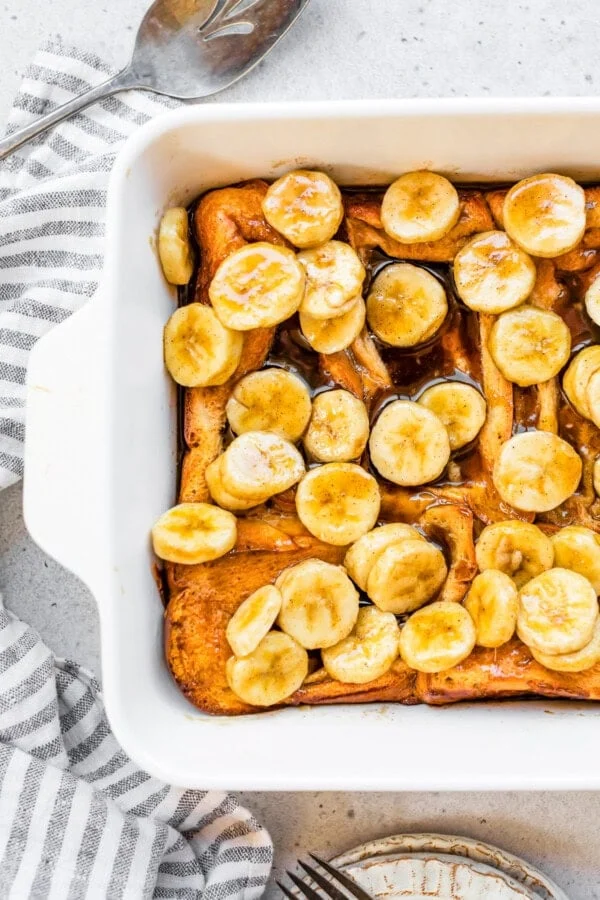
The culinary landscape continues to evolve, with home cooks and professional chefs alike seeking innovative ways to blend tradition with convenience and health-conscious choices. A prime example of this trend is the emergence of a lighter, make-ahead overnight baked French toast casserole, elegantly topped with Bananas Foster. This dish, designed to impress at special gatherings such as Easter morning or any festive brunch, represents a thoughtful reinterpretation of classic comfort food, offering both indulgence and practicality. Its strategic preparation allows for significant time-saving on the day of the event, ensuring a stress-free hosting experience without compromising on gourmet quality.
Historical Roots and Culinary Evolution
To fully appreciate the significance of this contemporary offering, it is essential to delve into the rich histories of its core components: French toast and Bananas Foster. French toast, known in its original French iteration as pain perdu (lost bread), dates back centuries. Its origins are rooted in frugality, serving as an ingenious method to salvage stale bread by soaking it in an egg and milk mixture before frying. This practice not only prevented waste but transformed otherwise unappealing bread into a delectable and satisfying meal. Over time, pain perdu evolved, adopting various names and regional adaptations across Europe and eventually North America, where it became a breakfast and brunch staple, often sweetened and spiced. The foundational principle—rejuvenating bread with a custardy soak—remains at the heart of all French toast variations, including the modern casserole format.

The Bananas Foster topping, a decadent accompaniment, boasts a more recent but equally illustrious history. This iconic dessert was created in 1951 by Paul Blangé, the chef at Brennan’s Restaurant in New Orleans, at the request of Owen Brennan. The dish was named after Richard Foster, a friend of Owen Brennan and the then-chairman of the New Orleans Crime Commission. Originally a dessert, Bananas Foster quickly gained renown for its dramatic tableside flambé presentation and its exquisite flavor profile, characterized by bananas sautéed in butter, brown sugar, cinnamon, and a splash of rum, ignited to create a caramelized, boozy sauce. Its transformation from a standalone dessert to a luxurious breakfast topping exemplifies the ongoing cross-pollination of culinary ideas, enriching traditional brunch fare with dessert-like opulence.
The concept of the "overnight casserole" itself has gained considerable traction in modern kitchens, particularly for breakfast and brunch preparations. This method addresses a common challenge faced by hosts: how to serve a hot, elaborate meal to guests without spending the entire morning cooking. By assembling the main components—in this case, the bread and custard—the night before, the dish has ample time to soak, resulting in a more deeply flavored and uniformly tender product. The next morning, it simply requires baking, freeing the host to attend to other preparations or simply enjoy the company of their guests. This pragmatic approach has cemented overnight casseroles as a go-to solution for celebratory breakfasts, minimizing morning effort while maximizing flavor and guest satisfaction.

The Skinnytaste Innovation: A Lighter Approach
The particular rendition under discussion, developed by Gina of Skinnytaste, introduces a crucial contemporary element: a "lightened-up" profile. In an era where health and wellness are increasingly prioritized, adapting classic indulgent dishes to be more nutritionally balanced is a significant culinary endeavor. Gina’s version of the Bananas Foster Topped Overnight French Toast Casserole directly responds to this demand by thoughtfully reducing the sugar content and incorporating alternative sweeteners. Specifically, the recipe utilizes monk fruit sweetener, a natural, zero-calorie alternative to sugar, to achieve sweetness without the caloric load of traditional granulated sugar. This modification allows individuals to savor the rich flavors of Bananas Foster and French toast without the guilt often associated with such decadent dishes.
The selection of challah bread as the base for the French toast casserole is a deliberate and effective choice. Challah, a traditional Jewish braided bread, is celebrated for its rich, slightly sweet flavor and its incredibly soft, airy crumb. These characteristics make it exceptionally well-suited for absorbing the egg-custard mixture. Unlike denser breads, challah’s open texture allows it to thoroughly imbibe the liquid overnight, ensuring that each piece becomes deeply saturated, leading to an exquisitely tender and moist interior after baking. The challah’s inherent richness also contributes to the overall luxuriousness of the dish, creating a robust foundation for the sweet and spicy custard. The custard itself is a harmonious blend of eggs, milk, vanilla, and cinnamon, creating a warm, aromatic profile that perfectly complements the bread. The overnight soaking period is critical, allowing the challah to fully transform into a custardy delight, akin to a sophisticated bread pudding.

Preparation and Execution: A Masterclass in Efficiency
The chronological breakdown of preparing this dish highlights its make-ahead advantage, a feature highly valued in contemporary entertaining. The primary French toast casserole component is assembled the evening prior to serving. This involves cubing the challah bread, arranging it in a baking dish, and then pouring over the meticulously prepared egg custard. The custard, infused with the comforting notes of vanilla and cinnamon, permeates the bread cubes thoroughly during the extended overnight refrigeration. This prolonged soaking is not merely for convenience; it is a crucial step that enhances the texture and flavor, resulting in a uniformly moist and flavorful casserole.
On the morning of the event, the pre-soaked casserole is transferred directly to the oven for baking. This frees the host from laborious morning preparations, allowing them to engage with guests or focus on other elements of the brunch. While the casserole bakes, achieving a golden-brown exterior and a tender, custardy interior, the Bananas Foster topping is swiftly prepared. This fresh preparation ensures the bananas are perfectly caramelized and the sauce is warm and vibrant, providing a spectacular contrast to the baked French toast base. The ease of this two-part process is a testament to thoughtful recipe development, optimizing for both taste and logistical simplicity.

The Decadent Bananas Foster Topping
The Bananas Foster topping is not merely an afterthought but an integral component that elevates this French toast casserole from a simple breakfast item to a show-stopping brunch centerpiece. The process begins with sautéing ripe bananas in butter until they begin to soften and caramelize. Brown sugar is then introduced, melting into a rich, syrupy caramel that clings to the banana slices. A dash of cinnamon adds warmth and aromatic depth, while a generous splash of rum—or a non-alcoholic substitute for a family-friendly version—is added and often flambéed, creating a dramatic visual and infusing the sauce with a complex, slightly toasted flavor. The rapid cooking of the topping ensures that the bananas retain some structural integrity while becoming enveloped in a luxurious, sticky glaze.
This topping transforms the baked challah casserole into an experience reminiscent of a high-end restaurant dessert. The interplay of textures—the soft, custardy bread against the slightly firm, caramelized bananas—and flavors—the warm cinnamon and vanilla of the French toast contrasting with the sweet, boozy notes of the Bananas Foster—creates a harmonious and unforgettable dish. Gina’s earlier work with Bananas Foster Crepes further illustrates her expertise in leveraging this classic flavor profile across various culinary applications, showcasing its versatility beyond its traditional dessert form.

Nutritional Profile and Dietary Adaptations
The "lightened-up" aspect of this recipe is further underscored by its nutritional information. Per serving (one slice with bananas), the dish provides approximately 252 kcal, 52 g carbohydrates, 11 g protein, 8 g fat (including 2 g saturated fat), 195.5 mg cholesterol, 285.5 mg sodium, 2.5 g fiber, and 12 g sugar. These figures, particularly the lower sugar content attributed to the use of monk fruit sweetener, represent a significant reduction compared to traditional Bananas Foster French toast recipes, which often contain considerably higher amounts of added sugars and fats.
This detailed nutritional breakdown offers valuable data for individuals managing dietary intake, demonstrating that indulgence does not necessarily require excessive caloric or sugar consumption. The presence of 11 grams of protein per serving also contributes to satiety, making it a more balanced breakfast option than many purely carbohydrate-heavy brunch items. For those with specific dietary needs, minor adaptations might be considered, such as using plant-based milk alternatives for a dairy-free version or gluten-free challah for a gluten-sensitive audience, though the primary recipe uses traditional ingredients. The focus on reducing sugar while maintaining flavor aligns with broader public health recommendations concerning sugar intake, making this recipe a forward-thinking culinary contribution.

Inspiration and Culinary Development
The genesis of this specific recipe is attributed to a serendipitous culinary moment. Years ago, Gina brought her Lightened-Up Crème Brûlée French Toast to a New Year’s morning gathering at her cousin Kat’s house. Kat, described as a "dessert queen," spontaneously decided to enhance the dish with a Bananas Foster topping. The resulting combination was reportedly "incredible," inspiring Gina to recreate a lighter version. This personal anecdote highlights how culinary innovation often springs from informal experimentation and shared enjoyment.
Gina’s commitment to developing a healthier alternative reflects a broader trend in food blogging and recipe development: providing accessible, delicious, and nutritionally mindful options for home cooks. Her subsequent refinement, involving the substitution of traditional sugar with monk fruit sweetener, demonstrates an iterative process of recipe improvement, constantly seeking to optimize taste and health benefits. The enthusiastic reception from her family ("My family loves it") serves as a testament to the recipe’s success, affirming its appeal even in its lightened form. This iterative development, driven by personal experience and a desire for healthier indulgence, is a hallmark of contemporary food innovation.

Broader Culinary Implications and Trends
This Bananas Foster Topped Overnight French Toast Casserole is more than just a recipe; it embodies several significant trends shaping modern gastronomy and home cooking. Firstly, it champions the "make-ahead" philosophy, which aligns perfectly with busy lifestyles and the desire for effortless entertaining. This approach minimizes morning stress, allowing hosts to be present and enjoy their guests rather than being tethered to the kitchen.
Secondly, it exemplifies the art of "lightening up" classic dishes. This trend is driven by increased health consciousness and a demand for options that allow for indulgence without excessive guilt. By strategically reducing sugar and fat, chefs and home cooks can reinterpret beloved recipes, making them more suitable for regular consumption or for those managing specific dietary requirements.

Thirdly, the recipe showcases the enduring appeal of comfort food with a gourmet twist. French toast, a universal comfort food, is elevated by the sophisticated and festive Bananas Foster topping, transforming it into a luxurious experience. This fusion of familiar and exotic elements caters to a palate that appreciates both tradition and innovation. The dish’s versatility also contributes to its broader impact, serving equally well as a decadent breakfast or an unconventional dessert. Its rich flavor profile, almost bread pudding-like, makes it a flexible addition to any meal plan, blurring the lines between breakfast and dessert.
Finally, the popularity of such recipes, particularly those shared on platforms like Skinnytaste, underscores the role of food blogs and online communities in disseminating culinary knowledge and fostering innovation. These platforms serve as vital resources for home cooks seeking inspiration, practical tips, and reliable recipes that cater to diverse needs and preferences. The continuous development and sharing of such adapted classics contribute to a dynamic and evolving culinary culture.

Storage and Practical Considerations
For optimal enjoyment and food safety, understanding the storage requirements for this casserole is essential. Leftovers of the Bananas Foster French Toast Casserole should be refrigerated promptly in an airtight container. When properly stored, the casserole can maintain its quality for approximately 3 to 4 days. Reheating is best done in a microwave for individual servings or in the oven for larger portions, ensuring the dish is warmed through to a safe internal temperature while retaining its moist texture. While the Bananas Foster topping is best enjoyed fresh, it can also be stored separately and reheated, though its texture might soften slightly. The ability to store and reheat this dish further enhances its practical appeal, making it suitable for meal prepping or enjoying over several days following a special occasion.
In conclusion, the Bananas Foster Topped Overnight French Toast Casserole stands as a testament to contemporary culinary ingenuity. It seamlessly marries the historical charm of French toast and Bananas Foster with modern demands for convenience, health-consciousness, and gourmet appeal. By providing a detailed historical context, outlining the innovative "lightened-up" approach, and emphasizing its practical benefits for hosts, this dish is positioned not merely as a recipe but as a significant contribution to the evolving narrative of breakfast and brunch cuisine. Its ability to deliver a luxurious, flavorful experience with minimal morning effort solidifies its status as a must-have for any special occasion.
