

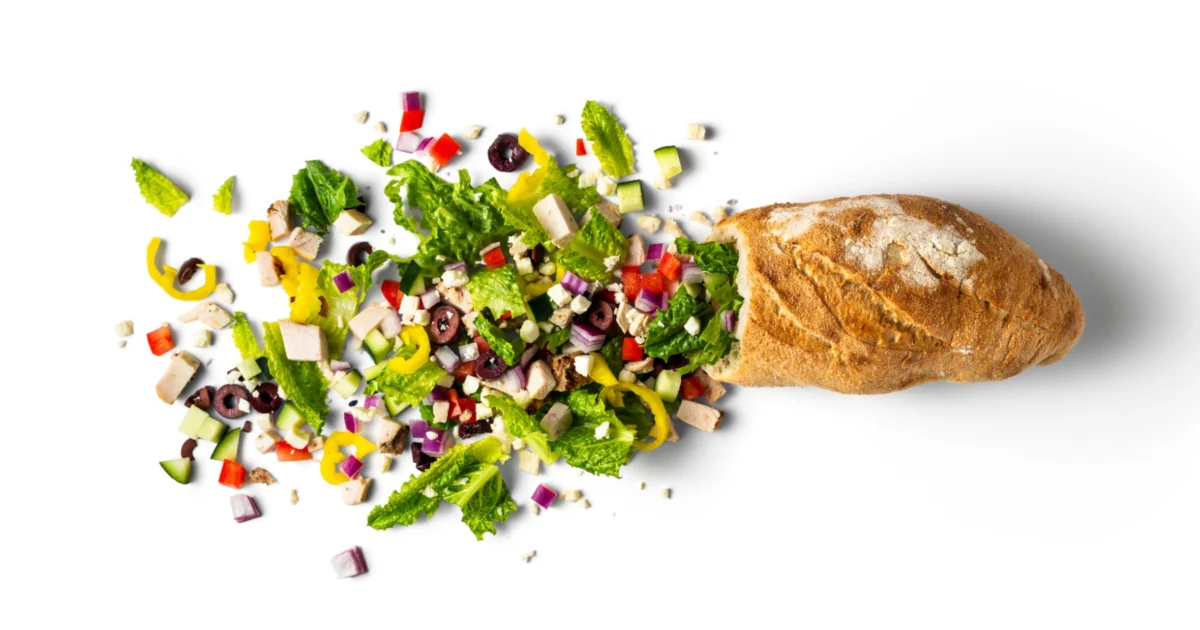
The recent unveiling of Panera Bread’s "Salad Stuffers" has ignited a lively, and at times, contentious, discussion across social media platforms and within the culinary industry. This innovative menu category, which involves loading a variety of salads into hollowed-out bread, has prompted a flurry of questions: Is it a sandwich reinvented? Is it an evolution of the beloved bread bowl? Or is it a category all its own? Amidst this digital discourse, one established player in the realm of salad-stuffed bread, Dallas-based Bread Zeppelin, is seizing the moment to remind consumers of its decade-long legacy in this niche, offering a compelling invitation for comparison and an opportunity to taste the original.
A Decade of Dough and Greens: Bread Zeppelin’s Enduring Concept
Bread Zeppelin, a chain boasting ten locations, has been artfully stuffing salads into hollowed-out baguettes since 2013. Their signature offering, aptly named the "Zeppelin," has become a cornerstone of their menu, embodying a culinary approach that predates Panera’s recent foray into the concept by over ten years. This established presence gives Bread Zeppelin a unique vantage point from which to observe and engage with the current buzz surrounding Panera’s new product.
The company’s menu features a diverse array of signature salads, each designed to complement the unique delivery system of a hollowed baguette. Examples include the "Atlantis," a Greek-inspired creation featuring grilled chicken, cucumbers, olives, and feta cheese, all tossed in a zesty Greek dressing. Another popular option is a variation inspired by the flavors of Washington State, comprising grilled chicken, crisp apples, crunchy walnuts, earthy beets, and creamy blue cheese crumbles, all unified by a delicate champagne vinaigrette. For those with a penchant for customization, Bread Zeppelin also offers a build-your-own option, allowing patrons to curate their ideal salad filling to be encased within their signature bread.
The pricing structure for these offerings at Bread Zeppelin generally falls within the range of $8 to $13, a competitive bracket that mirrors the price point of Panera’s new Salad Stuffers, further facilitating a direct comparison for consumers.
A Calculated Competitive Move: The Free Zeppelin Offer
In a strategic move designed to leverage the heightened public attention, Bread Zeppelin has extended a compelling promotional offer. Between April 16th and April 22nd, customers who present a receipt for a purchased Panera Salad Stuffer at participating Bread Zeppelin locations will receive a complimentary Zeppelin. This initiative is not merely a marketing stunt; it represents a direct invitation for consumers to experience and compare Bread Zeppelin’s established product with Panera’s new offering, allowing the taste and quality of the food to serve as the ultimate arbiter.
Troy Charhon, Co-founder of Bread Zeppelin, articulated the company’s perspective in a statement. "At Bread Zeppelin, we’ve spent years developing and refining our Zeppelin to ensure it delivers the same quality and consistency every time," Charhon stated. "With more attention on the type of product we created, we see this as an opportunity to introduce new guests to the original and let the product speak for itself." This statement underscores Bread Zeppelin’s confidence in its long-standing product and its belief that a direct comparison will highlight the merits of their established approach.
The Bread Bowl Debate and Beyond: Examining the Nuances
The online conversation surrounding Panera’s Salad Stuffers has not been solely focused on their novelty. A significant portion of the debate has centered on the fundamental definition of the product. Many social media users have questioned whether the Salad Stuffers are simply a sophisticated iteration of a sandwich, given that they involve filling bread with a protein-rich mixture. Others have drawn parallels to the iconic bread bowl, a concept that has been a staple in casual dining for decades. This semantic wrestling matches the broader culinary trend of reimagining familiar formats and ingredients.
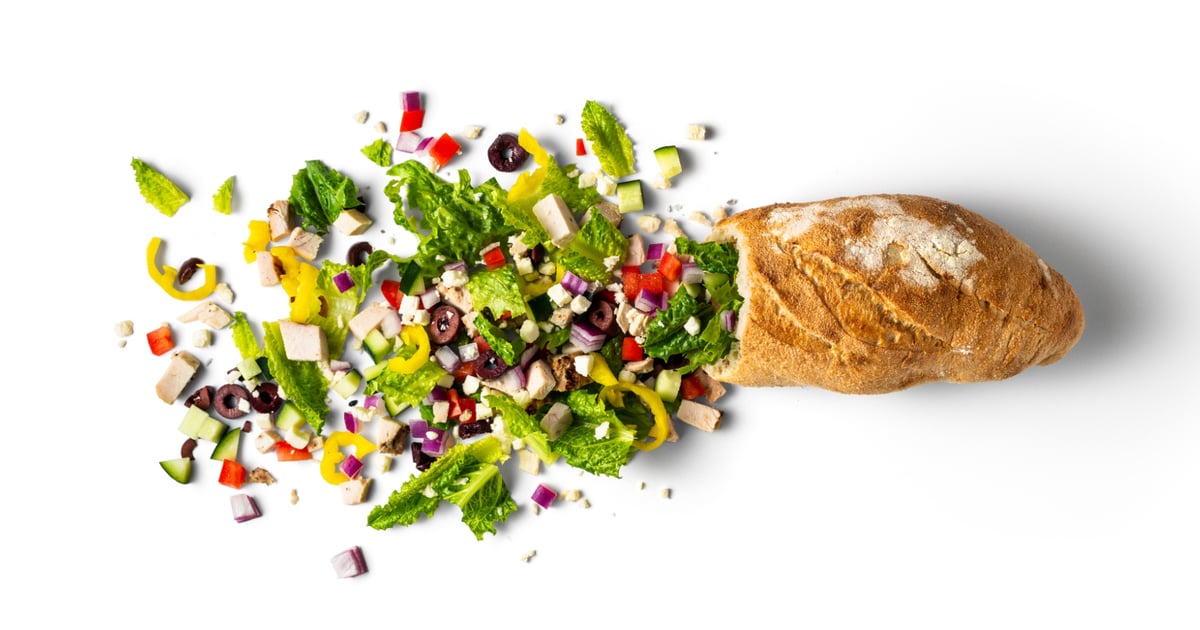
Furthermore, concerns have been raised regarding potential food waste associated with Panera’s new offering. Some social media reviews and discussions, particularly on platforms like Reddit, have highlighted the possibility of waste, pointing to the discarded soft interior of the Italian roll used for the Stuffers, as well as the potential for salad to spill or be difficult to contain without tearing the bread.
Bread Zeppelin has proactively addressed this potential criticism by emphasizing its own waste-reduction practices. The company has noted that the bread cores, which are removed to create the hollow interior for the salads, are not discarded. Instead, these cores are repurposed to create house-made croutons and bread pudding, offering a sustainable and value-added approach to ingredient utilization. This practice not only minimizes waste but also provides additional menu items, further enhancing the perceived value of their product.
A Growing Market for Innovative Edibles
The emergence of Panera’s Salad Stuffers and Bread Zeppelin’s long-standing success in a similar category highlight a broader trend in the fast-casual dining landscape: the increasing consumer appetite for inventive and convenient meal solutions. As consumers seek meals that are both satisfying and portable, the integration of substantial fillings into edible vessels like bread has proven to be a winning formula.
The competitive landscape in the quick-service and fast-casual restaurant sector is characterized by constant innovation. Brands are continually exploring new ways to differentiate themselves and capture market share by offering unique product combinations, dietary options, and convenient formats. In this environment, a product that sparks widespread discussion, even if debated, can be a powerful tool for brand awareness and customer engagement.
Panera’s move, while generating debate, undeniably places the concept of "salad in bread" at the forefront of consumer consciousness. This increased visibility can, in turn, benefit established players like Bread Zeppelin by educating a wider audience about the appeal of such offerings. The challenge for Panera will be to address any operational or consumer concerns, such as those related to waste, while Bread Zeppelin aims to capitalize on the spotlight by reinforcing its position as the original innovator.
The Broader Implications for the Food Industry
The "Salad Stuffer" phenomenon, as it is being informally dubbed, offers several insights into the dynamics of the modern food industry:
- The Power of Social Media: The rapid and widespread discussion generated by Panera’s new menu item underscores the immense influence of social media in shaping consumer perception and driving brand awareness. Platforms like TikTok and Reddit have become crucial arenas for product reviews, debates, and word-of-mouth marketing.
- Innovation and Imitation: The competitive response from Bread Zeppelin is a classic example of how established businesses can leverage new market entrants to their advantage. By highlighting their prior innovation, they can position themselves as the authentic choice and attract customers seeking the original experience.
- Sustainability as a Differentiator: The discussion around food waste brings sustainability to the forefront. Companies that can demonstrate robust waste-reduction strategies, like Bread Zeppelin’s use of bread cores, may gain a competitive edge as consumer awareness and demand for eco-conscious practices grow.
- The Ever-Evolving Definition of Food Categories: The debate over whether a salad stuffed in bread is a sandwich or something else entirely reflects the fluid nature of culinary classifications. As chefs and brands push boundaries, traditional categories are constantly being re-examined and redefined.
- The Importance of a Strong Value Proposition: With similar price points, both Panera and Bread Zeppelin will need to emphasize the overall value proposition of their offerings, encompassing not just the taste and quality of the food but also the customer experience, convenience, and any perceived benefits like sustainability.
While Panera has not yet issued a formal response to Bread Zeppelin’s promotional offer or the broader discussions surrounding its Salad Stuffers, the company’s strategic decision to introduce this product suggests a calculated approach to market innovation. The outcome of this friendly competition, fueled by consumer curiosity and the allure of a free meal, will likely provide valuable data for both brands and the wider industry as they navigate the evolving landscape of consumer preferences and culinary creativity. The humble baguette, it seems, continues to be a versatile canvas for innovation, proving that even familiar forms can be reimagined to capture the attention and palates of today’s diners.
