

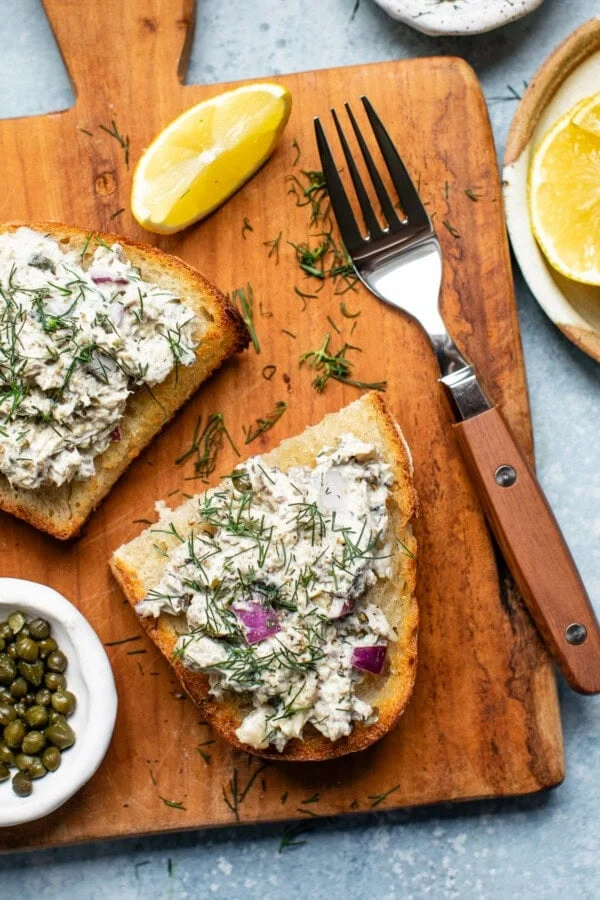
The culinary landscape is witnessing a notable shift towards nutrient-dense, convenient, and flavorful meal solutions, with canned fish emerging as a surprising hero. Among these, the humble sardine is undergoing a significant renaissance, championed by innovative recipes like the recently highlighted Sardine Salad. This preparation, characterized by its bright, briny, and fresh profile thanks to a judicious blend of lemon, capers, and dill, positions itself as a robust, healthy alternative to traditional tuna or salmon salads, perfectly suited for modern lifestyles demanding no-cook lunches and efficient meal preparation.
The Resurgence of Sardines: A Nutritional Powerhouse Takes Center Stage
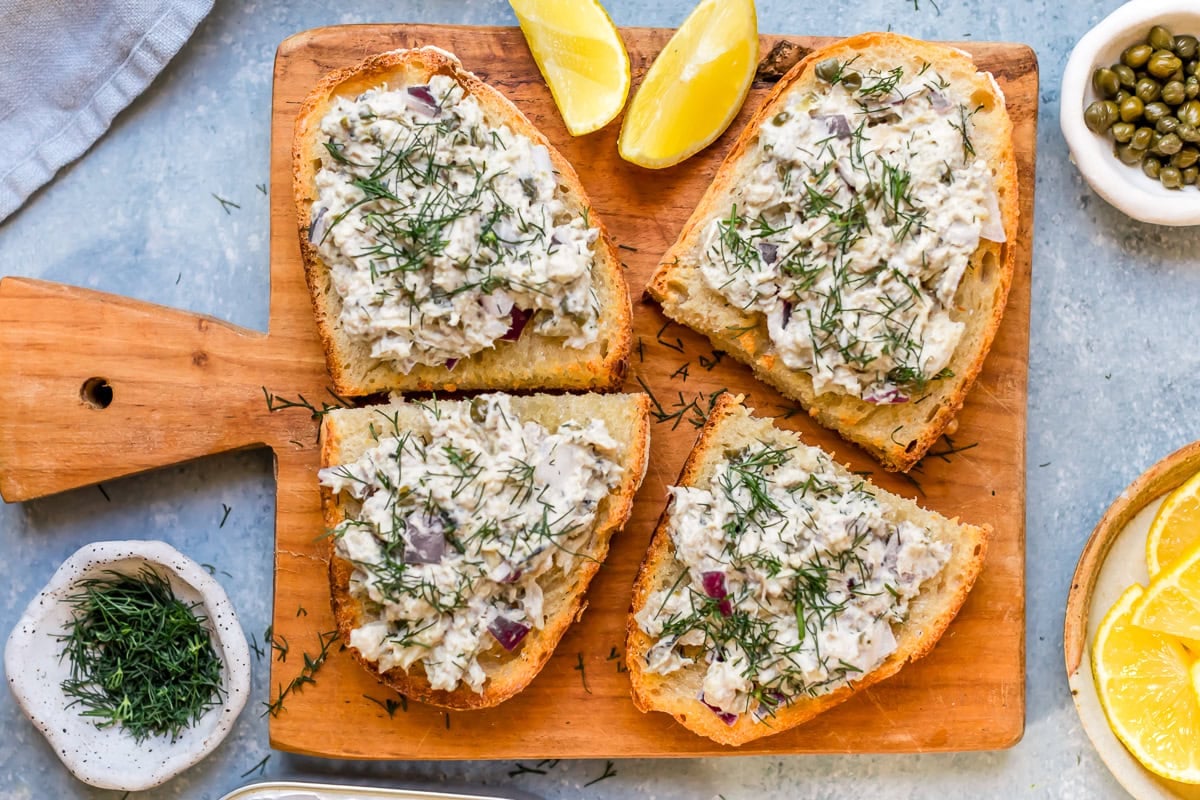
For decades, sardines have been a pantry staple, often overshadowed by more glamorous seafood options. However, a growing awareness of their unparalleled nutritional benefits and increasing emphasis on sustainable eating practices have propelled sardines into the spotlight. These small, oily fish are celebrated for being an exceptional source of Omega-3 fatty acids, vital for heart and brain health. Data from the National Institutes of Health (NIH) consistently highlights the role of Omega-3s in reducing inflammation, supporting cardiovascular function, and enhancing cognitive performance. Beyond this critical nutrient, a single serving of sardines can provide a significant portion of the recommended daily intake for Vitamin B12, essential for nerve function and red blood cell production, and Vitamin D, crucial for bone health and immune system support – nutrients often lacking in many contemporary diets. Furthermore, they offer a substantial protein punch, with an average serving delivering over 20 grams, making them an ideal component for satiety and muscle maintenance.
The appeal of sardines extends beyond their nutritional profile to their environmental footprint. As a small, fast-reproducing species at the lower end of the marine food chain, sardines are generally considered a more sustainable seafood choice compared to larger, longer-lived fish that accumulate higher levels of environmental toxins. Organizations like the Monterey Bay Aquarium Seafood Watch program frequently rate sardines as a "Best Choice" for sustainability. This aligns perfectly with the burgeoning consumer demand for ethically sourced and environmentally responsible food options. The convenience of canned sardines further enhances their appeal, offering a readily available, shelf-stable protein source that requires minimal preparation, an undeniable advantage in today’s fast-paced world.
Crafting the Ideal Sardine Salad: A Fusion of Flavor and Health
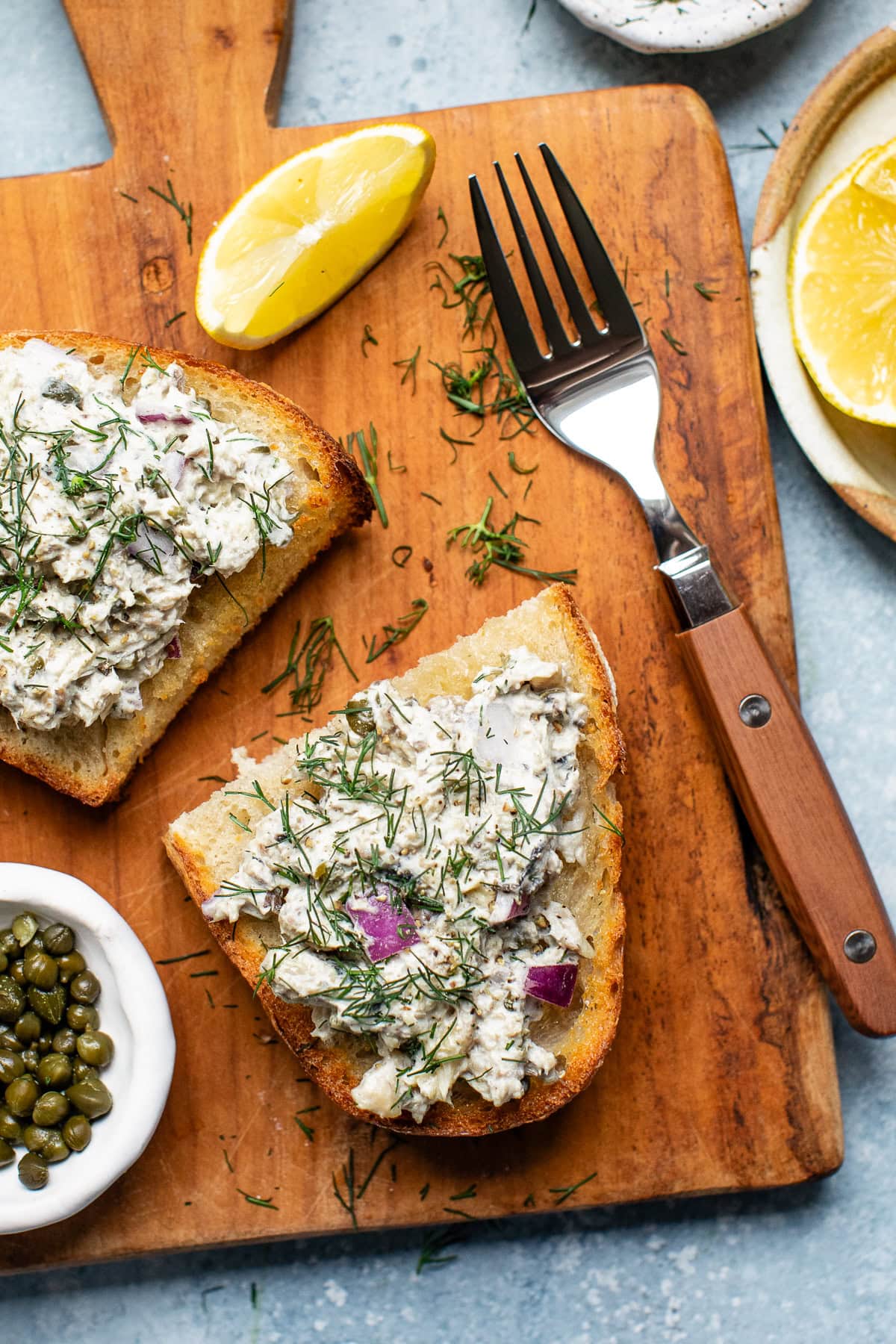
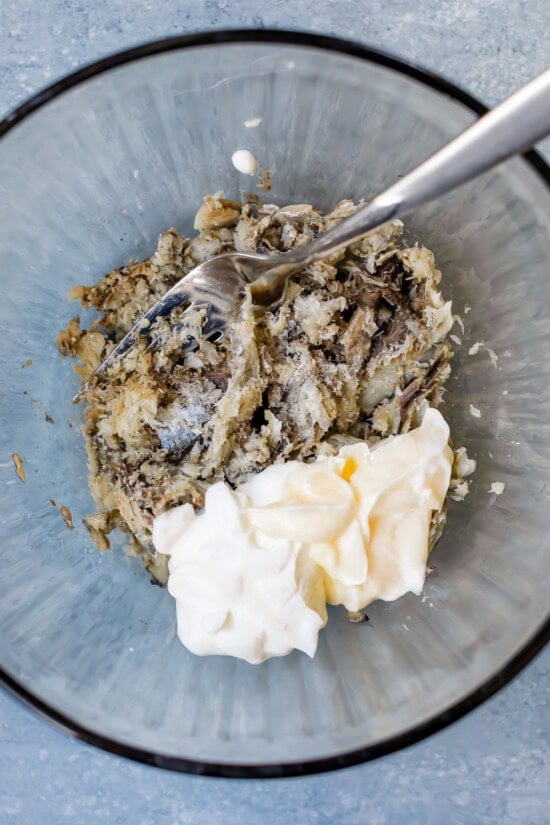
The featured Sardine Salad recipe meticulously balances these inherent benefits with a vibrant flavor profile designed to appeal to a broad palate, even for those initially hesitant about whole sardines. The core innovation lies in transforming the texture and mitigating the strong, inherent "fishiness" that some consumers find off-putting. By gently mashing the sardines and blending them with creamy elements and sharp, fresh ingredients, the recipe achieves a harmonious balance, reminiscent of classic seafood salads but with a distinct Mediterranean twist.
Central to this transformation are key Mediterranean-inspired components:
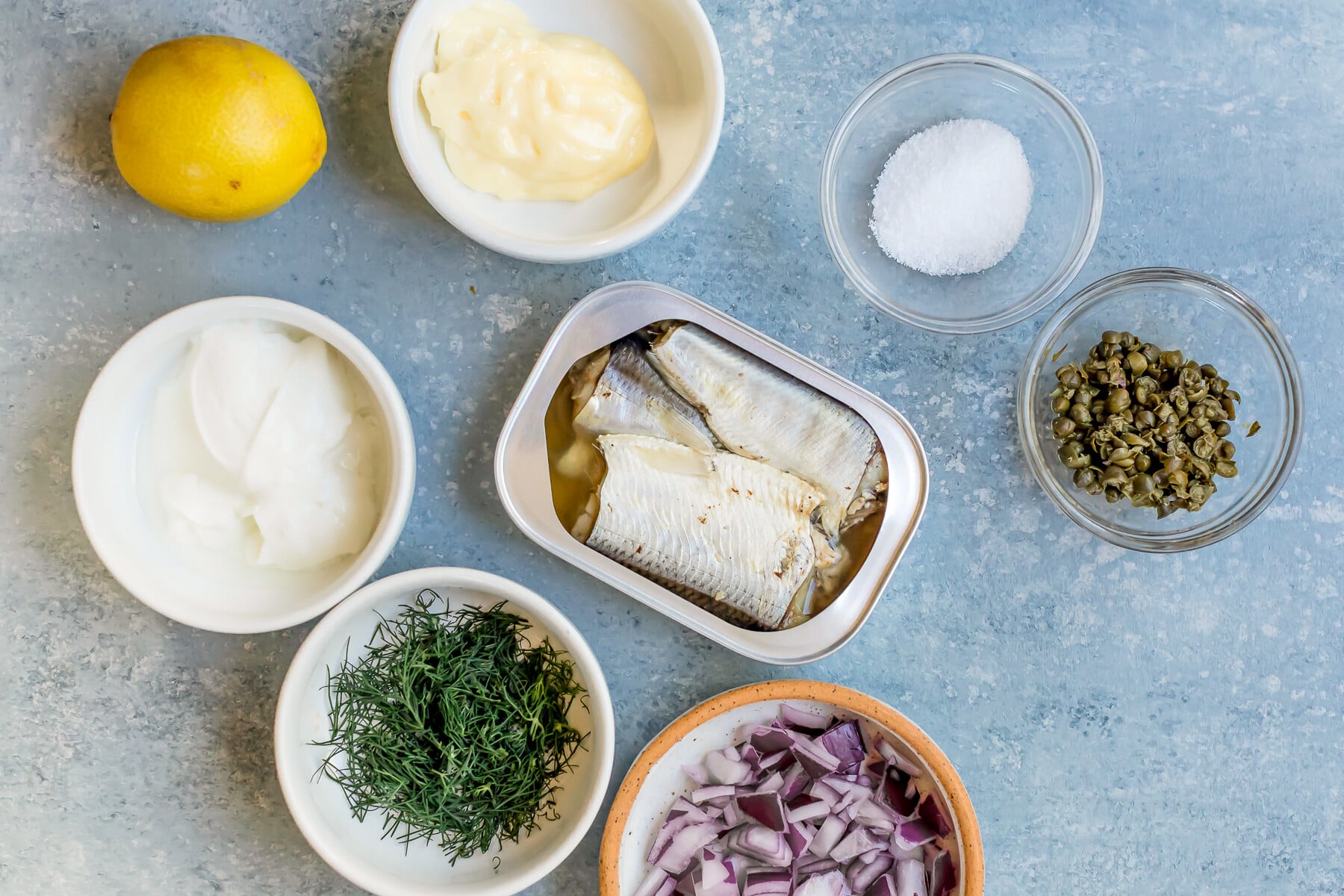
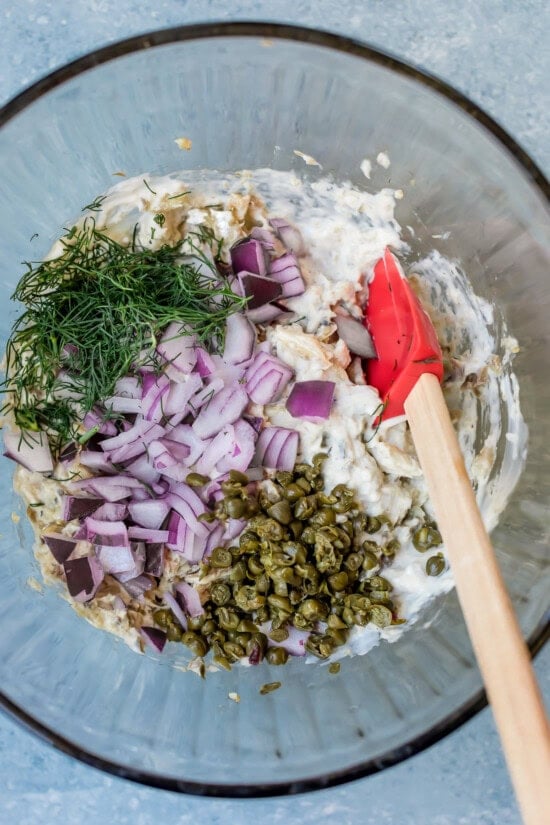
- Lemon: Provides essential acidity, cutting through the richness of the fish and offering a refreshing zest. This not only enhances flavor but also acts as a natural preservative, maintaining the salad’s freshness.
- Capers: Introduce a distinct briny, salty pop that complements the fish without overpowering it, adding a layer of sophisticated flavor complexity and textural interest.
- Fresh Dill: Delivers an aromatic, slightly anisy freshness that brightens the entire dish, creating a more herbaceous and inviting aroma.
- Mayonnaise (or Greek Yogurt): Serves as the primary binding agent, providing a creamy texture. The recipe thoughtfully suggests using light mayonnaise or even doubling the Greek yogurt for those seeking a leaner profile. This flexibility demonstrates an understanding of diverse dietary preferences and calorie-conscious eating. The inclusion of Greek yogurt not only reduces fat content but also adds a probiotic benefit and a subtle tang.
The creator, Gina, known for her healthy and accessible recipes on Skinnytaste.com, notes a personal journey of incorporating more sardines into her diet, particularly after experiencing diverse sardine preparations during a trip to Portugal. This firsthand culinary exploration, a common practice among food innovators, underscores the recipe’s authenticity and its grounding in traditional flavors, reimagined for modern health goals. Her statement highlights the practical challenge of integrating highly beneficial foods into a daily diet and the creative solutions required to make them genuinely enjoyable. The emphasis on removing bones for those who prefer it, or using boneless varieties, directly addresses a common textural barrier to sardine consumption, making the dish significantly more approachable for new enthusiasts.

Versatility in Serving: Beyond the Sandwich
One of the recipe’s most significant strengths lies in its remarkable versatility, mirroring the adaptability of its tuna and salmon salad counterparts. It transcends the traditional sandwich filling, offering a myriad of serving suggestions that cater to various dietary needs and meal occasions, from a quick desk lunch to a light dinner or even an elegant appetizer:
- Whole-Grain Toast: A classic choice, providing a satisfying crunch and complex carbohydrates, making for a hearty and balanced meal.
- Crackers: Ideal for a quick snack or appetizer, offering textural contrast and portability.
- Lettuce Wraps: A low-carb, gluten-free option perfect for lighter meals, offering a refreshing crispness.
- Cucumber Slices: Another refreshing, low-carb vehicle for the salad, adding a cool, watery crunch.
- Stuffed Avocados or Tomatoes: Elevates the dish into a more substantial and visually appealing lunch or light dinner, adding healthy fats and vitamins.
- Salad Topping: Transforms a simple green salad into a protein-rich, flavorful meal, enhancing nutrient density.
- Sandwiches and Wraps: Remains a practical and delicious choice for packed lunches, easily transportable and satisfying.
This broad utility makes the Sardine Salad an excellent candidate for meal prepping, a trend that has seen exponential growth in recent years as consumers seek to save time and make healthier choices. Its ability to last up to four days in the refrigerator ensures that healthy, delicious options are always at hand, minimizing the temptation for less nutritious alternatives during busy weekdays.

Ingredient Selection and Customization for Optimal Results
The choice of sardines plays a crucial role in the final dish’s flavor and texture. While many types are available, the recipe recommends canned sardines in water without added salt, and ideally, boneless varieties. This preference allows for greater control over sodium content – a critical consideration given average dietary sodium intake – and addresses textural preferences. For those using sardines packed in oil, thorough draining is advised to prevent an overly oily salad that could compromise the desired fresh and bright profile. The adaptability extends to the bones themselves; while some prefer to remove them for a smoother texture, their typically small, thin nature means they often go unnoticed when mixed, offering a convenient option for those short on time.
Beyond the core ingredients, the recipe encourages creative customization, reflecting current culinary trends that prioritize personalization and dietary flexibility. Potential variations include:
- Herbs: Experimenting with fresh parsley, chives, or cilantro for different aromatic profiles, each adding its unique nuance.
- Vegetables: Adding finely diced celery, bell peppers, or pickles for extra crunch, fiber, and flavor.
- Spices: Introducing a pinch of smoked paprika, a dash of hot sauce, or a sprinkle of everything bagel seasoning for an extra kick or umami depth.
- Dairy Alternatives: Substituting regular mayonnaise with a dairy-free alternative for those with specific dietary restrictions, or utilizing cottage cheese for a protein boost and different texture.
- Acidity: Incorporating a splash of apple cider vinegar or a different citrus juice for an alternative tartness.
- Olives: Adding chopped Kalamata olives for an enhanced Mediterranean flavor profile and a burst of salty goodness.
These variations not only prevent meal fatigue but also allow individuals to tailor the salad to their specific dietary needs, flavor preferences, or ingredients on hand, further cementing its status as a versatile kitchen staple adaptable to diverse culinary imaginations.
Expert Endorsement and Broader Implications
Nutritionists and public health advocates consistently highlight the benefits of incorporating diverse sources of lean protein and Omega-3s into the diet. Sardines, being a prime example, receive strong endorsements. Dr. Elena Petrov, a leading dietitian specializing in sustainable nutrition at the Global Food Institute, stated, "Sardines are a true superfood, punching well above their weight in terms of nutritional density. Their high Omega-3 content is exceptional, and they provide essential vitamins like D and B12 that are critical for overall health, particularly in populations with limited sun exposure or specific dietary restrictions. What’s more, their position lower on the food chain generally means lower mercury levels compared to larger predatory fish, making them a safe and highly beneficial choice for regular consumption across all age groups."
The widespread adoption of recipes like this Sardine Salad carries significant implications for public health and culinary education. It demystifies a highly nutritious, yet often underutilized, ingredient. By presenting sardines in an approachable and palatable format, such recipes can:
- Promote Nutrient Intake: Encourage greater consumption of vital Omega-3s, Vitamin D, and B12, addressing common micronutrient deficiencies.
- Support Sustainable Eating: Guide consumers towards more environmentally friendly seafood choices, contributing to healthier marine ecosystems.
- Facilitate Healthy Meal Prep: Provide practical, time-saving solutions for maintaining healthy eating habits amidst busy schedules, a key factor in combating lifestyle-related diseases.
- Expand Culinary Horizons: Introduce new flavors and textures, diversifying the home cook’s repertoire beyond common proteins and encouraging culinary experimentation.
This recipe, therefore, is not merely a collection of ingredients; it represents a strategic culinary effort to bridge the gap between nutritional science and practical, everyday eating. It leverages the inherent goodness of sardines and transforms them into a desirable, easy-to-prepare dish that resonates with contemporary health and convenience imperatives.
Meal Prep and Storage: A Testament to Practicality
The logistical ease of preparing and storing this Sardine Salad further underscores its suitability for modern dietary practices. With a preparation time of just 15 minutes and no cooking required, it stands as an exemplar of efficiency. This minimal time commitment is a significant advantage for busy individuals and families. Once assembled, the salad can be refrigerated for up to four days in an airtight container. This extended shelf-life makes it an invaluable asset for weekly meal planning, allowing individuals to prepare a batch on a Sunday and enjoy nutritious lunches throughout the working week, thereby reducing reliance on less healthy, last-minute food choices or expensive takeout. This aspect directly addresses the challenges faced by many in maintaining a balanced diet due to time constraints, financial pressures, and the constant availability of less healthy processed foods.
Conclusion: A Simple Recipe with Profound Impact
The Sardine Salad, as presented by Skinnytaste, is more than just a recipe; it is a testament to the power of simple ingredients, thoughtful preparation, and a keen understanding of contemporary dietary needs. It revitalizes a nutritional powerhouse, the sardine, and integrates it seamlessly into a modern, health-conscious lifestyle. By offering a delicious, versatile, and highly nutritious option that is easy to prepare and ideal for meal prepping, this recipe makes a compelling case for the continued exploration of humble ingredients and their potential to deliver significant culinary and health benefits. It serves as an accessible entry point for individuals seeking to enrich their diets with sustainable, Omega-3 rich seafood, solidifying its place as a valuable contribution to healthy eating and a testament to how simple culinary innovation can drive significant positive dietary changes.
