

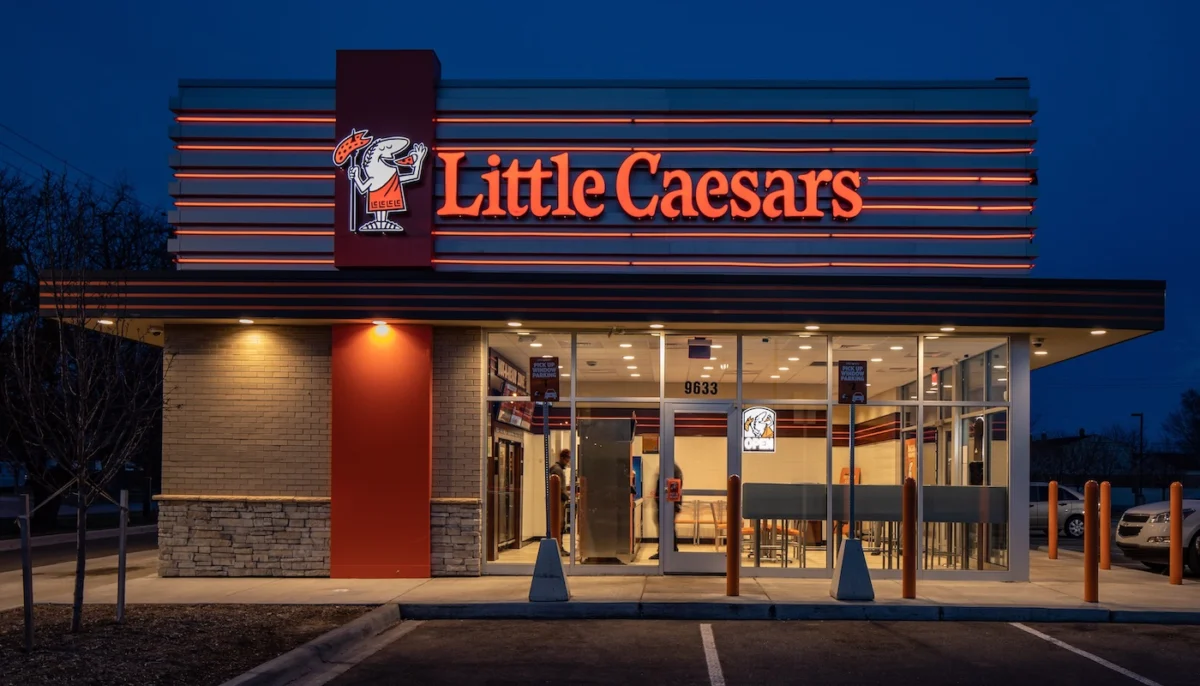
Little Caesars has significantly expanded its presence on U.S. military installations, announcing plans for four new locations across U.S. Navy bases. This strategic growth initiative builds upon the brand’s successful inaugural military base opening at Pearl Harbor in Honolulu, Hawaii, which took place last year. The expansion underscores Little Caesars’ commitment to non-traditional growth channels, with a keen focus on serving communities within universities and sports venues alongside its traditional brick-and-mortar strategy. This latest wave of development signifies a deliberate effort to enhance convenience and accessibility of its popular pizza offerings for service members and their families.
Strategic Growth on Naval Bases
The expansion into Naval Base San Diego is a cornerstone of this new phase, spearheaded by BAXIMUS founders Phil Thomas and Kris Wellmaker. These seasoned restaurant operators bring over 15 years of invaluable experience gained from their tenure at Chick-fil-A. After departing the well-established chicken chain, they launched BAXIMUS with a clear mission: to introduce a wider array of dining options to military communities. Their current portfolio already includes multiple successful restaurant concepts operating on bases across the United States, demonstrating a proven track record in navigating the unique operational landscape of military facilities.
In a statement reflecting on the partnership, Wellmaker articulated the strategic appeal of Little Caesars to BAXIMUS. "Little Caesars stood out to us because of its reputation for quality, value, and convenience," he stated. This sentiment highlights the brand’s core strengths, which resonate particularly well with the demographic of military personnel who often seek quick, affordable, and reliable food options. The commitment to these fundamental principles by Little Caesars aligns seamlessly with the operational goals of BAXIMUS, aiming to provide a consistent and satisfying dining experience for those who serve.
Beyond the new brick-and-mortar establishment at Naval Base San Diego, BAXIMUS has also deployed a Little Caesars food truck. This mobile unit is strategically designed to cater to military events and serve installations where traditional dining infrastructure might be limited or unavailable. This agile approach further amplifies Little Caesars’ reach, ensuring that its popular pizzas can be enjoyed by service members even in less conventional settings. The company’s development pipeline also includes plans for an additional Little Caesars restaurant at the Walter Reed National Military Medical Center in Bethesda, Maryland, further solidifying its commitment to serving the broader military healthcare community.
Franchisee-Led Expansion Across Key Naval Commands
Little Caesars’ strategic expansion is not solely reliant on a few key partners. The brand is actively seeking qualified multi-unit franchise operators to drive development in target markets nationwide. This franchise-centric model allows for rapid and localized growth, leveraging the expertise and capital of experienced entrepreneurs.
Key figures within the Little Caesars franchise network are instrumental in this military base expansion. In addition to the San Diego operations, Little Caesars will also establish new locations at Naval Station Mayport in Florida. This venture is being spearheaded by franchisee Keyur Chauhan, who joined the Little Caesars system in 2022. Chauhan currently operates three successful Little Caesars restaurants in Georgia, showcasing his operational acumen and commitment to the brand. His expansion onto a naval base demonstrates a confidence in the market and a willingness to invest in serving the military community.
Further strengthening the brand’s presence in California, franchisee Tony Dao will oversee the opening of new Little Caesars locations. Dao, who joined the Little Caesars family in 2018, is expanding his existing footprint with new restaurants at the Navy Exchange at Port Hueneme and at Naval Air Station Lemoore. Dao’s consistent growth and commitment to the brand over the years highlight the potential for sustained success and expansion within the Little Caesars franchise system, particularly in strategically important locations like naval air stations.
A Look at Little Caesars’ Market Position and Trajectory
The strategic push into non-traditional venues like military bases is part of a broader growth strategy for Little Caesars, a company that has demonstrated remarkable resilience and expansion in a competitive market. As of the close of 2025, the Detroit-based pizza chain reported nearly 4,400 domestic locations and generated $4.5 billion in sales.
Crucially, Little Caesars achieved a year-over-year sales growth of 1.4% during this period, a notable accomplishment given that the overall pizza category experienced negative growth. This performance has propelled Little Caesars into a strong position within the global pizza landscape. It is now recognized as the third-largest pizza chain worldwide, trailing only Domino’s and Pizza Hut.
The competitive dynamics within the top-tier pizza chains are particularly telling. Pizza Hut, for instance, concluded 2025 with $5.1 billion in sales, but this represented a significant year-over-year decline of 8.2%. Should these current trends persist, Little Caesars is on a clear trajectory to overtake Pizza Hut and secure the number two spot in global pizza sales. This sustained growth, coupled with strategic expansions into new markets and formats, positions Little Caesars for continued success and market share gains. The military base expansion represents a calculated move to tap into a dedicated and often underserved customer base, further solidifying its growth trajectory.
.jpg?disable=upscale&width=1200&height=630&fit=crop)
Context of Non-Traditional Growth in the Foodservice Industry
The foodservice industry has been increasingly exploring non-traditional locations as a means of driving growth and reaching new customer segments. Universities, airports, hospitals, and, as in this case, military bases, offer unique opportunities to establish a strong brand presence and capture loyal customer bases. These environments often have captive audiences with predictable traffic patterns, making them attractive for businesses seeking consistent revenue streams.
For Little Caesars, the military base initiative aligns perfectly with its brand promise of affordability and convenience. Service members often operate on fixed incomes and appreciate the value proposition that Little Caesars offers. Furthermore, the often transient nature of military life means that consistent access to familiar and dependable food options can be a significant comfort.
The success of BAXIMUS and other franchisees in establishing and operating businesses within military communities underscores the viability of this model. Their experience in navigating the specific requirements and operational nuances of military bases is invaluable. This includes understanding procurement processes, security protocols, and the unique needs of the military community.
The development of a food truck further exemplifies an adaptive strategy. In environments where permanent infrastructure may be subject to long lead times or specific limitations, a mobile unit offers flexibility and rapid deployment. This allows Little Caesars to be present at events, ceremonies, and daily operations, maximizing touchpoints with its target audience.
Broader Implications for Military Base Food Services
The expansion of major fast-food chains like Little Caesars onto military bases has several broader implications. Firstly, it introduces greater competition among existing food service providers, which can lead to improved quality, service, and value for military personnel. Consumers benefit from a wider array of choices, catering to diverse tastes and dietary preferences.
Secondly, it can contribute to the morale and quality of life for service members and their families. Access to familiar and affordable dining options can be a significant factor in their overall well-being, particularly for those stationed far from home. This initiative demonstrates a commitment from civilian businesses to support those who serve the nation.
From a business perspective, these non-traditional locations can offer a more stable and predictable revenue stream compared to some traditional retail environments, which can be subject to fluctuating economic conditions and consumer trends. Military bases, with their consistent populations and on-base economies, present a relatively insulated market.
However, successful integration into military bases requires careful planning and execution. Franchisees and brands must work closely with base commanders and relevant authorities to ensure that operations align with military objectives and regulations. This includes considerations for security, logistical support, and the overall impact on the base environment.
The continued growth of Little Caesars in these strategic non-traditional venues, particularly on military installations, signals a robust and forward-thinking approach to market penetration. As the brand continues to ascend in the global pizza hierarchy, its ability to adapt and serve diverse customer bases in unique settings will be a key determinant of its long-term success. The commitment to quality, value, and convenience, coupled with a strong franchisee network and strategic foresight, positions Little Caesars for sustained growth and influence within the foodservice industry.
Alicia Kelso, Executive Editor, Nation’s Restaurant News
September 2, 2026
2 Min Read
(Image: Little Caesars is growing its presence on military bases. Photo courtesy of Little Caesars)
