

The maple roasted butternut squash recipe stands as a testament to the enduring appeal of simple, nutritious, and flavorful seasonal cooking. This particular iteration, notable for its minimal three-ingredient composition—butternut squash, pure maple syrup, and olive oil—offers a straightforward yet elegant side dish suitable for both elaborate holiday feasts and efficient weeknight meals. Its preparation involves a quick toss of cubed squash with the sweet and savory glaze, followed by roasting until the vegetable achieves a tender interior and a beautifully caramelized exterior. This method underscores a growing trend towards accessible gourmet cooking that prioritizes wholesome ingredients and straightforward techniques.
The Enduring Appeal and Nutritional Profile of Butternut Squash
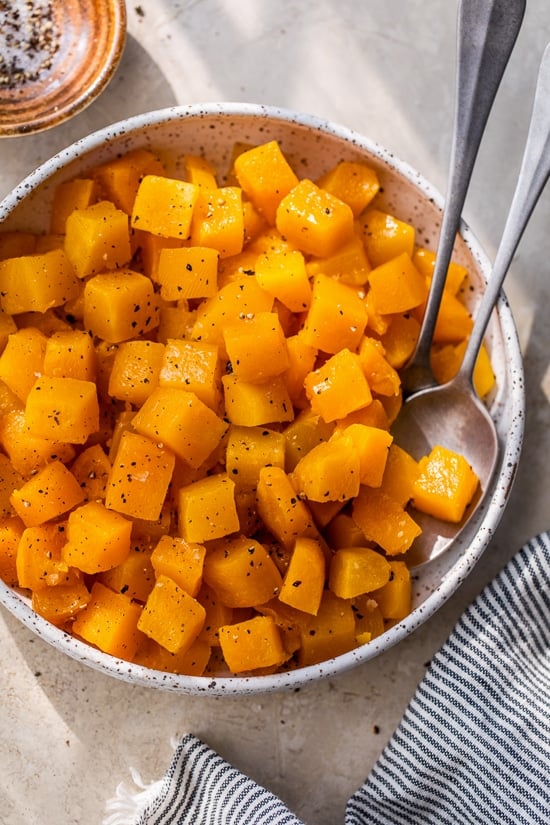
Butternut squash (Cucurbita moschata), a member of the gourd family, boasts a rich history deeply intertwined with North American agriculture and cuisine. Believed to have originated in the Americas, it has been cultivated for thousands of years, evolving from wild varieties into the familiar bell-shaped, tan-skinned squash recognized today. Its sweet, nutty flavor and creamy texture, particularly after cooking, have cemented its status as a quintessential fall and winter vegetable. The introduction of maple syrup, a natural sweetener also native to North America, creates a harmonious flavor profile that resonates with traditional autumn palettes.
Beyond its culinary versatility, butternut squash is a nutritional powerhouse. A single serving is an excellent source of Vitamin A, primarily in the form of beta-carotene, crucial for vision, immune function, and skin health. It also provides a significant amount of Vitamin C, an antioxidant that supports the immune system, and Vitamin E. Furthermore, butternut squash is rich in dietary fiber, aiding in digestive health and promoting satiety, which can be beneficial for weight management. Essential minerals such as potassium, important for blood pressure regulation, and magnesium, involved in numerous bodily functions, are also present. With approximately 104 calories per ¾ cup serving, alongside 23g carbohydrates, 1g protein, 2g fat, 7mg sodium, 4g fiber, and 7g sugar, this maple roasted preparation maintains a favorable nutritional balance, making it an attractive option for health-conscious consumers. Its natural sweetness and vibrant orange flesh are indicators of its high nutrient density, particularly its carotenoid content, which also offers anti-inflammatory benefits.
Methodology: The Simplicity and Efficiency of Roasting

The roasting technique employed in this recipe is pivotal to unlocking the full potential of butternut squash. Roasting at higher temperatures, typically around 400°F (200°C), facilitates the caramelization of the natural sugars within the squash and the added maple syrup, leading to a depth of flavor that cannot be achieved through other cooking methods. The dry heat of the oven also allows for the development of slightly crispy edges while maintaining a soft, yielding interior. This process, often referred to as the Maillard reaction, is responsible for the complex flavors and appealing aroma that characterize well-roasted vegetables.
The recipe’s efficiency, with a total preparation and cook time of approximately 45 minutes, positions it as an accessible option for individuals with busy schedules. This speed is particularly advantageous during holiday seasons when kitchen demands are high. Selecting a good quality butternut squash is the first step towards success. Look for squash that is firm, heavy for its size, and free of soft spots or blemishes. A dull, hard skin indicates ripeness and good storage conditions.
Navigating Preparation: Peeling and Cutting Techniques

One of the primary challenges associated with preparing fresh butternut squash is its thick, tough skin and dense flesh. However, several effective techniques can mitigate this difficulty, ensuring safety and ease in the kitchen. For those seeking to save time or avoid the physical effort, pre-cut butternut squash, available in many grocery stores, or frozen squash cubes offer convenient alternatives. While frozen squash may yield a slightly softer texture upon roasting due to its water content, it remains a viable option.
For home cooks opting to prepare fresh squash, a structured approach is recommended:
- Stabilize the Squash: Place the squash horizontally on a cutting board. Carefully slice off both ends, creating flat, stable surfaces. This prevents the squash from rolling during subsequent cutting.
- Peel with Precision: Stand the squash upright on one of its flat ends. Using a sharp vegetable peeler, firmly peel away the skin in downward strokes, following the contours of the squash. Ensure all the tough outer layer is removed to reveal the bright orange flesh.
- Halve and Seed: Lay the peeled squash on its side and carefully cut it in half lengthwise using a large, sharp chef’s knife. Scoop out the seeds and fibrous strands from the cavity using a spoon. The seeds can be cleaned and roasted for a nutritious snack, if desired.
- Dice Evenly: Place the squash halves cut-side down on the cutting board. Slice them into planks, then cut the planks into uniform cubes, typically 1-inch pieces. Uniformity in size is crucial for even cooking, preventing some pieces from becoming overcooked while others remain underdone.
An additional practical tip, widely recognized in culinary circles, involves pre-softening the squash. Piercing the whole squash multiple times with a fork and microwaving it for 2-4 minutes can significantly soften the skin, making peeling and cutting considerably easier. Alternatively, a brief boil on the stovetop can achieve a similar effect. The goal is not to cook the squash fully but merely to make its exterior more pliable.
The Recipe Unpacked: Key Steps and Culinary Science
The actual cooking process of maple roasted butternut squash is elegantly simple:
- Preheat and Prepare: Preheat the oven to the specified temperature (e.g., 400°F / 200°C). Line a baking sheet with parchment paper for easy cleanup and to prevent sticking.
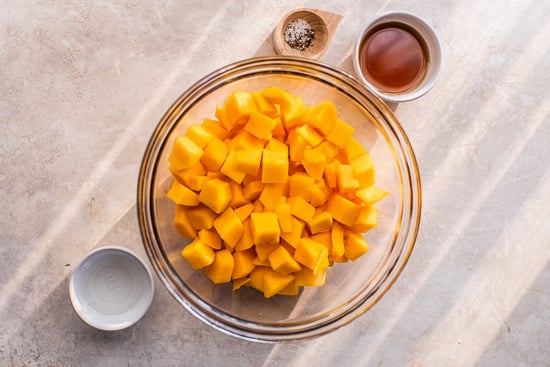
- Combine Ingredients: In a large bowl, combine the cubed butternut squash with the olive oil and pure maple syrup. Toss thoroughly to ensure every piece is evenly coated. This coating is critical for both flavor distribution and achieving consistent caramelization.
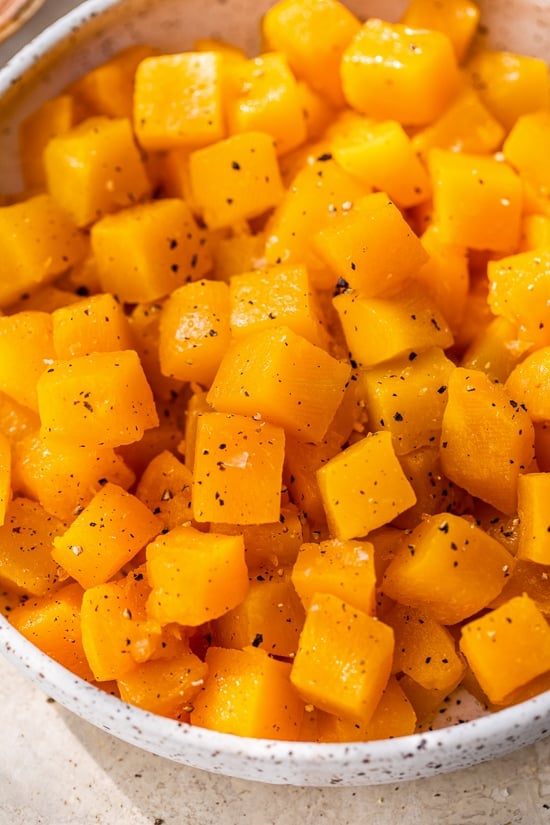
- Spread and Roast: Spread the coated squash in a single layer on the prepared baking sheet. Overcrowding the pan can lead to steaming rather than roasting, preventing proper browning. Roast for approximately 20 minutes, then flip the squash pieces to ensure even cooking and caramelization on all sides. Continue roasting for another 15-20 minutes, or until the squash is fork-tender and exhibits golden-brown, caramelized edges.
The chemical processes at play during roasting are fundamental to the dish’s appeal. The natural sugars in the squash, augmented by the maple syrup, undergo caramelization when exposed to high heat. This non-enzymatic browning reaction creates hundreds of new flavor compounds, contributing to the rich, complex taste. Simultaneously, the olive oil facilitates heat transfer, preventing the squash from drying out and promoting a desirable texture.
Nutritional Profile and Dietary Considerations
As previously detailed, the nutritional composition of maple roasted butternut squash positions it as a highly beneficial component of a balanced diet. Its calorie count of 104 kcal per serving is modest, making it suitable for calorie-controlled eating plans. The high fiber content supports satiety, potentially reducing overall caloric intake by helping individuals feel fuller for longer. Furthermore, being naturally gluten-free and easily adaptable to vegetarian and vegan diets (ensuring maple syrup is pure and not blended with animal products), it caters to a wide array of dietary preferences and needs. The emphasis on whole, unprocessed ingredients aligns with contemporary nutritional guidelines advocating for a diet rich in plant-based foods.
Versatility and Adaptability: Expanding the Culinary Horizon
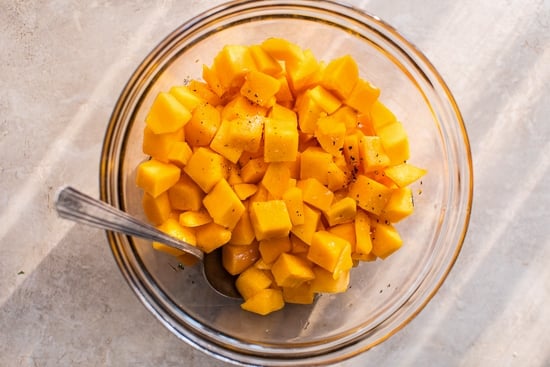
The inherent simplicity of this maple roasted butternut squash recipe makes it an excellent canvas for culinary experimentation and adaptation. While the base recipe calls for just three ingredients, various additions can elevate its flavor profile and cater to diverse palates:
- Spices: A dash of cinnamon, nutmeg, allspice, or a pinch of cayenne pepper can introduce warmth, depth, or a subtle kick. Rosemary or thyme can provide an earthy, savory contrast.
- Herbs: Fresh sage or thyme, added during the last 10-15 minutes of roasting, infuses the squash with aromatic notes.
- Nuts: Toasted pecans, walnuts, or pepitas (pumpkin seeds) can add a delightful crunch and nutty flavor, reminiscent of other fall dishes.
- Citrus: A squeeze of fresh orange juice or a sprinkle of orange zest after roasting can brighten the dish and enhance its natural sweetness.
- Sweetener Alternatives: While maple syrup is central to this recipe, honey or brown sugar can be substituted, each offering a slightly different nuance in sweetness and caramelization.
- Other Squashes: This method is not exclusive to butternut squash. Delicata, acorn, or even pumpkin can be roasted using the same technique, though cooking times may vary depending on the density and size of the squash pieces.
- Air Fryer Method: For an even quicker preparation, the recipe can be adapted for an air fryer, following similar principles of tossing with oil and syrup and cooking until tender and caramelized, often reducing cook time significantly.
These variations highlight the recipe’s flexibility, allowing home cooks to customize the dish to suit individual tastes or to complement specific meal themes, reinforcing its broader impact on encouraging creative and healthy cooking.
Strategic Pairing: Complementing the Dish
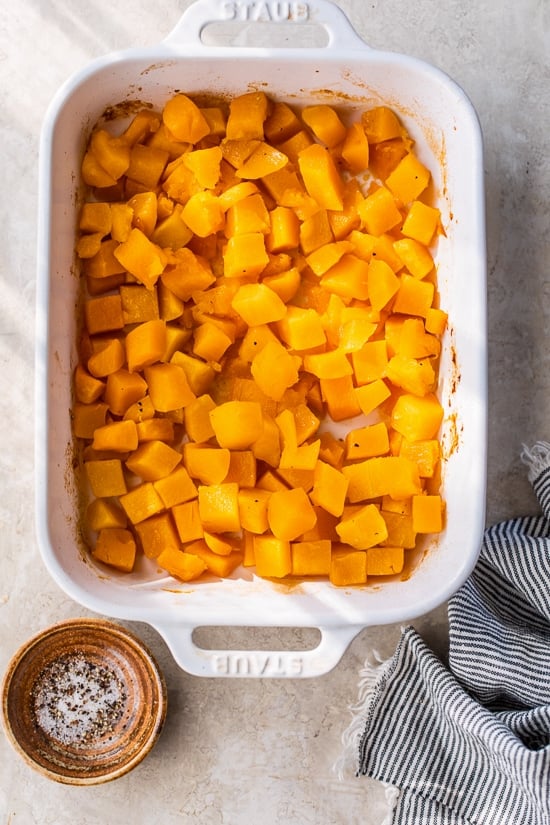
Maple roasted butternut squash, with its harmonious blend of sweet and savory notes, serves as an exceptional accompaniment to a wide range of main courses, particularly those traditionally served in fall and winter. Its sweetness beautifully balances savory proteins such as roasted turkey, grilled chicken, pan-seared pork chops, or a rich beef roast. For vegetarian meals, it pairs well with lentil loaf, wild rice pilaf, or hearty grain bowls.
As a side dish, it complements other fall vegetables, such as sautéed Brussels sprouts with pancetta, roasted green beans with caramelized onions, or a vibrant kale salad. For holiday gatherings, it stands out as a colorful and flavorful addition to the spread, offering a lighter yet satisfying option alongside richer dishes. The suggestion of a pear cranberry crisp for dessert further emphasizes the seasonal culinary experience, creating a cohesive and indulgent meal. The ability of such a simple dish to integrate seamlessly into complex meal plans underscores its practical value in modern gastronomy.
Ensuring Longevity: Proper Storage and Reheating

Proper storage and reheating techniques are essential for maximizing the enjoyment and minimizing food waste associated with any prepared dish. Maple roasted butternut squash, when stored correctly, can be enjoyed for several days after its initial preparation.
- Refrigeration: Leftover maple roasted butternut squash should be transferred to an airtight container and refrigerated within two hours of cooking. It can be safely stored in the refrigerator for up to 3-4 days.
- Freezing: For longer storage, the cooked squash can be frozen. Allow it to cool completely before transferring it to a freezer-safe bag or airtight container. It can be frozen for up to 2-3 months. Thaw frozen squash overnight in the refrigerator before reheating.
- Reheating: To reheat, spread the squash on a baking sheet and warm in a preheated oven (around 350°F / 175°C) until heated through, typically 10-15 minutes. This method helps to restore some of its original texture and prevent it from becoming overly soft. Alternatively, it can be reheated gently in a microwave, though this may result in a softer texture. Avoid over-reheating, which can diminish flavor and texture.
These guidelines ensure that the effort invested in preparing this nutritious side dish can be savored across multiple meals, contributing to efficient meal planning and reducing food waste, thereby enhancing its broader impact on sustainable home cooking practices.
In conclusion, the maple roasted butternut squash recipe transcends its simple ingredient list to become a celebrated seasonal staple. Its ease of preparation, combined with its robust nutritional profile and versatile adaptability, makes it an invaluable addition to any cook’s repertoire. From its historical roots to its modern culinary applications, this dish embodies the essence of wholesome, flavorful, and accessible eating, continuing to enrich dining tables during the cooler months and offering a tangible link to the rich traditions of fall harvesting.
