

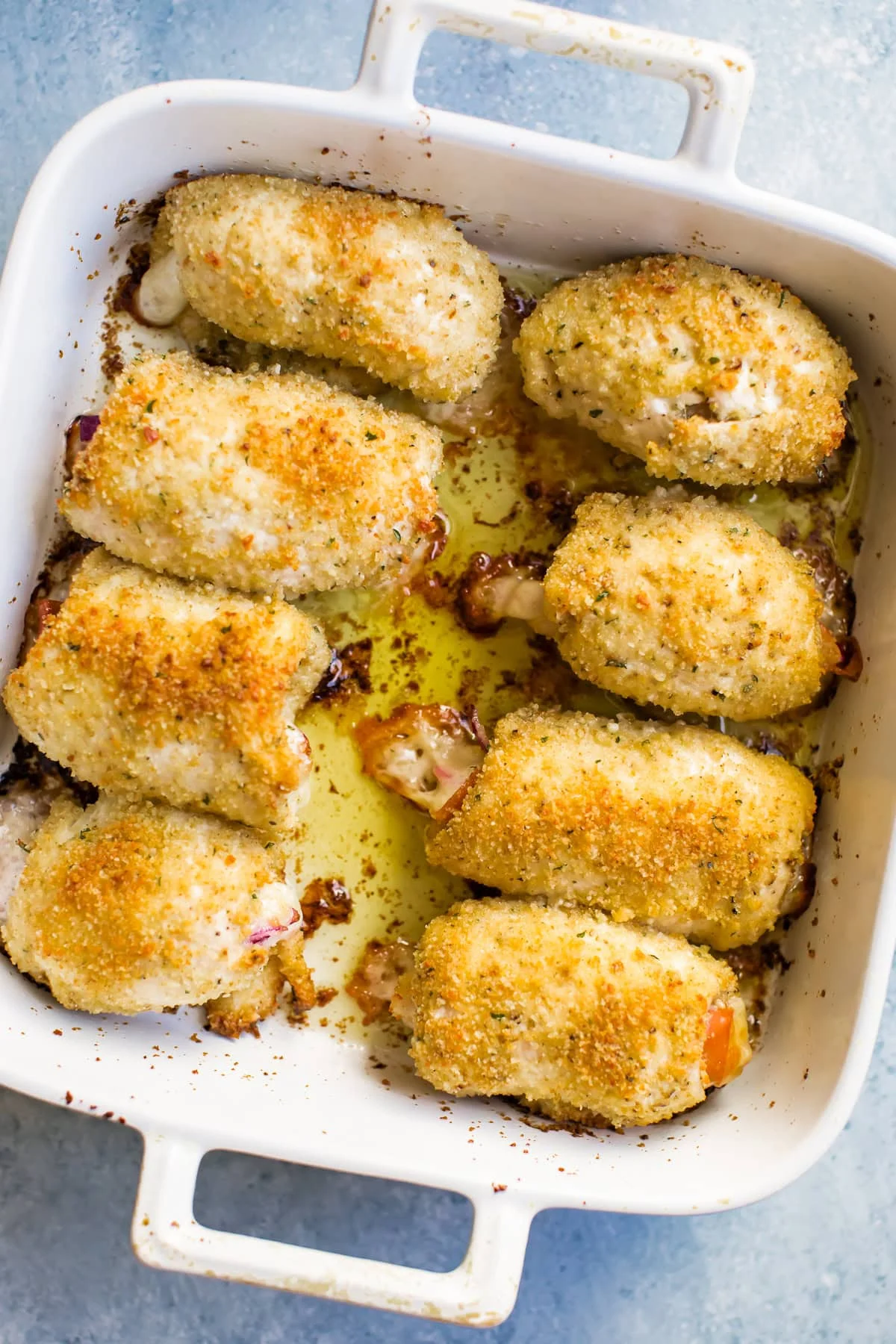
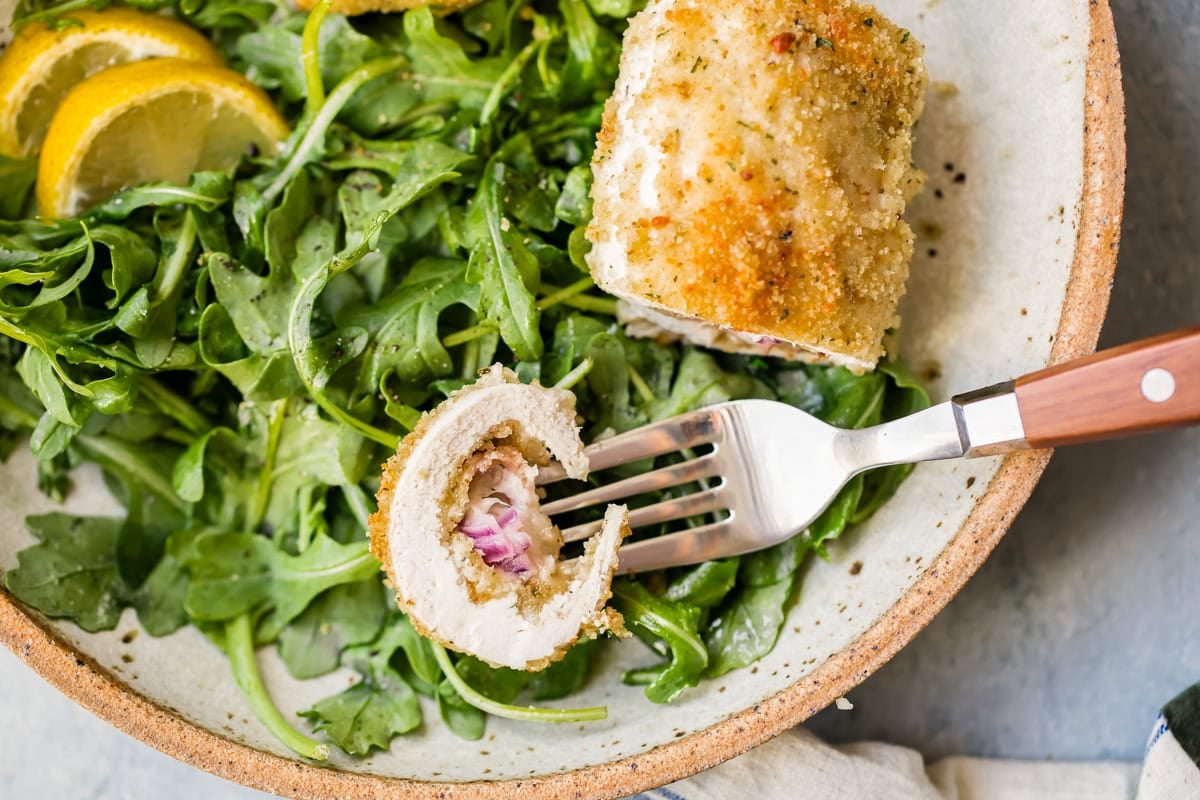
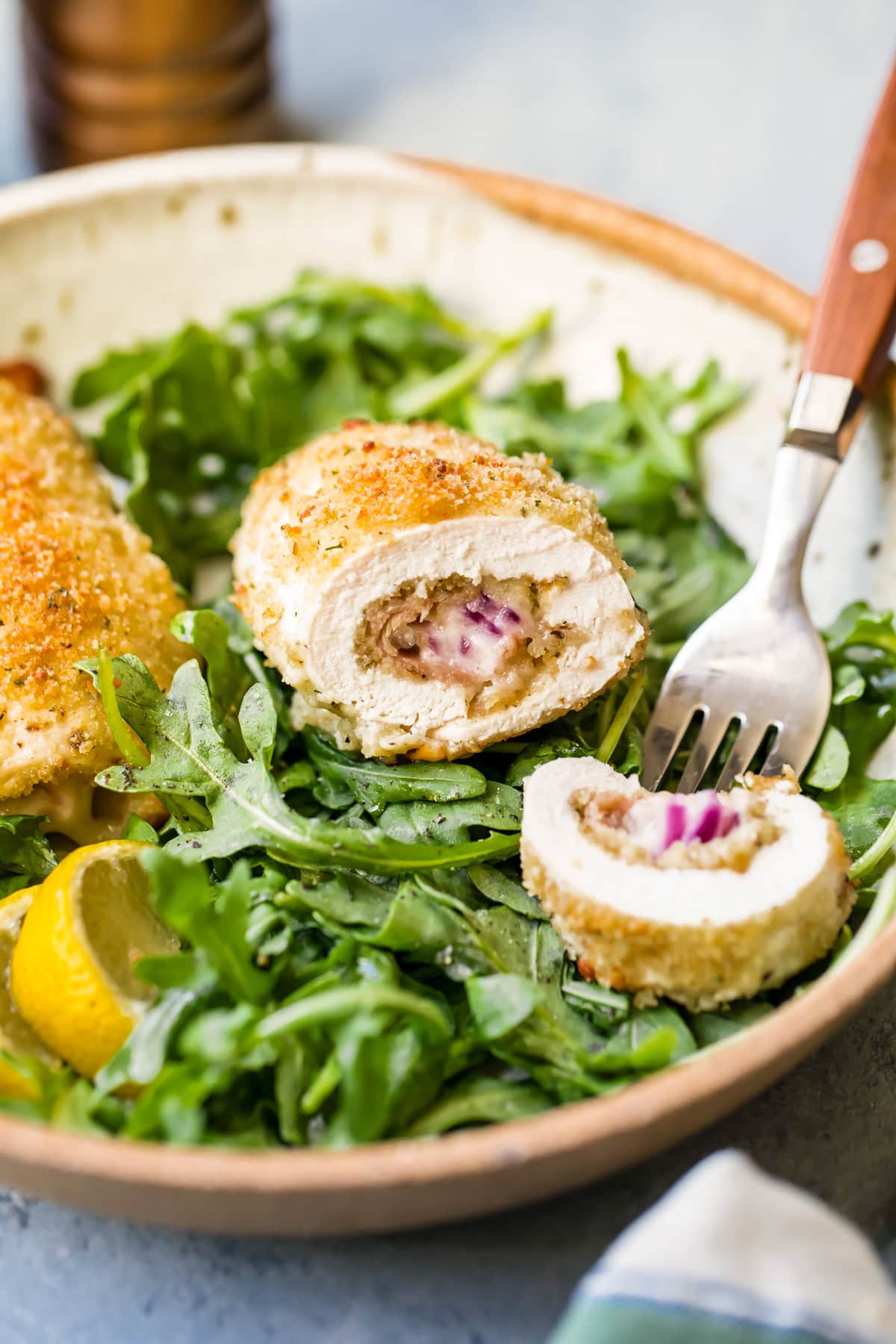
This culinary report details the preparation and significance of Baked Chicken Rollatini with Prosciutto and Cheese, a dish that has garnered significant attention in home kitchens for its blend of traditional Italian-American flavors and approachable preparation. Originating as a solution for those seeking a departure from conventional chicken preparations, this recipe offers a sophisticated yet straightforward approach to weeknight dining. The dish features chicken breasts expertly pounded, then filled with a savory combination of provolone cheese and thinly sliced prosciutto, complemented by a subtle hint of red onion. The assembled rollatini are subsequently coated in lemony breadcrumbs before being baked to a golden perfection, yielding a crisp exterior and a tender, flavorful interior.
Historical and Culinary Foundations of Rollatini
The concept of "rollatini" finds its roots in classic Italian cuisine, where dishes known as "involtini" have been a staple for centuries. "Involtini," meaning "small bundles" or "rolls," traditionally refers to thin slices of meat (such as veal or beef), fish, or vegetables (like eggplant or zucchini) wrapped around a filling of cheese, breadcrumbs, herbs, and sometimes cured meats. These bundles are then typically pan-fried, braised, or baked, often in a tomato-based sauce. The Americanized "rollatini" often specifies a slightly thicker cut and a baking method, making it a popular choice for home cooks due to its relative ease and less messy preparation compared to frying.
The integration of specific ingredients like prosciutto and provolone cheese in this particular rollatini recipe speaks to a rich Italian culinary heritage. Prosciutto, a dry-cured ham, is celebrated for its delicate, salty, and subtly sweet flavor profile, adding a layer of umami and texture. Provolone, a semi-hard Italian cheese, offers a mild, tangy taste and excellent melting characteristics, contributing to the dish’s comforting, gooey center. The use of red onion provides a sharp counterpoint, cutting through the richness of the cheese and ham, while the lemon-infused breadcrumbs introduce a bright, zesty note that elevates the overall flavor experience beyond a mere savory profile. This specific adaptation of the rollatini, emphasizing a baked, breaded chicken preparation, demonstrates the evolution of traditional recipes to suit modern palates and culinary techniques, prioritizing both flavor complexity and cooking efficiency.
Deconstructing the Components: A Detailed Ingredient Analysis
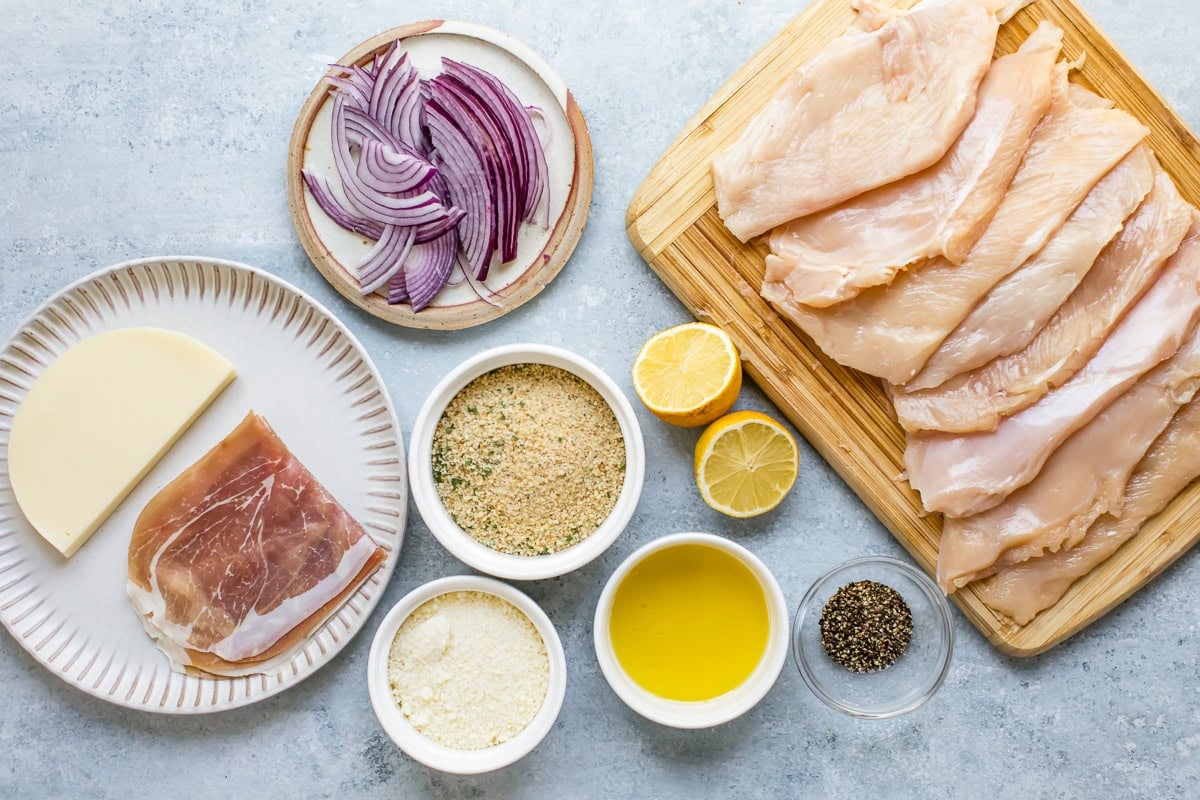
The success of Baked Chicken Rollatini hinges on the quality and preparation of its core ingredients. Each component plays a crucial role in achieving the desired balance of flavor, texture, and nutritional value.

- Chicken Breasts: The foundation of the dish. Boneless, skinless chicken breasts are preferred for their lean protein content and ease of preparation. Pounding the chicken to an even thickness (approximately ¼ to ½ inch) is paramount. This technique not only tenderizes the meat but also creates a uniform surface for rolling, ensuring even cooking. Uneven thickness can lead to dry, overcooked edges and undercooked centers.
- Prosciutto: Thinly sliced prosciutto is central to the filling. Its saltiness and cured flavor permeate the chicken during baking, while its delicate texture contributes to the overall mouthfeel. Varieties like Prosciutto di Parma or San Daniele are highly regarded for their quality.
- Provolone Cheese: Sliced provolone provides the creamy, melty interior. Provolone dolce (sweet provolone) is milder and softer, ideal for melting, while provolone piccante (sharp provolone) offers a more assertive flavor. The choice depends on personal preference for intensity. Its fat content also helps keep the chicken moist.
- Red Onion: Finely diced red onion offers a pungent, slightly sweet crunch that balances the richness of the prosciutto and cheese. Its raw state softens considerably during baking, imparting a subtle sweetness.
- Breadcrumbs: A critical element for the crisp exterior. Plain or Italian-style breadcrumbs can be used, with panko breadcrumbs offering a particularly light and airy crunch due to their larger, flakier texture. The breadcrumbs absorb the lemon-olive oil mixture, allowing for a flavorful, golden crust.
- Lemon Juice and Olive Oil: This combination serves a dual purpose: it acts as the adhesive for the breadcrumbs, replacing traditional egg washes, and infuses the chicken with a bright, acidic flavor. Lemon juice tenderizes the chicken slightly and adds a refreshing zest, while olive oil ensures moisture and promotes browning. Extra virgin olive oil is recommended for its superior flavor.
- Seasonings: Salt and freshly ground black pepper are essential for enhancing the natural flavors of the chicken and filling. Additional herbs like dried oregano or Italian seasoning can be incorporated into the breadcrumbs for added aromatic complexity.
The Method: A Step-by-Step Culinary Chronology
The preparation of Baked Chicken Rollatini is a systematic process designed to optimize flavor development and texture. Adhering to the following chronology ensures a successful outcome:
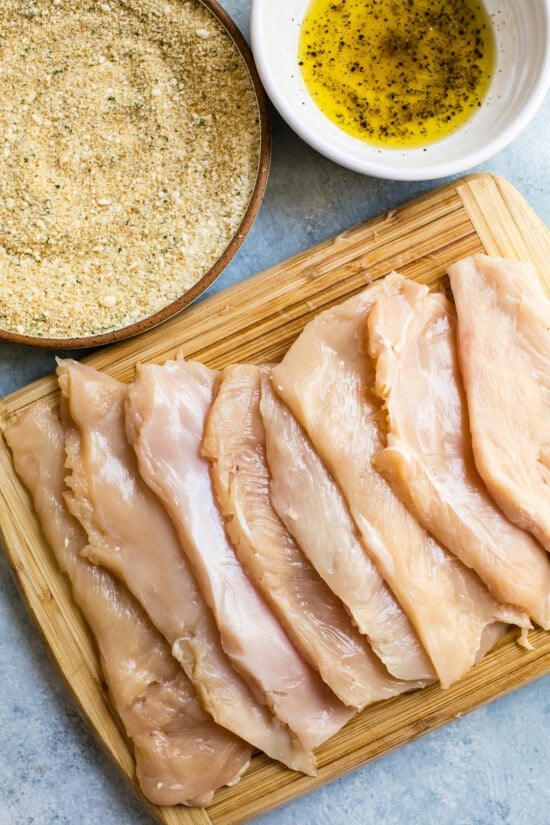
- Preparation of Chicken Cutlets: Begin by patting the boneless, skinless chicken breasts dry. Place each breast between two sheets of plastic wrap or parchment paper. Using a meat mallet or the flat side of a heavy pan, pound the chicken evenly to a thickness of approximately ¼ to ½ inch. This step is crucial for creating a consistent base for rolling and ensuring even cooking. Season both sides of the pounded cutlets lightly with salt and pepper.
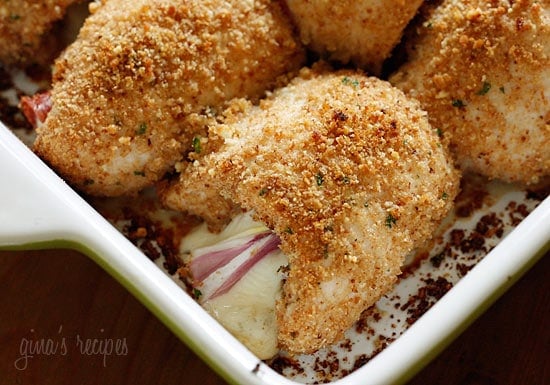
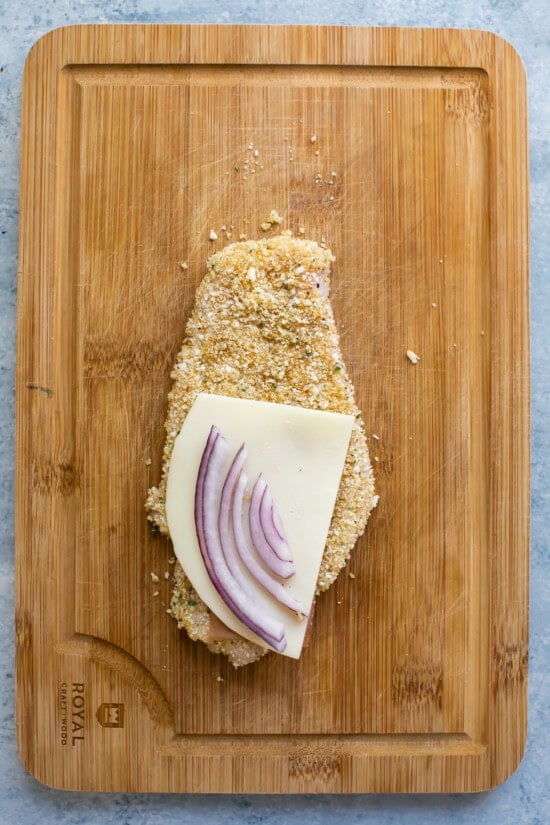
- Assembling the Filling: On each pounded chicken cutlet, arrange a slice of prosciutto, ensuring it covers most of the surface. Follow with a slice of provolone cheese, and then sprinkle a small amount of finely diced red onion over the cheese. The layering is important for distributing the flavors throughout the roll.
- Rolling the Rollatini: Carefully roll each chicken cutlet tightly from one end to the other, encasing the filling. Secure the roll with a wooden toothpick or kitchen twine to prevent it from unraveling during baking. This compact form is what defines the "rollatini."
- The Breading Process: In a shallow dish, combine fresh lemon juice and a good quality extra virgin olive oil. In a separate shallow dish, place the breadcrumbs (seasoned with salt, pepper, and optional herbs). Dip each secured chicken rollatini first into the lemon-olive oil mixture, ensuring it is thoroughly coated. This step is key, as the oil and lemon juice act as a flavorful binder for the breadcrumbs. Immediately transfer the rollatini to the breadcrumb dish, pressing gently to ensure an even and complete coating.
- Baking Preparation: Preheat the oven to the specified temperature, typically around 375-400°F (190-200°C). Lightly grease a baking dish or line it with parchment paper to prevent sticking. Arrange the breaded chicken rollatini in a single layer in the prepared dish, ensuring they are seam-side down to help maintain their shape. Lightly spray the tops of the rollatini with a little extra olive oil or cooking spray; this aids in achieving a golden-brown, crispy crust.
- Baking: Bake for approximately 20-25 minutes, or until the chicken is cooked through and reaches an internal temperature of 165°F (74°C) when measured with a meat thermometer inserted into the thickest part of the roll. The breadcrumbs should be golden and crisp. Baking time may vary slightly depending on the thickness of the chicken and oven calibration.
- Resting and Serving: Once baked, remove the rollatini from the oven and let them rest for a few minutes before serving. This allows the juices to redistribute, ensuring a more tender and flavorful chicken. Carefully remove any toothpicks or twine before plating.
Advanced Culinary Insights and Adaptations
The innovative use of lemon juice and olive oil as a breading adhesive, highlighted by the recipe’s creator Gina, is a prime example of culinary ingenuity. This method not only bypasses the need for an egg wash, potentially reducing calories and simplifying the process, but also infuses the chicken with a bright, citrusy note from the outset. From a culinary science perspective, the emulsification of olive oil and lemon juice creates a sticky, slightly acidic surface that breadcrumbs adhere to effectively. The acidity of the lemon also subtly denatures proteins on the chicken’s surface, enhancing tenderness and flavor penetration.

For those seeking alternative cooking methods, the Air Fryer Chicken Rollatini offers a compelling option. By placing the rollatini seam-side down in a single layer in the air fryer basket (working in batches if necessary), lightly spraying with oil, and air frying at 400°F (200°C) for about 12 minutes, flipping halfway through, one can achieve a remarkably crisp exterior with significantly less oil than traditional frying, while still ensuring the chicken reaches the safe internal temperature of 165°F (74°C). This adaptation caters to the growing demand for healthier and faster cooking solutions without compromising on texture.
Nutritional Profile and Dietary Implications
A serving of two pieces of Baked Chicken Rollatini, as per the provided nutritional data, offers approximately 413 kcal, 10g carbohydrates, 49g protein, 17g fat (including 5.5g saturated fat), 160mg cholesterol, 899mg sodium, 1g fiber, and 1g sugar. This profile indicates a dish that is notably high in protein, making it a satiating option. The fat content is moderate, primarily from the cheese, prosciutto, and olive oil. The carbohydrate count is relatively low, making it suitable for certain dietary approaches.
From a public health perspective, understanding the sodium content (899mg) is important, particularly for individuals managing hypertension. Substituting lower-sodium prosciutto or reducing added salt can mitigate this. For those with gluten sensitivities, gluten-free breadcrumbs can be easily substituted without significantly altering the texture or flavor. The dish’s versatility also allows for the incorporation of vegetables within the filling, such as spinach or mushrooms, to boost fiber and micronutrient intake, further enhancing its nutritional value. The "generous serving size" of two pieces suggests that for lighter appetites or as part of a multi-course meal, one piece might suffice, reducing the caloric and sodium intake per meal.
Broader Impact and Culinary Significance
Baked Chicken Rollatini with Prosciutto and Cheese stands as a testament to the enduring appeal of comfort food that cleverly balances traditional flavors with modern convenience. Its "easy dinner that feels special" characteristic addresses a significant demand in contemporary home cooking: meals that are both accessible for busy weeknights and impressive enough for entertaining. The recipe’s longevity, noted to have been prepared since 2011, underscores its timeless appeal and adaptability.
The dish’s versatility extends to its accompaniments, which can range from simple, refreshing salads like arugula or tomato salad to heartier options such as Italian Chopped Salad, Parmesan Zucchini, Risotto Primavera, Orzo with Zucchini and Tomato, Roasted Broccoli with Smashed Garlic, or Cottage Cheese Cacio e Pepe. This array of pairing suggestions highlights its ability to integrate into diverse meal plans and cater to varied preferences, solidifying its role as a staple in a well-rounded culinary repertoire.
In conclusion, this Baked Chicken Rollatini with Prosciutto and Cheese is more than just a recipe; it is a culinary narrative that speaks to innovation in home cooking, the rich tapestry of Italian-American flavors, and the constant evolution of dishes to meet contemporary demands for health, convenience, and exceptional taste. Its detailed methodology, thoughtful ingredient selection, and adaptability cement its place as a valued contribution to modern gastronomy.
