

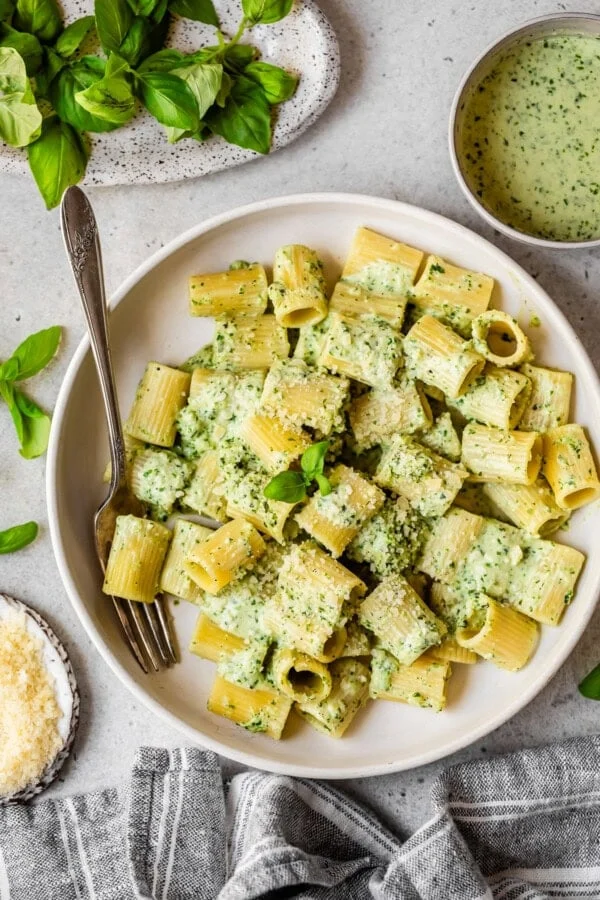
A novel culinary approach is gaining traction, demonstrating how traditional comfort foods can be reimagined for enhanced nutritional value without sacrificing taste or texture. The "Creamy Pesto Pasta with Cottage Cheese" recipe, a recent development in health-conscious cooking, skillfully incorporates whipped cottage cheese to boost protein and achieve a luxurious creaminess, effectively transforming a classic dish into a more wholesome meal. This innovation addresses a growing consumer demand for dishes that are both satisfying and nutritionally optimized, particularly for individuals and families seeking to increase protein intake and manage caloric content without compromising on flavor.
The Culinary Innovation: A Hidden Protein Powerhouse
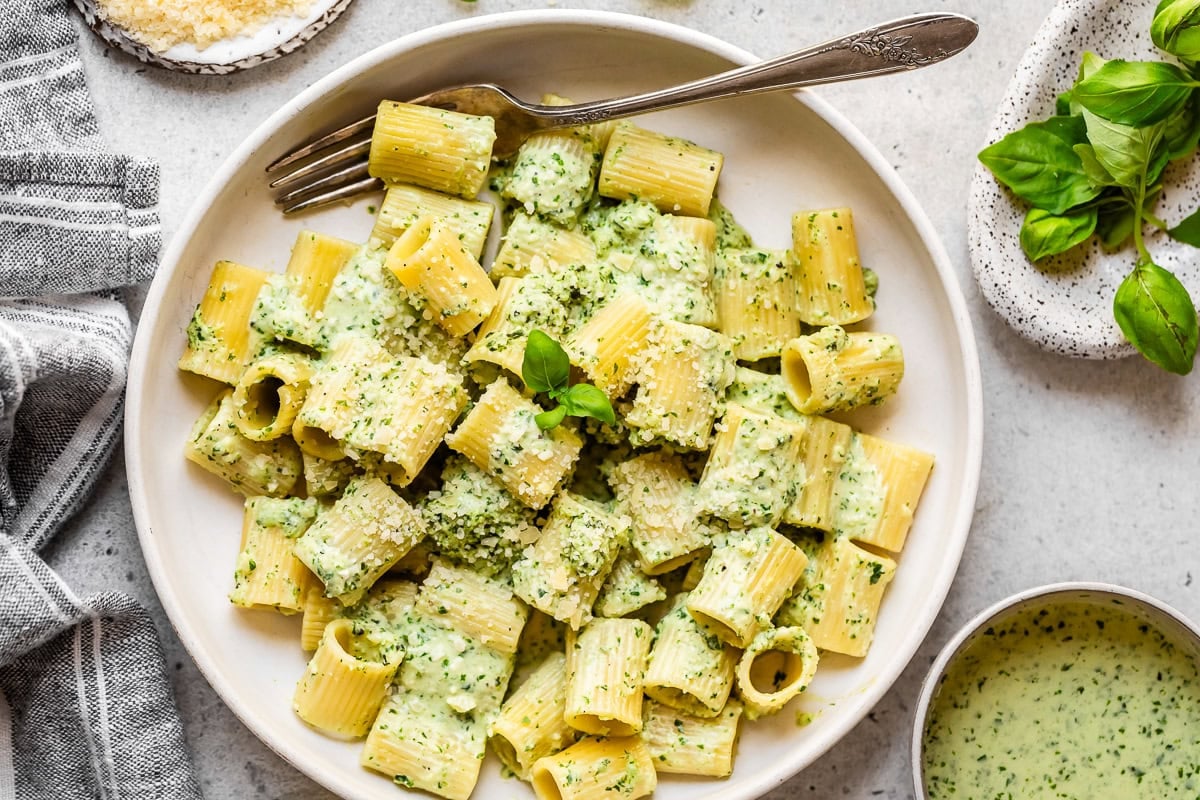
At the heart of this culinary development lies the ingenious use of cottage cheese. Traditionally viewed as a standalone snack or a simple side, cottage cheese is now being creatively integrated into sauces, dips, and baked goods to enhance their nutritional profile and texture. In the context of creamy pesto pasta, the method involves blending cottage cheese until it achieves an ultra-smooth, velvety consistency. This whipped cottage cheese is then seamlessly combined with traditional basil pesto, creating a rich sauce that is virtually indistinguishable from one made with heavier, higher-fat dairy products like heavy cream or excessive oil.
The "secret ingredient" aspect is a key factor in its appeal, especially for families with picky eaters or individuals who might be hesitant about consuming cottage cheese due to its distinctive texture. By rendering it smooth and masking its presence within the familiar, aromatic embrace of basil pesto, the dish becomes an accessible vehicle for increased protein. This approach cleverly navigates common dietary hurdles, allowing for the stealth inclusion of nutrient-dense ingredients into popular comfort foods. The result is a creamy, flavorful pasta dish that delivers a significant protein boost, promoting satiety and supporting muscle health, all while maintaining a lower calorie and fat profile compared to its conventional counterparts.
Nutritional Ingenuity: Beyond Traditional Cream
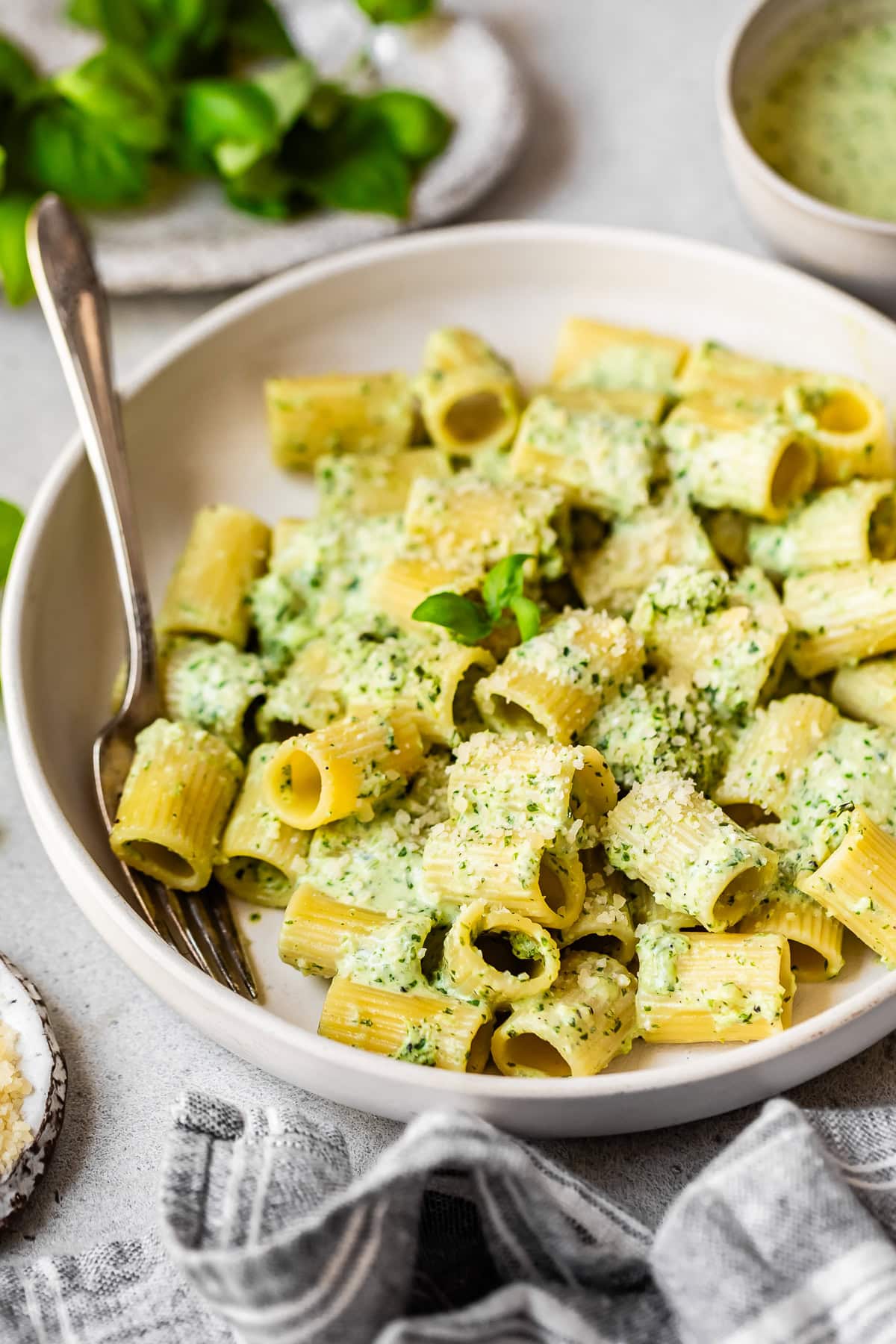
The shift from traditional creamy pasta sauces to a cottage cheese-based alternative represents a significant nutritional upgrade. Conventional creamy sauces often rely on heavy cream, butter, or large quantities of oil, contributing substantial amounts of saturated fat and calories to a meal. While delicious, these can be less ideal for those monitoring their cardiovascular health or calorie intake.
Cottage cheese, particularly its low-fat or non-fat varieties, offers an excellent source of high-quality protein, primarily casein, which is known for its slow-digesting properties, promoting sustained satiety. A typical serving of this innovative creamy pesto pasta, estimated at approximately 1.5 cups, delivers around 340 calories, 14.5 grams of protein, and only 7 grams of fat, with a mere 2 grams of saturated fat. In contrast, a similar portion of traditional pesto pasta enriched with heavy cream could easily exceed 500-600 calories and contain significantly higher amounts of saturated fat, often upwards of 20-30 grams, with comparable or even lower protein content depending on other ingredients.
The incorporation of cottage cheese not only reduces the caloric density and fat content but also substantially increases the protein per serving. Protein is a vital macronutrient essential for muscle repair and growth, immune function, and the production of enzymes and hormones. Dietary guidelines consistently emphasize the importance of adequate protein intake for overall health and weight management. By leveraging cottage cheese, this recipe offers a practical and palatable way for consumers to meet their protein needs without resorting to more processed protein supplements or sacrificing the enjoyment of a beloved pasta dish. The addition of fiber, roughly 6.5 grams per serving in the cottage cheese pesto pasta, further enhances its nutritional value, aiding in digestion and contributing to prolonged feelings of fullness.

The Resurgence of Cottage Cheese: A Versatile Ingredient
Cottage cheese has experienced a remarkable culinary renaissance in recent years. Once a diet staple of the mid-20th century, its popularity waned somewhat before a resurgence driven by a renewed focus on high-protein, wholesome foods. Modern consumers, increasingly health-conscious, are rediscovering cottage cheese not just as a simple snack but as a versatile ingredient capable of transforming a wide array of dishes.
This renewed interest is fueled by its impressive nutritional profile – low in calories and fat (especially low-fat varieties) and rich in protein and calcium – combined with its mild flavor and adaptable texture. Food innovators and home cooks alike are experimenting with cottage cheese in smoothies, savory dips, pancakes, baked goods, and now, pasta sauces. Its ability to blend into a smooth, creamy base makes it an ideal substitute for heavier dairy products, offering a lighter yet equally satisfying mouthfeel. This trend is further amplified by the proliferation of food blogs and social media platforms dedicated to healthy eating, where creative uses for ingredients like cottage cheese are shared and celebrated, inspiring a broader audience to experiment in their own kitchens. The "Creamy Pesto Pasta with Cottage Cheese" stands as a prime example of this innovative spirit, demonstrating how a humble ingredient can be elevated to new culinary heights through thoughtful application.

Impact on Home Cooking and Dietary Habits
This innovative approach to pesto pasta has significant implications for home cooking and the dietary habits of many households. It provides an accessible solution for individuals striving to make healthier choices without resorting to restrictive diets or bland meals. The "stealth health" aspect, where nutritious ingredients are subtly incorporated, is particularly beneficial for parents aiming to boost their children’s protein intake or for adults dealing with picky eaters. The fact that the cottage cheese is undetectable in the final sauce can lead to greater acceptance and enjoyment of a more nutritious meal.
Furthermore, the recipe’s ease of preparation — requiring minimal cooking time and straightforward steps like blending the cottage cheese and mixing it with pesto and cooked pasta — makes it an attractive option for busy weeknights. This simplicity encourages more home cooking, potentially reducing reliance on less healthy takeout or pre-packaged meals. By empowering home cooks with practical, delicious, and nutritionally superior alternatives, such innovations contribute to a broader shift towards more balanced and mindful eating practices across society. It demonstrates that healthy eating doesn’t necessitate complex techniques or exotic ingredients but can be achieved through clever modifications of familiar dishes.
Broader Implications for the Food Industry and Consumer Trends
The success of dishes like Creamy Pesto Pasta with Cottage Cheese has broader implications for the food industry and the trajectory of consumer trends. For cottage cheese producers, this resurgence represents a significant opportunity to market their products beyond traditional breakfast or snack categories, positioning cottage cheese as a versatile, functional ingredient for main courses. Similarly, pesto manufacturers could see increased demand as consumers seek convenient ways to incorporate this flavorful base into their innovative, healthy recipes.
The trend also signals a continued demand for "better-for-you" comfort foods – dishes that evoke nostalgia and satisfaction but are re-engineered to align with modern health goals. This pressure will likely drive product development in the healthy convenience food sector, leading to more high-protein, lower-fat alternatives for sauces, dips, and ready-to-eat meals. Companies that can successfully innovate by incorporating nutrient-dense ingredients into popular food items are likely to capture a significant share of the evolving market.

Looking ahead, this trend suggests an ongoing evolution in "clean eating" and "flexitarian" diets, where consumers are not just avoiding certain ingredients but actively seeking to maximize the nutritional value of their meals. This could pave the way for other traditional ingredients to be re-evaluated and repurposed for their health benefits, leading to further culinary innovations that blur the lines between indulgence and nutrition.
Expert Perspectives and Consumer Reception
Nutritionists and culinary experts have largely lauded this type of culinary innovation. Dr. Elena Petrova, a registered dietitian specializing in functional foods, commented, "The clever use of whipped cottage cheese in pasta sauces is an excellent example of how we can enhance the nutritional density of everyday meals. It’s a fantastic way to boost protein and calcium without adding unnecessary calories or saturated fats, aligning perfectly with recommendations for a balanced diet." She emphasized the benefit of "nutrient stacking," where multiple beneficial ingredients are combined to create a synergistic health effect.

From a culinary standpoint, Chef Marcus Thorne, known for his work in modern Italian cuisine, observed, "Achieving a creamy texture in pasta without relying heavily on traditional fats is a challenge, but cottage cheese offers a remarkably elegant solution. When blended properly, its mild flavor and smooth consistency integrate beautifully, creating a luxurious mouthfeel that complements the vibrant notes of basil pesto. It’s a testament to ingredient versatility and smart cooking."
Consumer reception has been overwhelmingly positive, particularly among those who have successfully introduced the dish to family members unaware of the "secret" ingredient. Reports from various online food communities and forums indicate a high satisfaction rate, with many expressing surprise at how well the cottage cheese blends in and how much their families enjoy the healthier version of a classic. This psychological aspect – the ability to enjoy a traditionally indulgent meal with reduced guilt and added nutritional benefits – is a powerful driver of its popularity. The anecdotal success stories highlight a growing consumer desire for transparent yet effective health solutions in their daily diets.
Practicalities and Adaptability
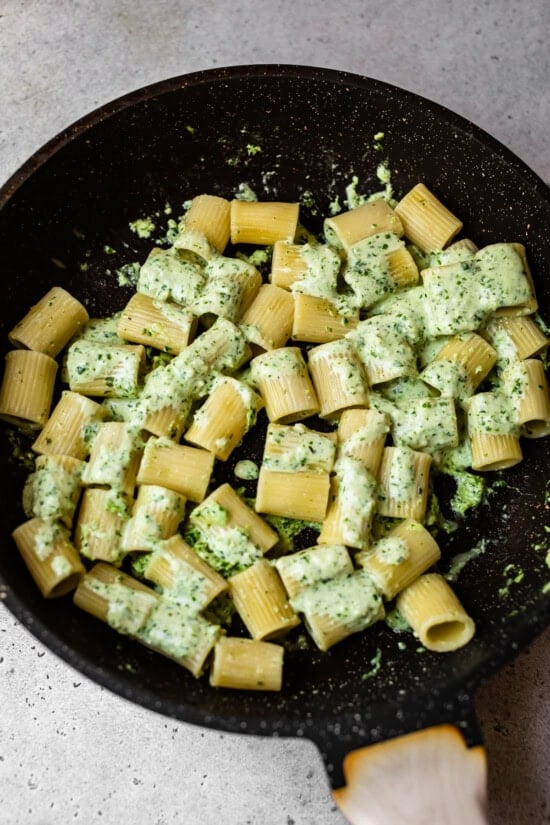
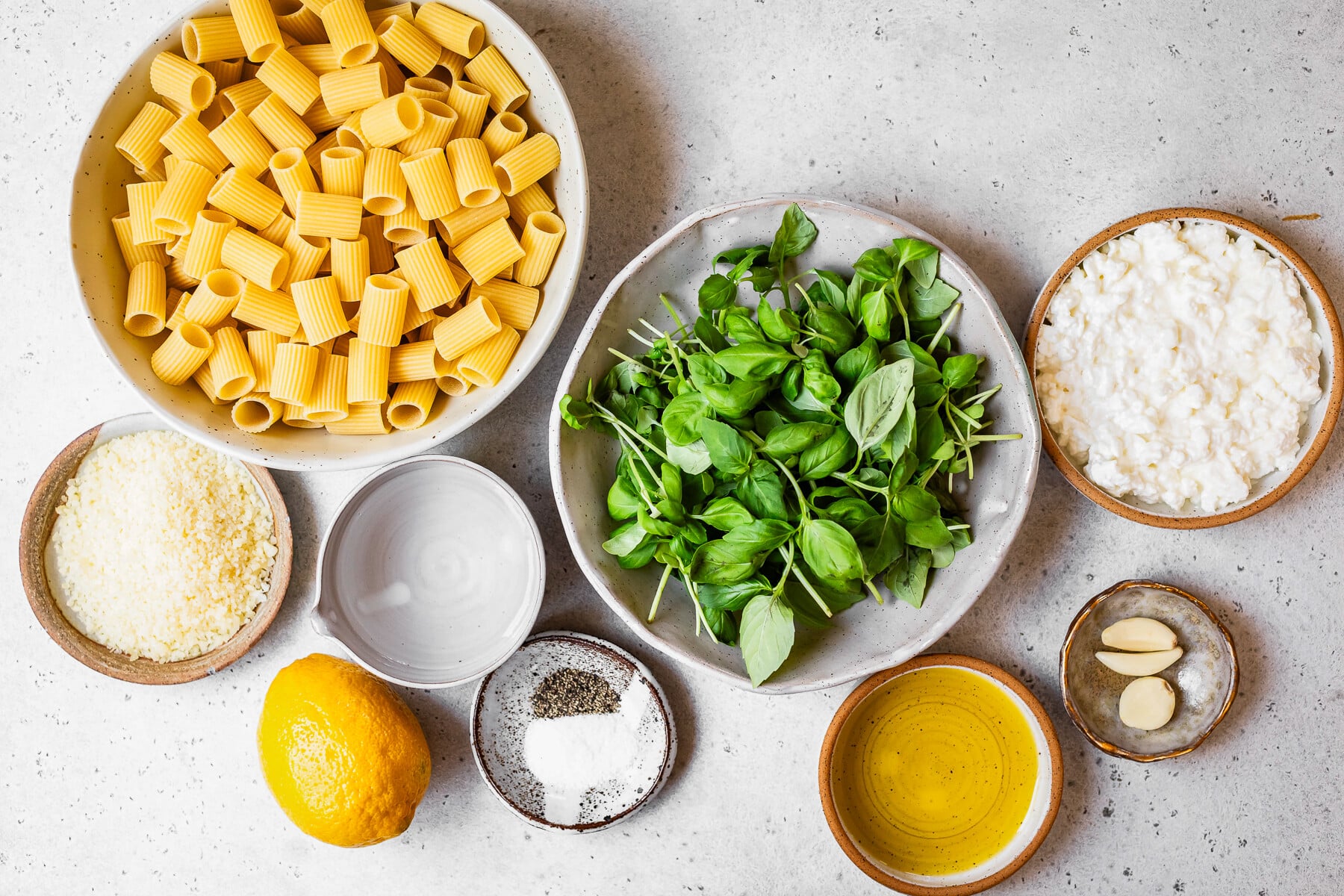
Beyond its nutritional advantages and innovative technique, the Creamy Pesto Pasta with Cottage Cheese also excels in practicality and adaptability. The preparation is straightforward, typically requiring less than 30 minutes from start to finish, making it an ideal choice for a quick weeknight dinner. The key steps involve boiling pasta, blending the cottage cheese until smooth, and then combining it with pesto and the hot pasta, utilizing some of the starchy pasta water to achieve a silky, cohesive sauce.
Its versatility is another major draw. The dish can be easily paired with various pasta shapes, from spaghetti to penne, and can be augmented with a plethora of vegetables such as cherry tomatoes, spinach, roasted bell peppers, or steamed broccoli for added nutrients and color. For those seeking an even more robust meal, lean protein additions like grilled chicken, baked salmon, or sautéed shrimp integrate seamlessly with the creamy pesto sauce, transforming it into a complete, high-protein meal.
For meal preppers, this dish offers excellent storage capabilities. Leftovers can be stored in an airtight container in the refrigerator for several days and reheated gently, perhaps with a splash of water or broth to restore its creamy consistency. This makes it a convenient option for packed lunches or quick dinners throughout the week, further solidifying its role as a staple in health-conscious kitchens. The ability to customize ingredients and adapt to dietary preferences (e.g., using gluten-free pasta or a nut-free pesto) only enhances its appeal, ensuring it can cater to a wide range of palates and needs.
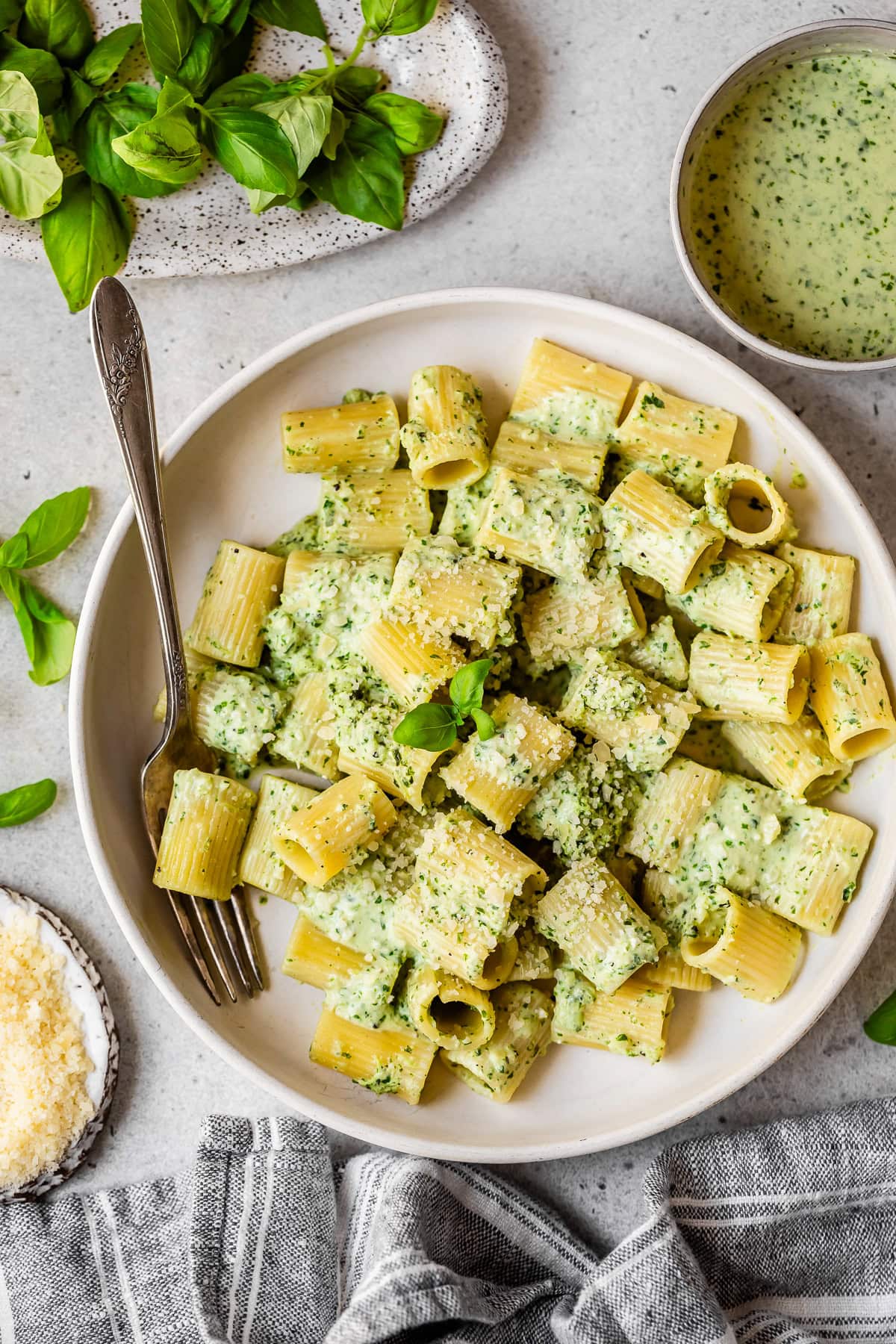
In conclusion, the Creamy Pesto Pasta with Cottage Cheese is more than just a recipe; it represents a significant step forward in the ongoing evolution of healthy eating. By ingeniously leveraging the nutritional benefits and adaptable texture of cottage cheese, this dish offers a delicious, protein-rich, and calorie-conscious alternative to a beloved classic. Its growing popularity underscores a broader culinary trend towards innovative ingredient use, mindful nutrition, and the creation of "stealth health" meals that satisfy both palate and dietary goals, proving that nutritious eating can indeed be both delicious and accessible for everyone.
