

This post may contain affiliate links. Please read our disclosure policy.
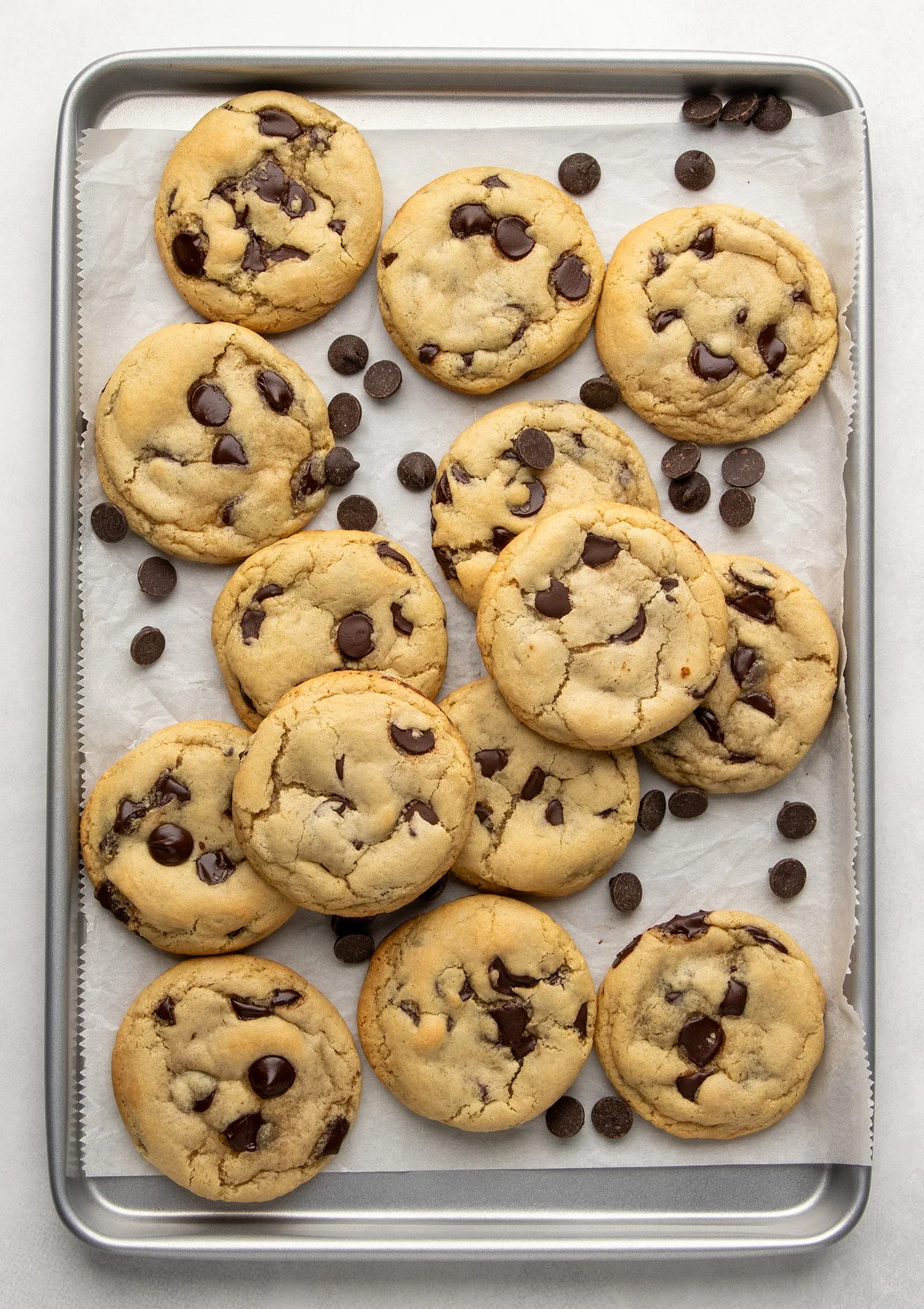
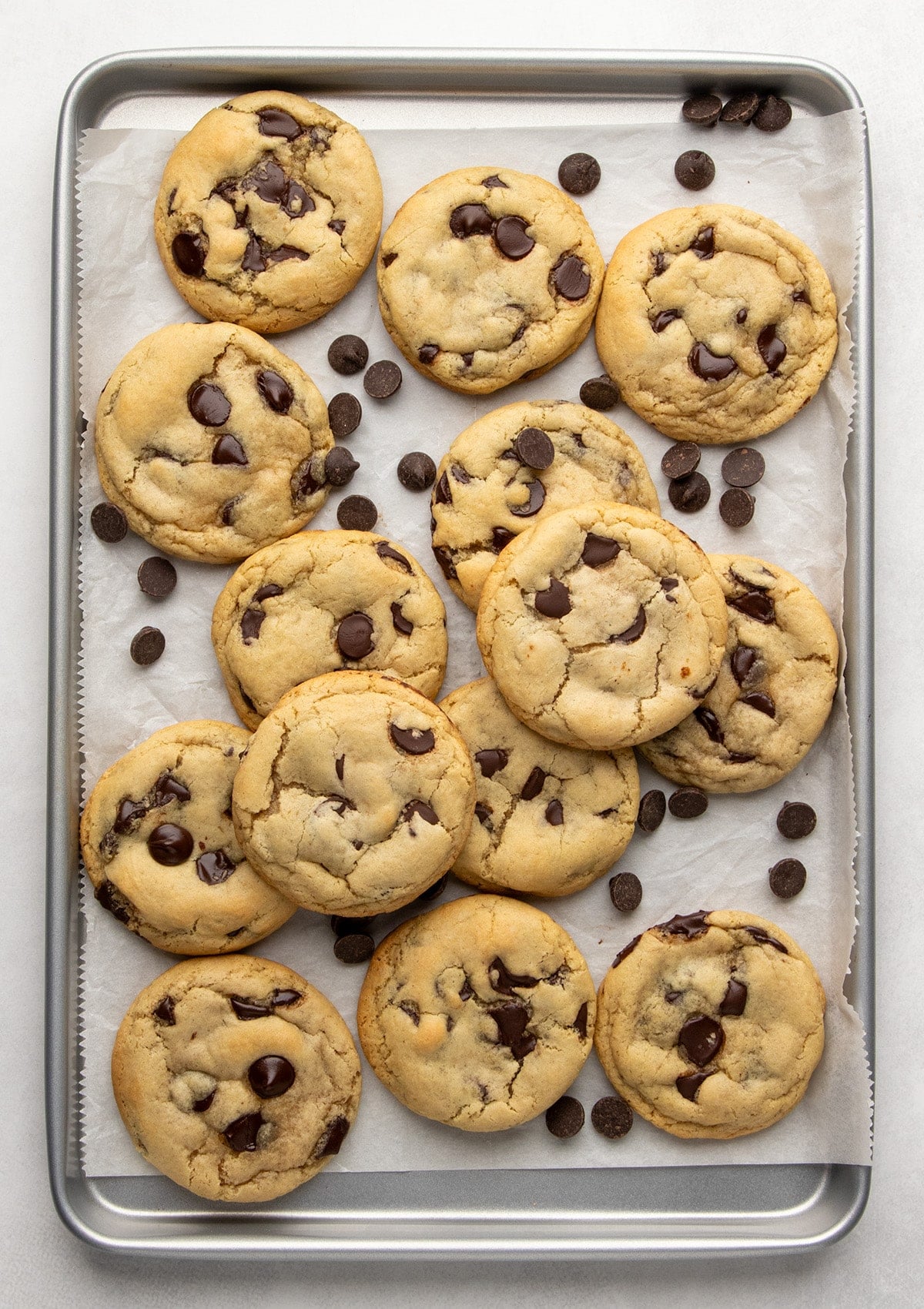
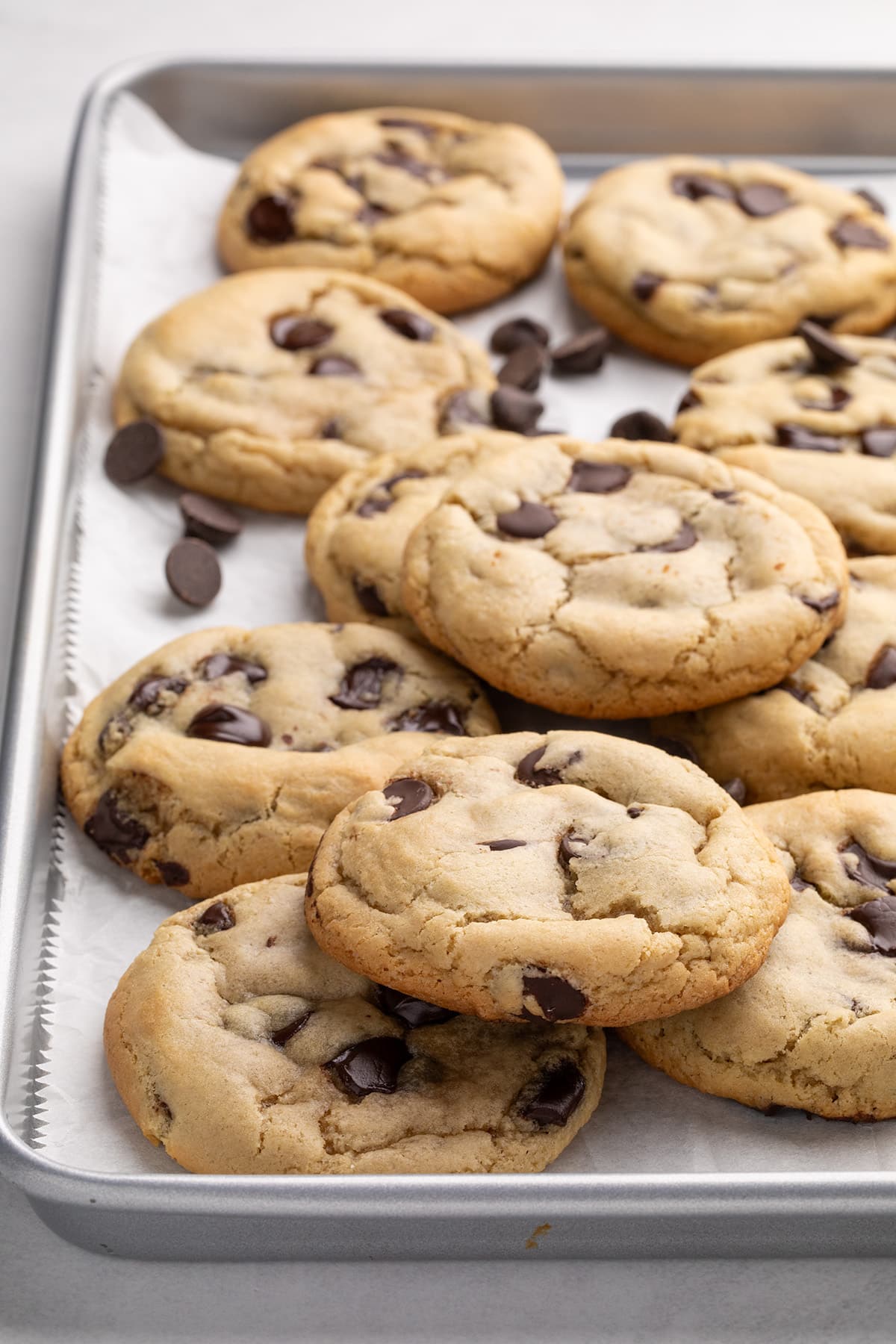
The quest for a truly exceptional gluten-free and dairy-free chocolate chip cookie has long been a culinary Everest for many home bakers. Traditional recipes often falter when adapted to omit dairy, leading to cookies that spread too thinly, become greasy, or lack that satisfying chew. However, a groundbreaking new recipe is emerging, promising to deliver thick, chewy cookies with delightfully crisp edges and soft, tender centers, all without a trace of dairy or gluten. This innovative approach leverages specific ingredients and techniques to overcome common pitfalls, offering a robust solution for those with dietary restrictions or simply seeking a superior cookie experience.
The development of this recipe stems from a critical understanding of how dairy fats behave differently in baking compared to their vegan counterparts. Unlike recipes that merely offer a "dairy-free option" by substituting butter with a generic vegan spread, this formula is designed from the ground up to work harmoniously without dairy. The core of its success lies in the strategic use of cold, block-style vegan butter and almond flour. These ingredients are not merely replacements; they are foundational elements that contribute to the cookies’ ideal moisture content, achieve a desirable golden-brown hue, and impart a rich, buttery flavor profile.
The Science Behind the Success: Why This Recipe Works
The challenge with many gluten-free and dairy-free baked goods lies in replicating the texture and flavor that dairy butter and gluten provide. Traditional butter, with its specific fat and water composition, contributes significantly to the spread, chew, and browning of cookies. When this is replaced with vegan butter, which often has a different fat structure and a lower melting point, the results can be unpredictable. Many so-called "dairy-free options" simply swap butter for a tub-style vegan spread, which is typically higher in water content and can lead to excessive spreading and a greasy texture.

This recipe ingeniously sidesteps these issues by employing a technique of cutting cold, block-style vegan butter directly into the dry ingredients. This method, rather than creaming butter and sugar (which incorporates air and can lead to greasiness with vegan butter), ensures that the fat is evenly distributed in small pieces. As the cookies bake, these pieces melt, creating pockets of richness and contributing to the desired thick texture without the dough becoming overly liquid. The use of almond flour further enhances the cookie’s structure and flavor. Almond flour is naturally moist and contains healthy fats that contribute to tenderness and a beautiful browning, providing a depth of flavor that can be difficult to achieve with gluten-free flour blends alone.
The inclusion of a butter bakery emulsion, while optional, is another key element that elevates the flavor. This concentrated flavoring agent can significantly boost the buttery notes, making the cookies taste remarkably similar to their dairy-laden counterparts. However, the recipe is formulated to perform admirably even without this addition, demonstrating the robustness of the core ingredients.
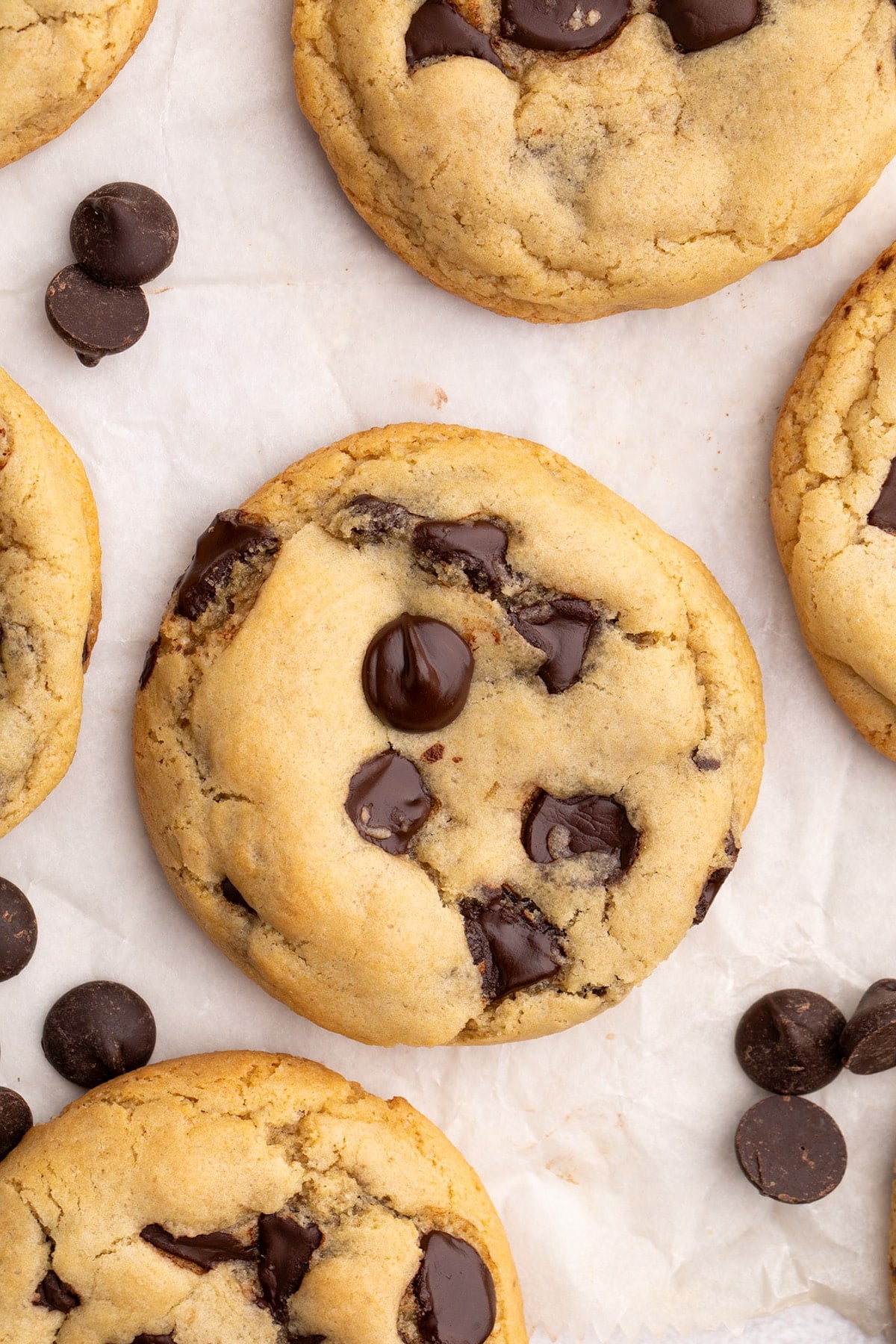
A crucial step in achieving the perfect texture is a brief chilling period for the dough. This allows the ingredients to hydrate and the fats to firm up, making the dough easier to handle and shape. More importantly, it helps control the spread during baking, ensuring the cookies remain thick and do not flatten into crisp discs. The baking process itself is also carefully managed; the cookies are removed from the oven when the centers still appear slightly soft. This is because residual heat will continue to cook them as they cool, resulting in a perfectly soft and chewy interior that can remain so for days.
A Glimpse into the Ingredients: Crafting the Perfect Dough
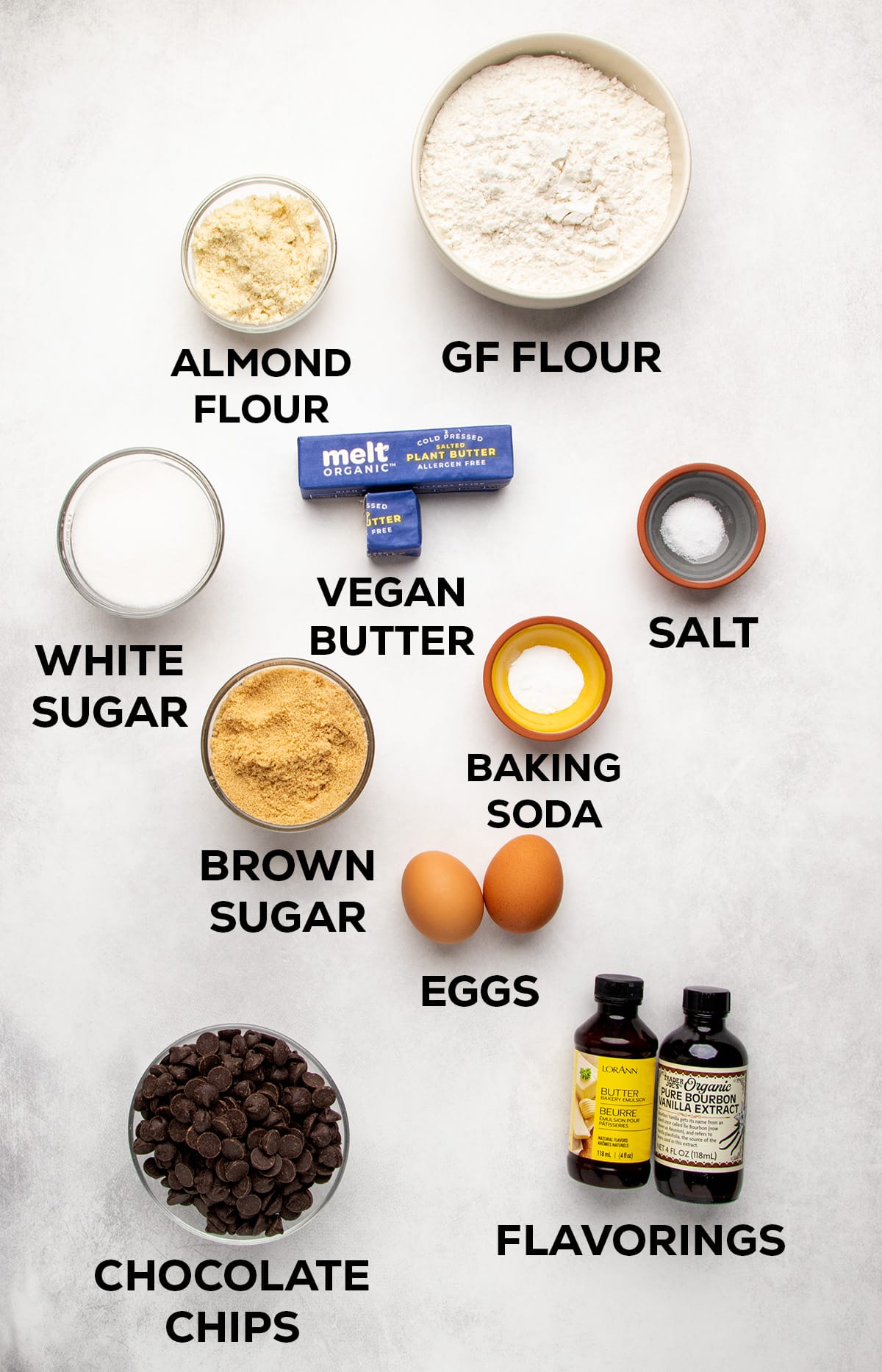
To achieve these remarkable gluten-free and dairy-free chocolate chip cookies, a specific set of ingredients is essential. The foundation of the dry ingredients includes a well-balanced gluten-free flour blend, crucial for providing structure without gluten. The addition of almond flour contributes essential moisture, tenderness, and a subtle nutty flavor that complements the chocolate. Salt is vital for balancing sweetness and enhancing overall flavor. Baking soda acts as a leavening agent, helping the cookies to rise and achieve their characteristic thickness.
For sweetness, a combination of granulated sugar and light brown sugar is used. Granulated sugar contributes to crisp edges, while brown sugar adds moisture and a deeper, caramel-like flavor, contributing to the cookie’s chewiness. The star of the fat component is cold, block-style vegan butter. Its firm texture when cold is paramount to the success of the cutting-in method. Eggs serve as binders and contribute to richness and structure. Flavorings, such as pure vanilla extract and an optional butter bakery emulsion, further enhance the aromatic and taste profiles. Finally, high-quality chocolate chips are folded in to provide those irresistible pockets of melted chocolate.
The recipe emphasizes the importance of using a reputable gluten-free flour blend. Blends like Better Batter’s original all-purpose blend are recommended for their consistent performance. For those using other blends, such as Bob’s Red Mill 1-to-1 baking flour, it may be beneficial to add an extra quarter teaspoon of xanthan gum to ensure optimal structure. For individuals unable to use tree nuts, alternatives for almond flour include finely ground hazelnut flour or oat flour, though adjustments to the gluten-free flour blend may be necessary. It is also important to note that some vegan butters, like Miyoko’s, are made with cashew milk and should be avoided by those with tree nut allergies.
The Method Unveiled: Step-by-Step to Cookie Perfection
The creation of these exceptional cookies follows a logical and accessible process, designed to yield consistent results.
-
Whisking the Dry Ingredients: In a large mixing bowl, combine the gluten-free flour blend, almond flour, salt, baking soda, granulated sugar, and light brown sugar. Whisking thoroughly ensures that all dry components are evenly distributed, providing a uniform base for the dough. Any small lumps of brown sugar will naturally be incorporated during the subsequent mixing stage.
-
Cutting in the Vegan Butter: The cold vegan butter is chopped into small cubes. These cubes are then added to the dry ingredients and tossed to coat. Using a pastry blender or a fork, the butter is cut into the flour mixture until it resembles coarse crumbs. This critical step distributes the fat evenly without allowing it to melt, preventing the dough from becoming greasy.
-
Incorporating Wet Ingredients: A well is made in the center of the dry-and-butter mixture. The beaten eggs and flavorings, such as vanilla extract and the optional butter emulsion, are added to this well. The ingredients are then gently mixed until a cohesive cookie dough begins to form. Overmixing is avoided to prevent warming the dough excessively.
-
Adding the Chocolate Chips: The chocolate chips are stirred into the dough until they are evenly dispersed throughout.
-
Portioning the Dough: For consistent baking, it is recommended to portion the dough into equal amounts, approximately 2 ounces each. Using a medium ice cream scoop or two spoons is effective, and weighing the portions on a kitchen scale ensures uniformity.
-
Chilling the Dough: The portioned dough is placed on a small baking sheet and chilled in the refrigerator for about 10 minutes. This brief chill makes the dough easier to roll into smooth balls and helps control the spread during baking.
-
Baking the Cookies: Each chilled portion of dough is quickly rolled into a smooth ball between the palms of the hands. The balls are placed about 1.5 inches apart on parchment-lined baking sheets. The cookies are baked in a preheated oven at 350°F (175°C) for approximately 10 minutes. The cookies are ready when the edges are golden brown, the tops are a light tan, and the centers still appear slightly soft. Overbaking should be avoided to maintain a chewy interior.
Expert Insights for Unwavering Success
Achieving perfect gluten-free, dairy-free chocolate chip cookies hinges on attention to detail, particularly concerning ingredient temperature and handling.
-
Embrace Cold, Block-Style Vegan Butter: The choice of vegan butter is paramount. Block-style varieties, which typically contain a higher fat content and less water than their tub counterparts, are essential. Keeping this butter ice-cold from the refrigerator is crucial. When cold, it resists melting too quickly, allowing for the controlled distribution of fat needed for the cookie’s structure. Warming the vegan butter will inevitably lead to a greasier, flatter cookie.
-
The Power of a Brief Chill: While it’s tempting to bake the dough immediately, a short chilling period of the cookie dough offers significant advantages. This brief rest allows the fats to firm up, which helps the cookies rise more evenly and develop those desirable crackles on top as they settle during cooling. This controlled spread results in a thicker, chewier cookie.
-
Mindful Baking Surfaces: Avoid placing cold baking sheets directly into a hot oven. The sudden introduction of a cold surface can cause a temporary drop in oven temperature, potentially leading to uneven baking and dried-out cookies. It is advisable to chill the dough on one surface and then transfer the cookies to a room-temperature baking sheet before placing them in the preheated oven.
Navigating Ingredient Substitutions and Storage
For those with additional dietary needs or preferences, several ingredient substitutions are possible:
-
Egg-Free Options: For an egg-free version, "chia eggs" (2 tablespoons ground white chia seeds mixed with 3-4 tablespoons lukewarm water, allowed to gel), Bob’s Red Mill Egg Replacer, or JustEgg liquid egg substitute can be used effectively.
-
Almond-Free Alternatives: Individuals with almond sensitivities can opt for finely ground and sifted hazelnut flour or oat flour as a substitute for almond flour. Using a higher proportion of the gluten-free flour blend may result in less browning and a slightly less tender cookie.
-
Butter Emulsion Variations: If LorAnn Oil’s butter bakery emulsion is unavailable, an additional teaspoon of pure vanilla extract, half a teaspoon of almond extract, or omitting the ingredient entirely are viable alternatives.
Proper storage ensures the longevity and enjoyment of these cookies. Chilled raw cookie dough portions can be wrapped tightly in plastic wrap and refrigerated for up to one week. Before baking, they may need to be re-rolled into balls if they have lost their shape. Baked and cooled cookies will remain fresh in a sealed glass container at room temperature for up to five days. For longer storage, they can be frozen in an airtight, freezer-safe container for up to three months and thawed at room temperature.
This meticulously developed recipe represents a significant advancement in gluten-free and dairy-free baking, offering a delicious and accessible solution for creating perfect chocolate chip cookies that satisfy even the most discerning palates.
