

The National Capital Region (NCR), spanning the urban centers of Ottawa, Ontario, and Gatineau, Quebec, has undergone a significant transformation in its culinary landscape, particularly regarding the accessibility of celiac-safe dining. As the prevalence of celiac disease—a serious autoimmune condition triggered by the ingestion of gluten—continues to be recognized as a major public health concern affecting approximately 1 in 114 Canadians, the demand for rigorous food safety standards has intensified. For residents and visitors navigating the NCR, the distinction between "gluten-friendly" options and "dedicated gluten-free" facilities has become a critical factor in public health and consumer choice. This comprehensive analysis explores the current state of the gluten-free market in Ottawa and Gatineau, highlighting the establishments leading the way in cross-contact prevention and the broader implications of food regulation in Canada.

The Landscape of Celiac-Safe Dining in the National Capital
Ottawa’s gluten-free scene, while historically trailing behind larger metropolitan hubs like Montreal and Toronto, has reached a pivotal stage of growth. The city now hosts a diverse array of dedicated facilities and knowledgeable independent restaurants that cater specifically to the celiac community. According to industry experts, the primary challenge for celiac diners is not the lack of options, but the risk of cross-contact in shared kitchens. Celiac disease requires a zero-tolerance approach to gluten; even microscopic amounts can cause long-term damage to the small intestine, regardless of whether the individual experiences immediate symptoms.

The market in the NCR is currently bifurcated into two main categories: 100% dedicated gluten-free facilities and restaurants with robust allergen protocols. Dedicated facilities, such as the Strawberry Blonde Bakery and Gutsies, provide the highest level of security by eliminating gluten from the premises entirely. Conversely, establishments like La Dolce Vita have sought third-party validation through the Gluten-Free Food Program (GFFP), a certification process that ensures rigorous staff training and kitchen segregation.

Chronology of Market Development and Recent Shifts
The evolution of the gluten-free market in Ottawa over the last twenty-four months reflects a broader national trend toward specialized dietary health.

- 2021-2022: Post-Pandemic Resilience: Several key players established their presence or expanded operations during the recovery from global supply chain disruptions. This period saw the rise of local favorites like Gutsies in Orleans, which filled a market gap by importing hard-to-find gluten-free staples from larger urban centers.
- 2023: Specialized Expansion: The year 2023 marked a significant uptick in niche offerings. The Tortilla Maker of Canada opened its doors, providing authentic, naturally gluten-free tamales and tortillas, while Chamos Grill expanded its Venezuelan menu to include certified gluten-free options.
- 2024-2025: Transition to Hybrid Models: The market has recently seen a shift in how bakeries operate. Little Jo Berry’s, a prominent name in the vegan and gluten-free community, transitioned from a traditional storefront to a wholesale and pop-up model, reflecting the high overhead costs of maintaining dedicated retail spaces in the current economic climate.
Dedicated Facilities: The Gold Standard of Food Safety
For the approximately 300,000 Canadians living with celiac disease, dedicated facilities are not merely a preference but a medical necessity. The NCR has seen the emergence of several "gold standard" establishments:

Strawberry Blonde Bakery: Operating out of Westboro and additional locations, this facility is entirely vegan, nut-free, kosher, and gluten-free. Their business model relies heavily on custom orders and seasonal rotations, catering to a demographic that requires multiple allergen protections simultaneously.

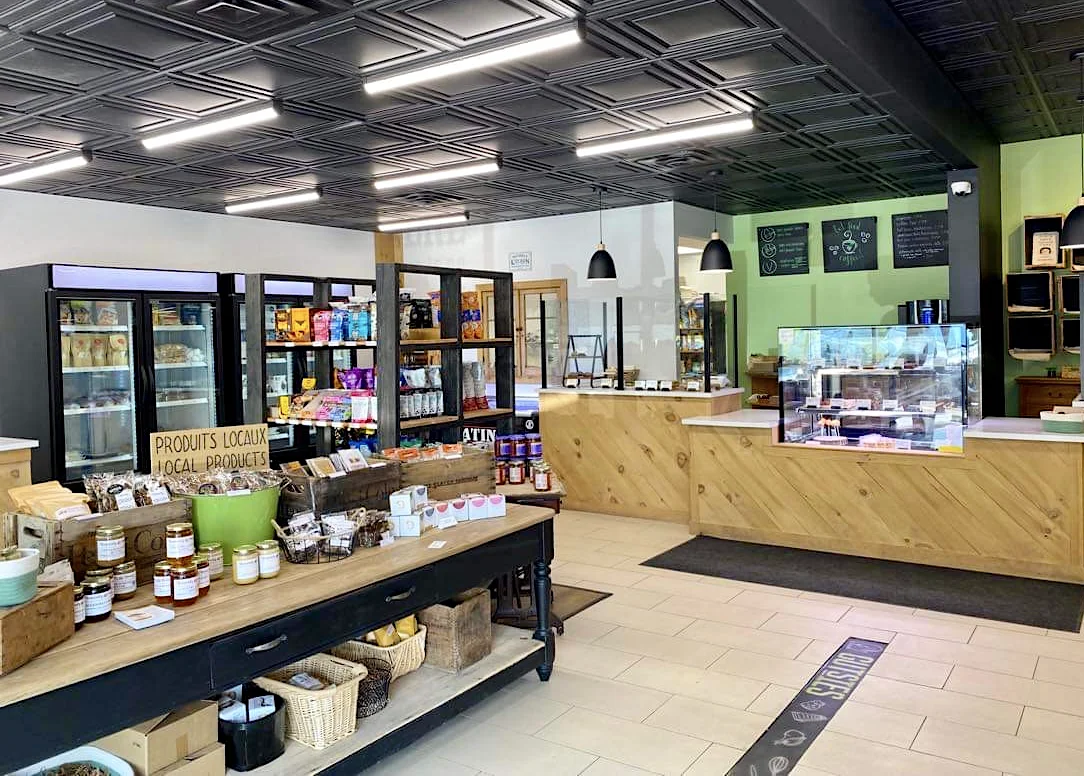
Gutsies: Located in Orleans, Gutsies represents a hybrid retail and bakery model. Founded by Natasha, a mother whose daughter was diagnosed with celiac disease, the shop serves as a community hub. It bridges the gap between local artisanal goods and high-quality imports from Montreal-based bakeries like La Marquise Sans Gluten. This establishment is notable for its focus on additive-free "clean label" products, which appeal to the growing segment of the population with Mast Cell Activation Syndrome (MCAS) or other inflammatory conditions.

2 Sprinkles (formerly 5 Cupcakes): This family-owned venture specializes in baked, rather than fried, donuts and artisanal breads. Their operational strategy focuses on farmers’ markets and online delivery, a lean business model that has become increasingly popular among specialty food producers in Ontario.

Global Context and Regulatory Comparisons
While the National Capital Region is making strides, industry analysts often compare the Canadian landscape unfavorably to that of the United Kingdom and parts of the European Union. In the UK, EU Regulation 1169/2011 mandates that the 14 most common allergens be clearly highlighted on all food labels and menus. This legislative framework has fostered an environment where celiac-safe dining is the default rather than the exception.

In Canada, labeling laws are robust for packaged goods, but the restaurant industry remains largely self-regulated regarding allergen claims. This has led to the proliferation of the term "gluten-friendly," a marketing descriptor that offers no guarantee of safety for those with medical requirements. The reliance on independent research and community-vetted guides remains a necessity for the Canadian celiac consumer, highlighting a gap in federal food service regulations.

Culinary Diversity: Beyond Traditional Baked Goods
The growth of the gluten-free market in Ottawa is not limited to desserts. There is an increasing trend of ethnic cuisines naturally suited to gluten-free adaptations.

Mediterranean and Middle Eastern Influence: The Greek Souvlaki Shack on Bank Street has gained a reputation for its house-made gluten-free pita and dedicated fryers for calamari. This focus on "fried food safety" is a major draw for the celiac community, as shared fryers are the most common source of cross-contamination in standard restaurants.

Latin American Traditions: Establishments like Arepas Place and La Cabana utilize corn-based masa and rice flour, which are inherently gluten-free. The arepa—a Venezuelan and Colombian staple—has become a cornerstone of the gluten-free lunch market in Ottawa due to its versatility and natural lack of wheat.
Southeast Asian Expertise: Restaurants such as Social Thai and Siam Bistro have integrated celiac awareness into their kitchen protocols. By substituting traditional soy sauces with tamari or fish sauce and ensuring separate wok preparation, these establishments have successfully captured a loyal segment of the health-conscious market.

Supporting Data and Economic Impact
The economic implications of the gluten-free market are substantial. Market research suggests that the global gluten-free pasta market alone is expected to reach $1.5 billion by 2030. In Ottawa, this is reflected in the premium prices consumers are willing to pay for certified safety.

A survey of local establishments indicates that gluten-free menu items often carry a surcharge of $2.00 to $5.00. While critics argue this "celiac tax" is burdensome, owners of dedicated facilities cite the significantly higher cost of certified gluten-free flour blends and the intensive labor required to maintain a contamination-free environment. For instance, the cost of gluten-free oats or almond flour can be three to four times higher than standard wheat flour.

Accessibility and the Intersection of Chronic Illness
The narrative of gluten-free dining in the NCR is also inextricably linked to the broader issue of disability and accessibility. A significant portion of the celiac community suffers from comorbid conditions. The case of Jodi Ettenberg, a prominent legal professional and food writer who became disabled by a spinal CSF leak, serves as a poignant example of how food security is compromised when physical mobility is limited.

For disabled celiacs, the reliance on delivery services and "food angels"—community members who assist with sourcing safe meals—is high. However, delivery platforms like UberEats and SkipTheDishes often lack the granular filter options needed to guarantee celiac safety, often conflating "gluten-free" with "low carb." This highlights a technological gap in the food-tech industry that fails to account for the medical nuances of autoimmune diners.

Official Responses and Industry Standards
In response to the growing demand for safety, the Ottawa Celiac Association has become an active voice in the region, providing recommendations and vetting local eateries. Their "Certified Celiac-Friendly" designations are becoming a coveted asset for local restaurateurs.
Chef Joe Thottungal, the visionary behind Thali and Coconut Lagoon, has been praised for his menu design, which clearly marks allergens. His approach demonstrates that high-end, culturally rich dining does not have to be exclusive of those with dietary restrictions. By utilizing naturally gluten-free ingredients like lentil flour and coconut milk, his kitchens maintain high safety standards without sacrificing culinary integrity.

Broader Impact and Future Outlook
The trajectory of the National Capital Region’s gluten-free market suggests a move toward greater transparency and specialization. As more restaurants recognize that the "gluten-free diner" often dictates where an entire group eats—a phenomenon known as the "veto vote"—the incentive to provide safe options increases.

However, for the market to reach its full potential, several developments are necessary:

- Standardized Training: Implementing mandatory allergen training for all food handlers in Ontario and Quebec.
- Enhanced Labeling: Moving away from "gluten-friendly" in favor of clear, medically accurate terminology.
- Support for Dedicated Spaces: Small business grants for dedicated facilities to offset the high cost of ingredients and certification.
Ottawa and Gatineau have transitioned from being "gluten deserts" to becoming regions with a burgeoning, albeit still developing, celiac-safe infrastructure. While the selection remains slimmer than in major global cities, the quality and commitment of local artisans ensure that the celiac community is no longer a footnote in the region’s gastronomic story. The future of dining in the National Capital will likely be defined by this intersection of medical necessity, culinary innovation, and a rigorous commitment to food safety.
