

The landscape of the global spirits industry underwent a seismic shift in 1999 when William Grant & Sons introduced Hendrick’s Gin. Launched at a time when the gin category was largely dominated by traditional London Dry styles, Hendrick’s pivoted toward a "New Western" or contemporary profile, famously infused with rose and cucumber. This move is widely credited with sparking the modern "Gin Renaissance." Central to this success has been the work of Master Distiller Lesley Gracie at the Hendrick’s Gin Palace in Girvan, Scotland. In recent years, the brand has institutionalized its experimental nature through the "Cabinet of Curiosities," a series of limited-edition releases that explore diverse botanical landscapes. As of late 2024, the product line has grown to include eight distinct expressions, ranging from saline, coastal inspirations to heavy, stone-fruit distillations. An analysis of these releases reveals a spectrum of success, where some innovations have redefined the category while others have struggled to balance intensity with mixability.
The Architectural Foundation of Hendrick’s Gin
To understand the Cabinet of Curiosities, one must first understand the technical foundation upon which all Hendrick’s expressions are built. Unlike most gins that utilize a single distillation method, Hendrick’s is a marriage of two different spirits produced in two distinct types of stills. The first is a 1860-vintage Bennett still, which produces a heavy, oily, and robust spirit by boiling botanicals directly in the neutral grain spirit. The second is a 1948 Carter-Head still, which utilizes a copper basket to steam-infuse the botanicals, resulting in a light, floral, and delicate distillate.
The final flagship product is a blend of these two spirits, further enhanced by the post-distillation addition of Bulgarian Rosa Damascena and specially selected cucumbers. This dual-still approach provides Lesley Gracie with a versatile canvas. When creating the Cabinet of Curiosities, Gracie often adjusts the botanical ratios or introduces new "essences" post-distillation to achieve specific thematic profiles. This experimental laboratory, located within the £13 million Hendrick’s Gin Palace inaugurated in 2018, serves as the birthplace for the limited releases that are now ranked by industry experts and consumers alike.
A Chronology of Innovation: The Cabinet of Curiosities Timeline
The Cabinet of Curiosities was officially formalized in 2019, though experimental releases like Orbium predated the official branding. The timeline of these releases illustrates the brand’s strategy of maintaining consumer interest through seasonal scarcity:
- 2017: Hendrick’s Orbium (Initial limited release, later expanded)
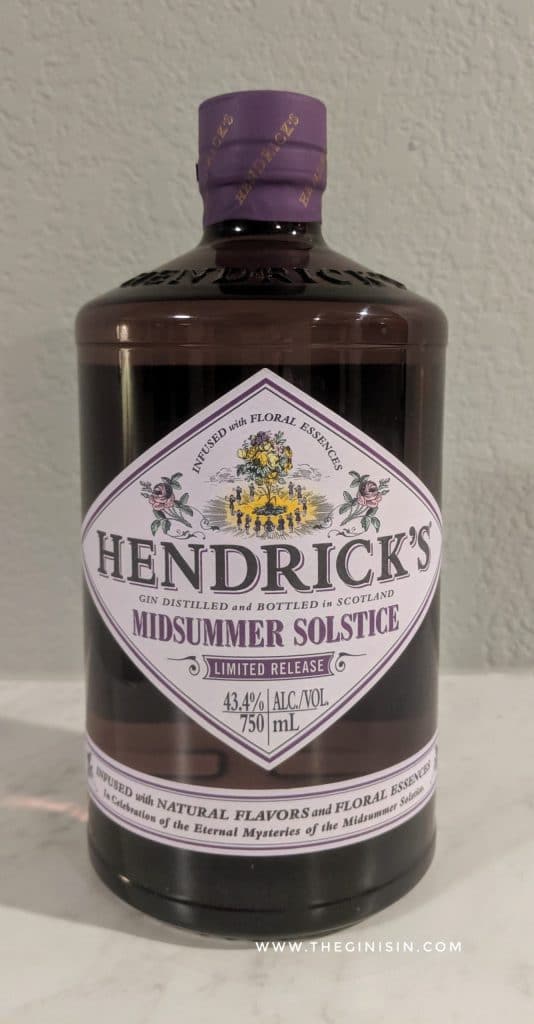
- 2019: Hendrick’s Midsummer Solstice
- 2019: Hendrick’s Amazonia (Travel Retail exclusive)
- 2021: Hendrick’s Lunar
- 2022: Hendrick’s Neptunia
- 2023: Hendrick’s Flora Adora
- 2024: Hendrick’s Grand Cabaret
This aggressive release schedule reflects a broader trend in the spirits market where premium brands utilize "drop culture" to drive engagement. According to market data from the IWSR, the premium gin segment has seen a compound annual growth rate (CAGR) of over 5% in the last decade, driven largely by consumer interest in botanical variety and limited-edition storytelling.
The Ranking: From Disappointing Experiments to Categorical Icons
The following ranking evaluates the Hendrick’s product line based on botanical balance, versatility in mixology, and adherence to the brand’s core identity.
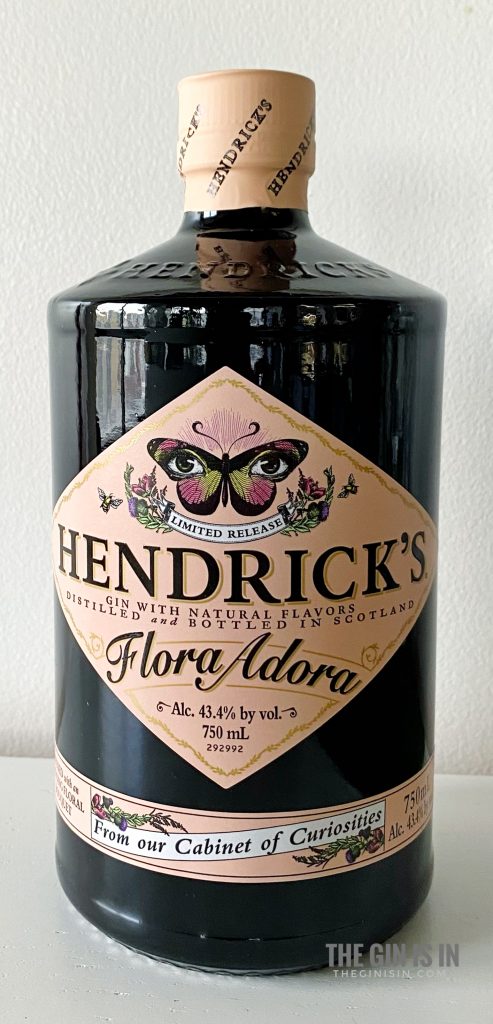
8 Hendrick’s Flora Adora (2023)
Introduced in the spring of 2023, Flora Adora was marketed as a tribute to the pollinators of the Ayrshire coast. The botanical bill includes lavender, rose, and hibiscus, creating a profile intended to mimic a garden in full bloom. However, the execution has been met with critical hesitation. While the nose offers pleasant notes of honeysuckle and vanilla, the palate is often described as over-concentrated. The floral elements, particularly the lavender and lilac, can become dominant to the point of tasting "soapy." In cocktails like the Wildgarden Cup, the gin requires heavy dilution or strong citrus to mask an intensity that many critics compare to old-fashioned perfumes. For most, it remains a collector’s item rather than a bar staple.
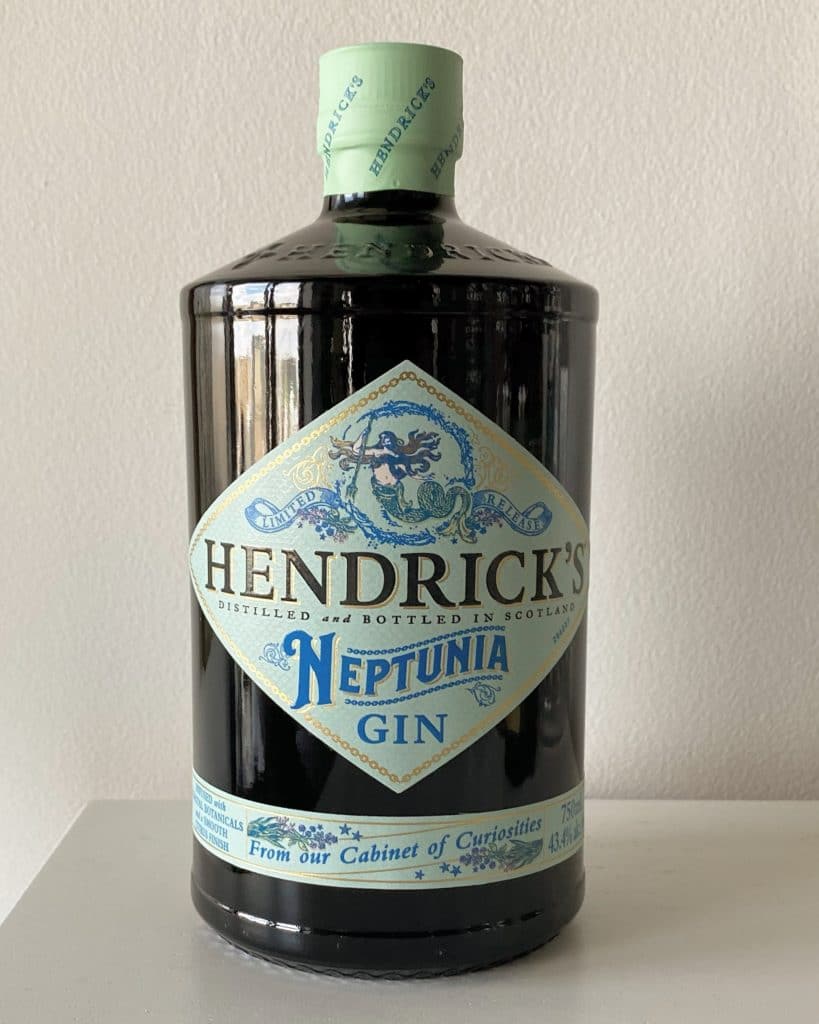
7 Hendrick’s Neptunia (2022)
Neptunia represented the brand’s foray into the "saline gin" trend, inspired by the rugged coastline near the Gin Palace. It features coastal botanicals and a crisp citrus finish. While it successfully captures the essence of a briny ocean breeze, it has been critiqued for being "cacophonous." The transition from heady citrus to a savory, herbal finish feels disjointed to some palates. While it appeals to fans of Mediterranean-style gins like Gin Mare, its lack of balance makes it a challenging mixer for standard cocktails like the Martini, where its savory notes can clash with traditional vermouths.
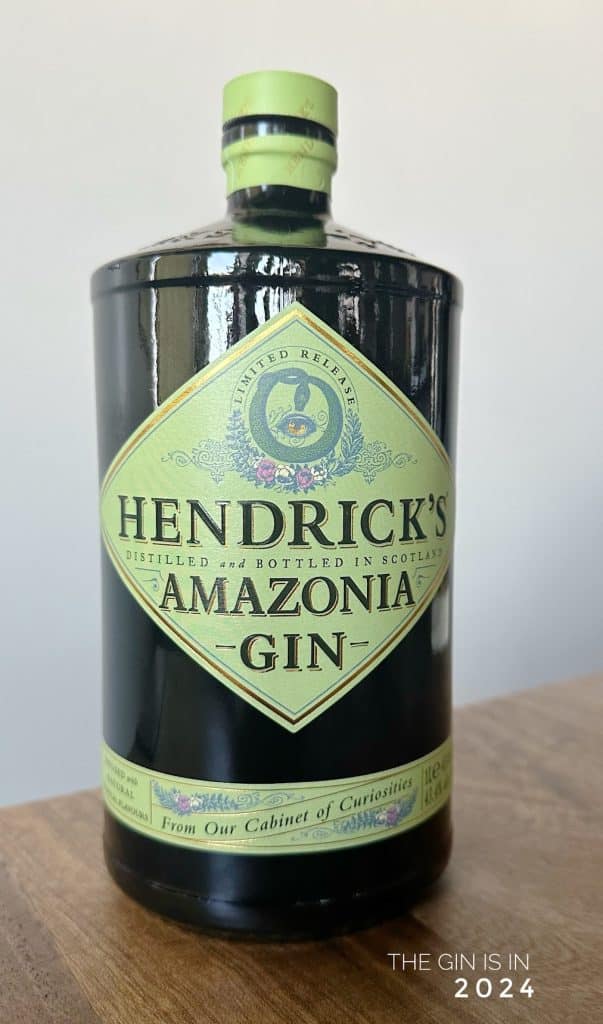
6 Hendrick’s Amazonia (2019)
Originally released as a travel-retail exclusive, Amazonia was inspired by Gracie’s trek into the Venezuelan rainforest. It utilizes tonka beans and pink peppercorns, which should theoretically provide a sophisticated spice profile. However, the final product leans heavily into tropical fruit notes, reminiscent of pineapple and passionfruit. While enjoyable for fans of fruit-forward spirits, it often feels more like a flavored gin or a base for a Tiki drink than a balanced botanical gin. Compared to other releases, it lacks the nuance expected from the Cabinet series.
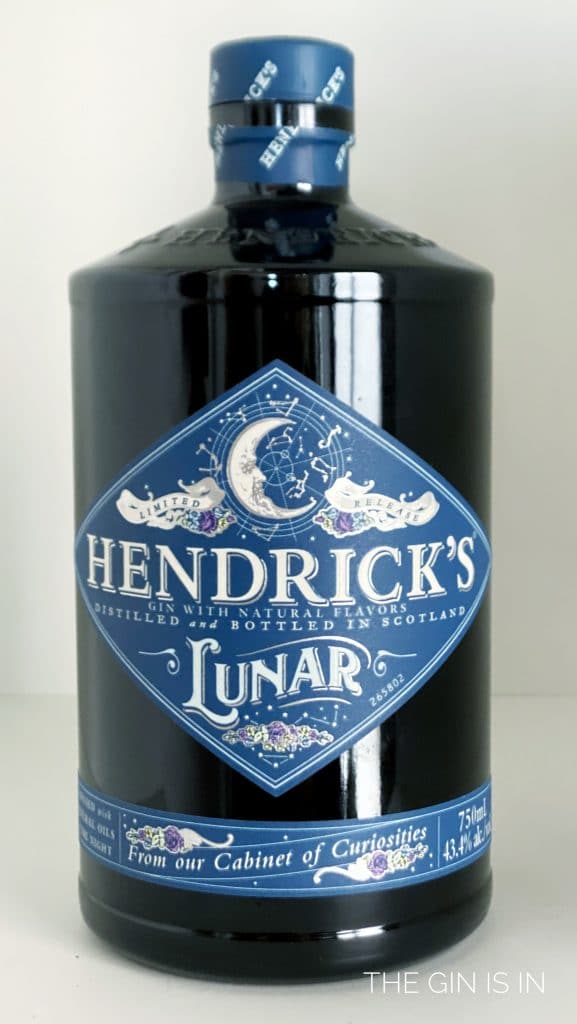
5 Hendrick’s Lunar (2021)
Lunar was designed to capture the "nocturnal ambiance" of the Scottish coast. It is a more spice-forward expression than the flagship, utilizing ginger and black peppercorn alongside violet and jasmine. The result is a gin that feels warm and "blue," making it an excellent choice for a winter Gin and Tonic or a spice-heavy Negroni. While it is highly versatile, some traditionalists find the floral-to-spice ratio slightly skewed, though it remains a solid middle-of-the-road entry in the collection.
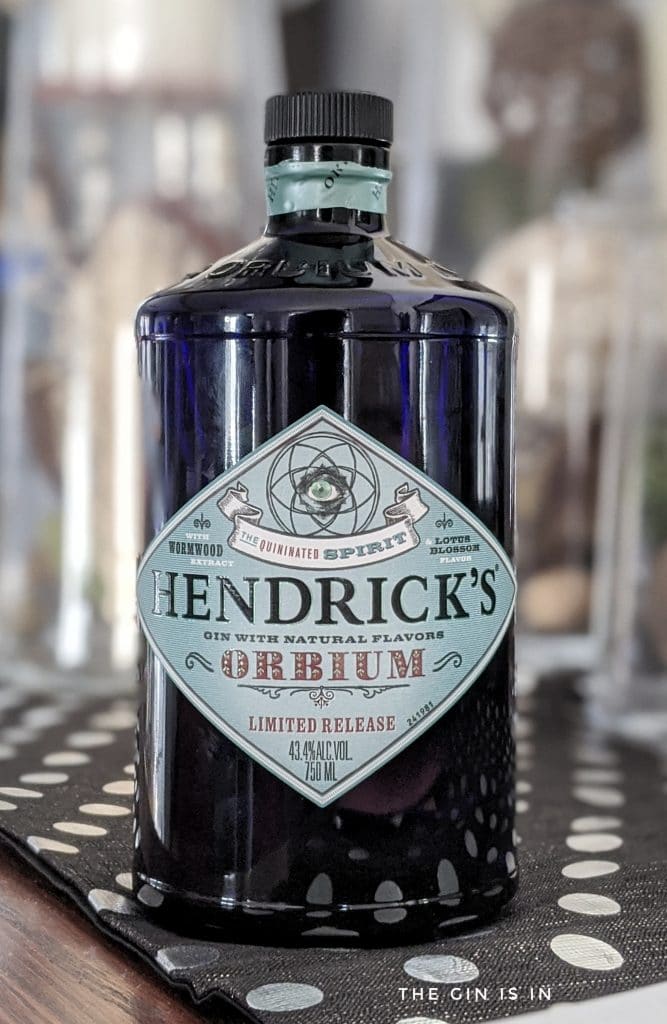
4 Hendrick’s Orbium (2017)
Orbium is perhaps the most "intellectual" of the releases. By adding quinine, wormwood, and lotus blossom, Gracie created a gin that essentially contains the flavor components of a Gin and Tonic and a Martini (via the wormwood/vermouth connection) within the bottle itself. It is a polarizing spirit—those who dislike bitterness will find it abrasive. However, for the connoisseur, it is a brilliant deconstruction of gin culture. It shines in a Martini, where its inherent bitterness adds a layer of complexity that the original flagship lacks.
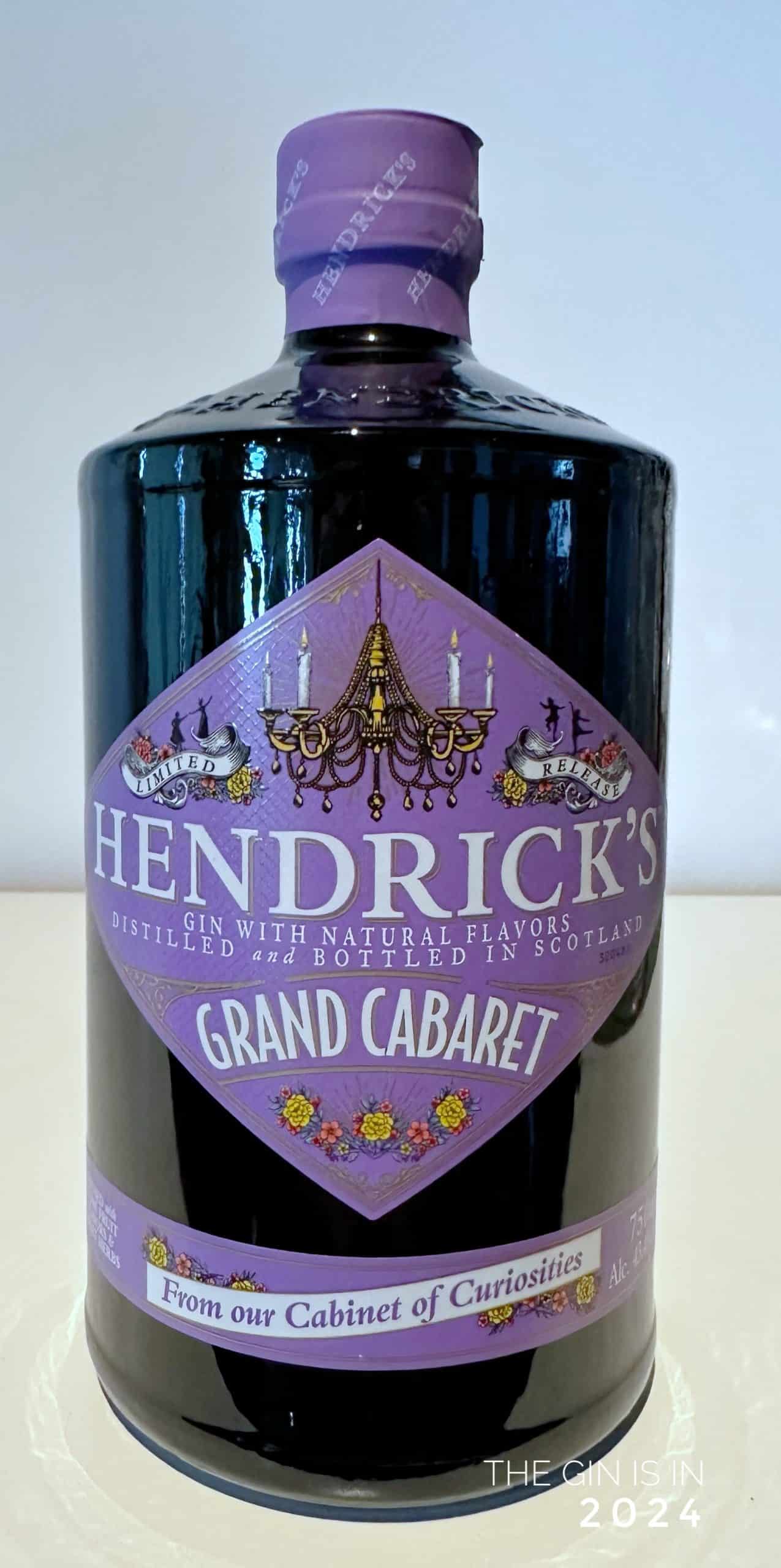
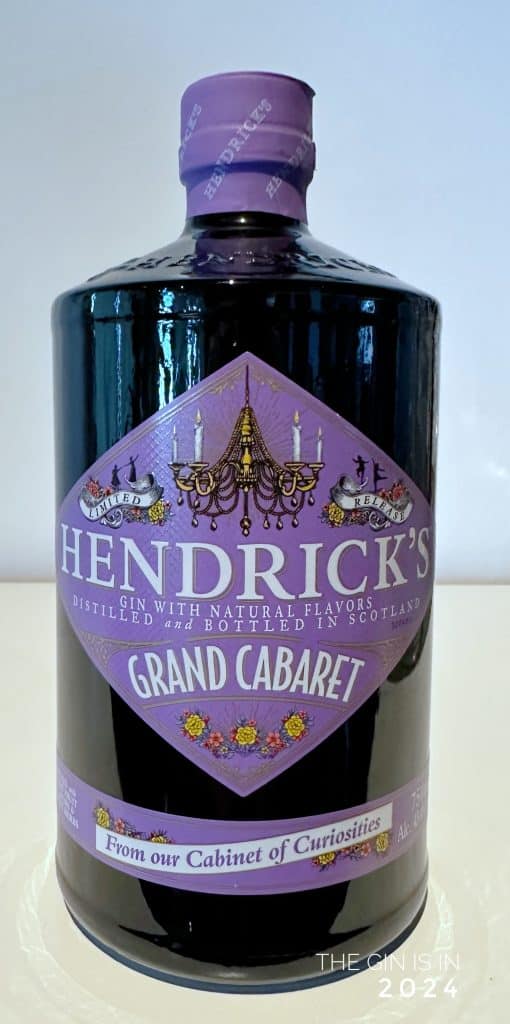
3 Hendrick’s Grand Cabaret (2024)
The newest addition to the cabinet, Grand Cabaret, draws inspiration from 17th-century French stone fruit distillates. With a focus on apricots and mirabelle plums, this gin is remarkably fruit-forward but manages to maintain its structural integrity through a strong juniper and elderflower backbone. Unlike Amazonia, the fruit here feels integrated rather than overlaid. It is an exceptional choice for simple highballs, such as gin and lemonade, and represents a successful evolution of the brand’s fruit-infusion experiments.
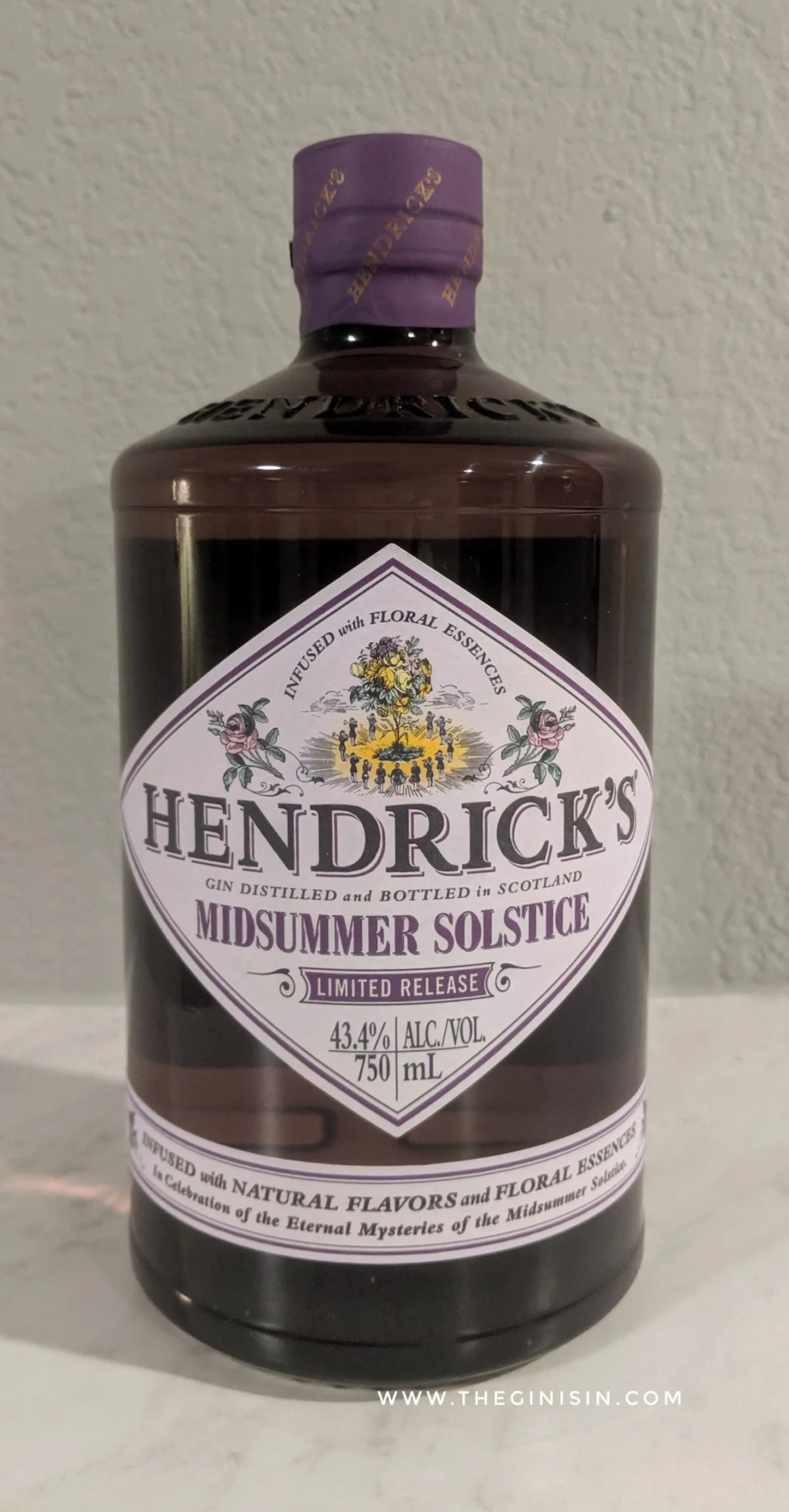
2 Hendrick’s Midsummer Solstice (2019)
Midsummer Solstice remains one of the most beloved limited editions in the brand’s history. It captured a "flirty" and accessible profile with essences of raspberry, strawberry, and rose. Despite the heavy fruit and floral notes, it maintained a crispness that made it the perfect alternative to the "Pink Gin" craze of the late 2010s. It was sophisticated enough for gin enthusiasts but accessible enough for newcomers, proving that Hendrick’s could deviate from its core profile without losing its identity.
1 Hendrick’s Flagship (1999)
Despite the technical achievements of the Cabinet of Curiosities, the original Hendrick’s remains the pinnacle of the brand. Its balance of the heavy Bennett distillate and the light Carter-Head distillate, punctuated by the cooling effect of cucumber and the softness of rose, is a feat of liquid engineering. It remains the gold standard for versatility, performing equally well in a Dirty Martini, a classic G&T, or a complex contemporary cocktail. In a market flooded with experimental botanicals, the flagship’s restraint and clarity of purpose continue to set it apart.
Market Impact and Industry Implications
The success of the Cabinet of Curiosities has had a profound impact on the spirits industry. Competitors such as Tanqueray and Bombay Sapphire have followed suit with their own limited-edition series (e.g., Tanqueray Malacca or Bombay Sapphire English Estate). From a business perspective, these releases allow Hendrick’s to capture "share of shelf" and "share of mind" without the risk of permanently altering their core product.
Furthermore, the Cabinet of Curiosities serves as a high-profile case study in the importance of the Master Distiller as a brand figurehead. Lesley Gracie’s persona—a mix of scientist and alchemist—has become central to the brand’s marketing. This "premiumization" of the distiller’s role has encouraged other brands to highlight their technical expertise, elevating the category from a commodity to a craft.
Conclusion: The Future of the Gin Palace
As Hendrick’s moves toward 2025, the Cabinet of Curiosities shows no signs of slowing down. While not every release has achieved the universal acclaim of the flagship or Midsummer Solstice, the program’s value lies in its willingness to fail in the pursuit of something new. For the consumer, this means a constant stream of seasonal variety; for the industry, it means a benchmark for innovation. Whether exploring the depths of the ocean or the sweetness of a French orchard, Hendrick’s continues to dictate the pace of the contemporary gin movement, proving that curiosity is indeed the most vital ingredient in the modern bar.
